
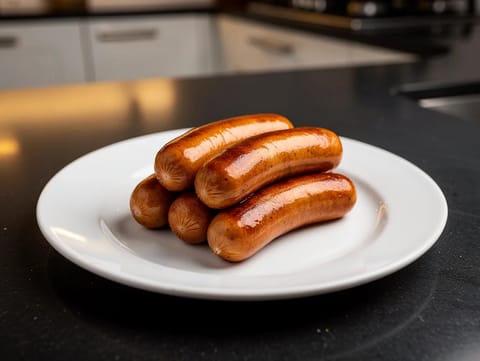
Air Fryer Sausages
Air fryer sausages with crisp skins and juicy centres.

British cooking is less a single flavour profile than a set of familiar formats: roasts and pies, soups and stews, breads and bakes, and a strong tradition of puddings. It often leans on good stock, careful browning and simple seasonings that let the main ingredient lead.
Use this page when you want those recognisable shapes on the table, whether that means a crisp-topped pie, a tray of scones, or a slow-cooked joint with gravy and vegetables alongside.
Look for recipes built around a clear centrepiece and supporting sides: a roast with gravy, a pie with a vegetable on the side, or a soup with bread. Sauces are often practical rather than showy, thickened with flour, reduced stock, or the cooking juices from meat and vegetables. Seasoning is usually straightforward, so ingredient quality and technique matter: browning meat well before braising, sweating onions gently for sweetness, or baking pastry until it is properly set rather than pale.
Air fryer sausages with crisp skins and juicy centres.
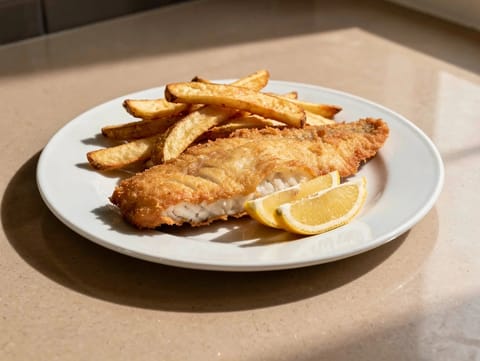
Crispy breadcrumb fish with chunky air fryer chips.
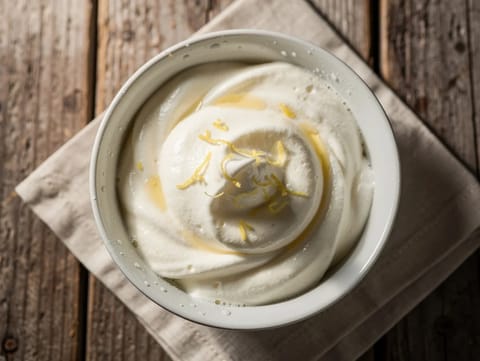
Whipped syllabub with lemon and white wine
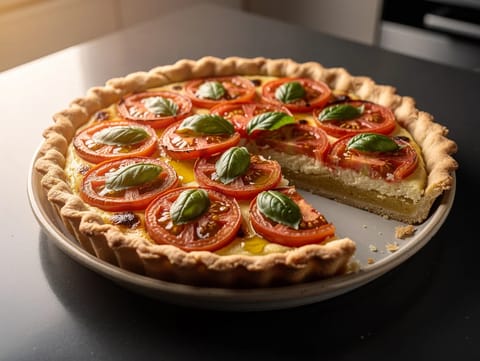
Shortcrust tart with ricotta, tomatoes and fresh basil
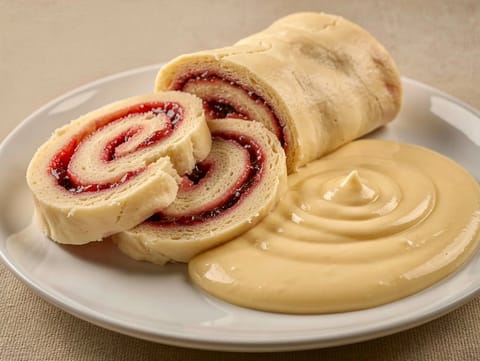
Steamed suet pudding rolled with strawberry jam
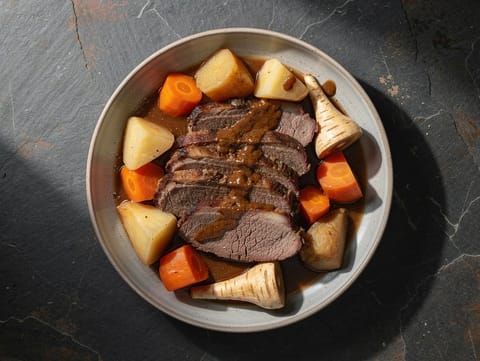
Braised brisket with red wine and root vegetables
British cooking is rich in dishes defined by their structure. Pies may be fully enclosed, topped with pastry, or finished with mashed potato, and the filling is commonly a gravy-like stew that needs time to cool slightly before it goes into the crust. Roasts are as much about what happens in the tin as the joint itself: rendered fat, browned bits and resting juices become the base for gravy. Baking ranges from everyday loaves and buns to teatime favourites such as scones, while puddings can mean both steamed or baked desserts and savoury dishes set with batter.
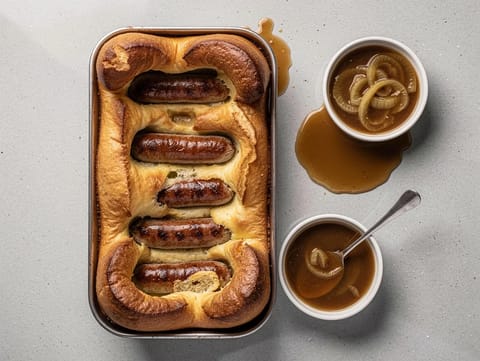
Pork sausages baked in Yorkshire pudding batter with gravy
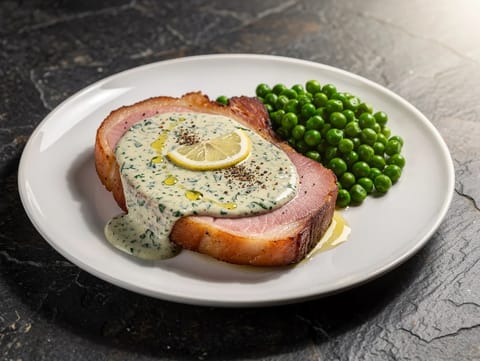
Pan-fried gammon steak with parsley sauce and buttered peas
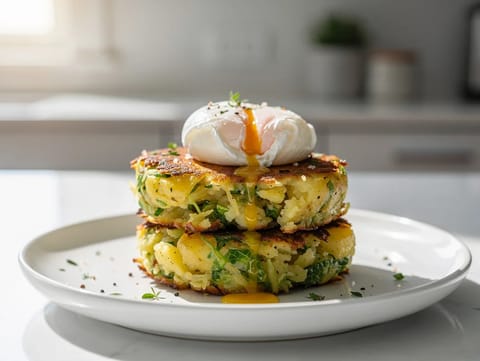
Crisp potato and cabbage cakes topped with poached egg
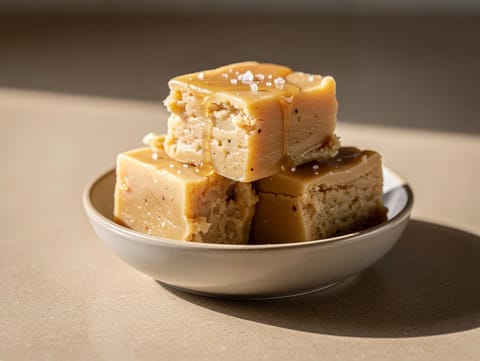
Rich clotted cream fudge set into smooth squares
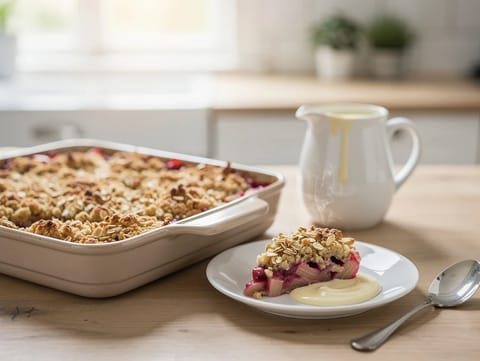
Baked rhubarb crumble with a crisp oat topping and custard
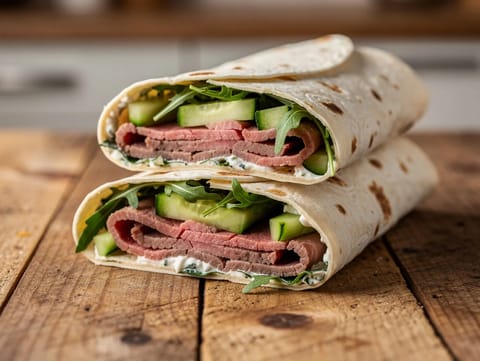
Roast beef wrap with horseradish yoghurt, rocket and cucumber
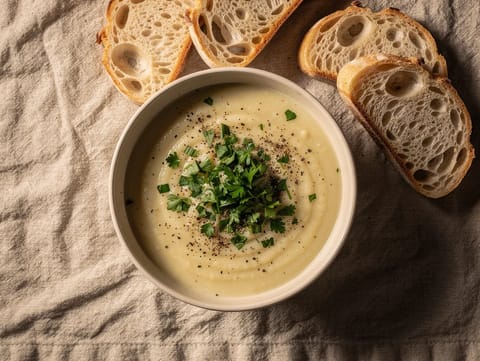
Smooth leek and potato soup finished with double cream
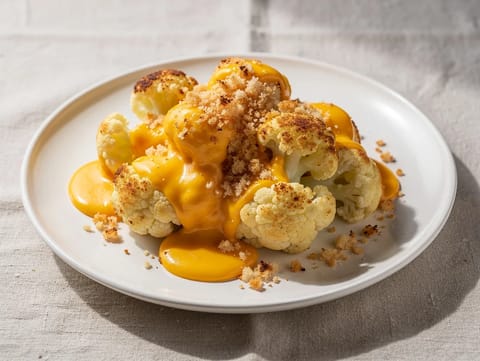
Cauliflower baked in cheddar sauce with a crispy breadcrumb topping
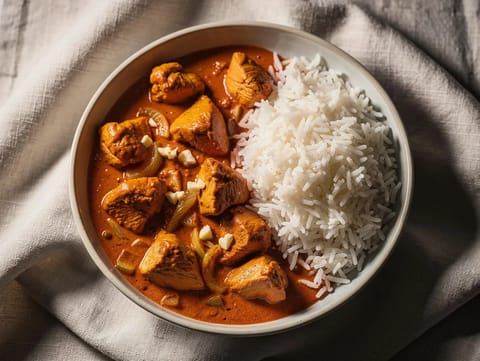
Chicken tikka masala in a creamy tomato sauce with basmati rice
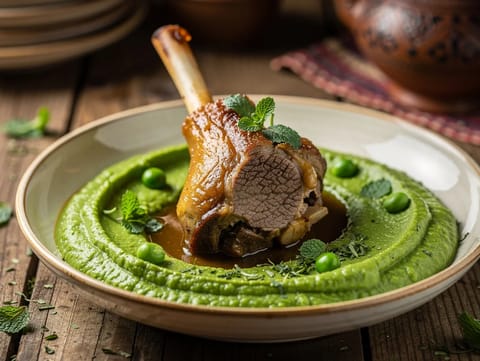
Braised lamb shanks with minted pea purée and gravy
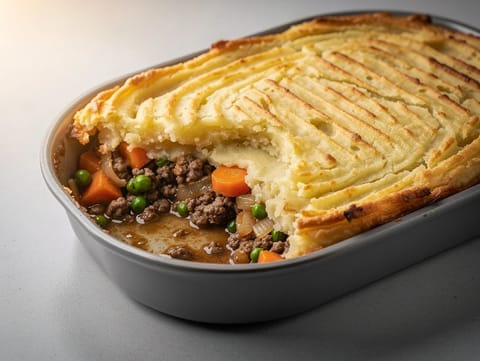
Minced beef and gravy topped with mashed potatoes
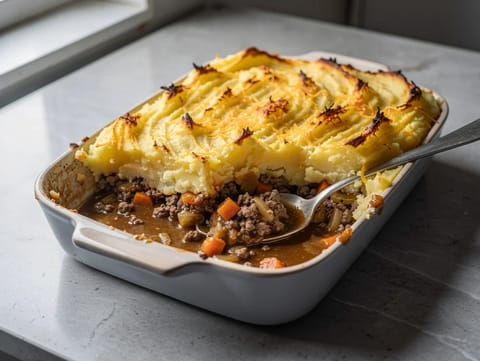
Cottage pie topped with cheddar mash and baked until golden
Many British recipes revolve around sturdy vegetables and dairy. Potatoes appear mashed, roasted, or layered as a topping, and brassicas often show up as simple sides or folded into soups and stews. Butter, milk and cheese bring richness to sauces and bakes, while mustard, horseradish, pickles or chutneys add the sharpness that keeps heavier plates lively. Dried herbs, bay and black pepper are common background flavours; when a recipe uses stronger accents, they are often tied to specific dishes rather than applied across the board.
British food culture has long balanced everyday thrift with occasional centrepiece meals. Many well-known dishes suit cooler weather because they rely on slow heat, sturdy vegetables and pastry, but the same kitchen habits also produce lighter plates, especially when good produce is available. Baking is a constant thread, from bread and buns to cakes and biscuits, and it sits comfortably alongside savoury cooking rather than feeling like a separate world. If a recipe reads as British-inspired, it may borrow these formats while swapping in different spices, vegetables or proteins.
If you know the dish shape you want, browsing by Dish can quickly narrow things down to pies, roasts, soups or bakes. For a more technique-led approach, Cooking method helps when you are deciding between braising, roasting, baking or frying, which often determines both texture and timing.
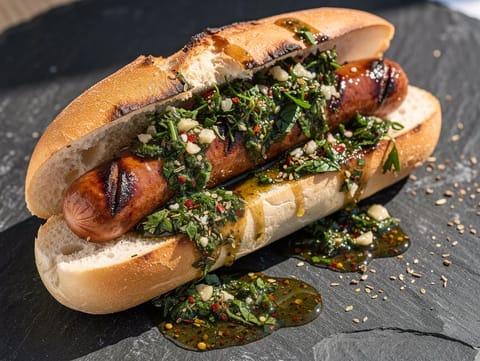
Grilled chorizo sandwich in crusty bread with chimichurri
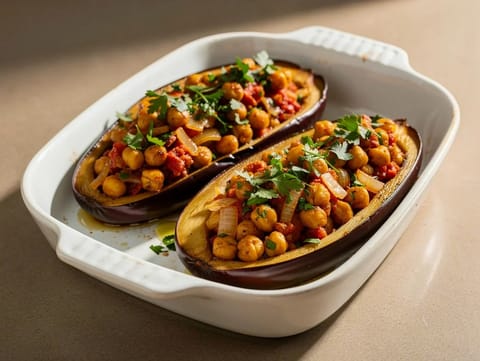
Roasted aubergines stuffed with spiced chickpeas in tomato sauce
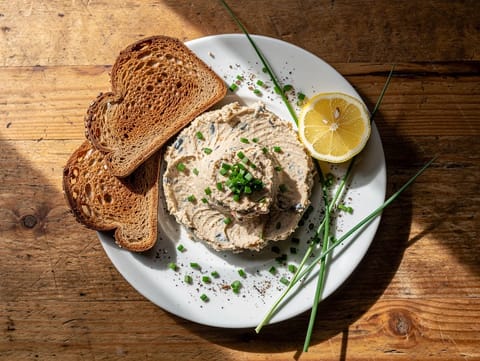
Smoked mackerel pâté with lemon and horseradish on rye
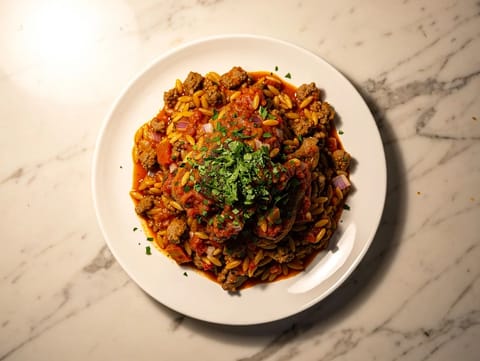
Orzo tossed with rich minced lamb ragù and warm spices
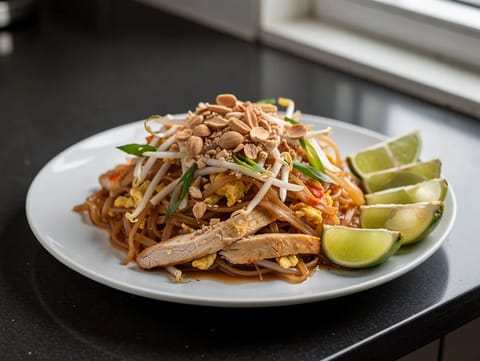
Chicken Pad Thai with tamarind sauce, peanuts, bean sprouts and lime
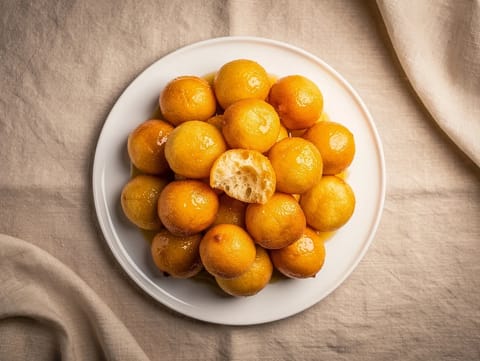
Yeast raised fried dough bites soaked in lemon sugar syrup
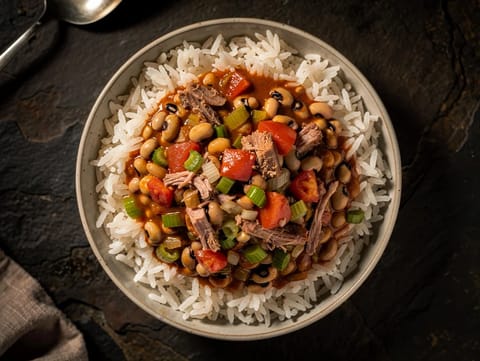
Black-eyed pea stew with smoked ham hock and tomatoes
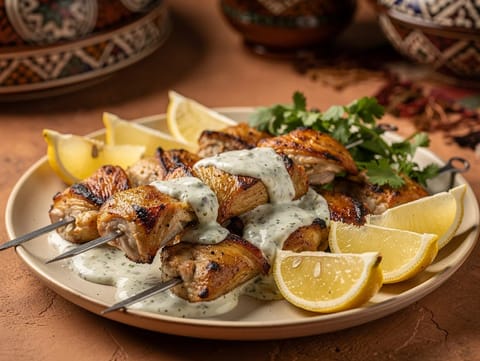
Yoghurt-marinated chicken skewers grilled with cumin and paprika
Not necessarily. Many British classics are rich because they use pastry, dairy and slow-cooked sauces, but the cuisine also includes broths, simple grilled or baked fish, and vegetable-forward sides. The format of the dish often matters more than the calorie density.
A filling that is thick enough to hold together once cut is typical. That usually means a gravy-like base from stock and flour or reduction, plus time for the filling to cool slightly before it meets the pastry, so the crust can bake crisp rather than turning soggy.
No, but it is a common supporting element, especially with roasts and some pies. When it appears, it is often built from browned bits in the roasting tin, stock and resting juices, so good browning and deglazing make a noticeable difference.
They are different traditions. British scones are typically lightly sweet or plain, leavened, and baked to split and serve with butter, jam or cream. The word “biscuit” in Britain usually means a crisp cookie-style bake.
It can mean dessert, but it can also refer to a savoury dish set with batter or steamed in a basin. The name tells you the format more than the flavour.
British cooking is easiest to navigate by structure: roast, pie, bake, soup or pudding. Once you have the format, decide whether you want a simple, ingredient-led version or a British-inspired twist with different seasonings, vegetables or fillings.
