
Caribbean Holiday Seafood Boil with Prawns, Crab and Corn
Caribbean-style seafood boil finished with garlic butter and a squeeze of lime

Caribbean cooking is a tapestry of island traditions rather than a single flavour. What links many Caribbean-style recipes is the way they balance heat, herbs, citrus and sweetness, often with smoke or char from grilling. You will see spice pastes and marinades, slow-simmered stews, rice-and-beans style dishes, fried snacks, and fresh sides that keep the plate lively. When you are choosing a Caribbean recipe, look first at the seasoning base and the cooking method, because those two choices largely determine the final character.
Caribbean dishes often start with a blended or pounded seasoning base, and that base tells you what the recipe will taste like. A jerk-style approach leans on allspice, thyme, chilli heat and often a sweet note, and it suits grilling, roasting or smoking. Other recipes build around green herbs, spring onions and garlic, or around curry-style spice blends that reflect Indo-Caribbean cooking. If you want a brighter plate, look for citrus, fresh herbs and quick-cooked seafood or vegetables. If you want something deeper and more comforting, choose a slow-simmered pot with beans, root vegetables or richer cuts of meat.
Caribbean-style seafood boil finished with garlic butter and a squeeze of lime
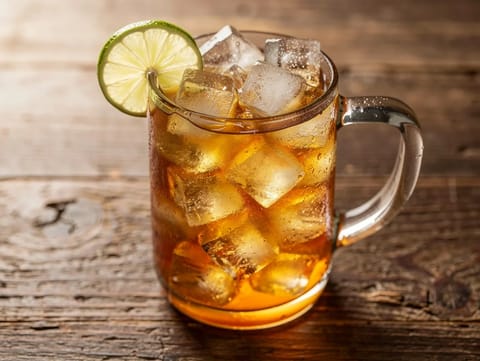
Chilled ginger beer with lime, cinnamon and cloves
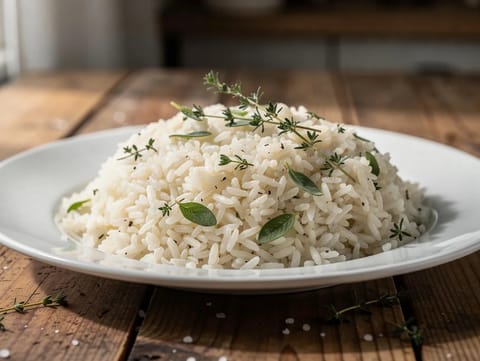
Fluffy coconut rice simmered with garlic and thyme
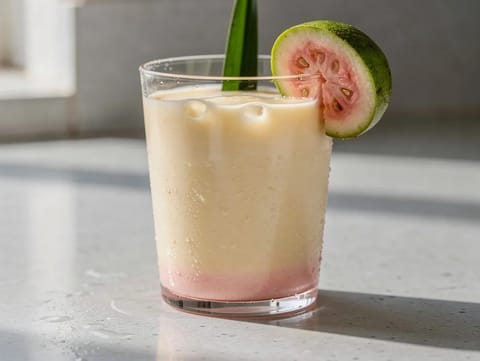
Guava and pineapple smoothie with coconut milk, yoghurt and lime.
Caribbean prawn curry in coconut milk with sweet pepper, spices and lime
Chilled coconut water mixed with fresh lime and honey, finished with a pinch of salt
Grilled and roasted meats are common, often marinated so the flavour penetrates beyond the surface. Stews and braises are another backbone, sometimes thickened naturally as starchy vegetables soften. Rice dishes frequently act as both staple and side, especially when cooked with beans or peas for a complete, savoury base. Fried elements appear too, from crisp fritters to plantain-based sides, adding texture alongside saucy mains. Fresh salads and slaws are not just garnish: they provide crunch and acidity that make spicy or rich dishes easier to eat.
Fresh pineapple salsa with red pepper, red onion, lime juice and coriander
Spicy marinated jerk chicken with fragrant rice and peas cooked in coconut milk
Caribbean-style fish stew with tomato, coconut milk, peppers, thyme and lime
Turmeric pastry filled with cabbage, carrot, spring onion and thyme
Caribbean prawn curry in coconut milk with sweet pepper, spices and lime
Caribbean macaroni pie baked with cheddar, mustard and eggs until firm
Jamaican escovitch fish with vinegar pickled onions, carrots and sweet pepper
Slow-cooked oxtail with tomato, thyme and allspice, finished with butter beans
Baked jerk-spiced salmon bowl with coconut rice, black beans, mango and lime
Caribbean coconut pudding thickened with cornflour, chilled until set, then served in cups
One-tray jerk chicken with caramelised sweet potato, red onion and lime wedges
High heat is used for flavour as much as for speed. Charring peppers, onions or meat adds bitterness and smoke that balances sweet marinades. Slow simmering is where many Caribbean pots develop their signature depth, especially when aromatics and spices are cooked gently before liquids are added. You will also see quick pickling and sharp relishes, which are practical in warm climates and useful on the plate: acidity lifts fried foods, cuts through fatty meats and keeps bean and rice dishes from tasting one-note. The key is balance, not maximum heat.
Caribbean cooking reflects Indigenous, African, European, Indian and Chinese influences, alongside the realities of island agriculture and trade. That is why you may see similar techniques across different islands but with different seasonings, names and preferred staples. Some dishes are closely associated with particular places, while others travel widely with families and communities. Treat “Caribbean” as a respectful umbrella: it signals a family of flavours and methods, but the most accurate clues are the island references, the seasoning paste, and the staple ingredients such as plantain, coconut, beans and rice.
Caribbean flavour changes dramatically with technique. Cooking method helps you separate grilled and roasted dishes from stews, fried snacks and one-pot rice cooking. Dish is equally useful when you know you want something like a curry-style pot, a jerk-style main, or a bright slaw to serve alongside.
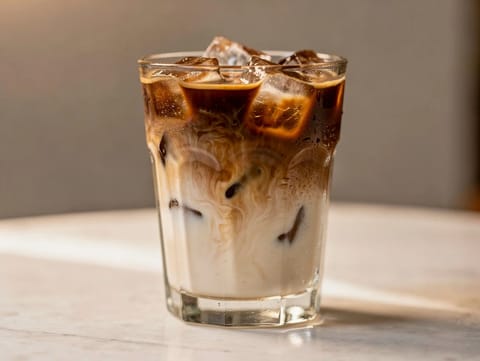
Iced espresso with sweetened almond drink
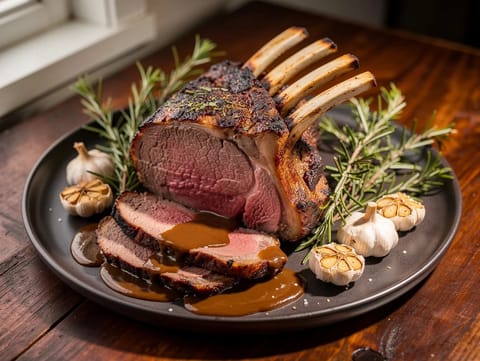
Roast prime rib with rosemary and a simple beef gravy
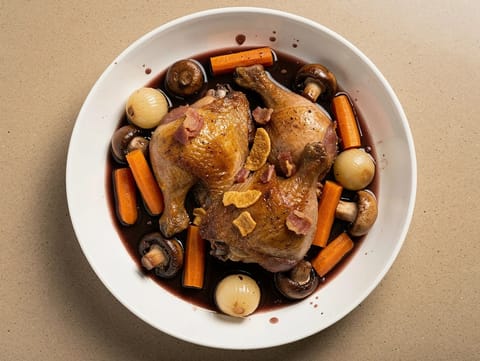
Chicken braised in red wine with pancetta and mushrooms
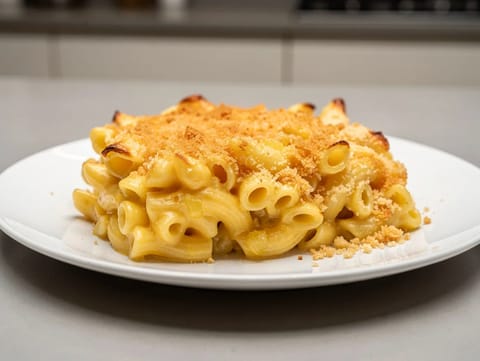
Baked macaroni with creamy Gouda and breadcrumbs
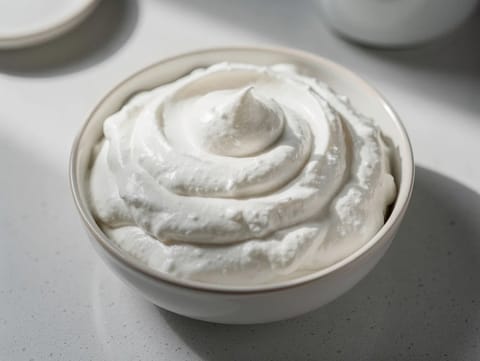
Thick garlic toum made with lemon juice and sunflower oil
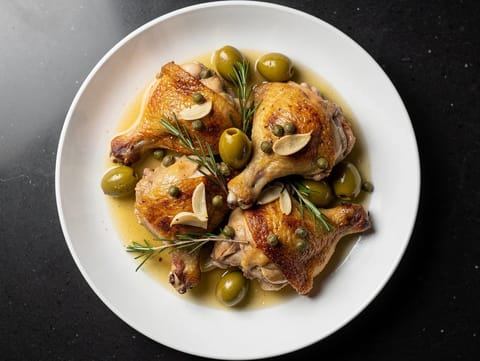
White wine braised chicken with olives and capers
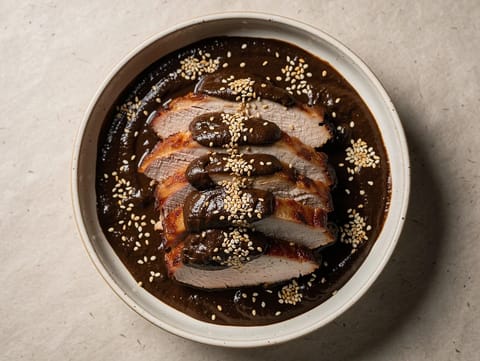
Roast turkey served with traditional mole sauce and dark chocolate
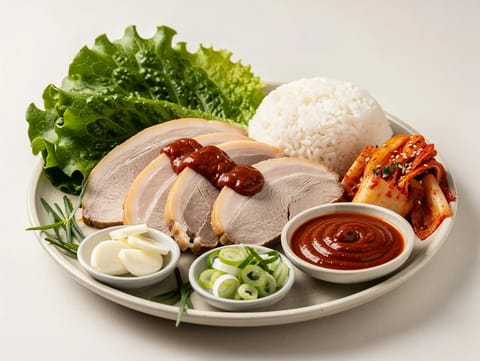
Boiled pork belly lettuce wraps with rice, kimchi and ssamjang
Not always. Many dishes use chilli, but the overall balance often includes herbs, citrus, sweetness and aromatics. Heat level varies by island, recipe and cook.
Jerk usually refers to a particular seasoning approach built around allspice, thyme and chilli, often used as a paste or marinade and cooked over high heat for char and smoke.
They can be either. In many Caribbean meals, rice cooked with beans or peas works as a staple base that can stand alone or support grilled meats, fish or stews.
Acidity from citrus, pickles or relishes balances rich, fried or spicy foods and keeps the overall plate tasting fresh and defined.
It is better understood as a group of related island cuisines. Shared ingredients and histories create overlaps, but there is significant regional and cultural variation.
The most reliable way to choose a Caribbean-style recipe is to decide on the seasoning base and the cooking method. From there, build a balanced plate with something charred or slow-cooked, and something crisp and sharp to finish.
