

Sernik Królewski (Royal Polish Cheesecake)
Polish cheesecake with quark filling and cocoa pastry

Polish home cooking often centres on dishes that hold well, reheat kindly and taste better once flavours have had time to settle. Expect soups with depth, dumplings and pancakes with savoury fillings, and braises that lean on onions, mushrooms and gentle spices rather than chilli heat. This page is a good place to look when you want food that feels substantial without being complicated: the techniques are usually straightforward, but small choices, such as how you treat cabbage or when you add sour cream, make a noticeable difference.
A lot of Polish dishes are built around a clear structure: something brothy or saucy, something starchy, and a sharp or pickled note to cut through richness. That might look like a bowl of soup with bread, dumplings served with a buttery topping, or a stew alongside potatoes. The flavours tend to be rounded and savoury, with acidity used deliberately rather than constantly. When you’re choosing recipes, look for where the tang comes from, such as fermented cabbage, pickled cucumbers, vinegar or soured dairy, because it changes the whole balance of the dish.
Polish cheesecake with quark filling and cocoa pastry
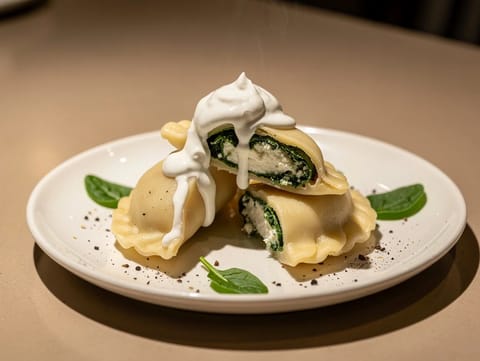
Pierogi filled with spinach and ricotta
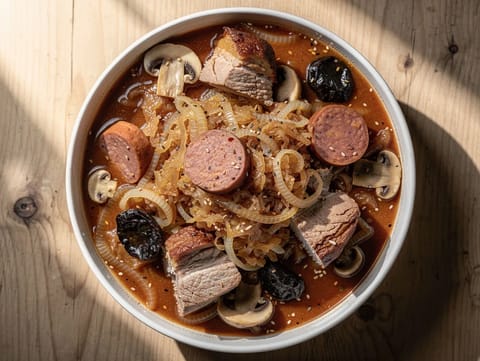
Polish stew with sauerkraut, cabbage, pork and smoked sausage
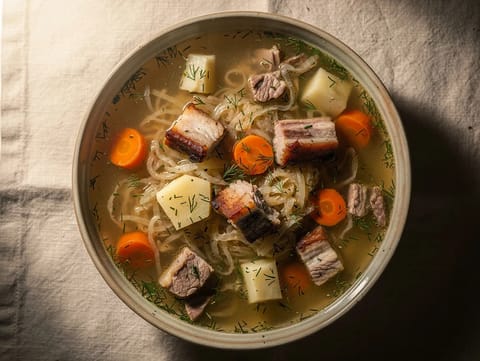
Tangy Polish sauerkraut soup with smoked pork ribs

Polish dried fruit drink simmered with spices, served warm or chilled
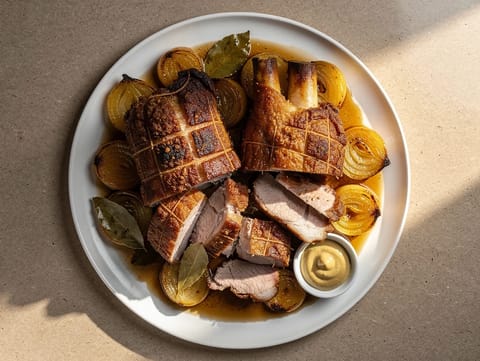
Polish roasted pork knuckle with marjoram, caraway and mustard
Polish cooking reflects a climate where preserving and storing have long mattered, so you’ll often see ingredients that keep well: cabbage, root vegetables, dried mushrooms and grains. That does not mean the food is always heavy. Fresh herbs, horseradish, mustard and pickles bring lift, and many dishes are designed to be served with something crisp or sour on the side. Regional variation is real, especially in dumpling fillings, soup styles and the use of forest mushrooms, but the through-line is practical, family-style cooking where a pot of soup or a tray of baked food can feed people over more than one meal.

Polish mulled red wine warmed with honey, citrus and spices
Polish dried fruit drink simmered with spices, served warm or chilled
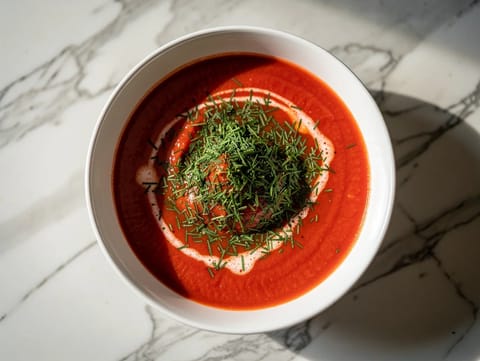
Light tomato soup with carrots, celery, cream and dill

Crisp herb potato cakes pan fried in oil

Mini apple fritters fried golden with cinnamon

Polish sponge cake with a fine, tender crumb
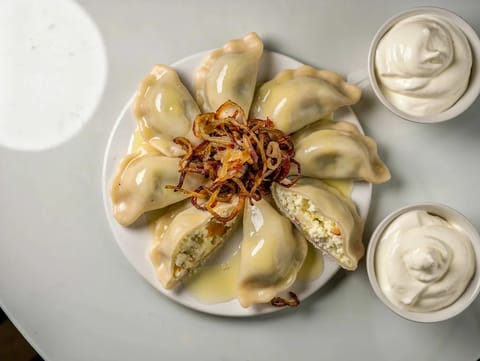
Polish dumplings filled with potato, cheese and onion
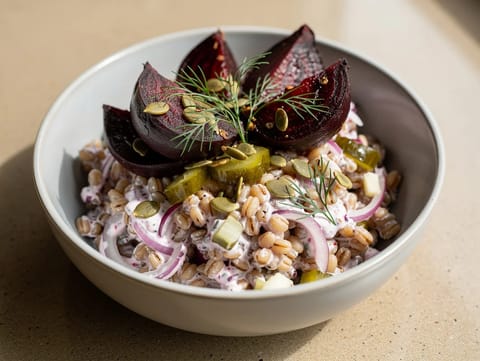
Roasted beetroot and barley bowl with horseradish dressing
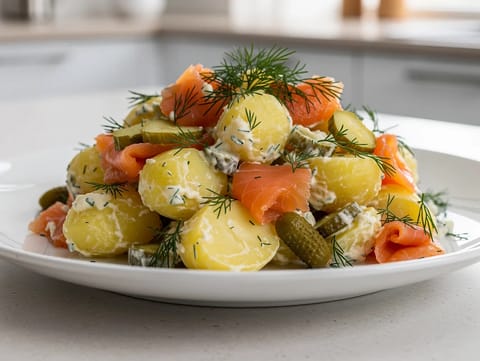
Potato salad with smoked salmon, gherkins and dill
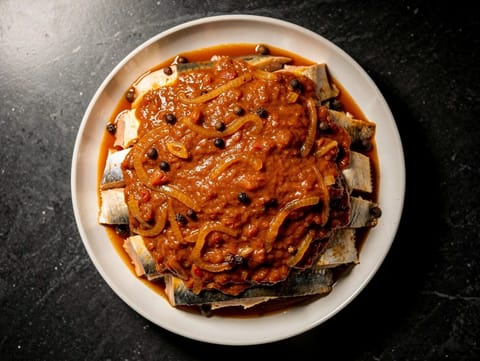
Pickled herring layered with tomato and onion sauce

Baked Polish white sausage with onion, garlic and marjoram
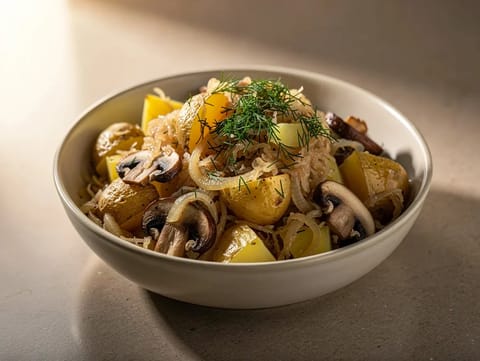
Potato bowl with mushrooms, sauerkraut, dill and sour cream
Cabbage is a cornerstone, used fresh, cooked down until sweet, or fermented as sauerkraut for a more assertive tang. Potatoes and flour appear in many forms, from dumpling doughs to pancakes and thickened soups. Mushrooms, especially dried ones, contribute a deep, woodland savouriness when soaked and simmered, and the soaking liquid is often treated like stock. Dairy is common, but it is usually added with care: sour cream stirred in at the end keeps its fresh tang, while boiling it hard can dull the flavour and risk splitting. Caraway, marjoram and bay are typical background notes rather than headline spices.
Soups are a natural entry point because they showcase the cuisine’s balance of savoury depth and acidity. Dumplings and filled doughs are another hallmark, whether boiled and served with buttered onions, or pan-fried after cooking for a crisp edge. You’ll also see braises and stews where onions are cooked until sweet, then combined with meat, cabbage or mushrooms and left to meld. Baked dishes often focus on a hearty filling and a simple topping, rather than elaborate pastry. If you want something lighter, look for recipes that lean on pickles, herbs and mustardy dressings to keep the palate awake.
To plan a Polish-style spread, browsing by Dish helps you move between soups, dumplings, stews and bakes without guessing. If you’re shopping first, Ingredients is useful for finding recipes that make the most of cabbage, potatoes, mushrooms or sour cream, which are often the backbone of the flavour.
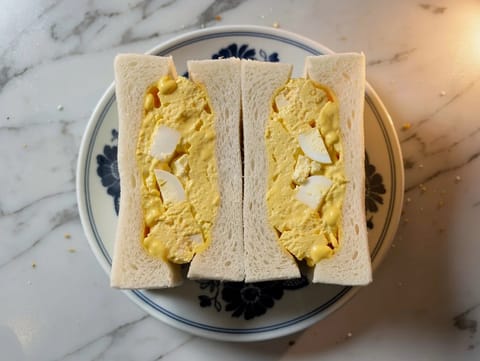
Japanese egg sandwich with creamy mayonnaise and mustard filling
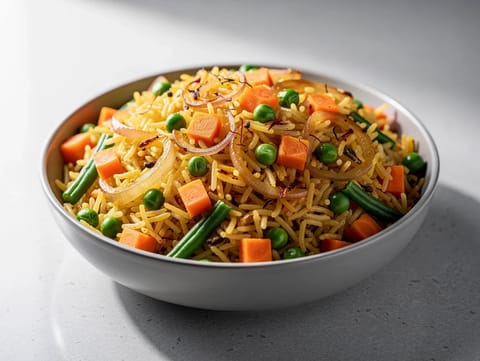
Vegetable pulao with basmati rice, ghee, saffron and spices

Grilled chicken bowl with jasmine rice, herbs and dressing
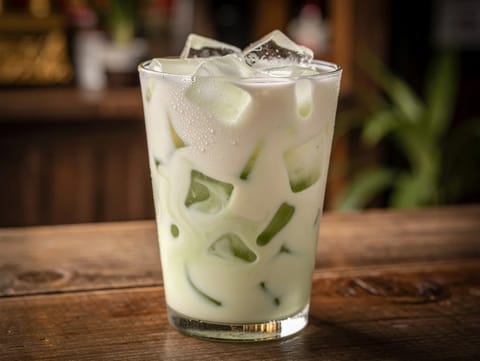
Creamy pandan iced milk sweetened with condensed milk

Silky baked caramel custard turned out with caramel sauce
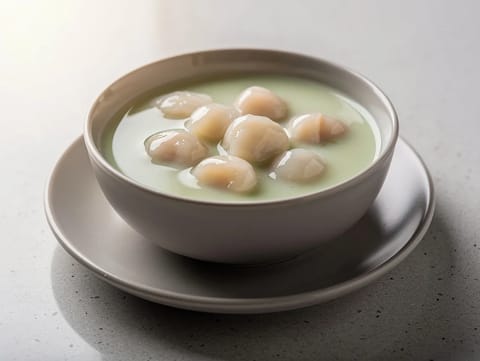
Thai rice dumplings served in warm pandan coconut milk
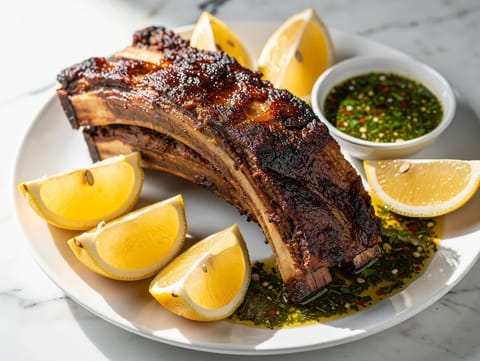
Slow grilled beef short ribs served with chimichurri
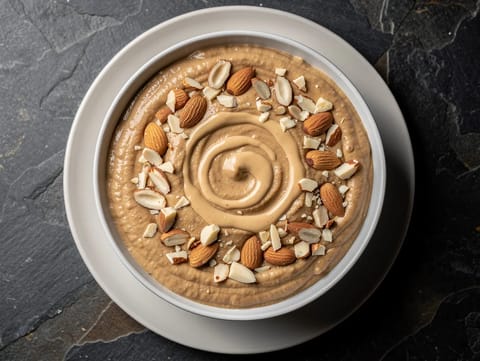
Date and tahini smoothie bowl with banana and yoghurt
No. While many traditional dishes include meat, there are also plenty of recipes built around cabbage, potatoes, mushrooms, grains and dairy. The overall style is more about hearty techniques than a single ingredient.
Often it’s the combination of savoury base flavours with a deliberate sour note, plus herbs such as marjoram and the use of mushrooms or fermented cabbage in some recipes.
Soups, stews and cabbage dishes often rely on gentle spices and slow-cooked onions. Given time, those flavours meld and the broth or sauce thickens slightly, which can make the dish taste more integrated.
Many cooks add it off the heat or temper it with a little hot liquid before stirring it in. Keeping the pot below a hard boil once it’s added also helps.
They provide acidity and crunch, which balances rich, starchy or buttery elements. Fermented cabbage also brings a deeper, more complex tang than a quick vinegar pickle.
When choosing Polish recipes, think in contrasts: a rich soup with something sharp on the side, dumplings with a crisp topping, or a braise balanced by pickles. That simple framework makes it easier to mix dishes while keeping the overall meal coherent.
