
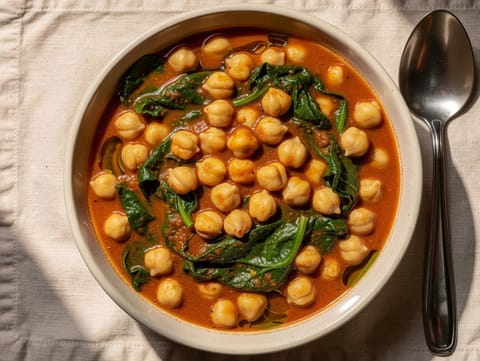
Garbanzos con Espinacas (Spanish Chickpeas with Spinach)
Spanish chickpea stew with spinach, cumin and paprika

Spanish cooking often starts with a few dependable flavour builders: olive oil, garlic, onions and tomatoes cooked down into a sweet, savoury base, then lifted with smoked paprika, saffron, herbs or a splash of sherry or vinegar. The cuisine comfortably spans small plates and substantial one-pan dishes, with plenty of room for both traditional classics and modern, lighter interpretations.
Use this page to choose Spanish-style recipes by the kind of dish you want to put on the table, from tapas-style bites to rice dishes and slow-cooked stews.
A Spanish label often signals Mediterranean ingredients and techniques, but it does not mean every dish is spicy, tomato-heavy or seafood-based. Some recipes are built around olive oil and garlic with very few other flavours; others rely on slow-cooked onion and tomato bases, cured meats, or seafood broths. You may also see Spanish-inspired recipes that borrow the flavour cues, such as smoked paprika or a tomato-onion sofrito, while using different vegetables or proteins. If you want a more traditional feel, look for recipes that pay attention to the base and the cooking fat, not just the garnish.
Spanish chickpea stew with spinach, cumin and paprika
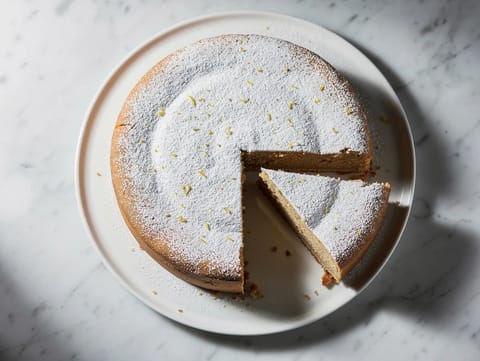
Spanish almond cake dusted with icing sugar
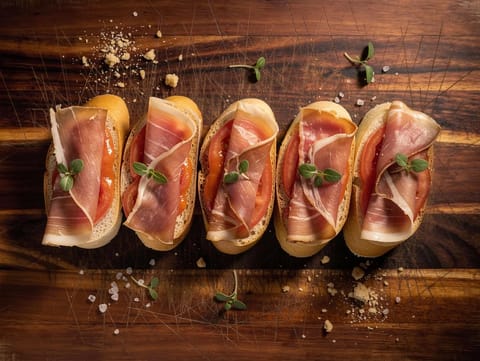
Toasted baguette with tomato, serrano ham and olive oil
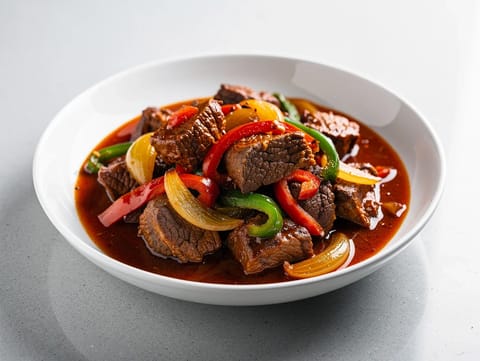
Spanish veal stew with Rioja wine and peppers
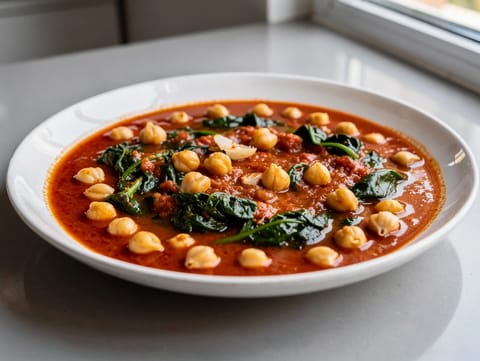
Spinach and chickpeas simmered with cumin, paprika and tomato
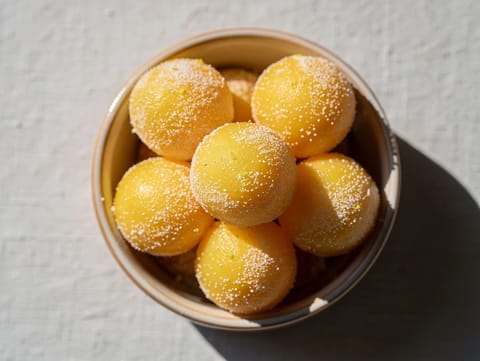
Egg yolk sweets shaped into balls and rolled in sugar
Spanish cooking offers clear, recognisable formats. Tapas-style dishes tend to be small, punchy and built for sharing, often relying on good ingredients and quick cooking. Tortilla-style dishes (such as Spanish omelette) are defined by texture: tender potatoes set in eggs, served warm or at room temperature. Rice dishes range from brothy to drier, and they depend on the right balance of liquid, heat and resting time for the grains to settle. Stews and braises often start with a cooked-down base and finish with a glossy, savoury sauce that clings rather than floods.
Quick-grilled lamb cutlets with garlic, smoked paprika, lemon and parsley
Spanish casserole of monkfish and prawns in saffron tomato sauce with roasted peppers
Whole trout stuffed with serrano ham, finished with lemon and white wine sauce
Salt-crusted sea bream cracked open and finished with olive oil, lemon and parsley
Paella de verduras with saffron rice, smoked paprika, artichokes, peppers and green beans
Arroz con bogavante is brothy rice simmered with lobster in saffron stock
Seared pork chops cooked with red peppers, tomato and Rioja wine sauce
Fideos noodles simmered with prawns, mussels, white fish and peas in saffron tomato broth
Segovian-style roast lamb with garlic, bay and white wine pan juices
Paella Valenciana with saffron rice, chicken, rabbit and green beans
Hearty caldo gallego with white beans, potatoes, greens, chorizo and pork belly
Catalan soup with pasta shells served in beef and chicken stock
Sofrito, a slow-cooked mixture of onion, garlic and often tomato, is a common backbone that gives sweetness and depth without needing many spices. Gentle frying in olive oil is used to soften aromatics and bloom paprika, but the timing matters: paprika can turn bitter if scorched, so it is often added off the highest heat. For stews and rice dishes, controlled simmering is key, because too vigorous a boil can break delicate ingredients or turn rice mushy. Many Spanish dishes taste best when allowed a short rest, which lets flavours settle and textures firm slightly.
Spain’s regional cuisines reflect geography: coastal areas often lean towards seafood and simple preparations that highlight freshness, while inland cooking may feature legumes, cured meats and slow-cooked dishes. The same named dish can vary by region and household, especially with rice dishes, stews and small plates. Modern Spanish cooking also plays with lighter techniques and seasonal vegetables while keeping familiar flavour cues such as olive oil, garlic and smoked paprika. Treat regional labels as helpful hints rather than strict rules, and let the method tell you whether a dish is meant to be bright and quick or deep and slow.
If you are planning a spread, browsing by Dish helps you gather tapas-style plates, rice dishes, stews and omelette-style recipes that sit naturally together. For a technique-led approach, Cooking method is useful when you are choosing between frying, braising, grilling or baking, which strongly affects the final texture.
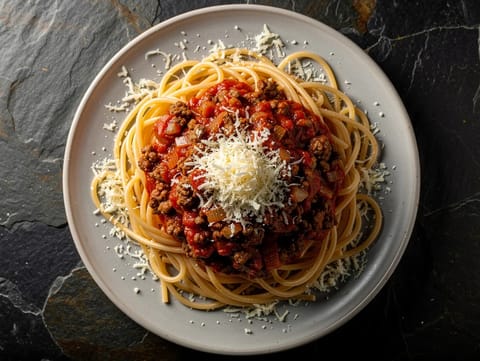
Greek spaghetti with minced beef, tomato and cinnamon
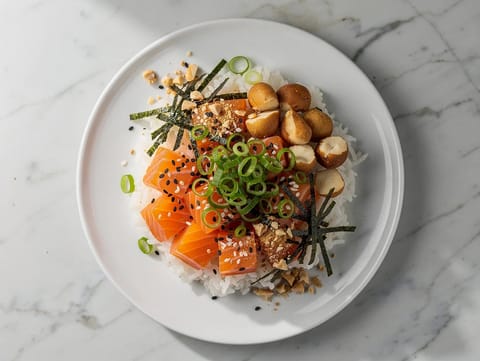
Hawaiian style salmon poke bowl with sushi rice and seaweed.
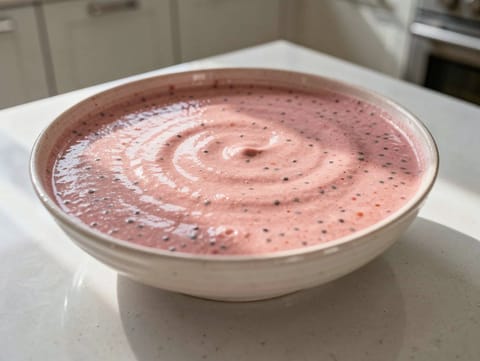
A thick strawberry smoothie bowl with yoghurt and chia seeds.
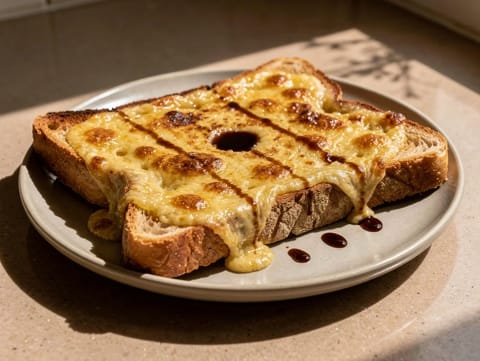
Sourdough topped with ale and mustard cheese sauce, grilled
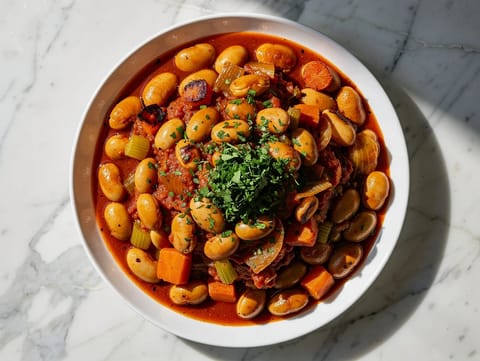
Greek baked giant beans in tomato and olive oil sauce

Tamarind iced tea with black tea and lime
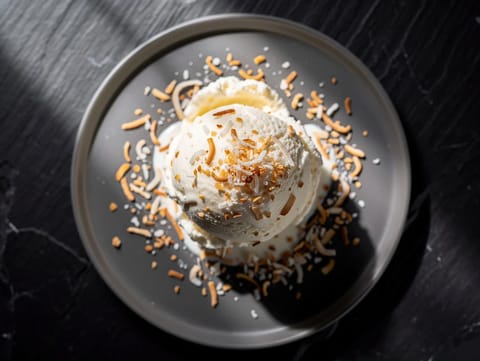
No-churn coconut ice cream made with double cream and coconut milk
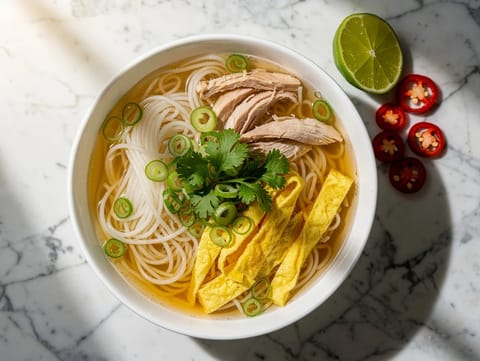
Clear chicken noodle soup with omelette, herbs and lime
No. Heat is not a defining feature in many Spanish dishes. Flavour often comes from olive oil, garlic, cooked tomatoes, smoked paprika, saffron and good stock rather than chilli heat.
Sofrito is a slowly cooked base of aromatics, often onion, garlic and tomato. Cooking it gently develops sweetness and depth, giving a dish a savoury backbone without needing a long list of spices.
They are cooked with flavoured liquid and often include a cooked base such as sofrito. The texture goal varies, from brothy to more set, and the cooking method is designed to absorb flavour rather than drain it away.
They can. A satisfying spread usually balances a few richer items with something sharp or fresh, and includes at least one more substantial dish such as potatoes, eggs, legumes or rice.
They often keep the flavour cues, such as olive oil, garlic and smoked paprika, but adapt ingredients and formats to what is available. The result can still taste distinctly Spanish in style, even if it is not tied to a specific regional dish.
Spanish-style cooking is easiest to choose by dish family: a few tapas plates, a rice dish, a tortilla-style omelette, or a slow-cooked stew. Once you pick the format, focus on the base flavours and the cooking heat, as that is where the character comes from.
