

Thai Iced Coffee
Thai iced coffee served over ice with condensed milk

Thai food is often described through balance: salty, sour, sweet and heat working together rather than competing. That idea shows up across a wide range of dishes, from coconut-based curries and clear soups to pounded salads and quick stir-fries. What changes most from recipe to recipe is the aromatic base and the way freshness is handled, whether that means herbs folded in at the end, lime squeezed at the table, or a crisp garnish that keeps a rich sauce feeling light.
Look first for the aromatic foundation. Many Thai dishes begin with a paste or pounded mixture built from alliums and fragrant roots, then finished with herbs and sharpness. Coconut milk may appear, but it is not a requirement; plenty of Thai cooking is clear, brothy, or dry-fried. Another clue is the way seasoning is layered: a sauce can taste rounded even when it is quite punchy, because sweetness and acidity are used as tools, not afterthoughts. If a recipe asks you to taste and adjust near the end, that is often a sign it is aiming for a Thai balance rather than a fixed, one-note heat level.
Thai iced coffee served over ice with condensed milk
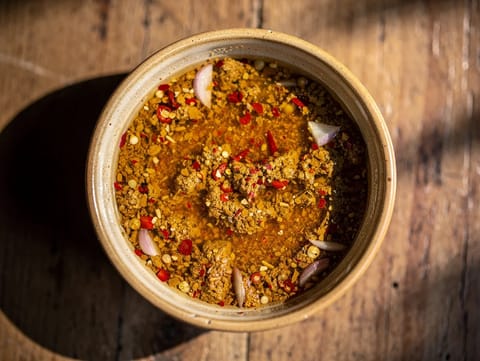
Spicy Thai dipping sauce with lime, tamarind and toasted rice powder
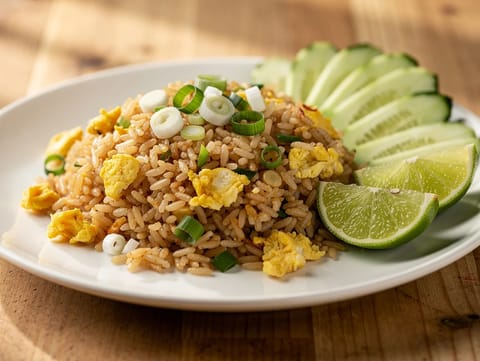
Thai fried rice with egg, garlic and lime
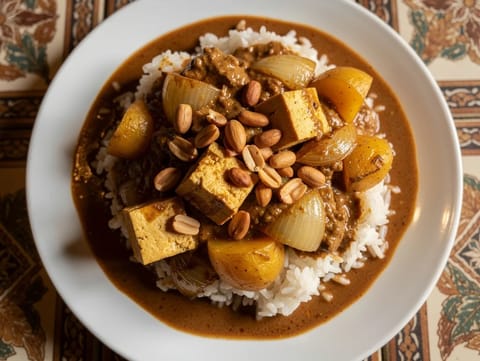
Vegan Massaman tofu curry with potatoes, coconut milk and peanuts
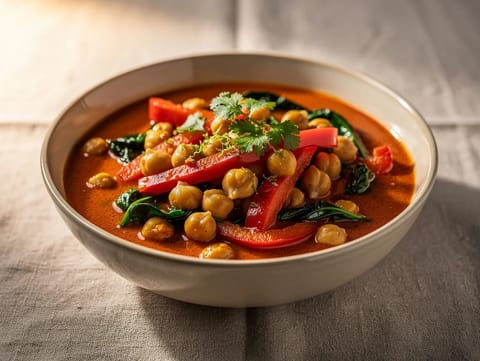
Coconut chickpea curry with spinach, lime and coriander

Strong iced tea topped with sweetened condensed milk
Thai flavour is frequently built from ingredients that behave differently depending on when you add them. Aromatics such as garlic, shallot and ginger-like roots are usually cooked early to soften their raw edge. Lemongrass, kaffir lime leaves and galangal are often used more like bay leaves, to perfume a broth or curry and then be left aside. Fish sauce and shrimp paste contribute depth and salinity, while tamarind, lime and sometimes vinegar bring sourness that cuts through oil and coconut. Fresh herbs such as coriander and Thai basil are typically added late so they stay bright. Chillies vary widely in heat, so the quantity is often the easiest dial to turn without changing the dish’s character.
Vegan Massaman tofu curry with potatoes, coconut milk and peanuts
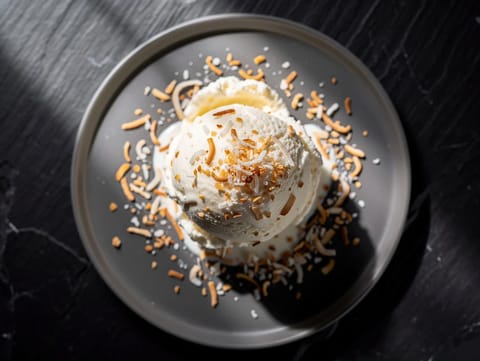
No-churn coconut ice cream made with double cream and coconut milk
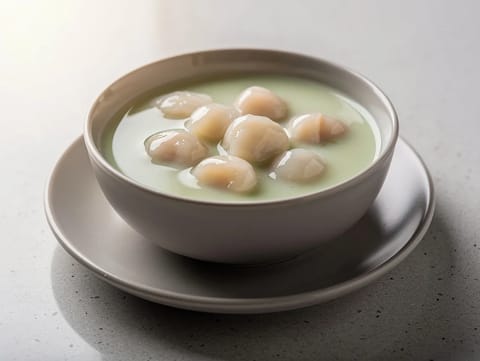
Thai rice dumplings served in warm pandan coconut milk
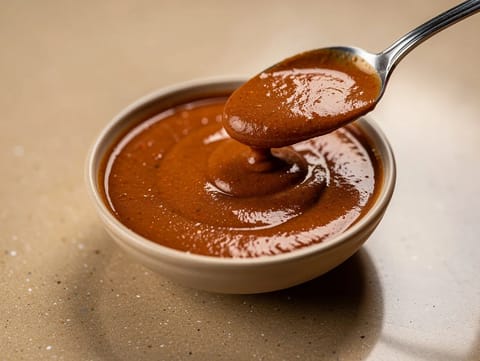
Thai-style peanut sauce with coconut milk, red curry paste and lime
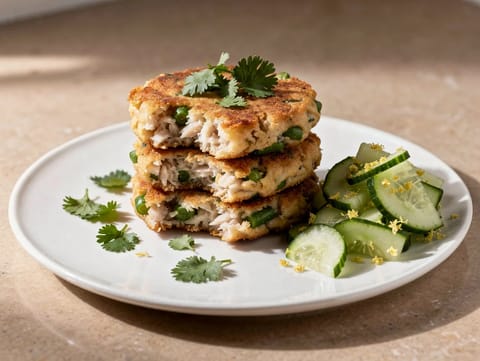
Air fryer Thai fish cakes with red curry paste and cucumber.
Coconut chickpea curry with spinach, lime and coriander
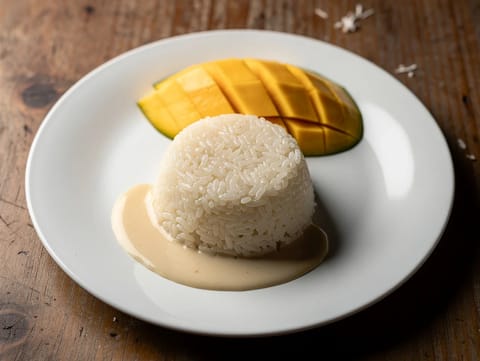
Sticky coconut rice served with ripe mango
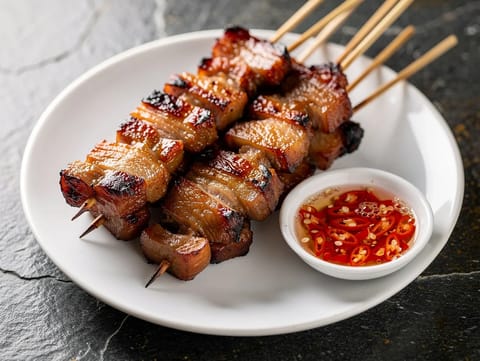
Thai grilled pork skewers marinated with coconut milk and fish sauce
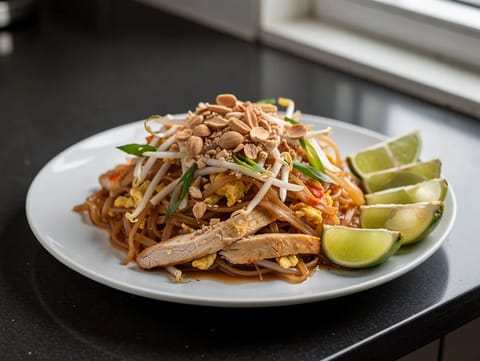
Chicken Pad Thai with tamarind sauce, peanuts, bean sprouts and lime
Thai iced coffee served over ice with condensed milk
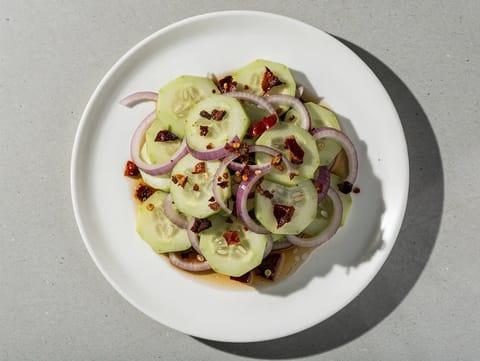
Thai cucumber relish with red onion and chilli in sweet-sour dressing
Spicy Thai dipping sauce with lime, tamarind and toasted rice powder
A lot of Thai cooking is about managing intensity. Curry pastes and spice bases are often fried briefly to drive off raw aromas and bloom fat-soluble flavours before liquids go in. Stir-fries tend to be fast and hot, with sauces added at the end so they cling rather than boil away. Soups and broths often rely on gentle simmering to extract fragrance without turning herbs bitter. Finishing is not decoration: a squeeze of lime, a handful of herbs, or a crunchy topping can be what makes a rich dish feel balanced. When a recipe includes both cooked and raw elements, keep them separate until serving so the textures stay distinct.
Thai cuisine is not one uniform style. Central Thai cooking is often described as balanced and refined, while the north is known for different herb mixes and a preference for less coconut-rich dishes. In the north-east (Isan), you commonly see bold sourness, toasted rice powder and punchy salads, and in the south, stronger spice and coconut can play a bigger role. Many dishes also travel across borders and communities, so you may see variations that reflect local ingredients and family practice as much as geography. When browsing, it helps to treat dish names as starting points: the same name can signal a method or flavour direction rather than a single fixed recipe.
If you know the dish format you’re after, browsing by Dish helps you decide between curries, soups, noodles, salads and stir-fries, which often have very different workflows. For a more technique-led approach, Cooking method is useful for separating quick wok cooking from simmered curries and broths, or from pounded salads and relishes where freshness is the point.
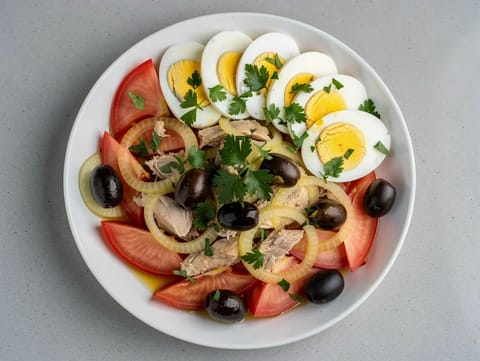
Murcian tomato salad with salt cod and olives

Caramel chocoflan with vanilla flan and chocolate sponge
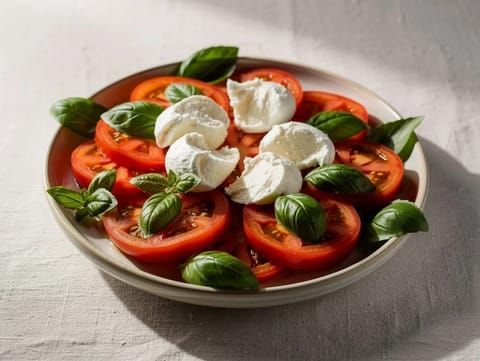
Tomato and burrata salad with basil, olive oil and balsamic
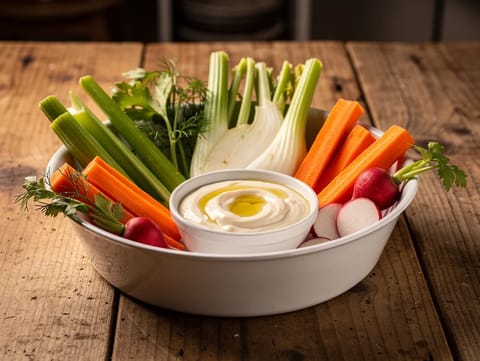
Raw vegetables served with warm anchovy and garlic bagna cauda
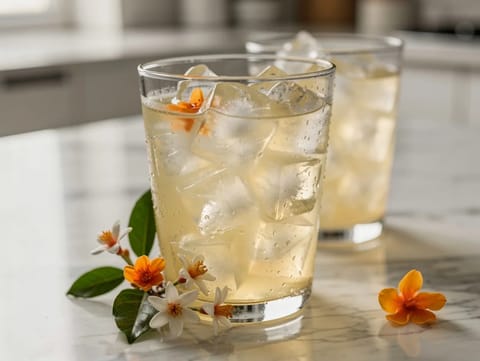
Chilled lemonade scented with orange blossom water
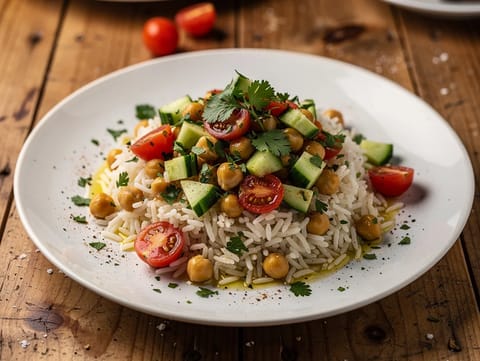
Basmati rice bowl with chickpeas, cucumber and fresh herbs
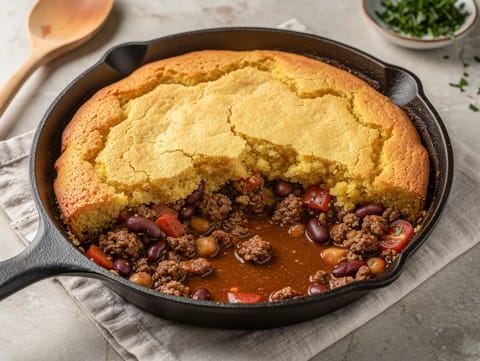
Beef and bean chilli baked under a golden cornbread topping
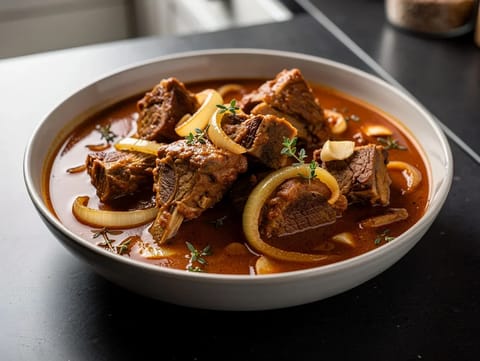
Slow-cooked curry goat with allspice and Scotch bonnet
Not necessarily. Chillies are common, but heat is only one part of the overall balance. Many Thai-style dishes can be made milder while keeping their sour-salty-sweet structure intact.
No. Coconut milk is typical in many well-known curries, but Thai cooking also includes clear, aromatic broths and drier curry styles where the paste is fried and coated rather than diluted.
A paste is usually a wet blend of aromatics, chillies and seasonings that’s cooked in oil to form the base of a sauce. Curry powder is a dry spice mix and behaves differently, especially in texture and freshness.
Often you can, especially for finishing acidity, though the aroma will be different. If the recipe relies on lime for its distinctive fragrance, consider using a little zest as well as juice.
Fresh herbs lose their brightness with prolonged heat. Adding them late keeps the flavour vivid and stops the dish tasting flat, particularly in soups and coconut-based sauces.
It brings savoury depth and a fermented complexity that’s hard to replicate with plain salt. In many dishes it functions like seasoning and stock concentrate at the same time.
Thai recipes reward small adjustments at the end: a little more lime, a touch of sweetness, or an extra spoon of sauce can bring the whole dish into balance. Choose a dish style first, then pay attention to the aromatic base and the finishing elements, and you’ll have a clear sense of what makes it Thai in spirit.
