
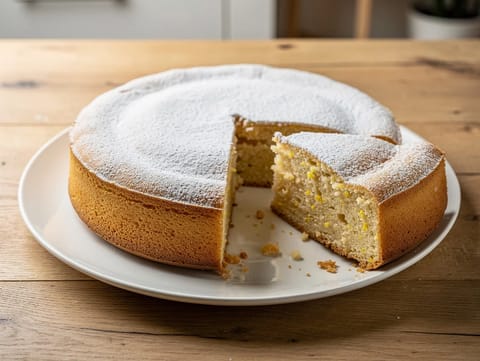
Gluten-Free Torta di Mandorle (Italian Almond Cake)
Gluten-free almond cake with lemon zest and icing sugar
Gluten-free cooking hinges on one practical fact: gluten is a structure-builder. In bread and many baked goods it provides stretch and lift, and in everyday cooking it often appears as a thickener in flour-dusted meats, gravies and some sauces. Choosing gluten-free recipes is therefore partly about avoiding certain grains, and partly about picking the right alternative for the job, whether you need a crisp coating, a tender cake crumb or a glossy sauce.
Gluten-free recipes avoid gluten-containing grains, most notably wheat, barley and rye. That affects obvious foods such as bread, pasta and many cakes, but it also matters for everyday cooking where flour is used for dredging, thickening or binding.
Gluten-free does not automatically mean grain-free, low-carb or allergen-free. Many gluten-free dishes use rice, maize (corn), potatoes, buckwheat or other naturally gluten-free starches. It also does not guarantee that a recipe is suitable for coeliac disease or severe wheat allergy without careful ingredient and cross-contact checks, because gluten can enter through packaged products or shared equipment.
Gluten-free almond cake with lemon zest and icing sugar
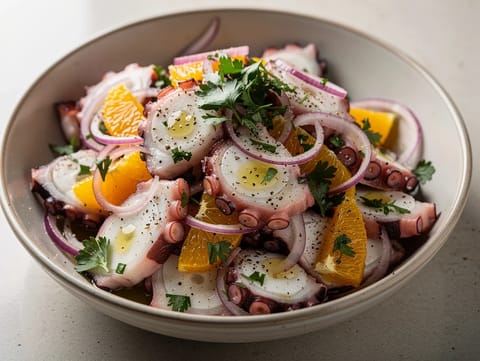
Chilled octopus salad with orange, lemon and parsley
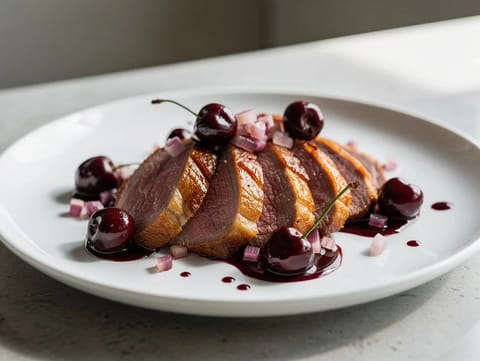
Pan-seared duck breast served with cherry and red wine sauce
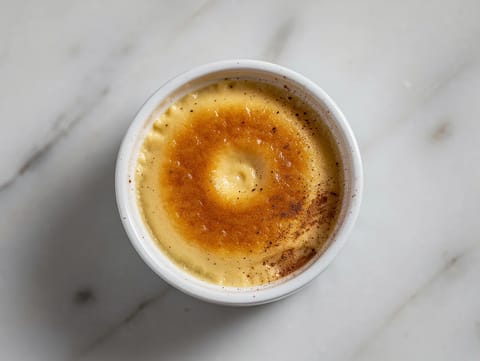
Chilean baked milk custard with a caramelised browned top

Chilled German red berry pudding thickened with cornflour
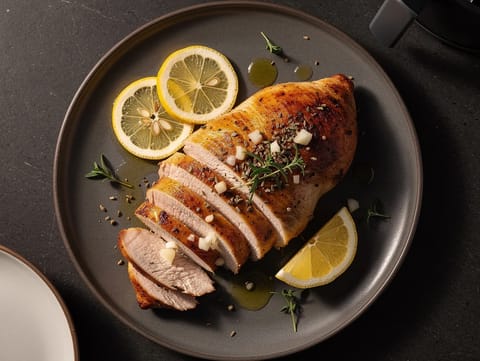
Air fried chicken breasts with herbs, garlic and lemon.
For thickening sauces and gravies, starches such as cornflour (cornstarch), potato starch or arrowroot can work well, but they behave differently from wheat flour. They tend to thicken quickly and can turn glossy; they also do not like prolonged boiling, which can thin a sauce again.
For coatings, a gluten-free breadcrumb or a mix of fine cornmeal and spices can give crunch, while rice flour often fries up particularly crisp. For baking, the biggest shift is that gluten-free batters and doughs usually need a blend of flours and starches to balance tenderness with structure. Some recipes also use binders such as eggs or plant-based gums to help hold shape. Follow the recipe’s flour choices closely until you know how a particular blend behaves in your kitchen.
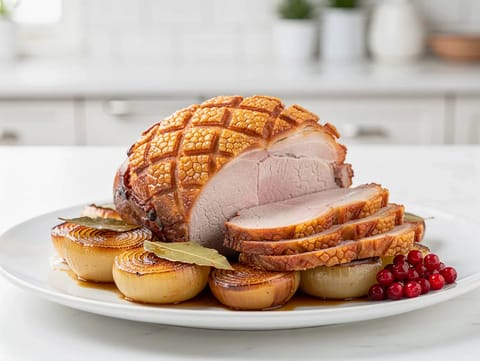
Nordic pork roast with crisp crackling and bay leaves
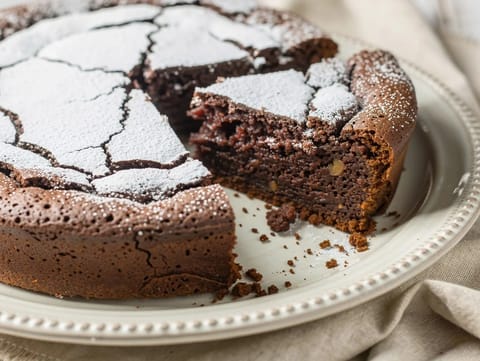
Flourless chocolate and almond cake with a fudgy centre

Rosé wine spritzer with sparkling water, ice and lemon
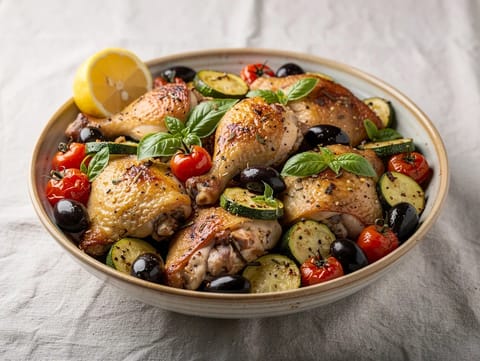
Herbed chicken bowl with courgette, tomatoes and black olives
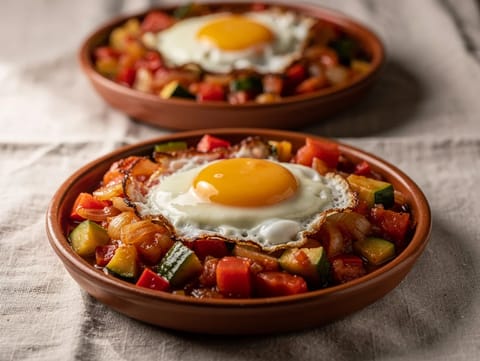
Spanish pisto stew topped with a fried egg
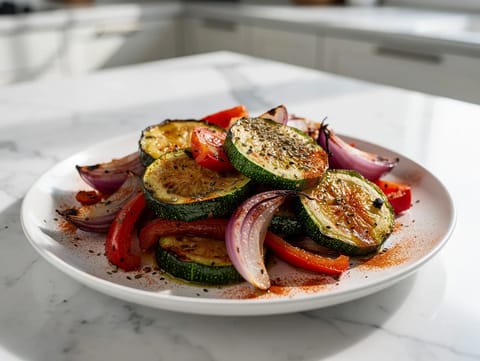
Air-fried courgette, pepper and onion with smoky oregano seasoning.
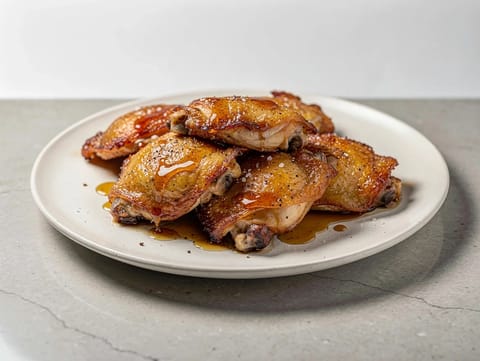
Crisp air-fried chicken drizzled with hot honey sauce.
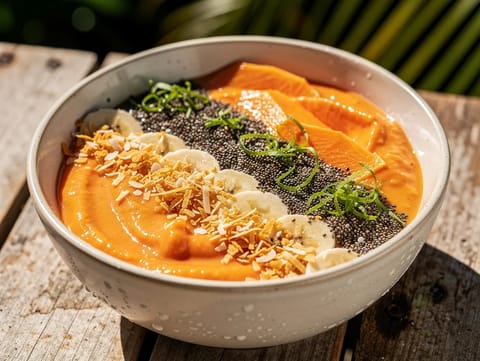
Papaya smoothie bowl with coconut milk and fresh lime.
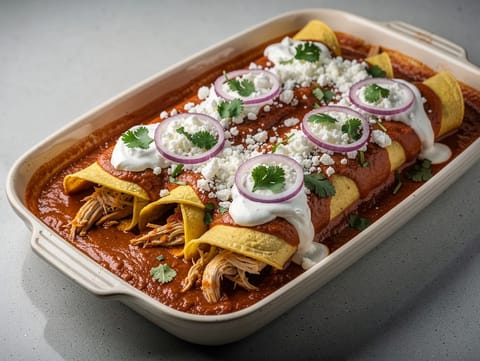
Red chilli chicken enchiladas topped with crema and queso fresco
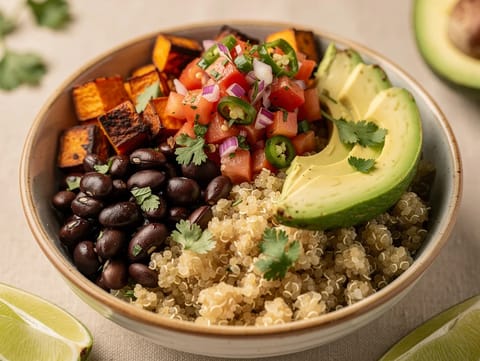
Quinoa bowl with black beans, sweet potato, avocado and lime
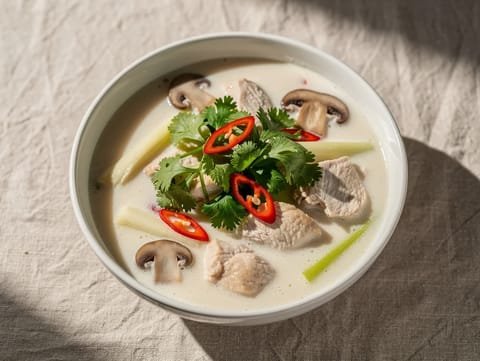
Thai coconut soup with chicken, galangal and mushrooms
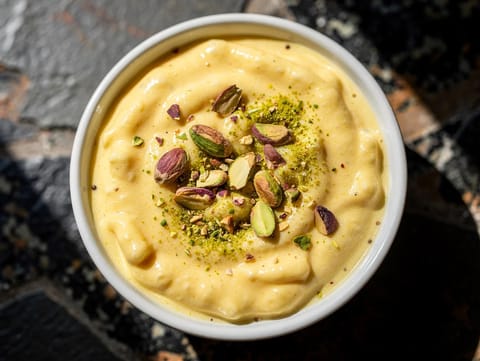
Thickened sweetened milk dessert with cardamom, saffron and pistachios
If you are avoiding gluten for allergy or medical reasons, treat labels as part of the recipe. Gluten can appear in soy sauce, stock cubes, spice blends, processed meats, confectionery and some vinegars or flavourings, depending on brand and processing.
Cross-contact is also a real consideration: shared toasters, chopping boards, sieves and flour dust in a kitchen can be enough to cause problems for some people. “Gluten-free” as a browsing label is helpful for narrowing choices, but it cannot replace checking packaged ingredients and your own risk threshold.
The Allergens categories are a sensible next step when gluten avoidance overlaps with wheat allergy or when you are cooking for someone who needs stricter cross-contact awareness. Ingredient pages can also help when you are choosing between gluten-free flours, noodles and sauces, because the best option depends on whether you are baking, thickening or aiming for a crisp coating.
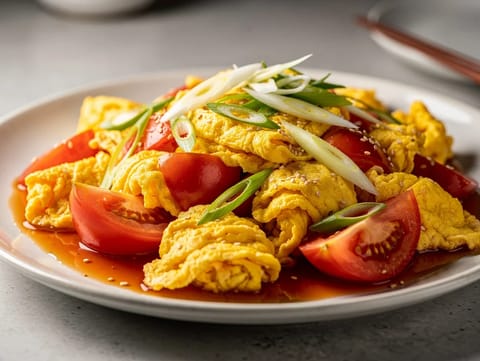
Soft eggs stir-fried with juicy tomatoes and spring onions
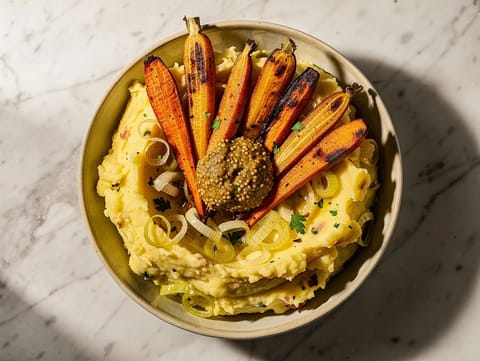
Leek mash topped with roasted carrots and parsnips
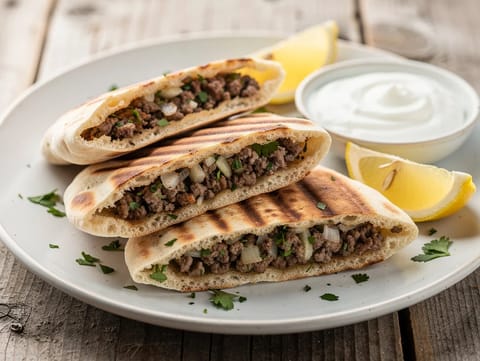
Grilled pittas stuffed with spiced minced lamb and onion
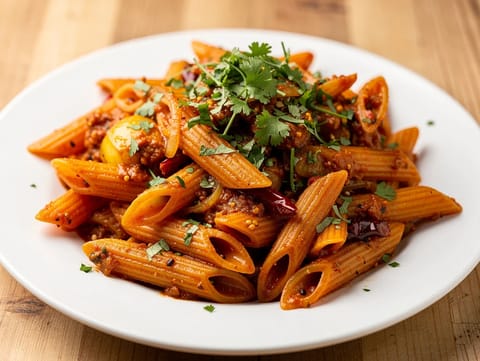
Penne in spiced tomato masala with garam masala
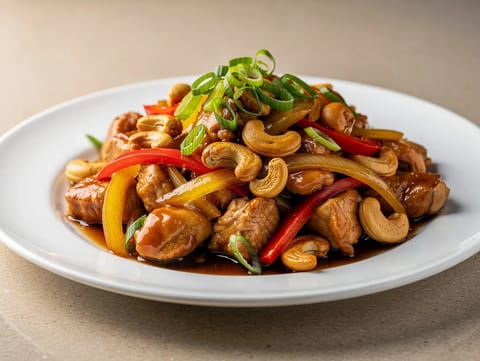
Thai chicken stir-fry with cashews, peppers and oyster sauce
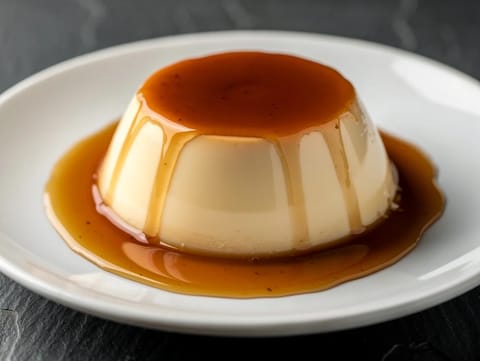
Silky baked caramel custard turned out with caramel sauce
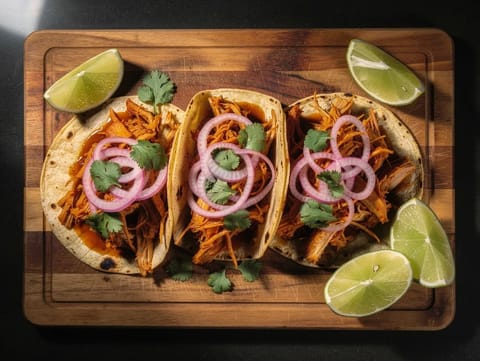
Yucatán slow-roasted pork served in corn tortillas with pickled onions
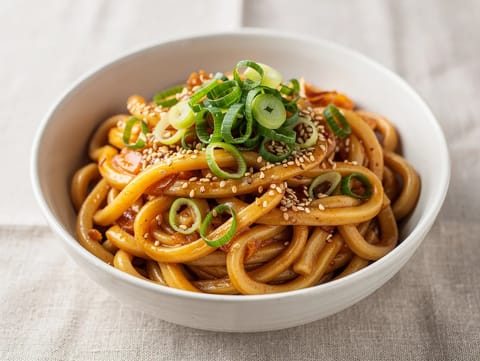
Udon noodles in a spicy miso sauce with spring onion
No. Wheat is the most common, but barley and rye also contain gluten. Some products may also be contaminated during processing even if the main ingredient is naturally gluten-free.
Oats do not contain gluten in the same way as wheat, but they are often processed alongside gluten-containing grains. Some people choose oats specifically labelled gluten-free, depending on their needs.
Without gluten’s elasticity, baked goods can lose structure and moisture more quickly. Recipes often compensate with different flour blends, added starches, eggs or other binders, and careful mixing and baking times.
Often yes, but use a slurry and add it towards the end. Cornflour thickens quickly and can become stringy or thin out if boiled hard for too long.
Many soy sauces contain wheat. Look for a gluten-free version if you need to avoid gluten.
Not necessarily. Many gluten-free staples are rice- or potato-based and can be similar in carbohydrate content to wheat-based versions.
When you choose gluten-free recipes, pay attention to where gluten would normally provide structure or thickening, then pick substitutes that suit that specific job. A quick label check on sauces, stocks and seasonings prevents most last-minute disappointments.
