
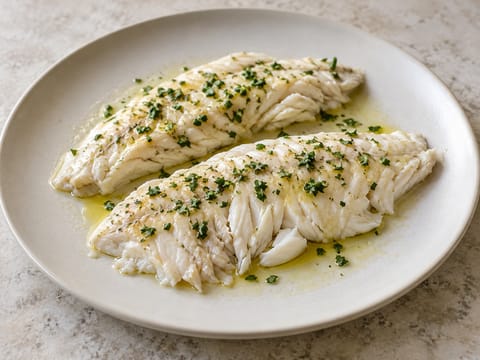
Branzino al Sale (Salt-Crusted Sea Bass)
Whole sea bass baked in a salt crust with lemon
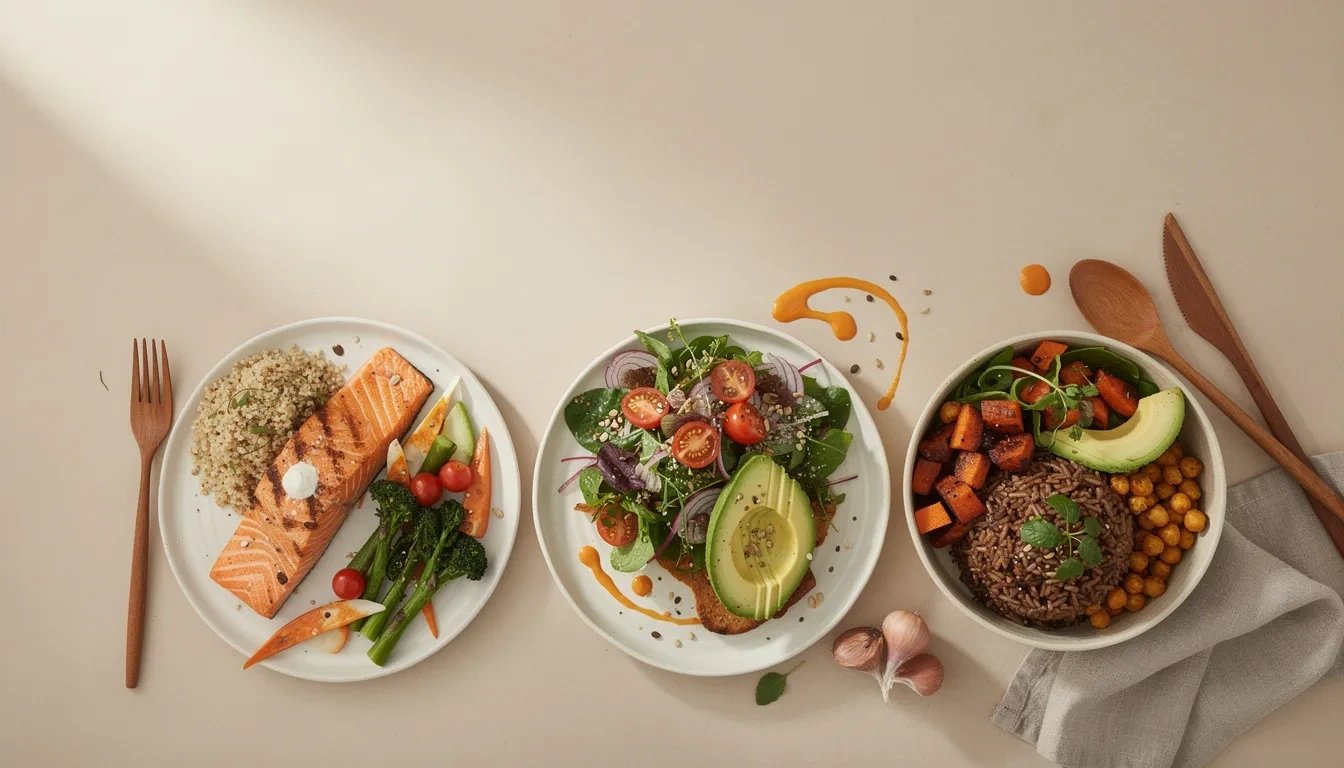
Gluten-free cooking hinges on one practical fact: gluten is a structure-builder. In bread and many baked goods it provides stretch and lift, and in everyday cooking it often appears as a thickener in flour-dusted meats, gravies and some sauces. Choosing gluten-free recipes is therefore partly about avoiding certain grains, and partly about picking the right alternative for the job, whether you need a crisp coating, a tender cake crumb or a glossy sauce.
Gluten-free recipes avoid gluten-containing grains, most notably wheat, barley and rye. That affects obvious foods such as bread, pasta and many cakes, but it also matters for everyday cooking where flour is used for dredging, thickening or binding.
Gluten-free does not automatically mean grain-free, low-carb or allergen-free. Many gluten-free dishes use rice, maize (corn), potatoes, buckwheat or other naturally gluten-free starches. It also does not guarantee that a recipe is suitable for coeliac disease or severe wheat allergy without careful ingredient and cross-contact checks, because gluten can enter through packaged products or shared equipment.
Whole sea bass baked in a salt crust with lemon
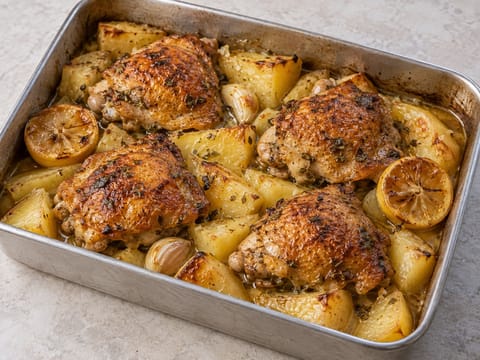
Greek lemon roast chicken with potatoes
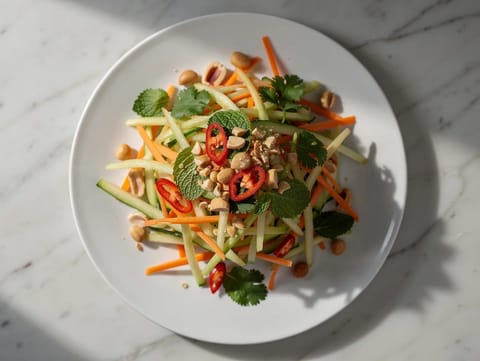
Green mango salad with herbs, chilli and peanuts
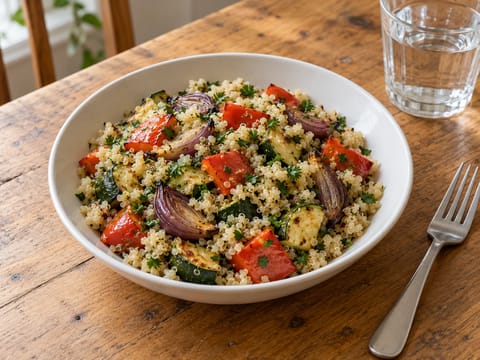
Quinoa salad with roasted courgette, pepper and onion
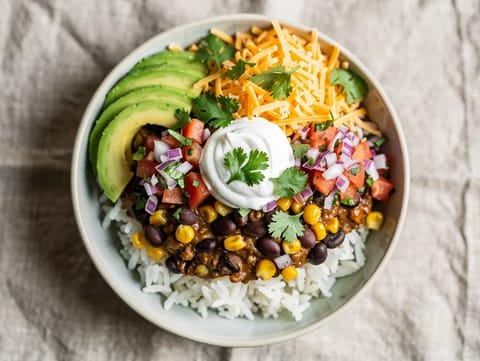
Lime rice burrito bowl with black beans, salsa and avocado
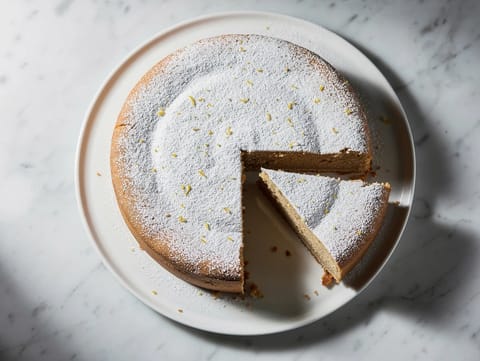
Spanish almond cake dusted with icing sugar
For thickening sauces and gravies, starches such as cornflour (cornstarch), potato starch or arrowroot can work well, but they behave differently from wheat flour. They tend to thicken quickly and can turn glossy; they also do not like prolonged boiling, which can thin a sauce again.
For coatings, a gluten-free breadcrumb or a mix of fine cornmeal and spices can give crunch, while rice flour often fries up particularly crisp. For baking, the biggest shift is that gluten-free batters and doughs usually need a blend of flours and starches to balance tenderness with structure. Some recipes also use binders such as eggs or plant-based gums to help hold shape. Follow the recipe’s flour choices closely until you know how a particular blend behaves in your kitchen.
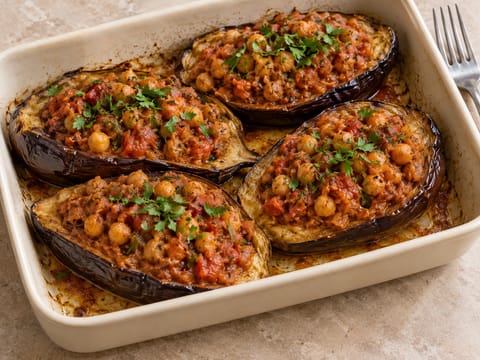
Roasted aubergines stuffed with spiced chickpeas in tomato sauce
Greek lemon roast chicken with potatoes
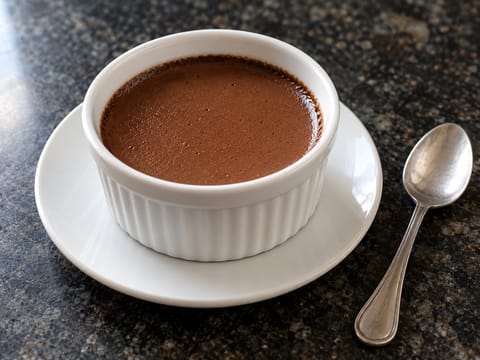
Silky baked chocolate custards chilled until spoonable
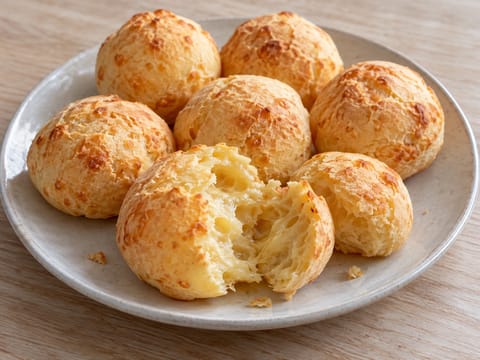
Brazilian cheese breads with tapioca starch and grated cheese
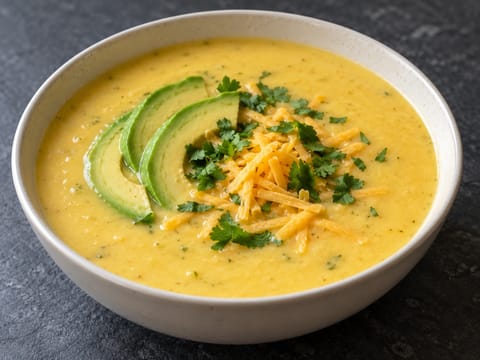
Creamy potato and cheese soup topped with avocado and coriander
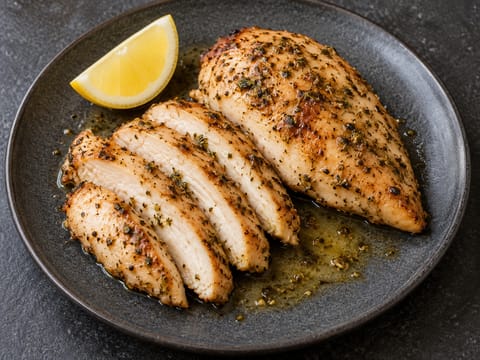
Air fried chicken breasts with herbs, garlic and lemon.
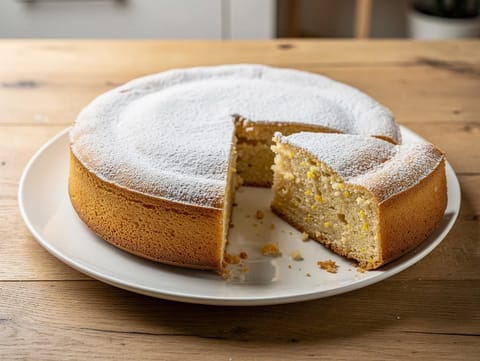
Gluten-free almond cake with lemon zest and icing sugar
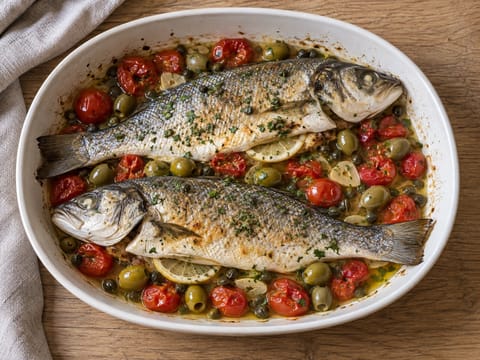
Baked sea bass with olives, capers and cherry tomatoes
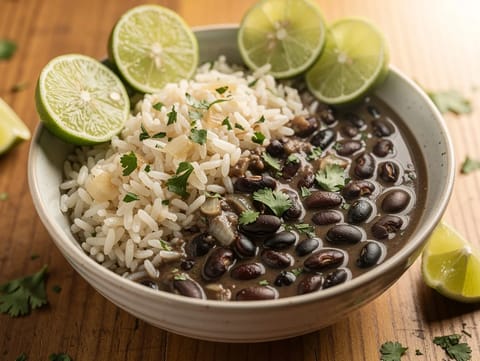
Rice with creamy black beans, lime and coriander
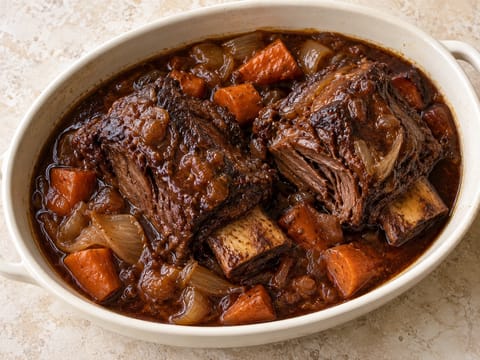
Slow-cooked beef short ribs in red wine sauce
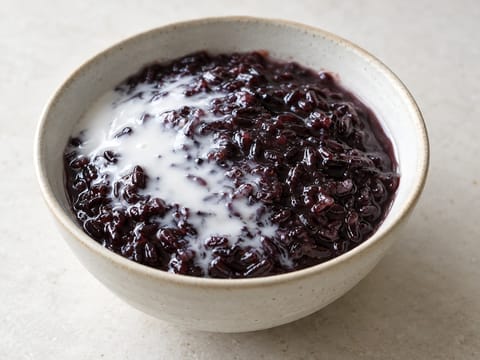
Thai black sticky rice cooked with coconut milk and palm sugar
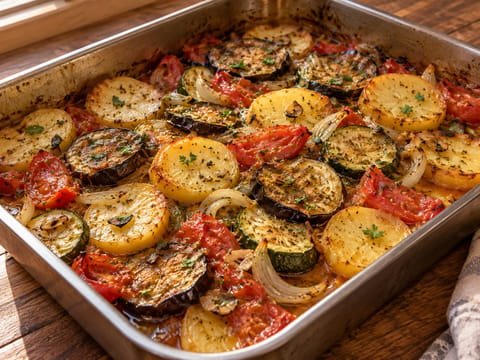
Greek olive oil roasted vegetable traybake
If you are avoiding gluten for allergy or medical reasons, treat labels as part of the recipe. Gluten can appear in soy sauce, stock cubes, spice blends, processed meats, confectionery and some vinegars or flavourings, depending on brand and processing.
Cross-contact is also a real consideration: shared toasters, chopping boards, sieves and flour dust in a kitchen can be enough to cause problems for some people. “Gluten-free” as a browsing label is helpful for narrowing choices, but it cannot replace checking packaged ingredients and your own risk threshold.
The Allergens categories are a sensible next step when gluten avoidance overlaps with wheat allergy or when you are cooking for someone who needs stricter cross-contact awareness. Ingredient pages can also help when you are choosing between gluten-free flours, noodles and sauces, because the best option depends on whether you are baking, thickening or aiming for a crisp coating.
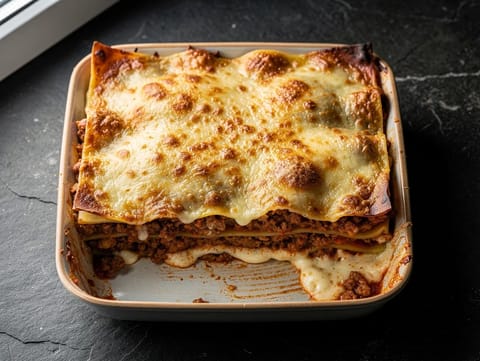
Baked lasagne layered with beef ragù and béchamel
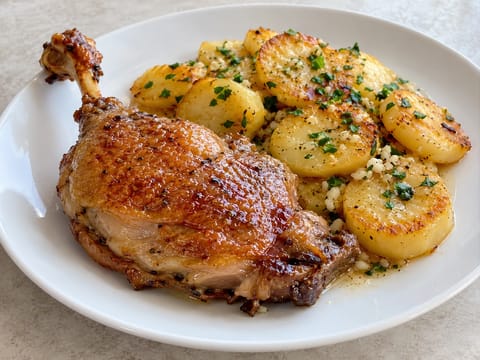
Crisp duck confit with duck fat potatoes, garlic and parsley
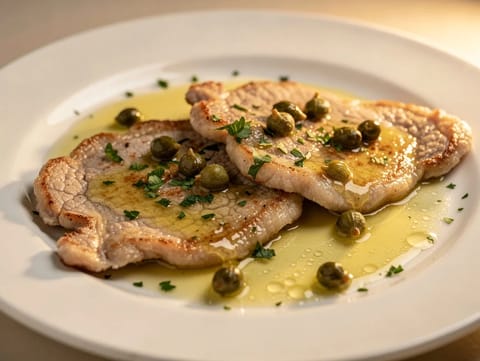
Pan-fried veal in a lemon, white wine and caper sauce
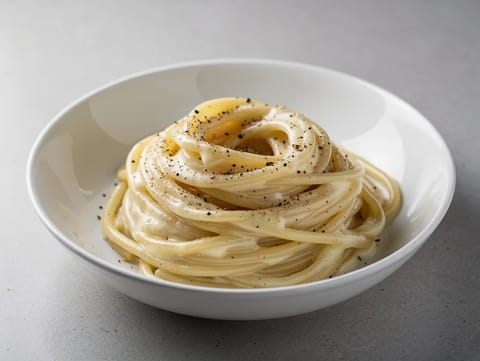
Roman spaghetti with Pecorino Romano and black pepper

Fish-shaped cakes with sweet red bean paste filling
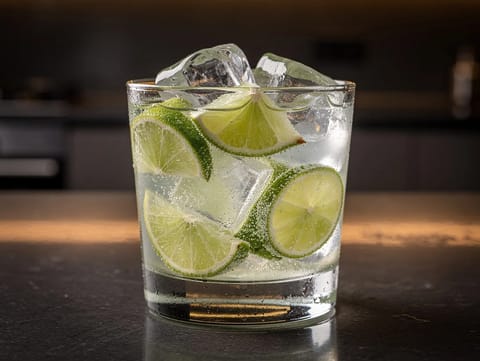
Caipirinha with muddled lime, caster sugar, cachaça and ice
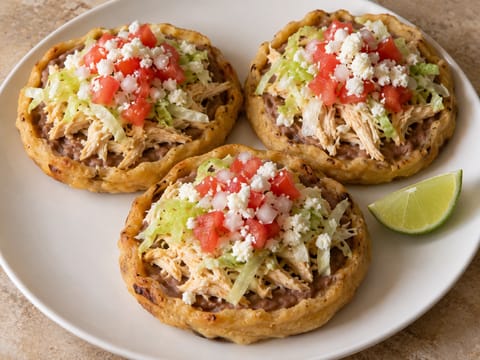
Thick sopes topped with beans, chicken, lettuce and salsa
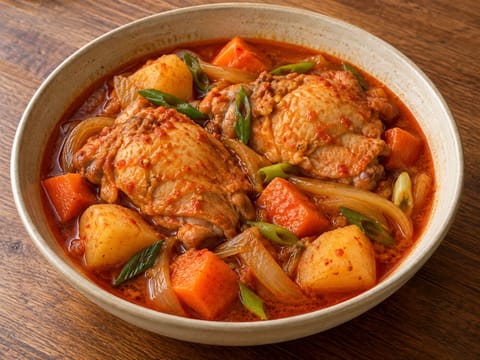
Spicy Korean chicken stew with potatoes, carrots and spring onion
No. Wheat is the most common, but barley and rye also contain gluten. Some products may also be contaminated during processing even if the main ingredient is naturally gluten-free.
Oats do not contain gluten in the same way as wheat, but they are often processed alongside gluten-containing grains. Some people choose oats specifically labelled gluten-free, depending on their needs.
Without gluten’s elasticity, baked goods can lose structure and moisture more quickly. Recipes often compensate with different flour blends, added starches, eggs or other binders, and careful mixing and baking times.
Often yes, but use a slurry and add it towards the end. Cornflour thickens quickly and can become stringy or thin out if boiled hard for too long.
Many soy sauces contain wheat. Look for a gluten-free version if you need to avoid gluten.
Not necessarily. Many gluten-free staples are rice- or potato-based and can be similar in carbohydrate content to wheat-based versions.
When you choose gluten-free recipes, pay attention to where gluten would normally provide structure or thickening, then pick substitutes that suit that specific job. A quick label check on sauces, stocks and seasonings prevents most last-minute disappointments.
