
Costolette d’Agnello alla Scottadito (Roman-Style Grilled Lamb Chops)
High-heat grilled lamb chops seasoned with olive oil, garlic, rosemary and lemon
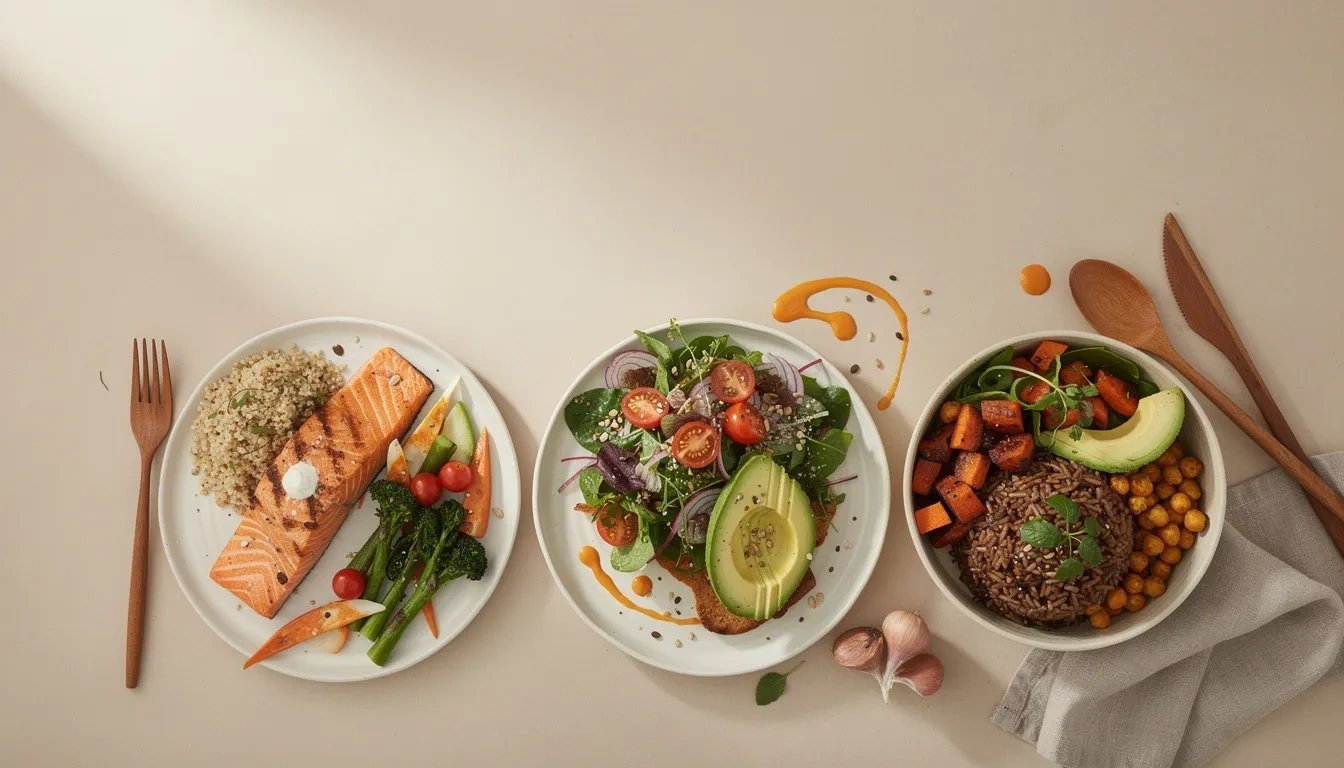
Low-carb cooking is often more flexible than it sounds. Rather than a single strict rule, it usually means shifting the balance of a plate away from sugars and starches and towards proteins, vegetables and fats. The practical skill is knowing which ingredients carry most of the carbohydrate load, and which swaps keep a dish satisfying without turning it into something else entirely. This page outlines the boundaries of “low carb”, plus the label checks and substitutions that make it easier to cook day to day.
Low carb generally means recipes that limit carbohydrate-rich ingredients such as sugar, grains and many starchy foods. Unlike keto, low carb is not always defined by a single threshold, so the same dish might feel low carb to one cook and not to another depending on portion size and what else is served alongside.
In recipe terms, low-carb dishes often centre on proteins and vegetables, with carbohydrates used more sparingly. That might look like a salad that is built around chicken or chickpeas rather than croutons, or a stir-fry where vegetables take the place of noodles. The most useful way to interpret the label is as a pattern: fewer refined carbs, fewer sweetened sauces, and more reliance on savoury ingredients for bulk and flavour.
High-heat grilled lamb chops seasoned with olive oil, garlic, rosemary and lemon
Baked stuffed peppers filled with sautéed ribeye, onions and melted provolone
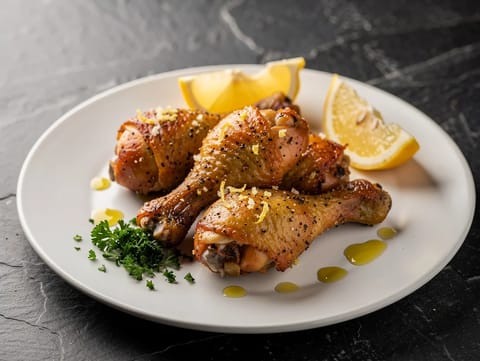
Crisp air fryer chicken drumsticks with lemon and black pepper.
Air-fried whole chicken with olive oil, garlic, paprika and lemon.
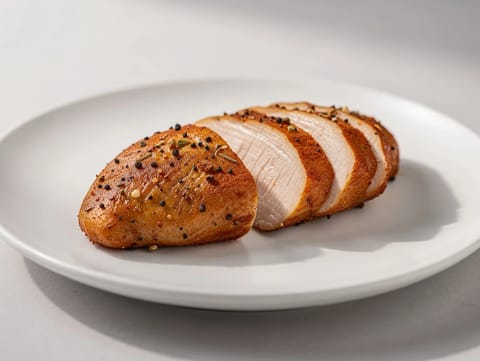
Juicy air fryer chicken breast with smoky paprika seasoning.
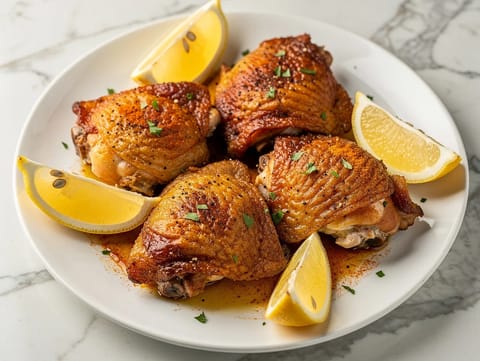
Chicken thighs air-fried with garlic and paprika until browned.
Some low-carb recipes are “swap” recipes, where a familiar format is kept but the starch changes. Examples include using cauliflower rice, courgette noodles, or lettuce wraps. These swaps work best when you manage moisture: vegetables release water, so high heat, good draining and bold seasoning help keep flavours concentrated.
Other low-carb recipes are naturally low in starch from the start, such as grilled fish with a punchy salsa, roasted vegetables with a tahini dressing, or egg-based dishes where the structure comes from the eggs rather than flour.
If you want low carb without feeling deprived, look for recipes that build satisfaction through texture: crisp edges from roasting, creamy elements from emulsified dressings, and plenty of herbs, spices and acidity to keep the palate interested.
Low carb poke bowl with prawns, salad leaves, avocado and radishes.
Golden pork chops with a reduced apple cider glaze, Dijon mustard and thyme
Crisp-edged pork belly wrapped in lettuce with garlic and ssamjang dipping sauce
Chicken breast is air-fried with garlic, herbs, olive oil and lemon.
Juicy pork loin roasted with fennel seeds and rosemary, served with white wine pan juices
Juicy grilled ribeye steak finished with melting garlic and parsley compound butter
Low-carb cooking often succeeds or fails on the “small” ingredients. Ketchup, barbecue sauce, sweet chilli sauce, some salad dressings and many marinades can contain a surprising amount of sugar. Flour and starch also appear in sausages, meatballs, spice blends and ready-made soups, depending on brand.
If you are avoiding carbs for medical reasons, treat “low carb” as a browsing aid rather than a guarantee, and check labels for total carbohydrates and serving sizes. If allergies are also a concern, remember that low-carb substitutes can introduce new allergens, such as nuts, eggs or dairy.
Ingredient pages are a practical companion to low-carb cooking because the best swap depends on the job: thickening a sauce, replacing a starchy side, or adding sweetness without sugar. If you are also navigating allergies while choosing substitutes, the Allergens categories can help you spot potential conflicts early.
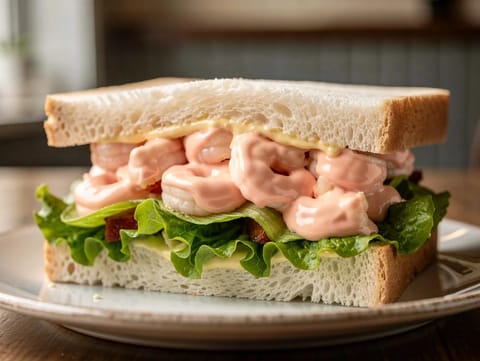
Prawn sandwich with Marie Rose sauce and crisp lettuce
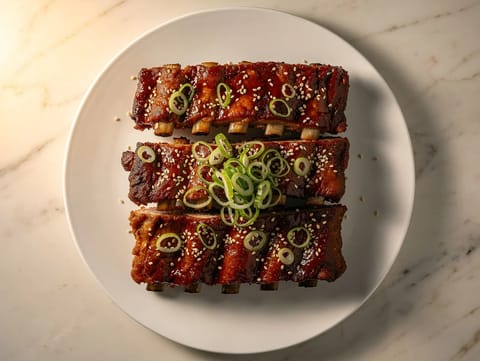
Oven-baked pork ribs with sticky gochujang glaze

Breton butter biscuits with crisp edges and a tender centre
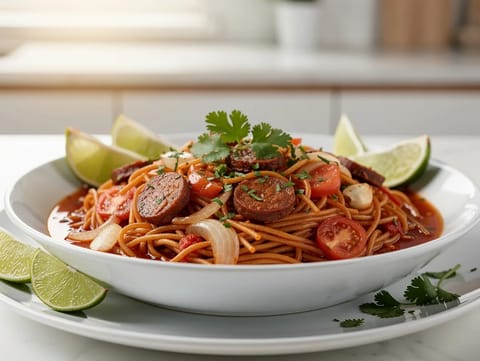
Toasted vermicelli cooked in tomato broth with browned chorizo
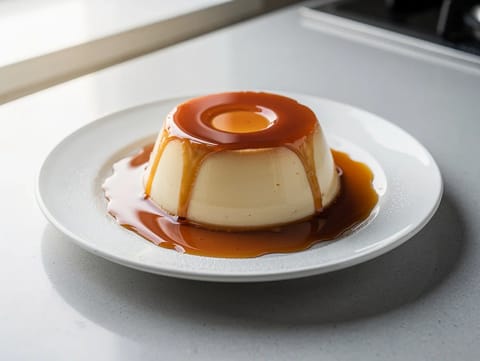
Baked caramel flan with vanilla custard, chilled before serving.
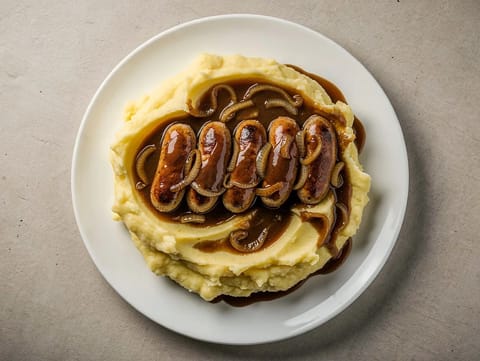
Pork sausages over creamy mash with onion gravy

Mini cheesecakes baked in an air fryer, then chilled.

Guava and pineapple smoothie with coconut milk, yoghurt and lime.
Not usually. Keto is typically a much stricter form of low-carb eating with a specific emphasis on very low carbohydrate intake. Low carb can be more moderate and varies by person.
Beans contain both protein and carbohydrates. Some low-carb approaches include them in smaller portions, while stricter approaches limit them. It depends on your target and the recipe.
Vegetable-based options such as cauliflower rice or courgette noodles are common. They behave differently from grains, so cook off moisture and season assertively.
When you remove sugar and starch, you often lose some rounding sweetness and body. Acidity (lemon, vinegar), aromatics (garlic, ginger) and reductions can help rebuild depth.
Not necessarily. Many people simply choose smaller portions or lower-sugar fruits. The right choice depends on your overall carbohydrate goals.
It can be good in its own right, but it is often different. Alternative flours and sweeteners change browning, moisture and structure, so recipes designed for low-carb ingredients tend to be more reliable than direct swaps.
Low-carb recipes work best when you pick a direction, either naturally low-starch dishes or thoughtful swaps, and then commit to the technique that makes them satisfying. A quick scan of condiments and packaged ingredients for sugars and starches keeps the overall balance where you want it.
