

Panna Cotta al Caramello Salato (Vanilla Panna Cotta with Salted Caramel)
Vanilla panna cotta topped with glossy salted caramel
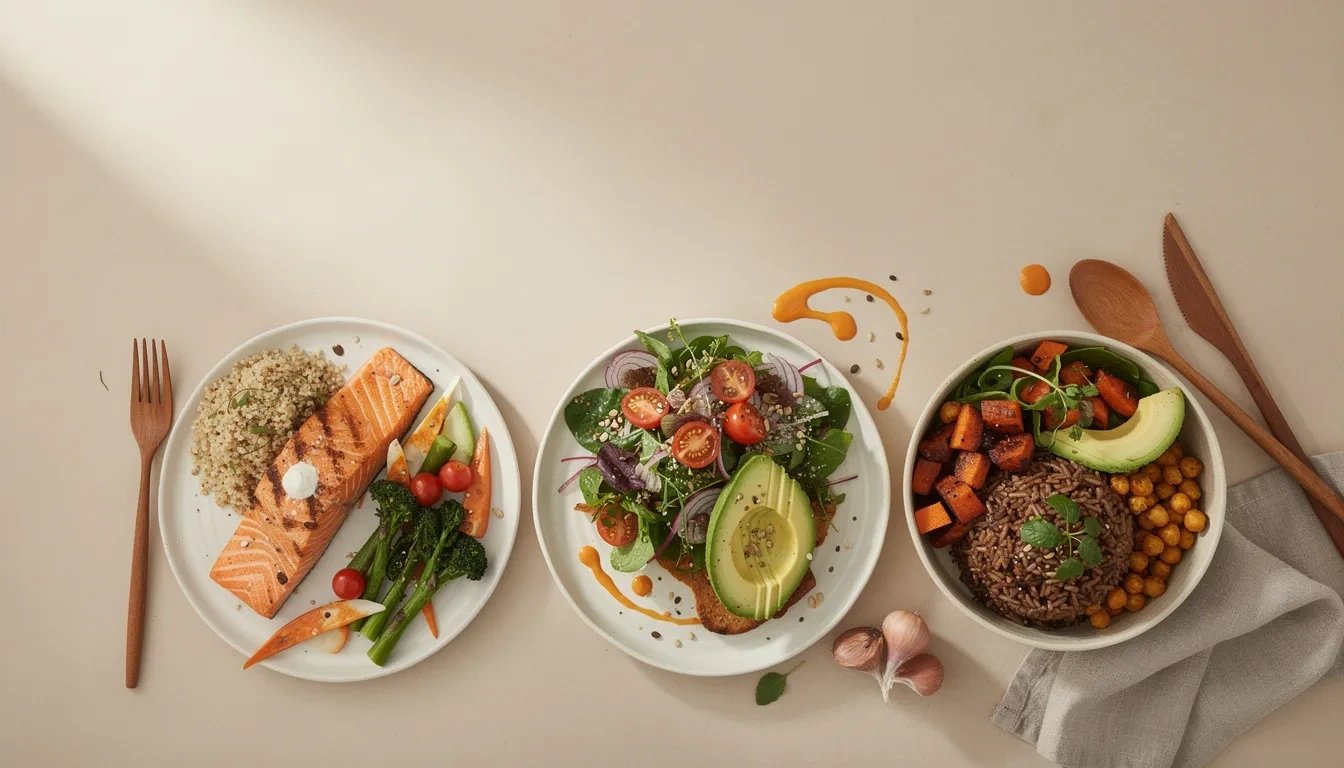
Vegetarian cooking is often about replacing the role meat played in a dish, not just removing it. Sometimes that role is bulk and bite, as in a stew; sometimes it is savoury seasoning, as with bacon in a sauce; and sometimes it is simply a familiar centrepiece. This page clarifies what vegetarian usually includes, highlights the ingredients that can quietly introduce meat or fish, and offers practical substitution approaches that keep the recipe balanced.
Vegetarian recipes exclude meat and fish. Many vegetarian dishes include dairy and eggs, but not all do, so it is worth checking if you cook for a mixed table. The most common grey areas are ingredients used in small amounts for flavour: fish sauce, anchovies, shrimp paste and meat-based stocks can appear in otherwise vegetable-led dishes. Some cheeses are made with animal rennet, and gelatine can appear in certain desserts.
Because definitions vary by household and by culture, the most dependable approach is to read the ingredient list with an eye for “background” ingredients, not just the headline components.
Vanilla panna cotta topped with glossy salted caramel

Italian lemon gelato made with fresh zest and juice

Polish baked cheesecake made with quark and vanilla
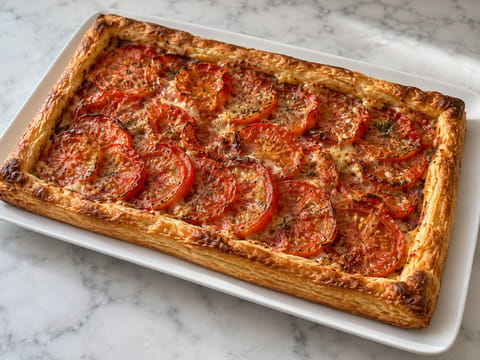
Puff pastry tart with Dijon mustard, tomatoes and Gruyère

Crisp German potato pancakes with onion, egg and flour

Buttery Dutch cookies with a thick almond paste filling
For dishes where meat provides bite and substance, choose ingredients that hold their shape: lentils, chickpeas and beans for stews and ragù-style sauces; mushrooms or aubergine for a meaty chew; or firm tofu and tempeh where you want clean slices or cubes. For mince-like textures, finely chopped mushrooms, lentils, or a mix of pulses and grains can give a similar spoonable body.
When meat is mainly there for savoury depth, build flavour in other ways: brown onions well, toast spices, use tomato paste, soy sauce, miso, hard cheese, olives or smoked ingredients as appropriate. If a recipe relies on chicken stock, vegetable stock is the simplest swap; if it relies on fish sauce, consider a vegetarian alternative or a different seasoning route altogether.

Rye pastries filled with rice porridge and served with egg butter

Spanish potatoes cooked in olive oil with vegetables and egg
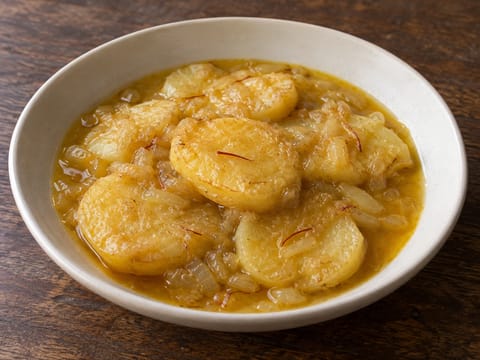
Egg-coated fried potatoes simmered in saffron stock

Macaroni in cheddar and Gruyère sauce with a panko topping

A refreshing mango smoothie blended with soy milk and lime.
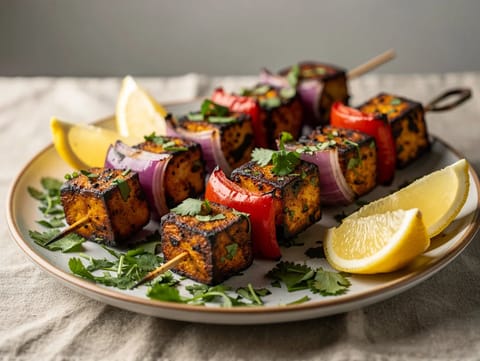
Air-fried paneer tikka with peppers and red onion.

Creamy banana and almond lassi smoothie with cardamom.
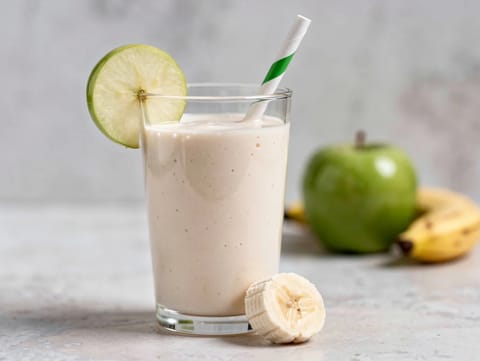
Blend kefir with apple, banana and cinnamon until smooth.

Soft air fryer donuts topped with a simple vanilla glaze.

Chewy coconut sweets made with condensed milk and vanilla

Egg yolk sweets shaped into balls and rolled in sugar
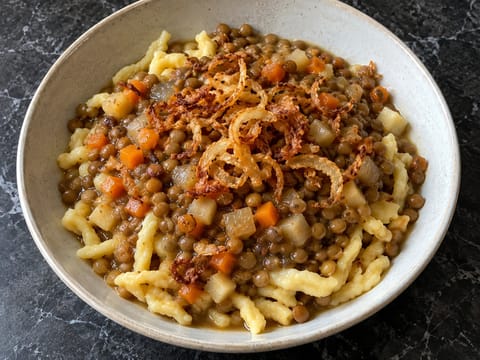
Sour lentil stew served over Spätzle with fried onions
Vegetarian suitability can hinge on packaged ingredients. Stocks, bouillon, sauces and seasoning mixes may contain meat or fish extracts even when the front label looks vegetable-forward. If you avoid fish, check for anchovy and fish sauce in condiments and dressings. For desserts, look out for gelatine.
Vegetarian is not an allergen claim. If you also need to avoid allergens such as nuts, sesame, dairy or eggs, treat those as separate checks and read labels accordingly.
Ingredient pages are the most useful next step when you want a specific swap, such as choosing between lentils, mushrooms and tofu for texture, or finding alternatives to fish sauce and meat-based stocks. Allergen guidance can also help if your vegetarian cooking needs to avoid dairy, eggs, nuts or sesame at the same time.
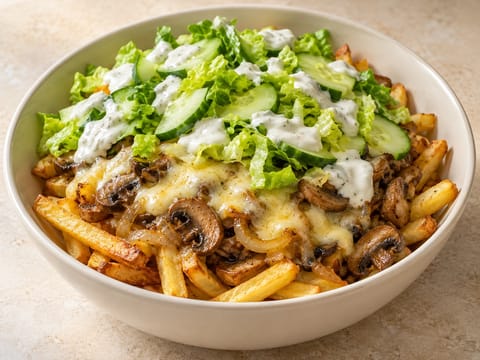
Layered fries bowl with spiced mushrooms, Gouda and garlic sauce

Sausage served over lentils with tomato and stock

Liège waffles with caramelised pearl sugar
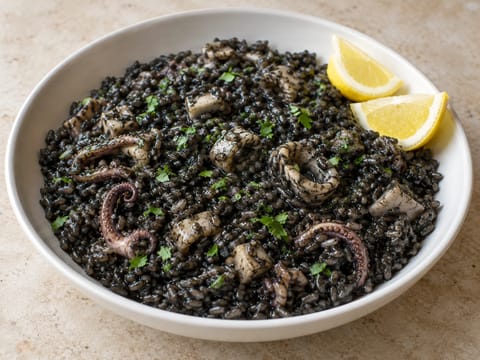
Spanish squid ink rice cooked with squid and fish stock
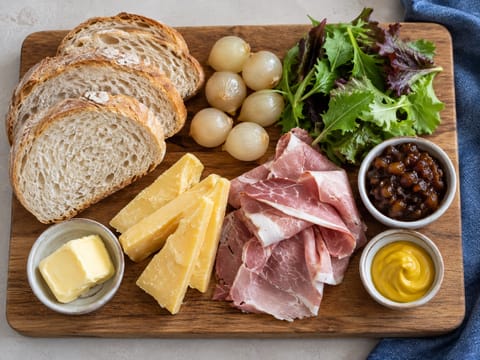
British lunch board with Cheddar, ham, bread, chutney and pickles

Chilled baked vanilla custard turned out with caramel sauce.
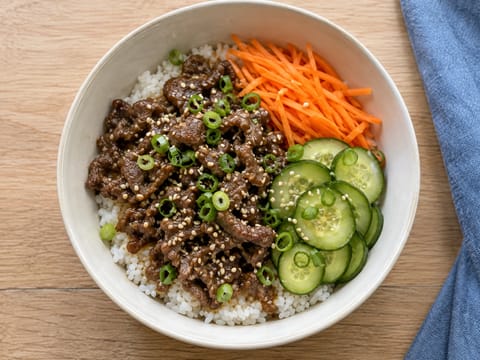
Quick bulgogi beef poke bowl with sushi rice and vegetables.

Crisp potato and cabbage patties topped with a poached egg
Often they do, but not always. Vegetarian generally means no meat or fish; whether eggs and dairy are included depends on the recipe and the cook’s definition.
No. Fish and shellfish are not considered vegetarian. Diets that include seafood but not meat are usually described as pescatarian.
Fish sauce, anchovies, shrimp paste, meat-based stocks and gelatine are common examples. They can appear in sauces, soups, dressings and desserts.
It depends on the dish. Lentils can mimic the spoonable texture in sauces; finely chopped mushrooms add savouriness; and a mix of pulses and grains can give body without becoming mushy.
Sometimes, but consider structure and protein. A stew built around potatoes and carrots will eat differently from one built around beans or lentils. Choose the substitute based on the texture you want.
Not necessarily. Vegetarian describes ingredients, not nutrition. A vegetarian dish can be light or rich depending on fats, sugars and cooking method.
The most satisfying vegetarian cooking usually comes from matching the substitute to the recipe’s needs: bite, body, or savoury depth. Start by checking for hidden fish and meat ingredients, then choose a replacement that suits the method and the final texture.
