
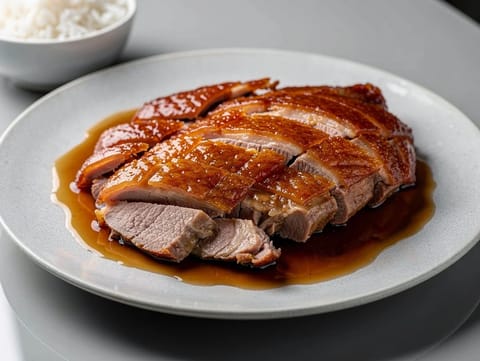
Cantonese Roast Duck (Home-Style Crispy Duck)
Cantonese roast duck with crisp skin
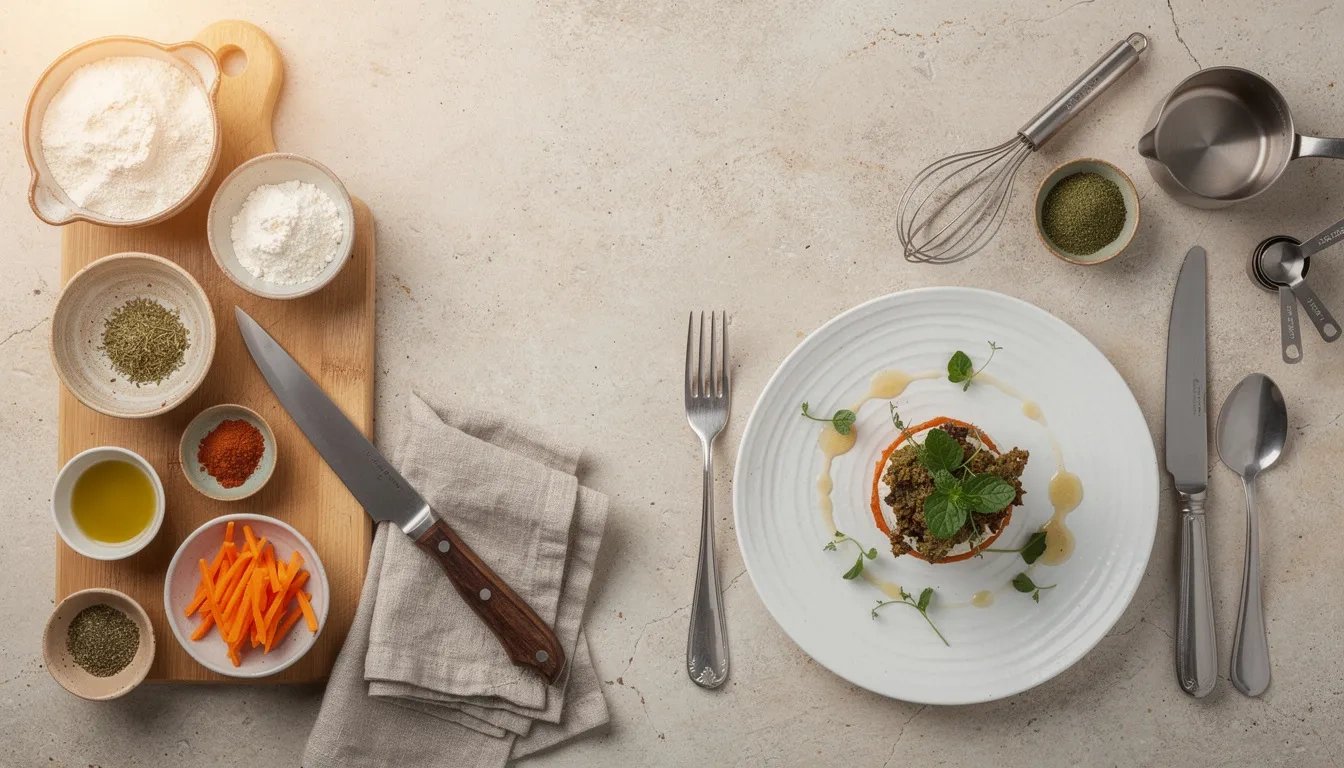
Advanced recipes tend to ask for more than time. They often involve several moving parts, tighter timing, or techniques where small details change the outcome, such as emulsions, sugar stages, laminated dough, or carefully managed heat. This is the place to cook when you want a project, or when you are happy to read ahead, set up your ingredients, and stay close to the hob or oven. The payoff is usually precision: cleaner textures, sharper definition between components, and a finish that depends on good judgement rather than simply following a timer.
Difficulty is usually about coordination. An advanced recipe may be perfectly straightforward in flavour, yet still demanding because you are juggling parallel tasks: reducing a sauce while searing meat, tempering eggs while keeping a custard below a scramble, or shaping dough while it is at a specific temperature. You will often be asked to rely on sensory cues, such as a glossy meringue, a sauce that coats the back of a spoon, or a roast that feels springy rather than soft. Advanced also commonly means less room for casual substitutions, because structure matters as much as taste.
Cantonese roast duck with crisp skin
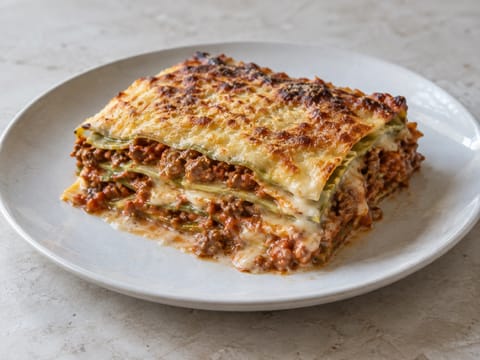
Spinach pasta lasagne with beef and pork ragù and béchamel

Flaky baked pastries filled with sweet mung bean paste
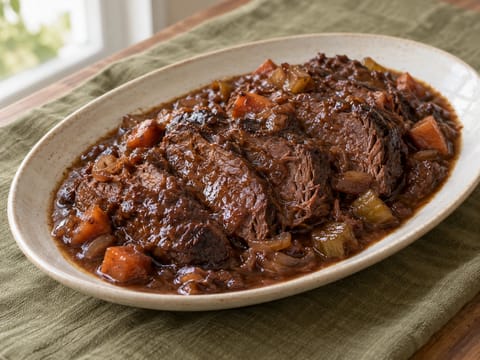
Slow-braised beef in red wine with a rich gravy
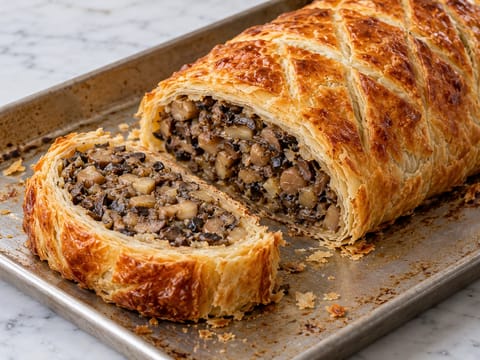
Mushroom and chestnut Wellington baked in crisp puff pastry
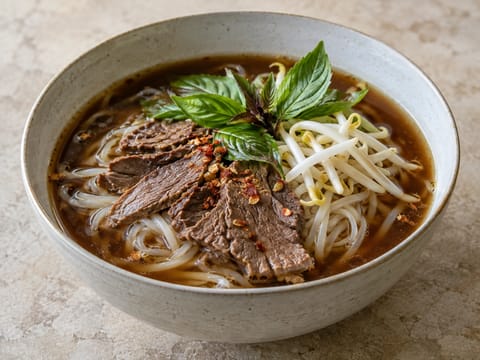
Thai rice noodle soup with beef and dark broth
Advanced does not automatically mean expensive ingredients, restaurant-style plating, or long cooking. Some advanced recipes are quick but intense, with short windows where you need to act decisively. Others are slow because they include resting, chilling, proving, or staged cooking. It also does not necessarily mean specialist equipment, though certain techniques are easier with the right tools. What it does imply is that success depends on attention: reading the method carefully, understanding why steps happen in a particular order, and being willing to pause and correct as you go.
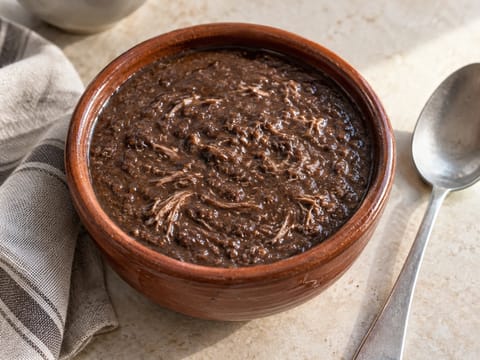
Minho bread porridge with pork, pork blood, garlic and cumin

Italian Easter sweet bread with orange and almond glaze
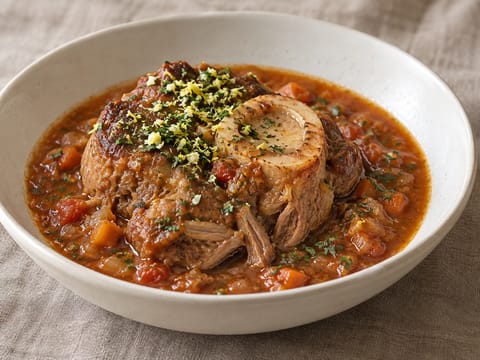
Slow-braised veal shanks finished with lemony garlic gremolata
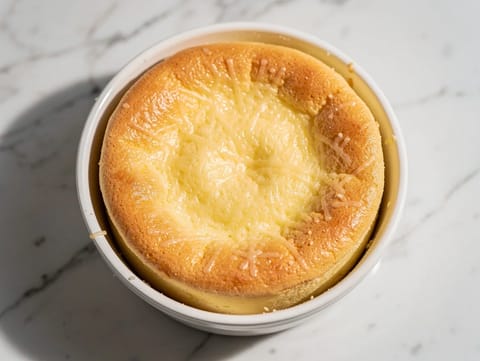
Puffed Gruyère soufflé made with béchamel and egg whites
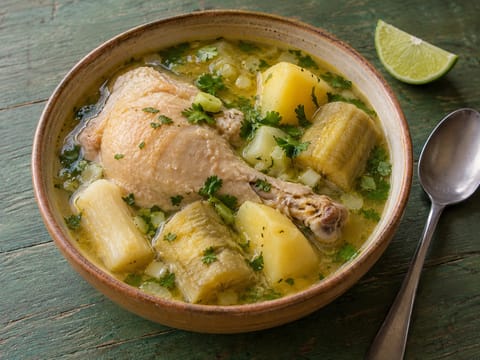
Colombian hen soup with plantain, yuca, and potatoes.

Creole jambalaya with chicken, andouille, tomatoes and rice
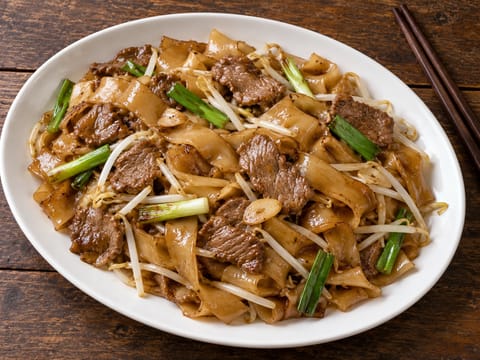
Cantonese beef stir-fried rice noodles with beansprouts
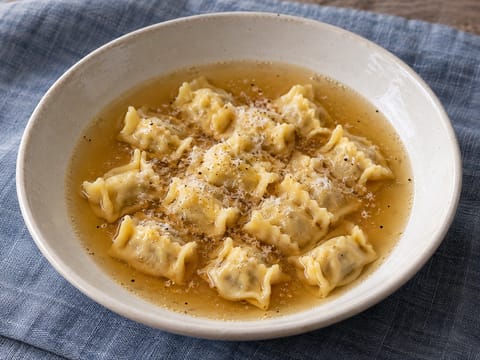
Pinched beef-filled agnolotti served in hot beef stock
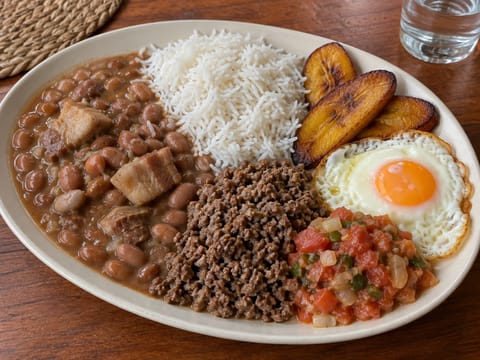
Colombian platter of beans, rice, pork, beef, plantain and egg
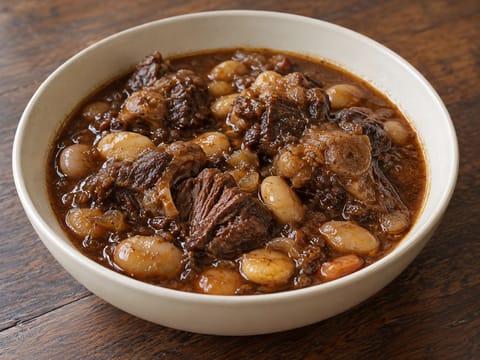
Caribbean oxtail stew with butter beans and rich gravy

Crisp layered pastries filled with sweet ricotta
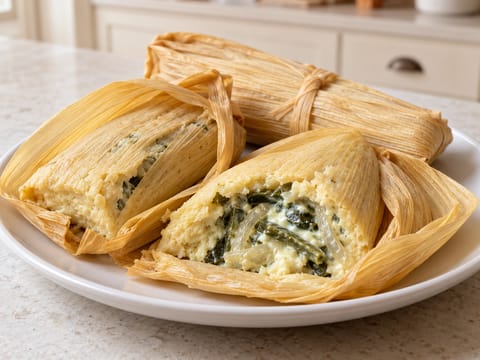
Corn husk tamales with roasted poblano, onion and crema
Read the method once for sequence, then again for bottlenecks: points where two things finish at once, or where you cannot step away. Set out bowls, pans and measuring tools before you start, especially for batters, custards and sauces where timing matters. When a recipe includes chilling or resting, treat it as part of the method, not optional waiting time, because it often controls texture. Finally, taste and check earlier than you think you need to. In advanced recipes, small adjustments to seasoning, acidity or thickness are easiest before everything is combined.
If you enjoy precision, look for recipes built around a single technique, such as tempering chocolate, making pâte à choux, or producing a stable emulsion like hollandaise or mayonnaise. If you prefer a broader project, choose recipes with components you can stage, such as a layered dessert, filled pastry, or a main with a sauce and garnish. For a more forgiving challenge, pick methods where you can correct course, such as braises with a final reduction, or doughs that can be re-chilled if they soften. If you want intensity without complexity, choose recipes that focus on heat control, like searing, caramelising or frying, where the key skill is judgement at the pan.
Advanced cooking is often technique-led, so browsing by Cooking method can help you pick a challenge you actually want, whether that is baking, frying, or sauce-making. Cooking time is also worth checking, because “advanced” can mean either a focused, hands-on session or a longer recipe with resting and staged steps.
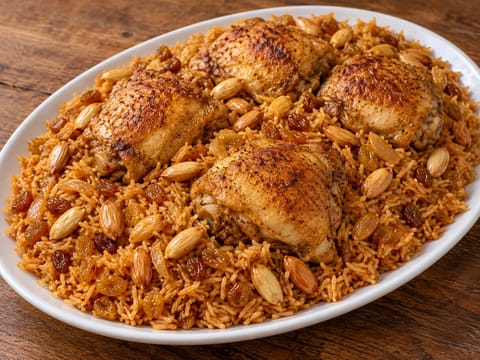
Saudi-style chicken kabsa with spiced basmati rice, almonds and raisins
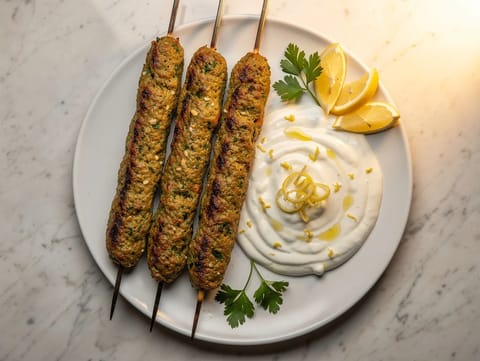
Chicken kofta kebabs with onion, garlic, parsley and spices
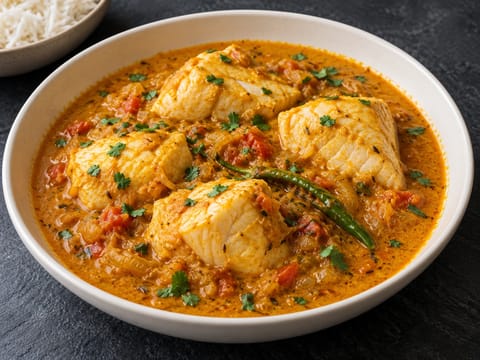
Goan fish curry with coconut milk and tamarind

Quiche Lorraine with bacon, onion, eggs and double cream

Baked macaroni cheese with cheddar and mozzarella
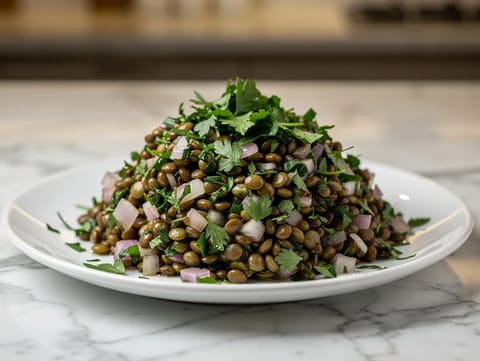
Warm French lentil salad with mustard dressing, shallot and parsley
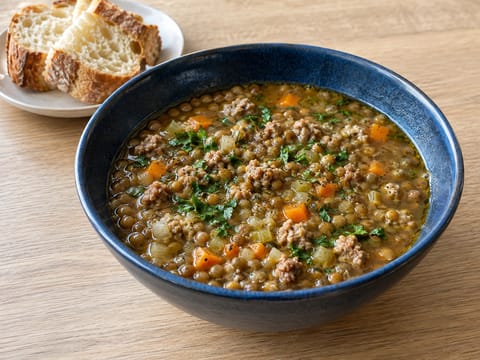
Hearty lentil and sausage soup served with crusty bread
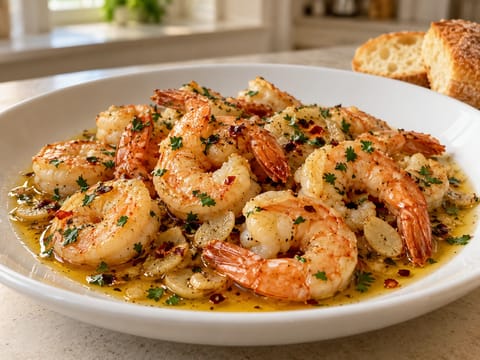
Spanish prawns cooked in olive oil with garlic and chilli
Not necessarily. Some are long because they include chilling, proving or slow cooking, but others are short and demanding because several steps happen quickly and need close attention.
Sometimes a tool makes the job easier, but the bigger requirement is usually control and observation. A reliable oven, accurate scales and a good thermometer can help, yet many advanced techniques are still possible with standard cookware.
Rushing the setup. Skipping a read-through, starting without ingredients measured, or missing a resting step tends to create timing pressure, and that is when temperatures drift and textures go off course.
Look for steps that require waiting, such as chilling dough or cooling a custard, and work backwards. If the method relies on serving something immediately, plan the rest of the meal around that finishing window.
Often, but choose what to simplify carefully. Removing a garnish is usually harmless; changing a structural step, such as whipping, folding, or reducing to a specific thickness, can change the final texture.
No. Difficulty describes skill and attention, not cultural origin. Traditional dishes can be easy or advanced depending on the method and the level of detail.
With advanced recipes, a calm start usually matters more than speed. Choose a technique you are curious about, give yourself space to focus, and treat the method as a set of cues to watch for, not just a list of steps to tick off.
