
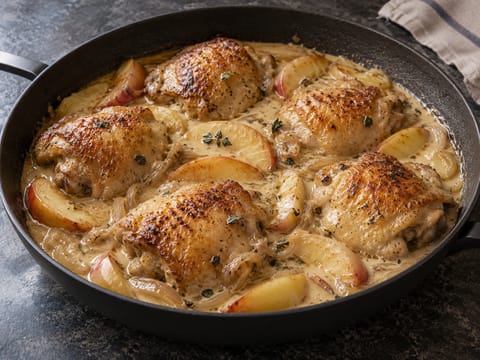
Poulet Vallée d’Auge (Chicken with Calvados and Cream)
Chicken with Calvados, apples and double cream sauce
Medium-difficulty recipes are where everyday cooking starts to feel more like craft. The steps are still approachable, but you may be coordinating a couple of elements, building flavour in stages, or using a technique that rewards attention, such as pan sauces, yeast doughs, or careful roasting. These recipes often suit cooks who are comfortable with the basics and want a little more control over texture and finish, without committing to a full-on project.
Medium recipes commonly add one extra layer of decision-making. You might brown ingredients before simmering, make a simple dressing or sauce while something cooks, or manage timing so a side is ready when the main is. The method may ask you to notice changes, such as onions turning sweet and golden rather than just soft, or a sauce reducing to a light coating consistency. You are not usually working at the edge of failure, but you will get better results if you stay engaged and adjust heat, seasoning and timing as you go.
Chicken with Calvados, apples and double cream sauce
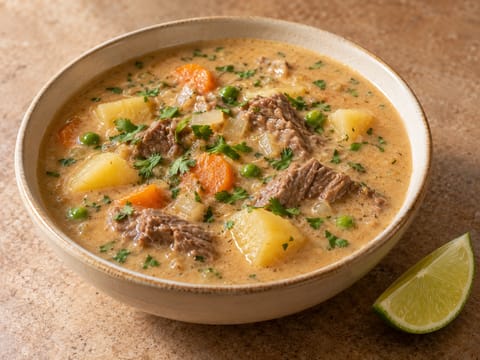
Bolivian peanut soup with beef and potatoes
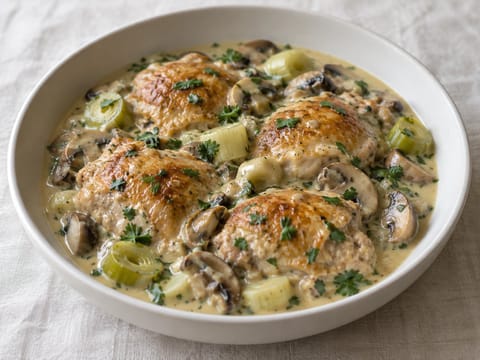
Chicken fricassée with mushrooms in a white wine cream sauce

Finnish lemon sima, lightly fermented and served chilled with raisins
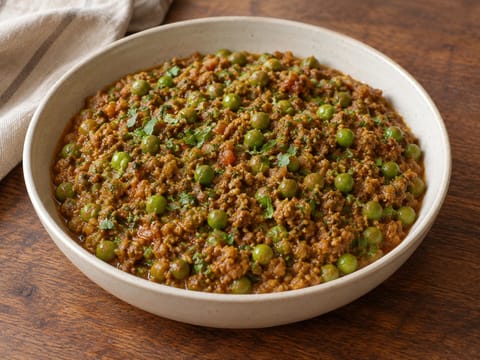
Spiced minced lamb curry with peas
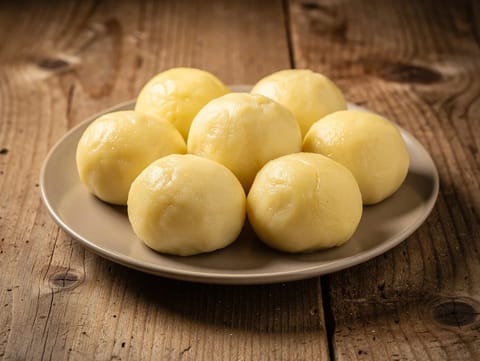
German potato dumplings gently simmered until tender
Compared with easy recipes, medium ones tend to have more stages, more active cooking, or a narrower “done” window. Compared with advanced recipes, they are usually less dependent on specialist technique or perfect timing, and more forgiving if you pause to answer the door. Medium also covers a wide range of effort: some recipes are medium because of knife work and prep, others because of a sauce, a dough, or a sequence of cooking steps. Treat the label as a guide to attention and coordination, not a promise about speed or complexity of flavour.

Warm Gruyère choux puffs baked until crisp
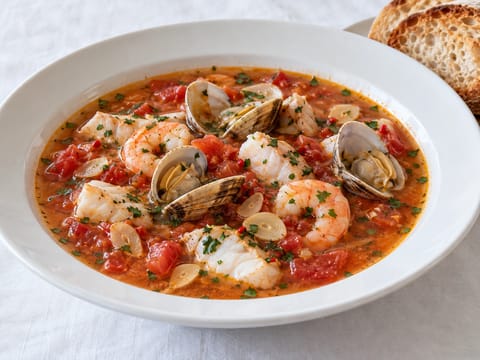
Venetian fish soup with mixed seafood in tomato and white wine
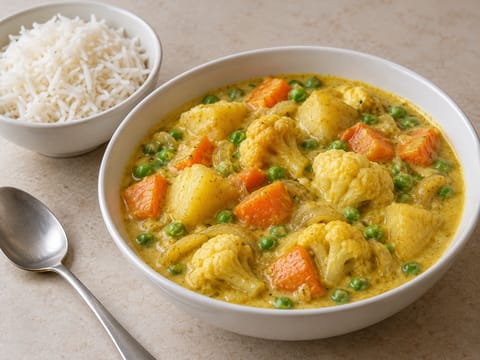
Mild vegetable korma with coconut, yoghurt and almonds
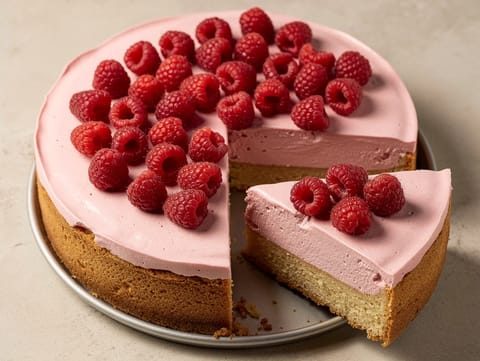
Almond sponge topped with raspberry mousse and fresh raspberries
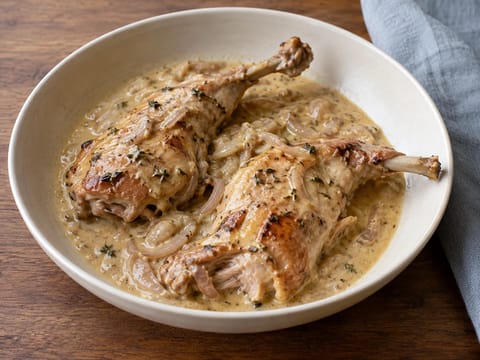
Rabbit braised in cider with Dijon mustard and crème fraîche
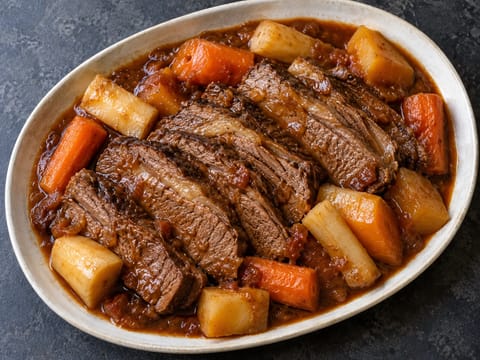
Braised brisket with red wine and root vegetables
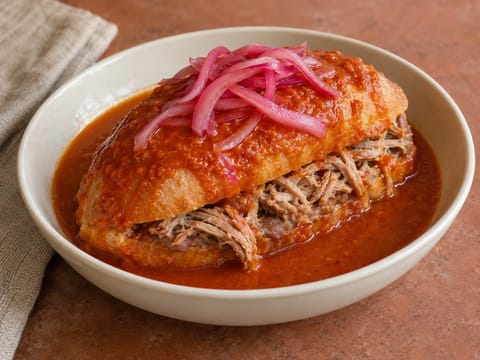
Drowned sandwich with pulled pork, beans and chilli tomato sauce

One-pot jambalaya with chicken, andouille sausage and rice
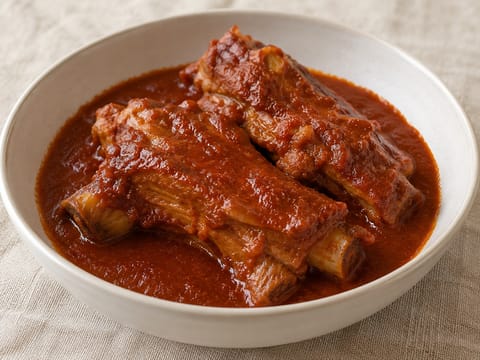
Tender pork ribs in smooth red chilli sauce
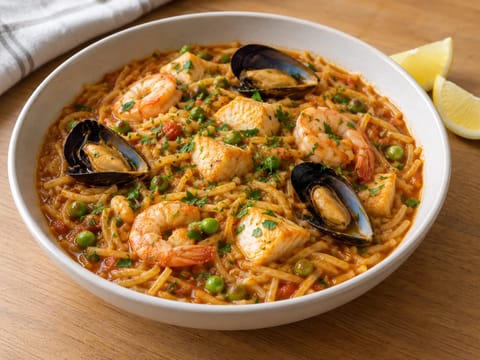
Catalan fideos casserole with seafood in tomato and saffron broth
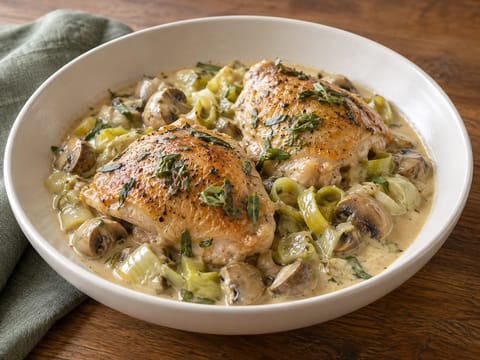
Chicken braised in white wine with leeks and mushrooms
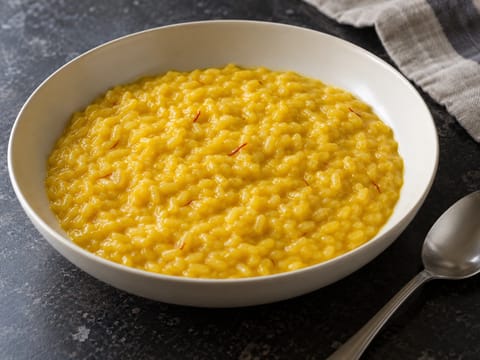
Saffron risotto enriched with bone marrow and Parmesan
If you want medium difficulty with calmer timing, choose oven-led cooking, such as roasting or baking, where you can use the cooking time to prep a salad, sauce or side. If you enjoy hands-on cooking, pick stovetop recipes that build flavour in the pan, such as stir-fries, risottos, or dishes finished with a quick pan sauce. For a skills-focused medium challenge, look for recipes that teach one technique without stacking several at once, such as making a basic yeast dough, shaping dumplings, or cooking grains to a specific texture. If you want less washing-up, choose recipes where the sauce is made in the same pan after searing or sautéing.
Medium recipes often go wrong at the transitions between stages. If you add liquid before ingredients have browned, you lose the deeper flavours that come from caramelisation. If you rush reductions, you can end up with a thin sauce that tastes watery, or a thick one that catches. Keep an eye on pan size too: overcrowding leads to steaming, which slows cooking and dulls colour. Finally, give yourself a place to pause. When a recipe asks you to make a sauce, dressing or topping, it helps to prep those ingredients first so you are not chopping while something is ready to be stirred or turned.
Cooking time is a useful companion to medium difficulty, because some recipes are medium due to active steps, while others are mostly hands-off once they are in the oven. Cooking method can also clarify what kind of attention is needed, whether you are simmering, baking, frying, or assembling a dish in stages.

Puff pastry turnovers filled with cinnamon apples, cooked in the air fryer.
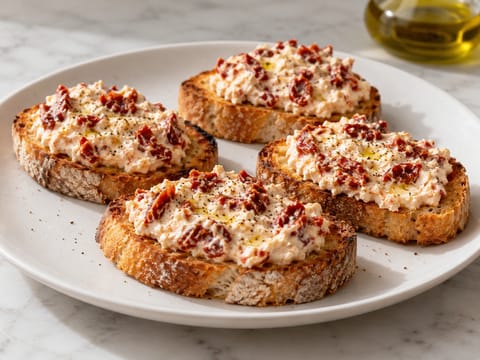
Toasted crostini topped with ricotta and sun-dried tomatoes
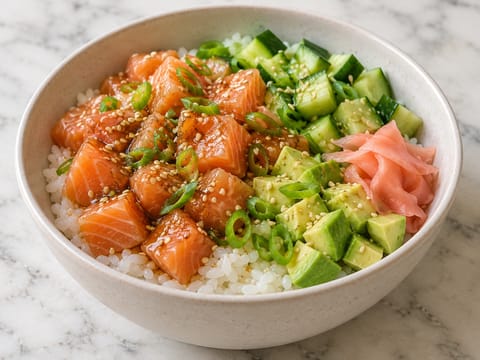
Salmon poke bowl with sushi rice and pickled ginger.
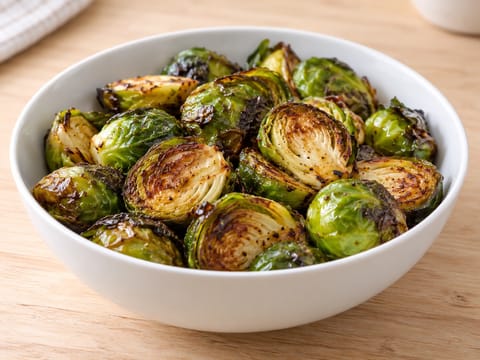
Air-fried Brussels sprouts with garlic and balsamic vinegar.
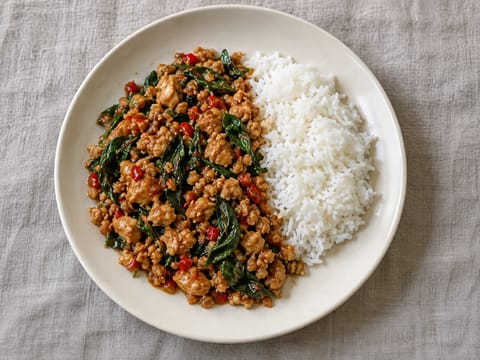
Thai basil chicken stir-fry served with steamed jasmine rice
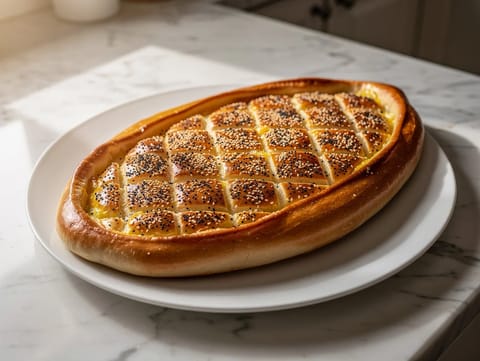
Soft Turkish flatbread topped with sesame and nigella

Mint iced tea made with black tea, sugar and fresh mint
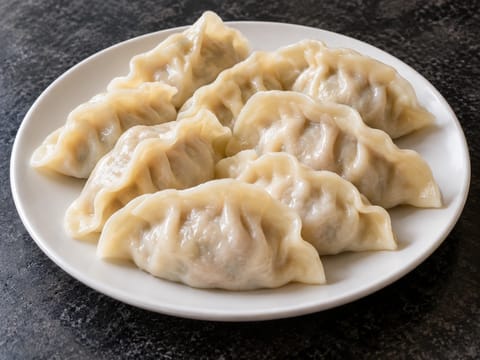
Boiled dumplings with pork and Chinese cabbage filling
It can be, especially if you are comfortable with basic chopping, frying and seasoning. Choose recipes with clear cues and fewer parallel tasks, and allow a little extra time the first time you make them.
Often because of timing. Medium recipes may ask you to prep while something cooks, or to finish a sauce quickly at the end. Reading the method first helps you spot those moments.
Not necessarily. Some medium recipes are quick but require attention, while others take longer because they include baking, simmering or resting. Difficulty and time do not always move together.
Techniques like browning then deglazing, reducing a sauce, cooking rice or pasta to a specific texture, or making a simple dough often sit comfortably in the medium range.
Do more prep up front, keep your heat moderate until you know how your hob behaves, and avoid multitasking at the most sensitive moments, such as when finishing a sauce or turning delicate items in the pan.
Look for multiple components that must be ready together, or steps that depend on precise temperature control and quick judgement, such as emulsions, sugar work, or very exact baking stages.
Medium recipes reward a little planning and attention, but they are still flexible enough for everyday cooking. Choose the kind of effort you enjoy, then use time and method as your guide to how hands-on the cooking will feel.
