
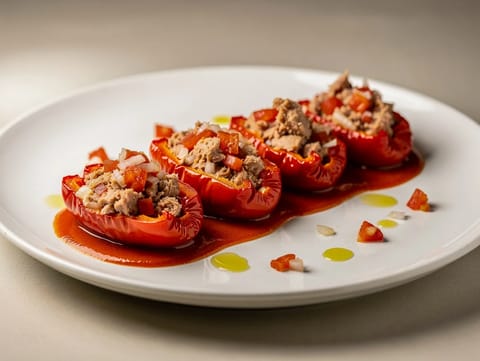
Pimientos del Piquillo Rellenos de Atún (Tuna-Stuffed Piquillo Peppers)
Piquillo peppers stuffed with tuna, onion and tomato

An appetizer platter is less a single recipe than a composed spread: a few contrasting bites arranged so people can help themselves. The planning advantage is that much of it can be prepared in stages, then finished quickly just before serving. The key decisions are texture (crisp, creamy, chewy), temperature (all-cold or with one warm element), and how “hands-on” you want guests to be, from neat skewers to a more relaxed grazing board.
This style of dish is defined by assembly and variety. You are aiming for several small components that can be eaten without cutlery, or with minimal fuss, and that make sense together on one board or tray. A platter might be built around dips and dippers, a charcuterie-style mix of cured meats and cheeses, a vegetable-led crudités spread, or a themed set of small bites such as stuffed items, skewers or canapés. What it does not automatically imply is a particular cuisine, level of formality, or that everything must be homemade. In practice, the success of a platter comes from choosing items that keep their texture while sitting out for a while and that do not weep, slump or soften the moment they are arranged.
Piquillo peppers stuffed with tuna, onion and tomato
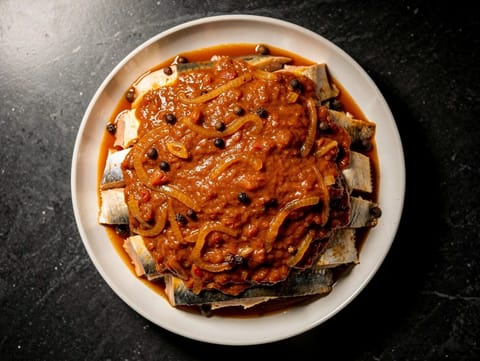
Pickled herring layered with tomato and onion sauce
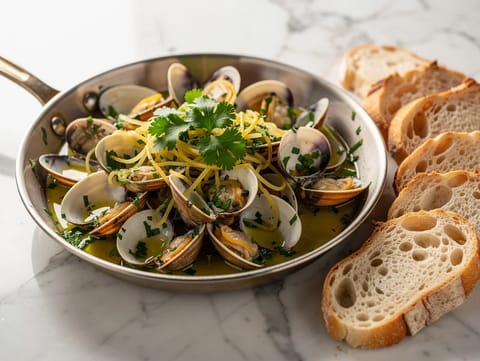
Portuguese clams in garlic, white wine and lemon sauce
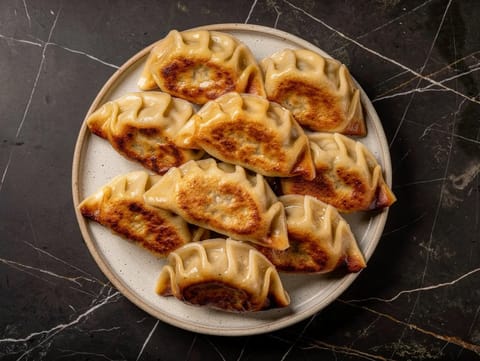
Pan-fried and steamed Korean dumplings with pork and tofu
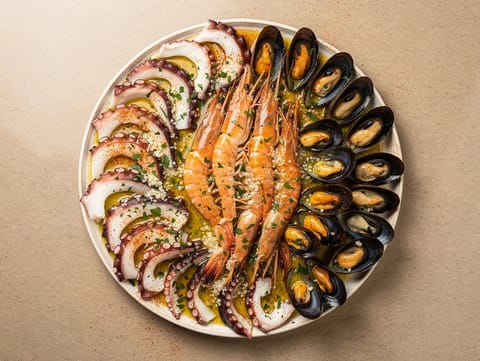
Chilled seafood platter with lemon, olive oil, parsley and paprika
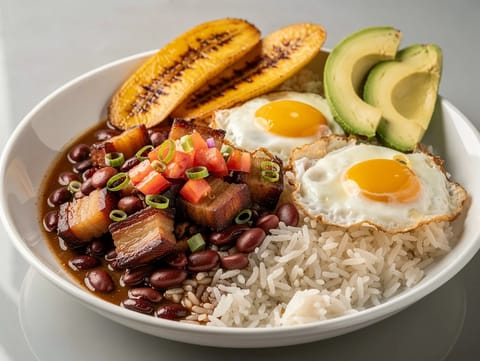
Colombian mixed platter with beans, rice, pork, egg and plantain
Think in contrasts you can taste in one mouthful. Creamy elements (soft cheese, hummus-style dips, whipped spreads) benefit from something crisp and dry alongside, such as crackers, toasted bread or raw vegetables. Rich, salty items often need a bright counterpoint: pickles, citrusy dressings, or fruit with acidity can stop the platter feeling heavy. Include at least one “clean” bite that resets the palate, commonly something fresh and watery like cucumber, radish or grapes. If you add a warm component, keep it distinct so it stays hot and does not steam the rest of the board. Finally, consider mess: sticky glazes and oily items are easier to manage when they are portioned into small bowls rather than scattered across the platter.
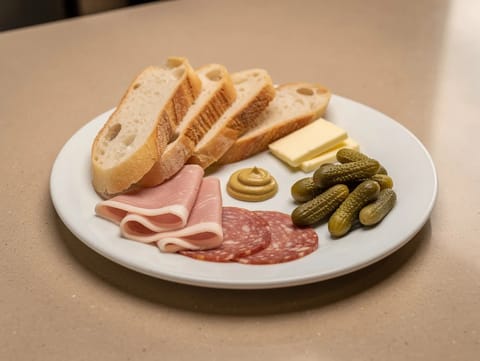
Cured meats with cornichons, Dijon mustard and baguette
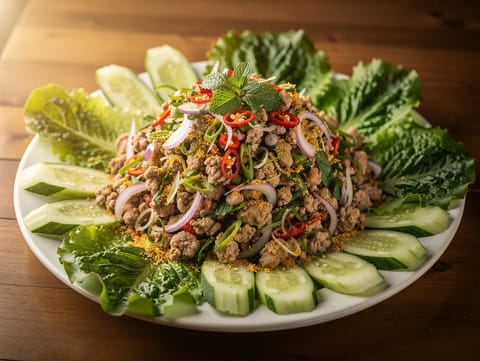
Minced pork larb with herbs, served with lettuce and cucumber
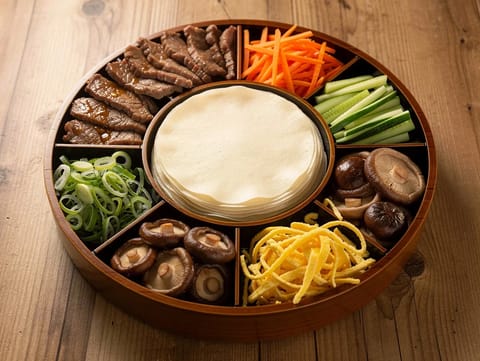
Korean crêpes served with beef, egg strips and vegetables

Diwali sweets platter with besan ladoo, coconut barfi and cashew fudge
Pickled herring layered with tomato and onion sauce
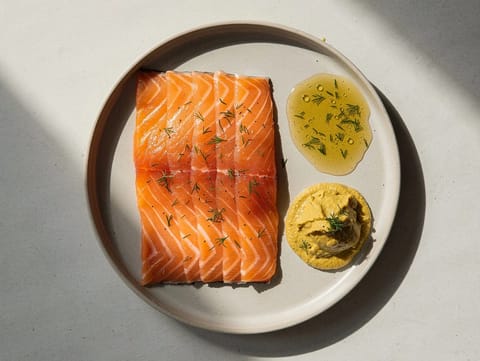
Cured salmon with dill, sliced thin and served with mustard sauce
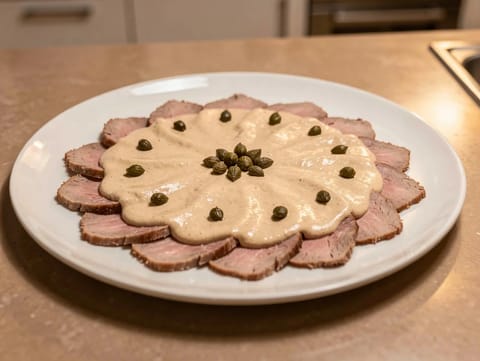
Chilled veal with creamy tuna and caper sauce
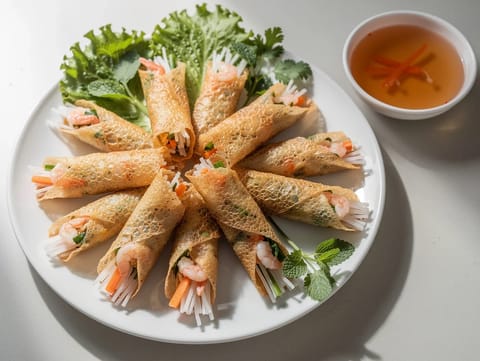
Crisp rice paper rolls with pork, prawns and vermicelli.
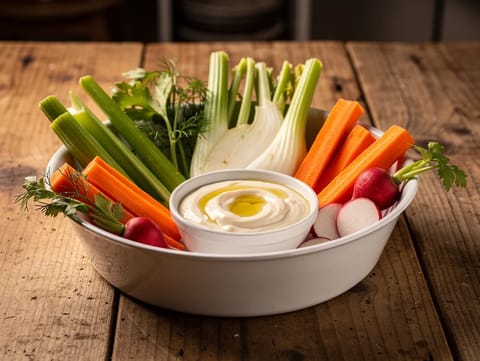
Raw vegetables served with warm anchovy and garlic bagna cauda
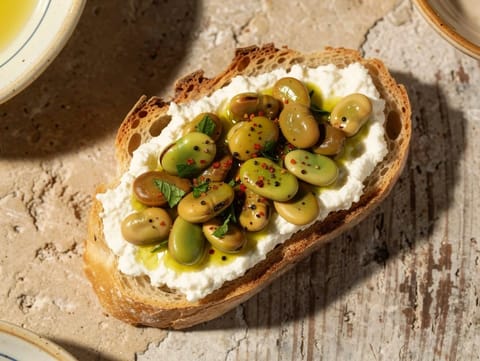
Toasted crostini with ricotta, broad beans, mint and lemon
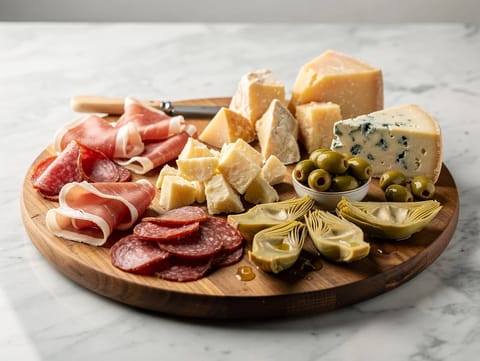
Italian board with salami, prosciutto, cheeses, olives and artichokes
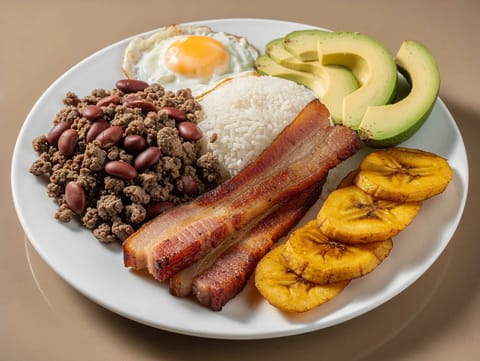
Colombian platter with beans, rice, pork belly, egg and plantain
Dip-led platters are the most forgiving for make-ahead: you can prepare the dips early and cut vegetables close to serving for crunch. Cheese-and-accompaniment platters rely on temperature and timing, since many cheeses taste fuller once they lose their fridge chill, while crackers and nuts need to stay dry. Charcuterie-style platters are about slicing and spacing: thin slices fold and separate more easily than thick slabs, and a few small piles are easier for guests than one large mound. Canapé or skewer platters suit more structured hosting, but they reward attention to moisture, as wet fillings can soften bases and make pieces slide. A “hot-and-cold” platter can work well when the warm item is self-contained, such as baked bites served in a separate dish alongside cold elements.
If you want a platter with a clear theme, browsing by Cuisine can help you keep flavours coherent, from spice profiles to typical pickles and breads. Cooking method is useful when you want to add one warm element, such as something baked or grilled, without turning the whole spread into a last-minute cooking project.
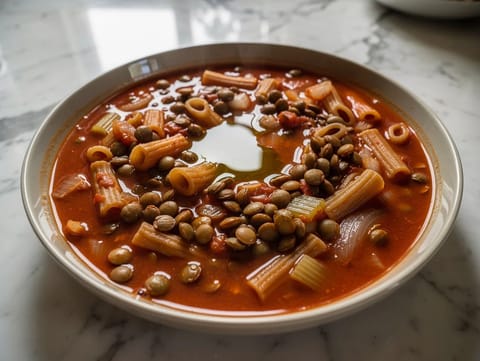
One-pot vegan pasta and lentil stew with rosemary
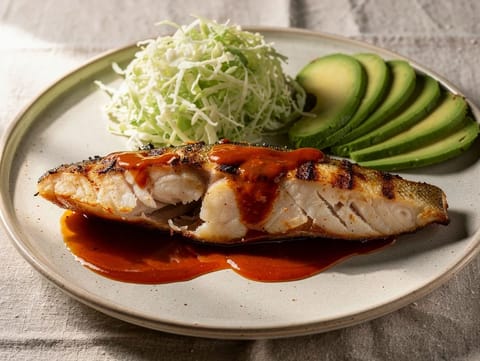
Grilled white fish with chilli, citrus, garlic and oregano
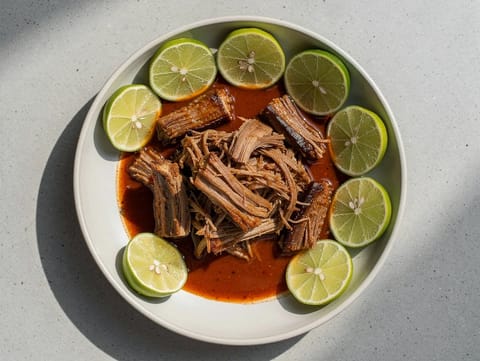
Slow-cooked lamb in guajillo and ancho chilli broth
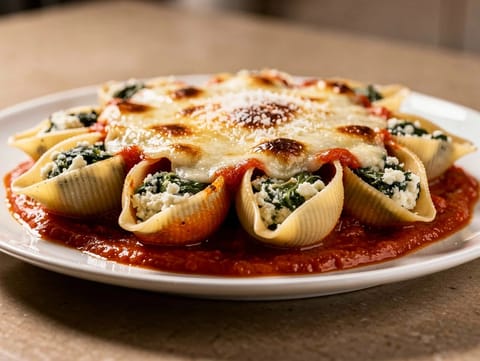
Stuffed pasta shells baked with ricotta, spinach and melted mozzarella
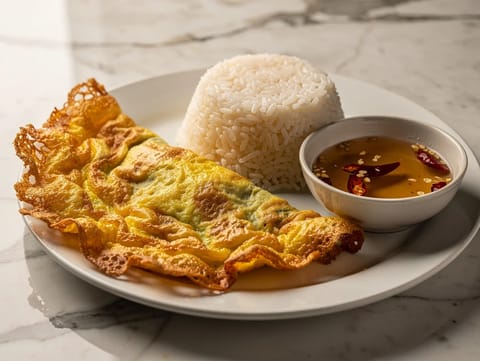
Fluffy Thai omelette with fish sauce, served with jasmine rice
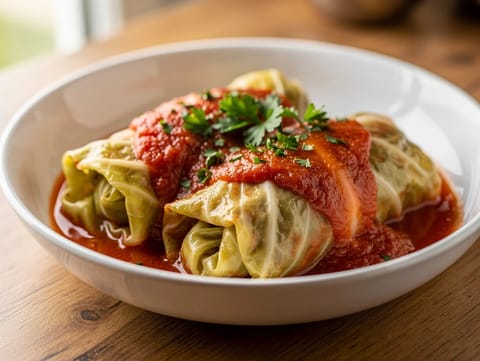
Polish cabbage rolls filled with pork and rice
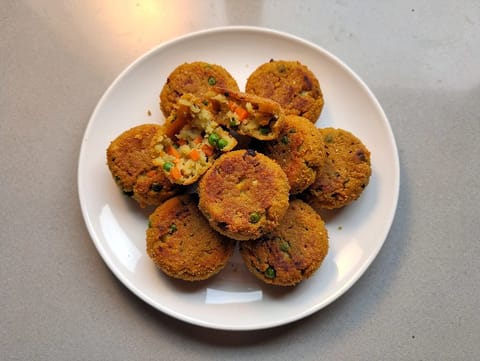
Crisp vegetable cutlets with potato, carrots, peas and breadcrumbs
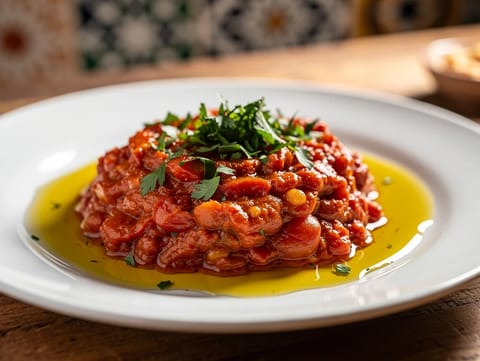
Moroccan cooked tomato and pepper salad with warm spices
Keep crisp items dry and separate from anything wet. Put dips, marinated vegetables and juicy fruits in small bowls, and add crackers or toasted bread at the last moment.
Most platters are best assembled close to serving, but many components can be prepared earlier. Aim to prep, chill and cover components, then arrange just before guests arrive.
Not necessarily. A fully cold platter is often calmer to serve. If you do include something warm, make it a single, contained element so it stays hot and does not soften nearby foods.
They overlap. “Grazing” usually suggests a more abundant, informal spread designed for ongoing nibbling, while “appetizer platter” can be either casual or structured, depending on the components.
Choose one anchor idea, such as a main dip, a cheese style, or a regional flavour direction, then repeat small accents like herbs, pickles or a spice blend across two or three components.
When you treat the platter as a set of components with different timing needs, it becomes straightforward to plan. Decide your anchor, add a few contrasts, and leave yourself only the final arranging for the day.
