
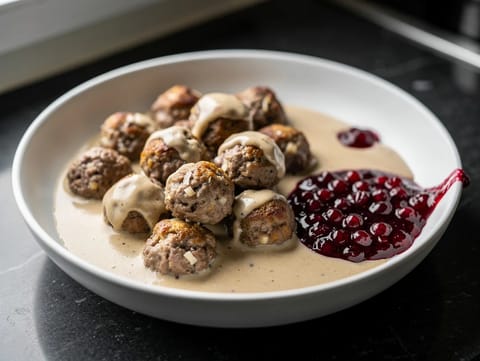
Air Fryer Swedish Meatballs
Air fryer Swedish meatballs with cream gravy and lingonberry jam.

Meatballs are a small-format way to turn minced meat, fish or plant-based mixtures into something portionable and easy to sauce. The biggest differences come from method. Frying gives a browned crust; baking is hands-off and even; simmering in sauce keeps them tender; grilling adds smoke and a firmer exterior. The mixture matters too, but it is the cooking approach that most clearly changes texture and how meatballs fit into a meal, from a bowl of pasta to a tray of party bites.
Most meatballs start with a minced base plus seasoning and a binder to help the mixture hold together. Eggs, soaked bread, breadcrumbs, rice or mashed potato can all play that role, depending on the style. Fat content affects juiciness, while very lean mixtures can turn firm unless they include moisture-rich additions such as onion, grated vegetables or soaked bread. Overmixing can make meatballs springy because it develops a tighter protein network, especially with beef. Size also matters: smaller meatballs cook quickly and brown more easily; larger ones are more forgiving inside but can dry at the edges if cooked too aggressively. Some recipes shape the mixture loosely for tenderness; others aim for a tighter, bouncier bite.
Italian-style meatballs often include garlic, herbs and cheese, and are served with tomato sauce or alongside pasta. Swedish-style meatballs tend to be smaller and are commonly paired with a creamy gravy. Middle Eastern and Mediterranean approaches may use lamb or beef with warm spices and herbs, sometimes shaped into balls or ovals for grilling. In many East and Southeast Asian traditions, meatballs can be springier in texture, seasoned with soy, ginger and aromatics, and served in broth or with noodles. You will also see meatballs made from chicken, turkey, fish or legumes, where the seasoning and binder are adjusted to suit a lighter base and prevent crumbling.
For deep browning and a crisp edge, pan-frying works well, but it asks for turning and can splatter. Baking is cleaner and convenient for larger batches; you can still get colour by using a hot oven and spacing the meatballs so they roast rather than steam. Simmering meatballs directly in sauce gives a softer exterior and a very tender interior, and it is useful when you want the sauce to take on meat flavour. A common compromise is to brown first, then finish in sauce. Grilling suits firmer mixtures and gives a drier, more robust crust, which is helpful when meatballs are served with dips rather than submerged in sauce.
Tomato-based sauces highlight herbs, garlic and cheese, while creamy sauces flatter gentler seasonings and lighter meats. For spiced meatballs, yoghurt-based sauces and fresh herb relishes bring contrast and keep the dish from feeling heavy. Brothy soups and noodle bowls suit springier meatballs and let the seasoning carry into the liquid. If you are serving meatballs as appetisers, choose a glaze or dip that clings, such as a sticky sweet-savoury sauce, a mustardy cream, or a sharp chutney-style accompaniment. Starchy sides, from pasta and rice to mashed potatoes or flatbreads, are often there to catch sauce and make the portion feel complete.
Cooking method is the quickest way to narrow down meatballs that match your kitchen setup, whether you want baked batches, pan-fried crust, or meatballs finished in sauce. Cuisine is also useful here because seasoning, binders and serving traditions vary widely, and browsing by regional style helps you land on the flavour profile you have in mind.
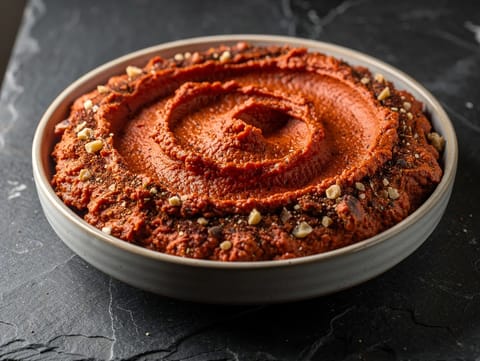
Roasted red pepper and walnut dip with pomegranate molasses
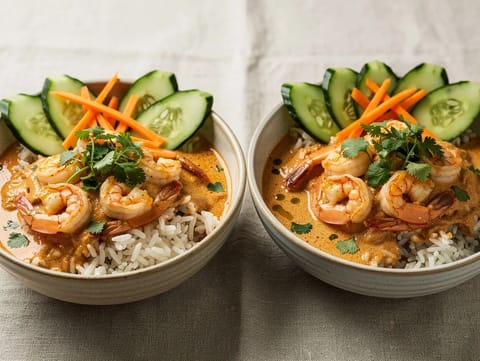
Coconut prawn curry served over jasmine rice with crisp vegetables
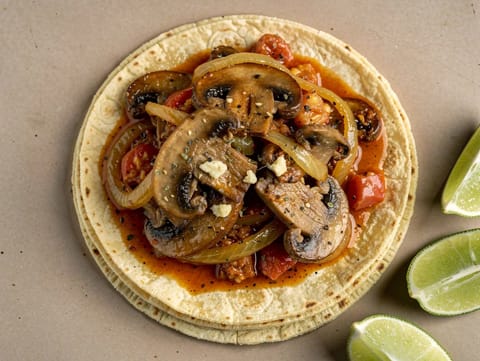
Smoky chipotle tomato mushroom filling served in corn tortillas
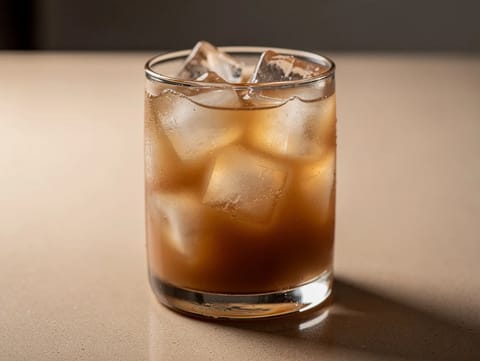
Sweet-sour tamarind agua fresca served chilled over ice
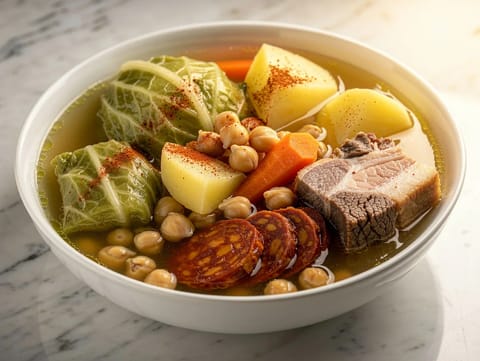
Madrid chickpea stew with beef, pork belly and chorizo
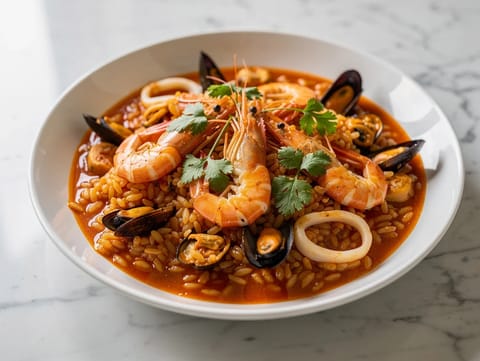
Portuguese seafood rice with prawns, mussels, squid and tomato
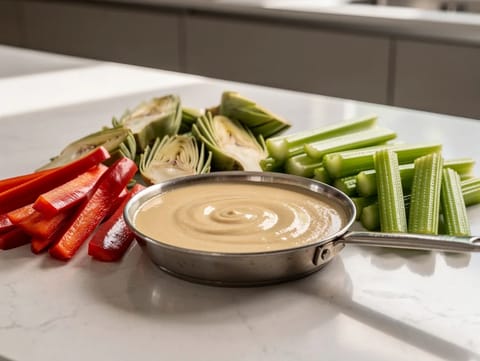
Warm anchovy and garlic dip cooked in olive oil and butter
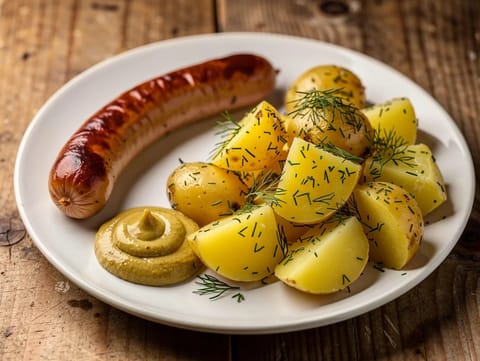
Smoked sausage served with dill potatoes and mustard
Common causes are overmixing, very lean meat, or cooking too hard. A gentler mix, a little more fat or moisture in the mixture, and finishing in sauce can all help keep them tender.
The mixture may be too wet, under-seasoned with salt, or lacking a binder. Chilling the mixture before shaping and cooking can also help it hold together.
They give different results. Frying creates a stronger crust and flavour from browning; baking is more hands-off and suits larger batches. Many recipes combine browning with a finish in sauce.
Yes, and it often produces very tender meatballs. They will be paler on the outside, and you need to ensure they are cooked through before serving.
Using a small scoop or spoon helps. Even sizing matters because meatballs cook quickly, and a few larger ones can lag behind the rest.
No. Many traditions shape them into ovals or small patties, especially for grilling or pan-frying, where a flatter shape browns more readily.
Once you decide whether you want a browned crust, a tender simmered finish, or a grill-marked exterior, the right meatball style becomes much easier to pick and to serve well.
