
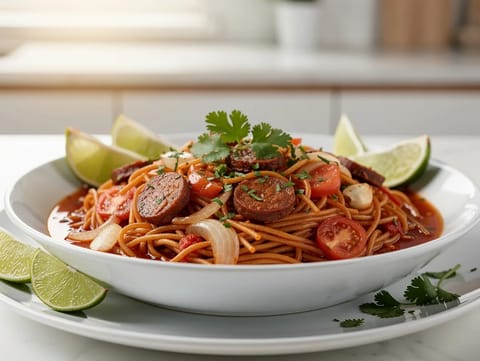
Sopa de Fideos Seco with Chorizo (Toasted Vermicelli in Tomato Broth)
Toasted vermicelli cooked in tomato broth with browned chorizo

Noodle dishes are defined less by a single flavour and more by format: brothy soups, saucy bowls, stir-fries, chilled salads and baked noodle bakes all behave differently on the plate. The key decision is texture. Some noodles are meant to stay springy, others to soften into the sauce, and the cooking method you choose determines which you get. Once you understand how noodles take on liquid and seasoning, it becomes much easier to pick a recipe that suits your appetite and the kind of eating experience you want.
A noodle dish is any recipe where noodles are the main starch and a central part of the eating experience, rather than a small garnish. That can mean wheat noodles, rice noodles, egg noodles, glass noodles or other regional varieties, served in broth, tossed with sauce, or fried with vegetables and protein. Noodle dishes are not automatically pasta dishes, even though the techniques can overlap. They also differ from dumplings or filled pasta, where the wrapper is the focus. Because noodles vary widely in thickness and ingredients, the same sauce can feel light and slippery with one type and hearty and clingy with another.
Toasted vermicelli cooked in tomato broth with browned chorizo
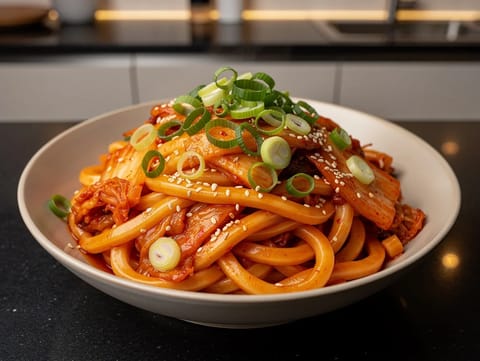
Kimchi and gochujang udon stir-fry with sesame and spring onions
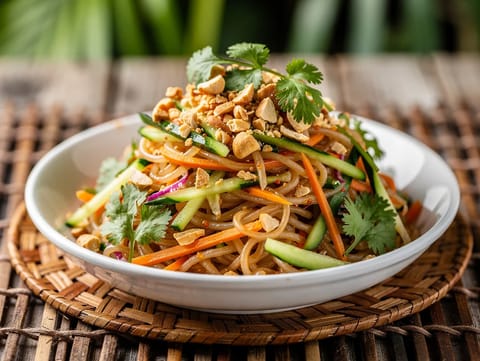
Rice noodle salad with spicy lime dressing and peanuts
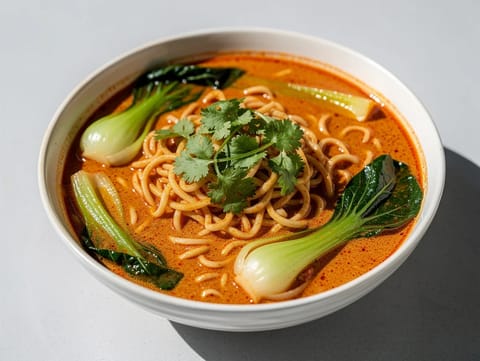
Thai curry ramen with coconut milk, pak choi and lime
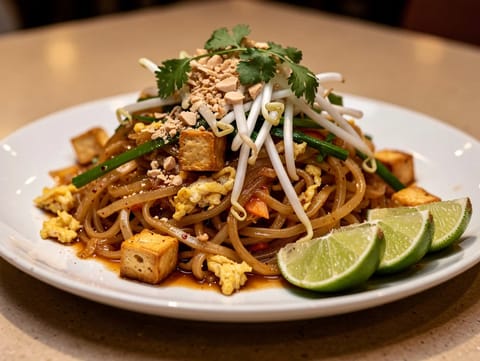
Vegetable Pad Thai with tofu, egg and roasted peanuts
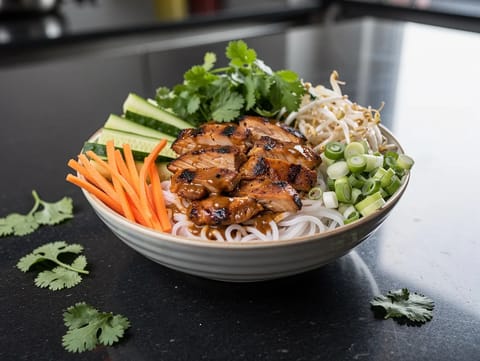
Satay chicken bowl with rice noodles and tangy dressing
Brothy noodle soups depend on timing: noodles can go from pleasantly tender to overly soft if they sit in hot liquid for long. Stir-fried noodle dishes are about high heat and quick movement, often with a sauce that coats rather than pools. Saucy noodle bowls sit between the two, with enough liquid to cling and season but not so much that the noodles float. Chilled noodle salads lean on sharp dressings and aromatic toppings, and they benefit from noodles that stay resilient when cold. Baked noodle dishes, including casseroles and gratins, deliberately soften the noodles as they absorb sauce, giving a sliceable, spoonable texture.
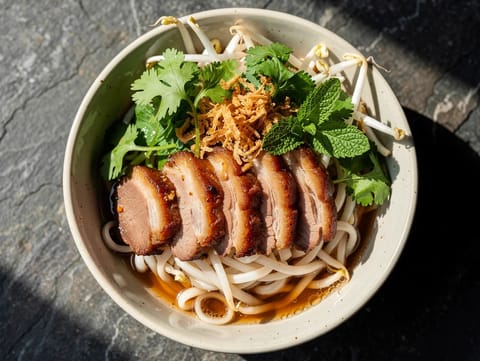
Hoi An noodles with roast pork, herbs, sprouts and fried shallots.
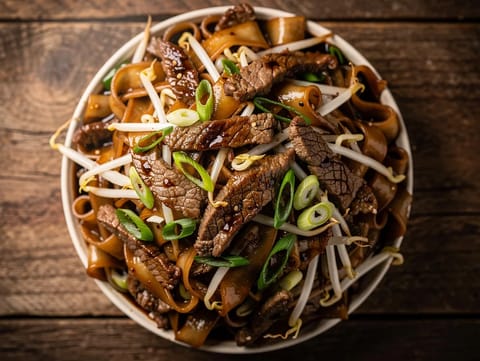
Cantonese beef stir-fried rice noodles with beansprouts
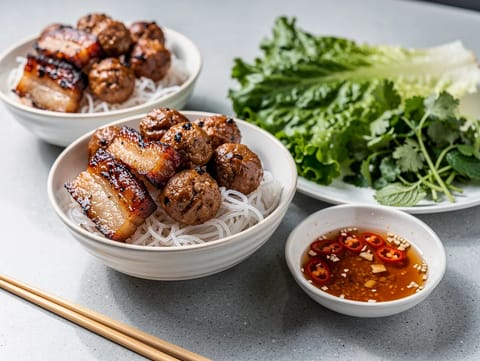
Grilled pork with nuoc cham, vermicelli, herbs and lettuce.
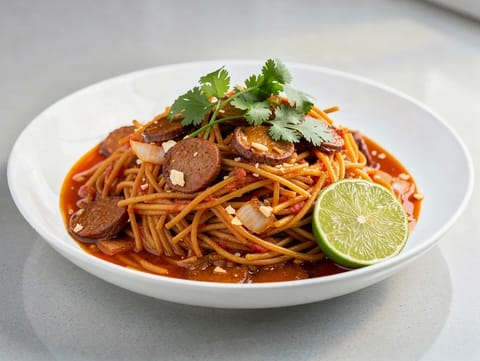
Toasted fideos simmered in tomato broth with chorizo
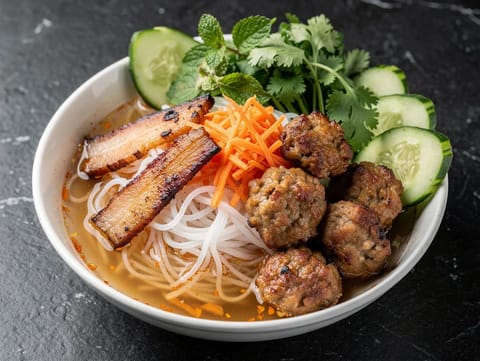
Grilled pork with rice vermicelli, herbs and dipping sauce
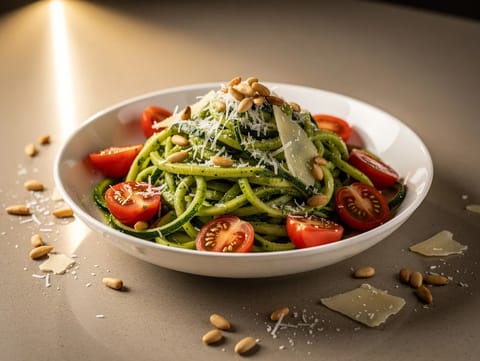
Courgette noodles with basil pesto, cherry tomatoes and Parmesan
Hot-tossed noodles with ginger and spring onion oil, soy sauce, vinegar and sesame
Tender beef rice noodle soup with fish sauce, basil, beansprouts and chillies
Cold wheat noodles with cucumber and spring onion in a spicy gochujang sauce
Chilled wheat noodles tossed with chilli garlic, soy, vinegar and cucumber
Soft egg noodles layered with Emmental, finished with crisp fried onions
Andong jjimdak braised chicken finished with glossy glass noodles and sesame
Noodles are a blank canvas, but they show seasoning quickly because there is a lot of surface area. Salty, savoury sauces often need a bright note, such as citrus, vinegar, pickled vegetables or fresh herbs, to keep the bowl lively. Richer, creamy or nut-based sauces pair well with crunchy toppings, toasted seeds or crisp vegetables for contrast. In brothy dishes, aromatic oils and fresh garnishes are not just decoration: they sit on the surface and hit your nose first, which makes the whole bowl taste more complex. If you are serving noodles as part of a larger spread, keep side dishes lighter and sharper so the meal does not become uniformly soft and starchy.
Cuisine is a natural companion to noodle dishes because noodle traditions are strongly regional, and the same ingredient can be treated very differently across countries. Cooking method is equally useful: boiling, stir-frying, baking and assembling chilled noodles each produce distinct textures and determine when and how you season the dish.
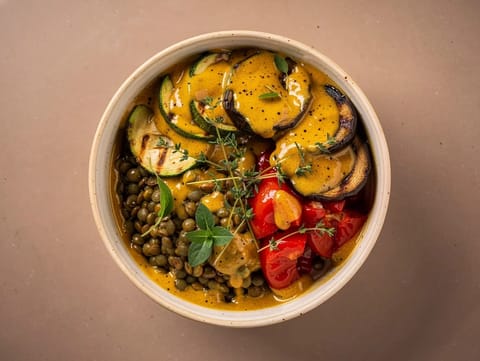
Green lentils with roasted courgette, aubergine and red pepper
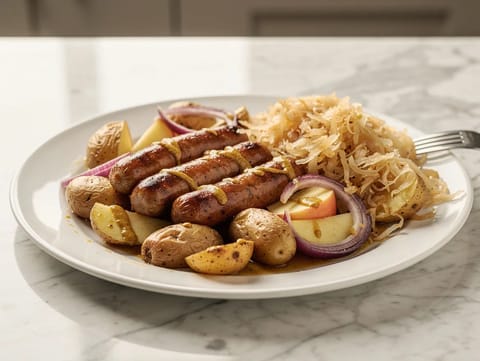
Bratwurst traybake with potatoes, apple, onion and sauerkraut
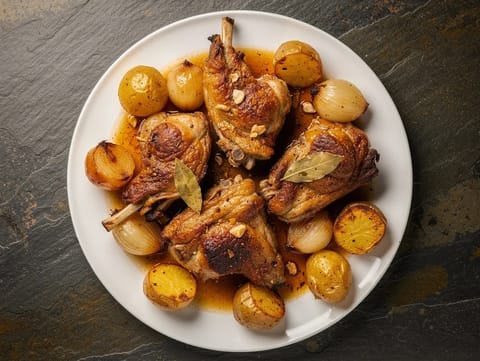
Roast kid goat with potatoes, onions, olive oil and white wine
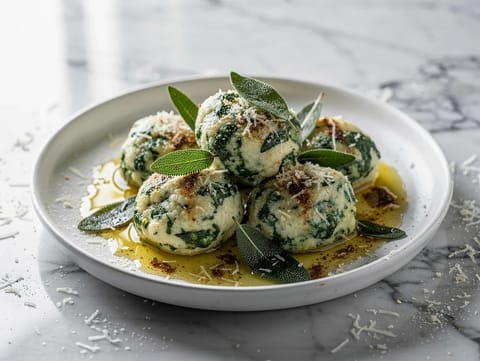
Soft spinach and ricotta gnudi finished with butter and sage
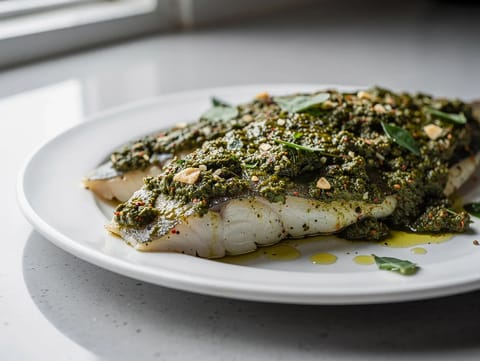
Baked white fish topped with chermoula coriander and spices
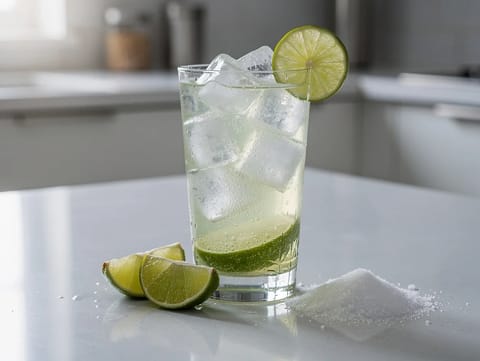
Fizzy lime drink with sugar, salt and ice
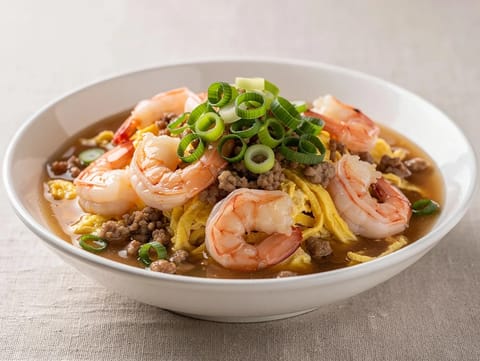
Prawns in silky lobster sauce with minced pork and egg ribbons
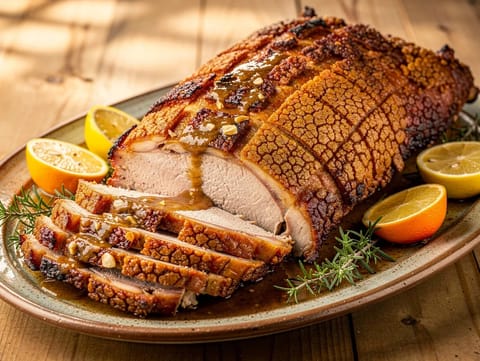
Slow-roasted suckling pig with garlic and orange
Noodles keep absorbing liquid and heat. In soups and saucy dishes, they can soften quickly if they sit in broth or sauce for long, especially thinner noodles.
No. Thickness, ingredients and whether noodles are fresh, dried or pre-cooked all affect timing and how they respond to rinsing, soaking or frying.
In a soup, noodles are served in a broth that you can sip. In a saucy bowl, the liquid is reduced or thickened so it coats the noodles rather than surrounding them.
Not always. Many are served cool or at room temperature, but the defining feature is usually a dressing-led format rather than a hot sauce or broth.
It depends on the noodle type, but separating them well before they hit the pan and using enough heat and movement helps. Some noodles benefit from a brief rinse or oiling, others do not.
Some can, but texture is the limiting factor. Sauces and toppings often hold well, while noodles may be best cooked close to serving or kept separate from liquid.
Decide first whether you want broth, sauce, a stir-fry or a bake. Once the format is clear, you can choose noodles that suit it, and you will know whether the recipe needs speed, high heat or time to absorb flavour.
