
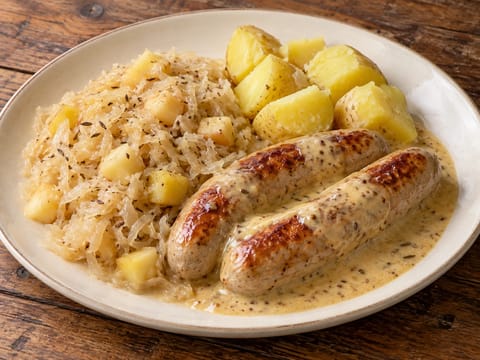
Bratwurst with Sauerkraut and Mustard Sauce
Pan-fried bratwurst with sauerkraut and mustard sauce
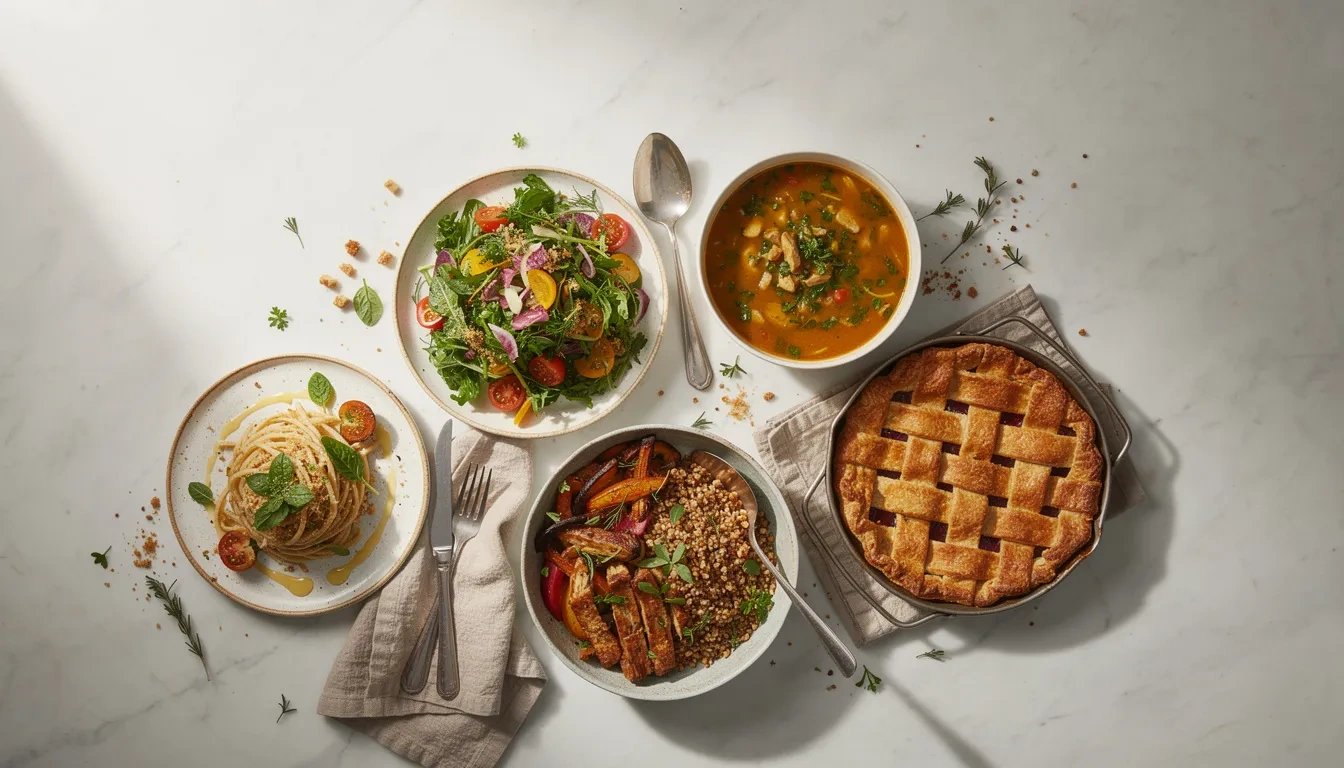
A one-pot dish is defined by workflow: the main components cook in a single pot or pan, so flavour builds in layers and washing-up stays contained. That does not mean everything goes in at once. The best one-pot recipes manage timing, adding ingredients in stages so vegetables keep their shape, grains cook through, and proteins stay tender. If you are choosing between options, look first at the cooking method and the type of starch involved, because those two details largely determine texture, liquid levels and how hands-on the recipe will feel.
Some one-pot dishes are liquid-led, such as soups, stews and braises, where ingredients simmer together and the pot does most of the work. Others are starch-led, like rice dishes, pilafs and risottos, where the grain’s absorption sets the rhythm of cooking. One-pot pasta and noodle dishes sit in between: the pasta cooks in a measured amount of liquid that becomes the sauce, which can be silky when it works and gluey if the balance is off. Traybake-style “one-pan” meals share the same promise but rely on dry heat and spacing rather than simmering. Each format has its own logic for when to brown, when to cover, and when to reduce.
Pan-fried bratwurst with sauerkraut and mustard sauce
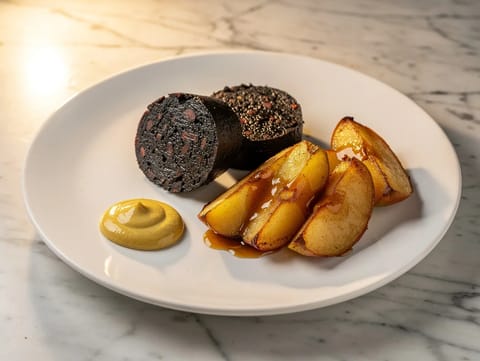
Crisp pan-fried blood sausage served with caramelised apples
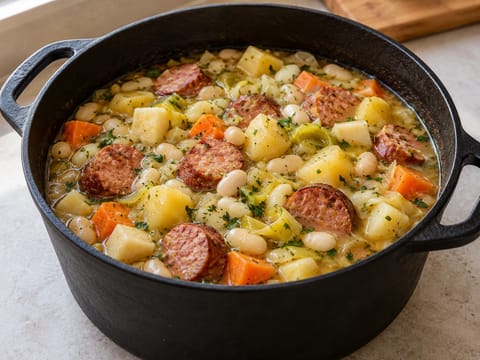
German one-pot stew with smoked sausage, beans and potatoes
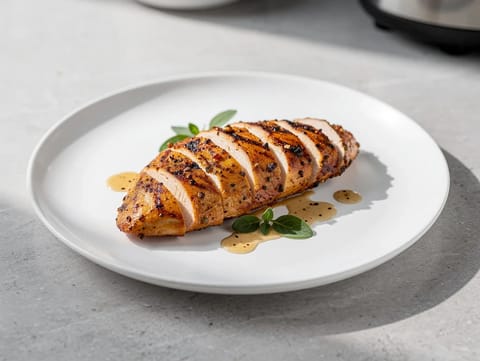
Air-fried chicken breast marinated with soy, lemon, garlic and honey.
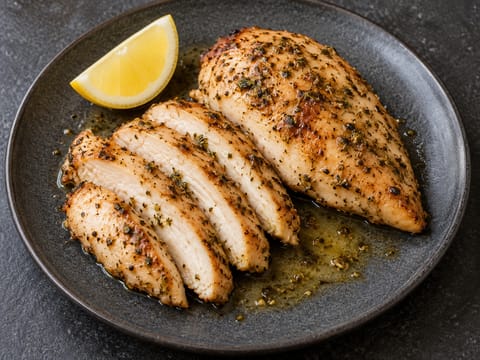
Air fried chicken breasts with herbs, garlic and lemon.
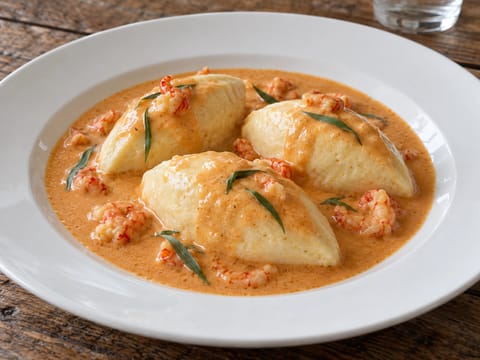
Poached pike dumplings served with creamy crayfish Sauce Nantua
If you want deeper savoury flavour, choose recipes that start by browning meat or vegetables, then deglazing the pot so those browned bits dissolve into the sauce. For a cleaner, lighter result, look for gentler methods such as poaching, steaming under a lid, or simmering aromatics without heavy browning. Consider the starch: dishes where rice, beans or pasta cook in the pot are convenient, but they are sensitive to liquid and stirring, and they often thicken as they stand. If you prefer a dish that holds its texture for serving, choose one-pot meals where the starch is cooked separately or where the final texture is meant to be spoonable, like a stew or dhal-style dish.
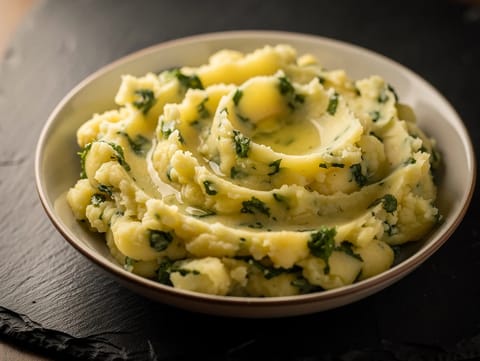
Warm Dutch potato and endive mash with mustard
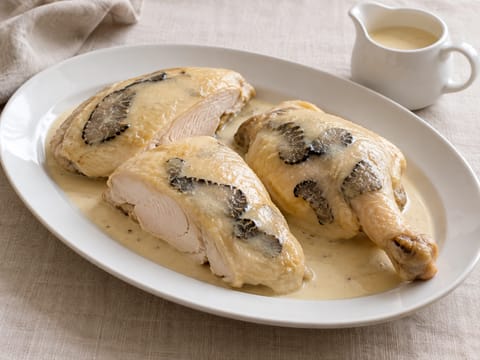
Poached chicken with black truffle under the skin and cream sauce
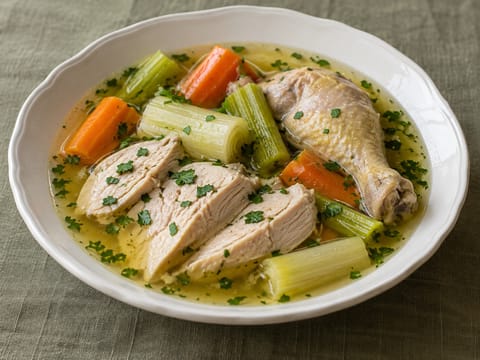
Simmered chicken with carrots, leeks, celery and clear broth
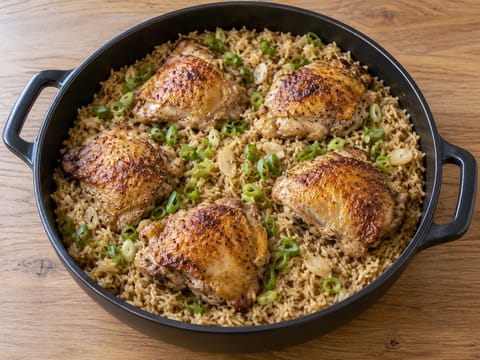
One-pot chicken and jasmine rice with soy, garlic and ginger.
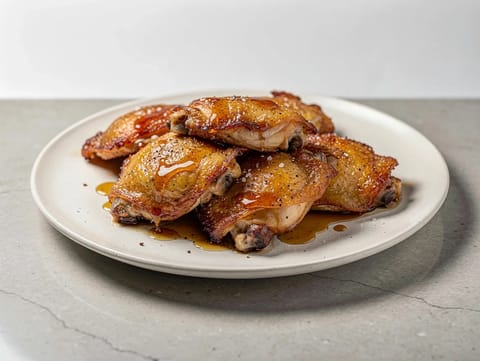
Crisp air-fried chicken drizzled with hot honey sauce.
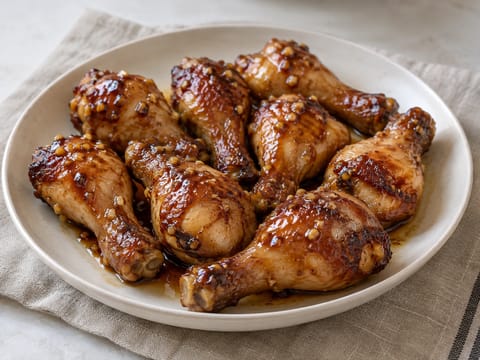
Air-fried drumsticks coated in a sticky honey garlic glaze.
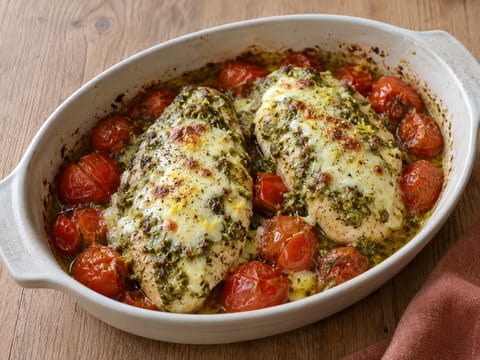
Air-fried chicken topped with pesto, mozzarella and tomatoes.
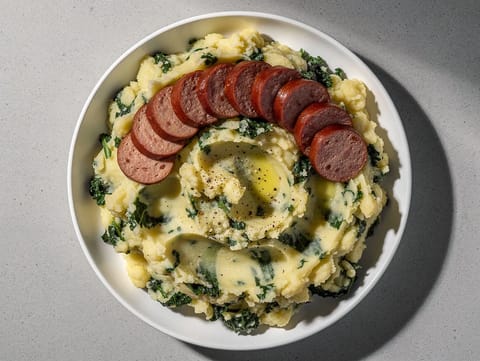
Potato and kale mash topped with smoked sausage
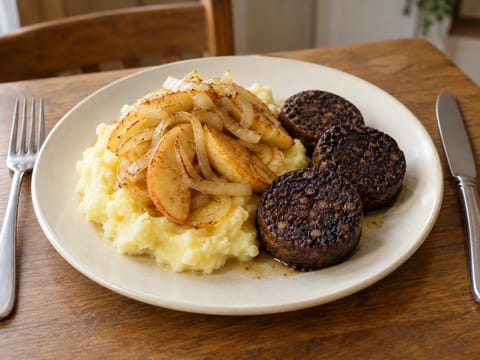
Black pudding with fried apples and creamy mashed potatoes
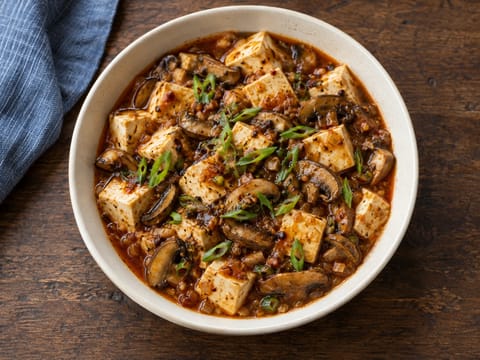
Vegetarian mapo tofu with mushrooms in a spicy sauce
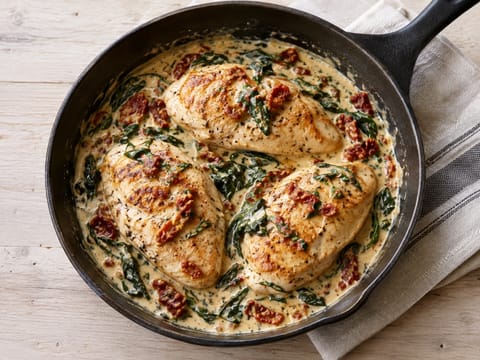
Creamy chicken with spinach, sun-dried tomatoes and Parmesan
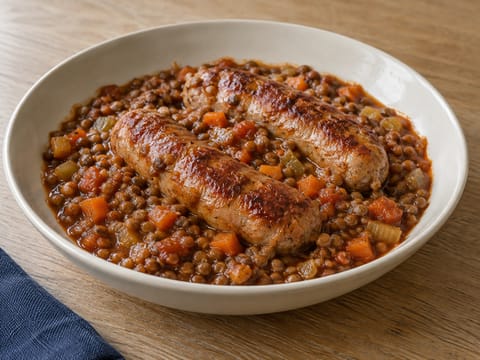
Italian sausage and lentils braised in a tomato and herb sauce
One-pot dishes often benefit from a contrasting element added at the end: a squeeze of citrus, a spoon of yoghurt, chopped herbs, or something crisp like toasted nuts or breadcrumbs. These finishing touches lift flavours that can otherwise taste muted after simmering. If the dish is rich and saucy, a simple salad or lightly dressed vegetables can provide crunch and acidity. If it is broth-based, bread or flatbreads are practical for serving. When you are feeding a group, think about the pot-to-table moment: dishes that thicken quickly may need loosening, while dry, roasted one-pan meals can benefit from a sauce or dressing served alongside.
Cooking method is closely tied to one-pot success, since simmering, braising, roasting and pressure-style cooking all produce different textures and levels of hands-on time. Time is also a useful companion when you are choosing: some one-pot dishes are genuinely quick, while others rely on slow cooking to tenderise and concentrate flavour.
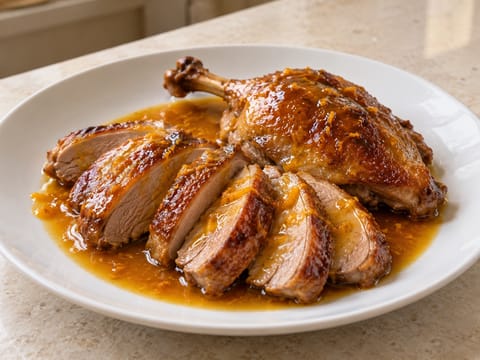
Roast duck with a glossy orange sauce finished with butter
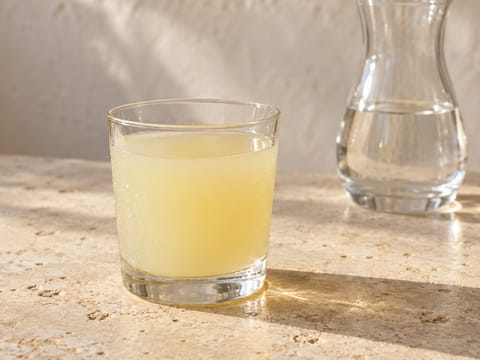
French pastis diluted with cold water until cloudy
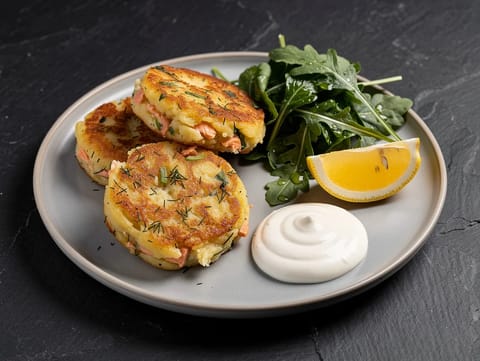
Crisp salmon and potato cakes with lemon
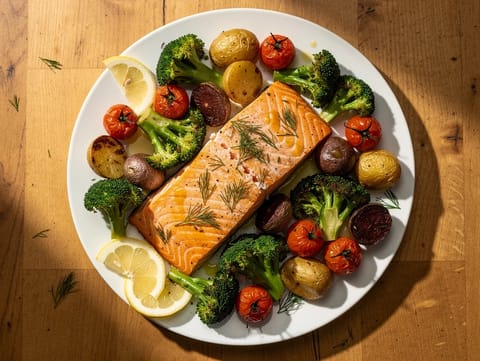
Sheet pan salmon with potatoes, broccoli and cherry tomatoes
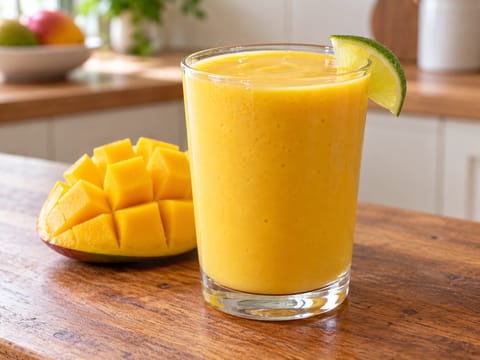
Blend mango with condensed milk, whole milk and ice.
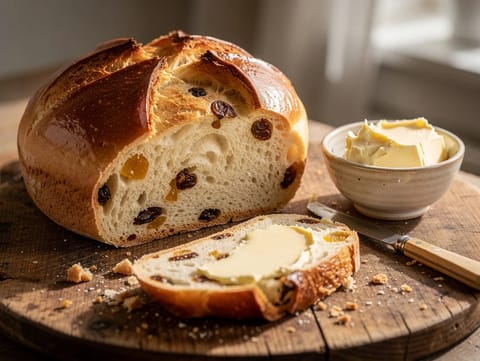
Lightly sweet German Easter bread with raisins and candied peel
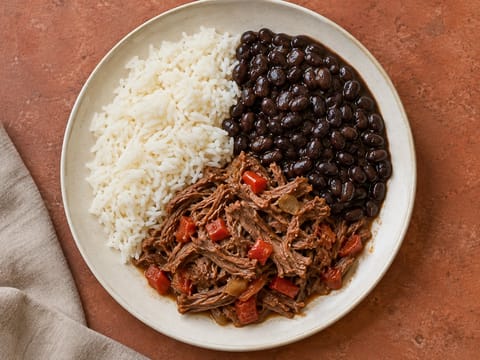
Shredded beef with black beans and rice in Venezuelan style.
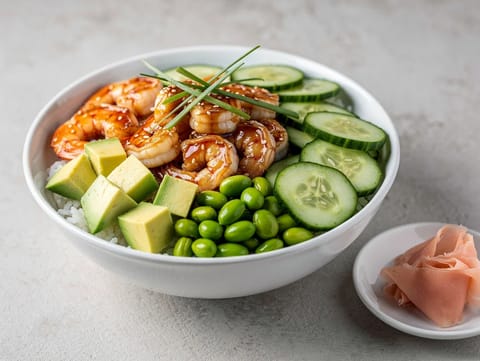
Shrimp poke bowl with sushi rice, avocado and edamame.
Not usually. Many one-pot dishes work best when ingredients go in stages, so aromatics can soften, proteins can brown, and quick-cooking vegetables are added later.
Pasta releases starch into the cooking liquid. If there is too little liquid, too much stirring, or the heat is too low, the starch can concentrate and become gluey rather than silky.
No. They can include rice dishes, pasta cooked in its sauce, braises, curries, and dry-heat one-pan meals cooked in the oven.
Often, yes. Many are easy to serve family-style. The main consideration is timing, since some dishes thicken or lose their ideal texture if they sit too long before serving.
It depends on the starch and sauce. Some dishes improve as flavours meld, while pasta and rice-based dishes can continue to absorb liquid and soften.
Crowding the pot or skipping stages. If you do not give ingredients space to brown or time to soften before adding liquid, the final flavour and texture can be flatter.
Choose a one-pot dish by its method and starch, then follow the recipe’s order of additions closely. That sequencing is what keeps the promise of minimal washing-up without sacrificing texture or flavour.
