
Quick Pickled Turnips (Middle Eastern Style)
Crisp pickled turnips brined with beetroot, garlic, bay leaves and white wine vinegar

Pickles and ferments both bring acidity and bite, but they get there in different ways. A quick pickle is usually about speed and crunch, while fermentation is about gradual flavour development and a softer, more integrated tang.
If you’re choosing between methods, think about what you need most: a sharp lift for a meal today, or a jar that develops complexity over time. The ingredients can look similar, but the workflow and results are not interchangeable.
Pickling typically means preserving or flavouring food in an acidic liquid, often vinegar, sometimes with sugar, salt and spices. The acidity is immediate, so the flavour is direct and the texture can stay crisp, especially with vegetables that are naturally firm.
Fermenting relies on salt and time to encourage beneficial microbes to acidify the food. The acidity builds gradually, and the flavour tends to be rounder and more savoury, sometimes described as “funky”. Texture can change as the ferment progresses, from crunchy to more yielding.
Because fermentation is a living process, it requires clean equipment and careful attention to method. Recipes vary in salt levels, temperatures and timing, so it’s important to follow a trusted set of instructions closely.
Crisp pickled turnips brined with beetroot, garlic, bay leaves and white wine vinegar
Lightly fried herring marinated in a warm, spiced vinegar brine with onions
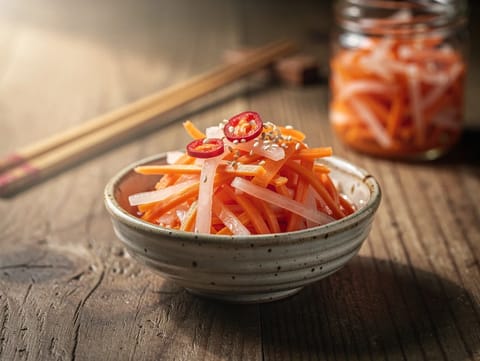
Crisp pickled carrot and daikon in sweet vinegar brine
Quick pickles are often made by pouring a hot or cold brine over sliced vegetables and letting them sit until lightly cured. They’re designed for brightness and speed, and they suit thin slices and small pieces.
Vinegar pickles that are cooked or processed tend to have a firmer, more assertive sourness and can take stronger spices well. They’re often used when you want a pickle that keeps its character alongside rich foods.
Vegetable ferments are usually salted and packed so the vegetables release their own liquid. The flavour develops over days, and aromatics like garlic, chilli or ginger can mellow and spread through the jar rather than sitting on the surface.
Crisp pickled carrot and daikon in sweet vinegar brine
Lightly fried herring marinated in a warm, spiced vinegar brine with onions
Crisp pickled turnips brined with beetroot, garlic, bay leaves and white wine vinegar
Choose quick pickles when you want a clean, sharp contrast and you don’t want to wait. They’re particularly useful for adding crunch and acidity to bowls, sandwiches and grilled foods.
Choose vinegar pickles when you want a more pronounced, stable sourness and a spice profile that stays bold. They can be sliced, chopped or served as a side, depending on the cut.
Choose fermentation when you want depth and savoury complexity, and you’re happy to give the jar time. Because fermentation continues to change, it helps to taste as you go and stop the process when the balance suits you.
If you’re new to fermenting, start with a straightforward vegetable ferment before moving on to more complex projects.
Cooking method is the most useful next step here, because quick pickling, vinegar pickling and fermentation each have distinct processes and safety considerations. Cuisine can also be a helpful lens, as many food cultures have their own signature pickles and fermented condiments.
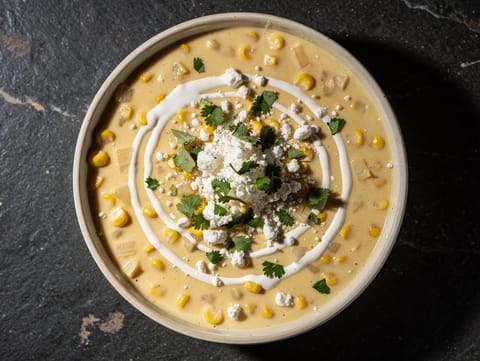
Creamy Mexican sweetcorn soup finished with crema and lime
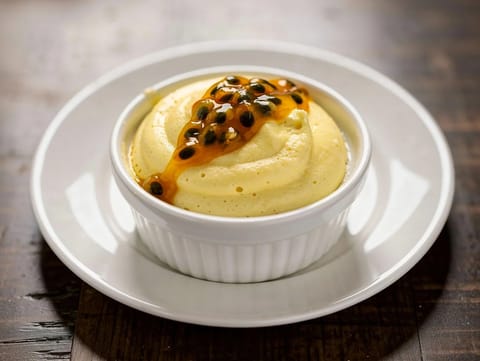
Chilled passion fruit mousse made with condensed milk and cream
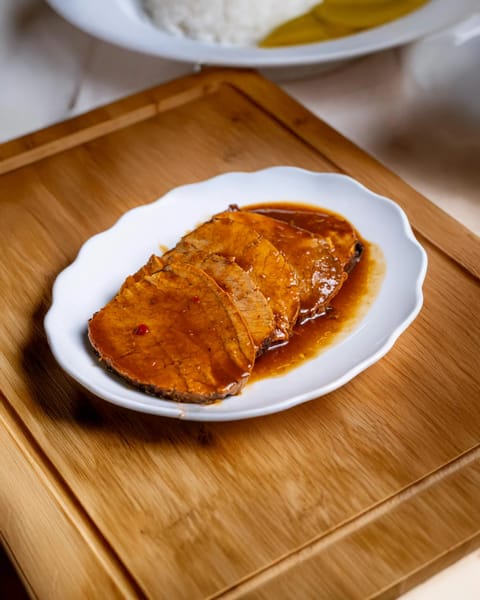
German pot roast with tangy gravy thickened with gingersnaps
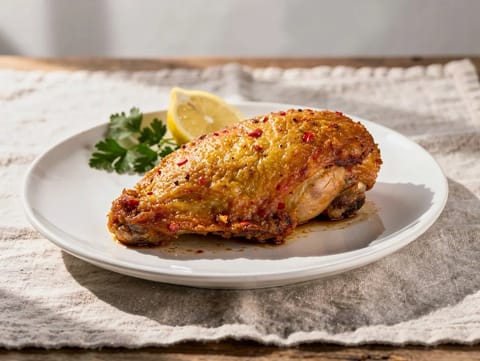
Spiced, hot-sauce chicken turns crisp and tender in the air fryer.
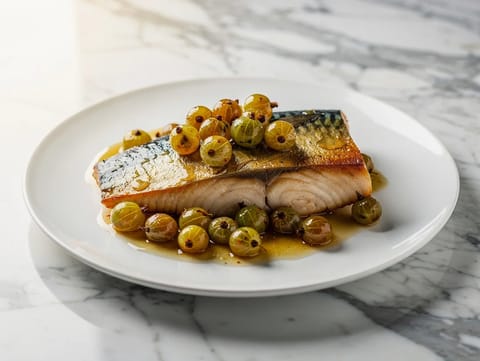
Crispy mackerel topped with warm gooseberry sauce
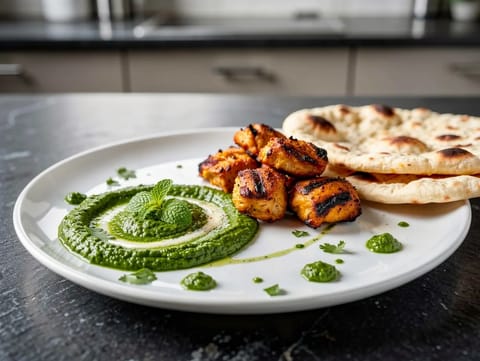
Grilled chicken tikka with coriander and mint chutney
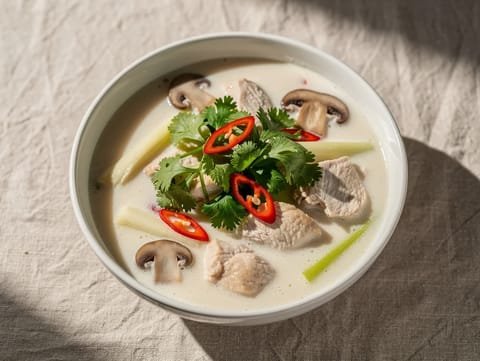
Thai coconut soup with chicken, galangal and mushrooms
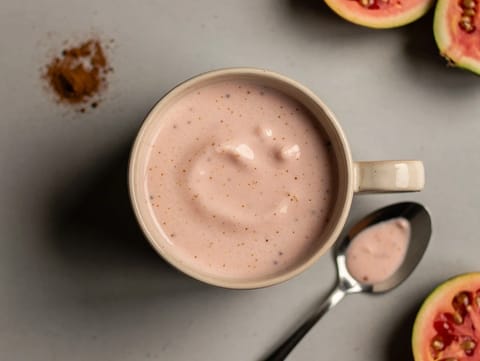
Warm guava atole thickened with masa harina and milk
No. Quick pickles are acidified with vinegar (or another acid) for immediate tang. Fermented pickles become acidic over time through fermentation, which changes flavour and texture differently.
They are typically tangy, but the flavour can also be savoury and complex. The balance depends on ingredients, salt level and how long the ferment is left.
Crunch depends on the vegetable, the cut, and the method. Quick pickles often stay crisper; longer curing or fermentation can soften cell structure over time.
Not always. Many ferments can be made with a clean jar and a way to keep vegetables submerged. Some recipes use weights or airlocks for convenience and consistency.
Fermentation can be safe when done correctly, but it is method-sensitive. Follow a reliable recipe closely, use clean equipment, and pay attention to signs the ferment is not progressing normally.
When you decide whether you want immediate sharpness or slow-building complexity, the right recipe becomes clearer. From there, focus on cut size and seasoning, because those two choices do most of the work in texture and aroma.
