
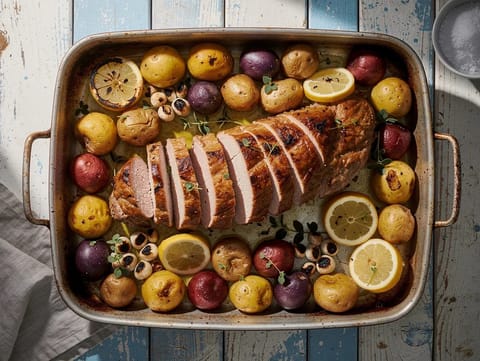
Greek-Style Christmas Pork Roast with Lemon, Garlic and Potatoes
Greek-style pork roast with lemon, oregano and tray potatoes

A roast is defined less by a specific ingredient and more by the method: dry heat in an oven (or similar) that browns the outside while cooking the centre through. That method can be weeknight-friendly, as with a hot oven and smaller cuts, or slower and more hands-off for larger joints. The practical choices are consistent across styles: how much surface browning you want, how evenly you need the centre cooked, and whether you are aiming for neat slices, pull-apart tenderness, or crisped edges. This page helps you compare roasting approaches so you can pick one that suits your time and your table.
Roasting uses dry heat to cook food uncovered, encouraging browning through caramelisation and the Maillard reaction. It is commonly associated with meat, but vegetables, poultry, fish and even fruit can be roasted. The term does not automatically mean a large joint or a formal meal. Many roasts are simply ingredients cooked on a tray at a temperature high enough to brown. What matters is exposure to hot air and a relatively dry surface. That is why patting ingredients dry, using enough space on the tray, and choosing a pan that can handle heat all influence the result. Covered cooking and wet braising sit outside the classic roast definition, even if the finished dish is served in slices.
Greek-style pork roast with lemon, oregano and tray potatoes
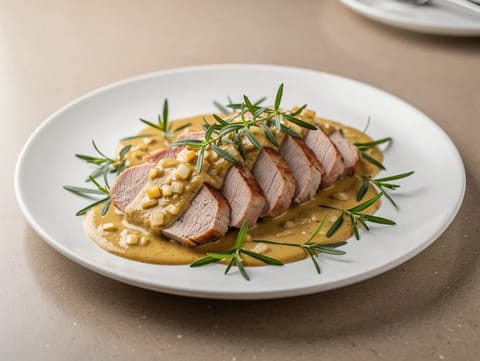
Seared pork tenderloin with Dijon and tarragon cream sauce
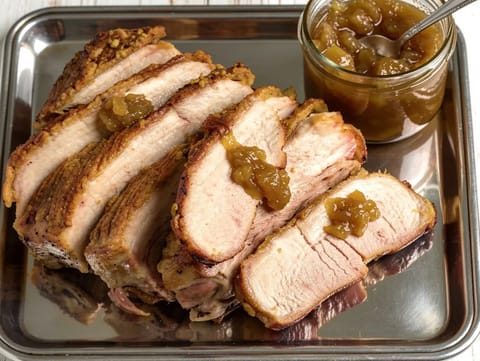
Slow-roasted pork belly with crisp crackling and apple chutney
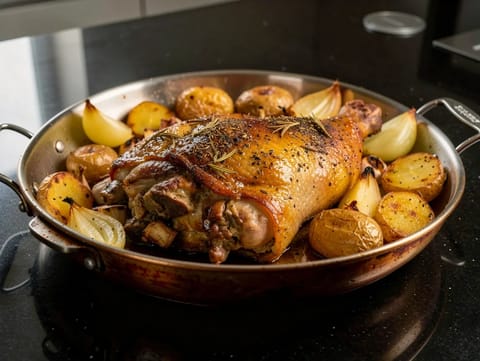
Greek slow-roasted lamb with lemon, oregano and potatoes
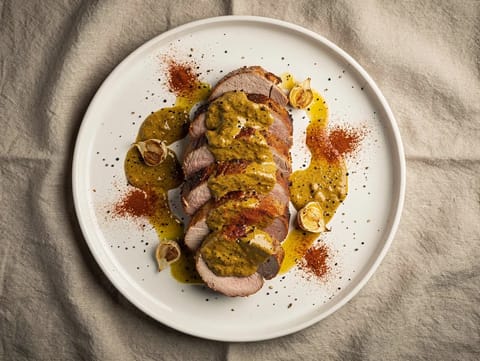
Juicy pork tenderloin with a honey mustard glaze
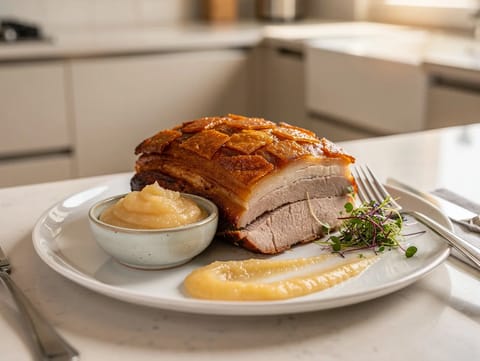
Slow-roasted pork shoulder with crisp crackling and apple sauce
High-heat roasting suits smaller cuts and vegetables, giving deep colour and crisp edges before the interior overcooks. Lower, slower roasting is often used for larger joints where you want the centre to cook evenly and stay juicy, with browning built gradually or finished with a hotter blast. Traybake-style roasts cook multiple components together, which is convenient but means you need to consider how quickly each ingredient browns and releases moisture. Pot-roast and covered roasting methods sit on the border between roasting and braising: they trade crisp surfaces for tenderness and a built-in sauce. Spit-roasting and rotisserie-style cooking add self-basting and even browning, but the same principles of surface drying and resting still apply.
Crisp-skinned grilled trout served with warm brown butter, capers and lemon
Mechoui-style oven roast lamb, slow-cooked until tender and served with lemon
Roast turkey rubbed with guajillo, garlic and orange, served with pan juices
Salmon glazed with soy, mirin and sugar, topped with spring onions and sesame
Crisp roast duck with apples and prunes, served with rich gravy
Italian Christmas capon with a savoury breadcrumb and pancetta stuffing, roasted until crisp
For speed, choose smaller pieces: spatchcocked poultry, chops, fillets, or chopped vegetables roast faster because heat reaches the centre quickly. If you want minimal attention, look for recipes that tolerate a wider doneness window, such as chicken thighs or root vegetables, rather than very lean cuts that dry out if overcooked. Consider whether the recipe relies on a resting period. Resting is not just tradition; it allows juices to redistribute and makes slicing cleaner, which matters if you are serving carved portions. If you need built-in leftovers, roasts that are served in slices or chunks are easier to repurpose than dishes that depend on a crisp surface that softens once chilled.
Cooking method is the most useful companion to roasting, especially if you want to compare oven roasting with grilling, braising or pan-roasting for similar ingredients. Cuisine can also help when you want roast flavours that lean towards particular spice rubs, marinades or traditional accompaniments.
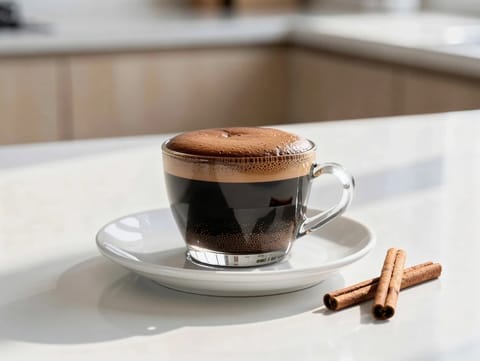
Foamy coffee warmed with ground cinnamon
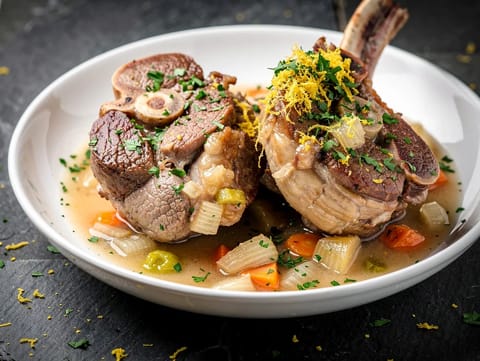
White-braised veal shanks finished with parsley and lemon zest gremolata
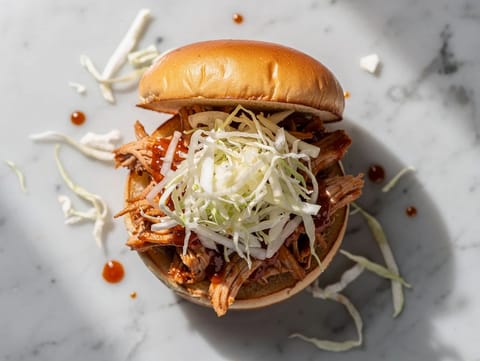
Pulled chicken in barbecue sauce, served in buns with slaw
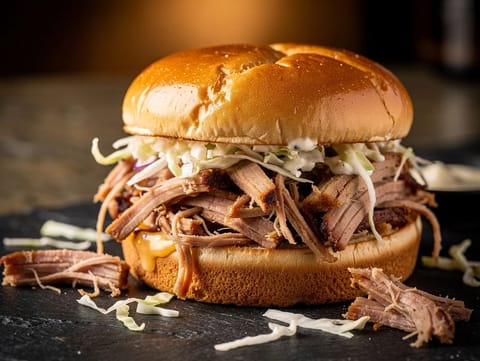
Slow cooked pulled pork in soft rolls with barbecue sauce
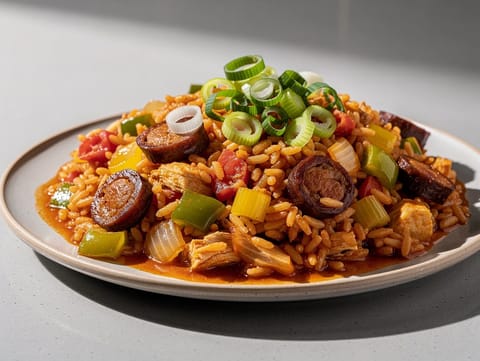
One-pot rice jambalaya with andouille sausage and peppers
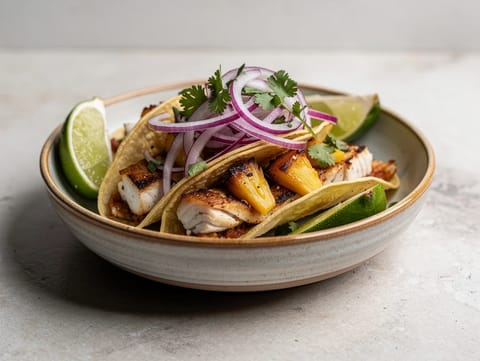
Fish tacos with chipotle adobo, pineapple, onion and coriander
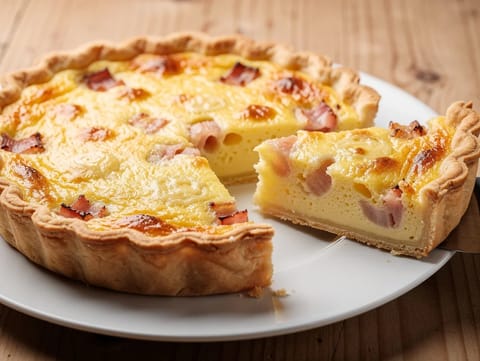
Quiche Lorraine with bacon custard and a green salad
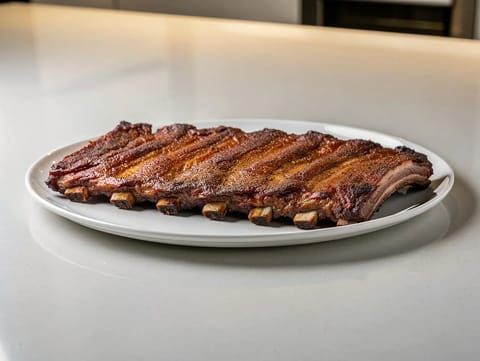
Oven-baked pork ribs with smoky dry rub and vinegar sauce
Browning needs a dry surface and enough heat. Crowding the tray, starting with wet ingredients, or using a pan that traps steam can slow browning and leave food pale.
Often, yes. Resting helps the meat relax and reabsorb some juices, which makes carving neater and the slices less likely to leak onto the board.
In home cooking the terms overlap, but roasting usually implies uncovered dry heat with an aim of browning and savoury flavour development, while baking is more often used for breads, cakes and pastries.
Sometimes. It depends on how quickly each item cooks and how much moisture it releases. Recipes that combine them usually manage timing, tray space and cut size to keep everything browning.
Lean cuts can dry out quickly, and carryover heat continues cooking after the roast leaves the oven. Overcooking by a small margin, or slicing too soon, can both make the result seem drier.
That texture usually comes from collagen-rich cuts cooked long enough for connective tissue to soften. Some recipes achieve it with lower oven heat and time, sometimes with partial covering to reduce drying.
If you want crisp edges and deep colour, favour high heat and smaller pieces with space on the tray. If you want even slices and a juicy centre, choose a slower roast and plan for resting before you carve.
