
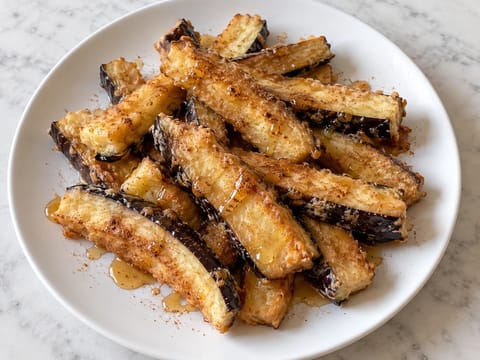
Berenjenas Fritas con Miel (Fried Aubergine with Honey)
Crisp fried aubergine batons drizzled with honey
Snack bites are small, self-contained pieces designed to be picked up and eaten in one or two mouthfuls. The category covers both sweet and savoury options, and the most useful way to compare recipes is by how the bite is held together: chilled and pressed, baked, fried, or simply assembled.
Because they are portioned small, texture is the main success factor. A good snack bite needs enough structure to handle, but not so much dryness that it feels crumbly. Recipes often solve this with a binder, a set batter, melted cheese, or a sticky syrup, depending on the style.
The defining feature is size and handling: these are meant to be eaten without cutlery, often shared from a plate or packed for later. That makes them different from larger snacks such as slices of cake or big sandwiches, and different from dips and spreads that need something to scoop.
Snack bites can be cooked or no-cook, but they nearly always rely on a deliberate structure. Sweet versions might use dates, nut butters, oats or chocolate to bind; savoury versions might use egg, cheese, mashed potato, minced meat or a thick batter. The small format also changes seasoning. A bite that is eaten quickly can taste under-seasoned if the flavour is too subtle, especially once it cools.
Crisp fried aubergine batons drizzled with honey
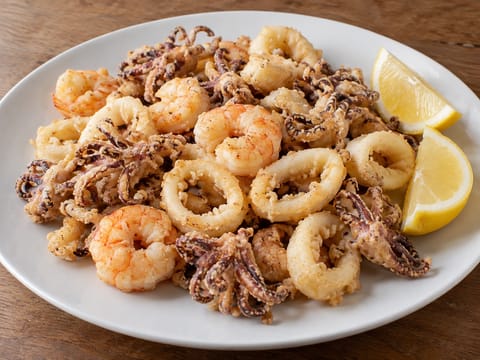
Crisp fried squid and prawns with lemon
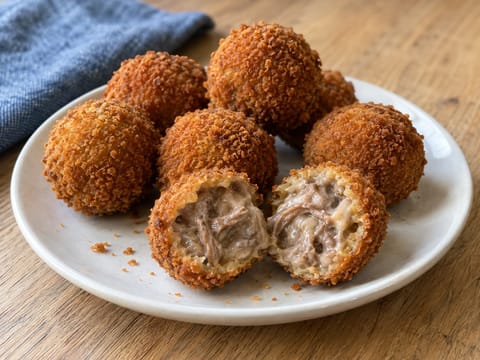
Dutch beef ragout balls, breaded and fried until crisp
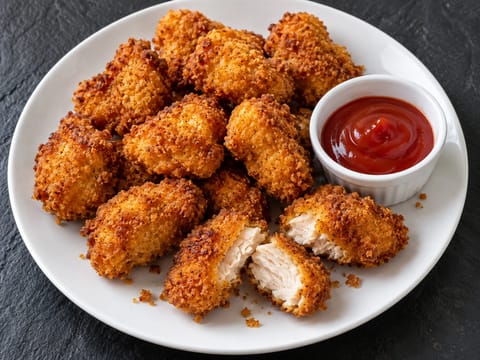
Crisp air fryer chicken nuggets with seasoned breadcrumbs.
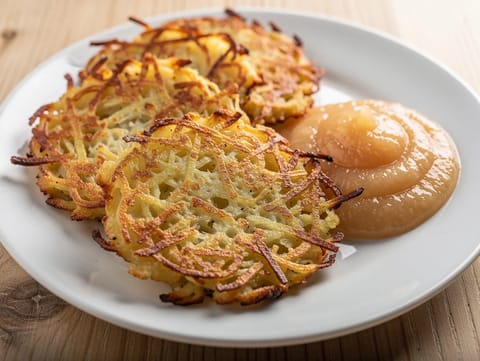
Crisp German grated potato cakes served with apple sauce
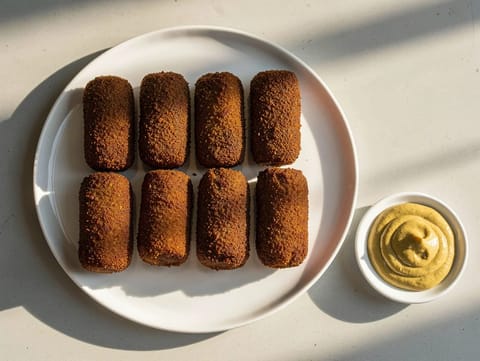
Dutch beef ragout croquettes with a crisp breadcrumb coating
No-cook bites are typically mixed, rolled and chilled. They often lean on sticky ingredients and fine textures so the mixture holds together without baking.
Baked bites include mini muffins, savoury pinwheels, stuffed pastry parcels and small fritter-style pieces baked until set. Baking tends to give a drier surface, so recipes may include cheese, oil-rich ingredients or a glaze to keep the bite from feeling chalky.
Pan-fried or deep-fried bites, such as croquette-style pieces, rely on a crisp exterior for contrast. They need a mixture that is firm enough to shape and a coating that browns quickly.
Assembled bites, such as small skewered or stacked pieces, depend on ingredient choice and cutting for stability rather than on a binder.
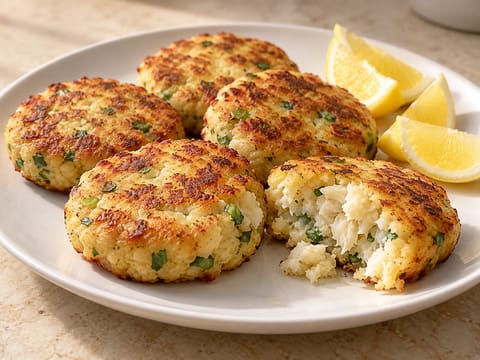
Crisp salt cod and potato cakes served with lemon
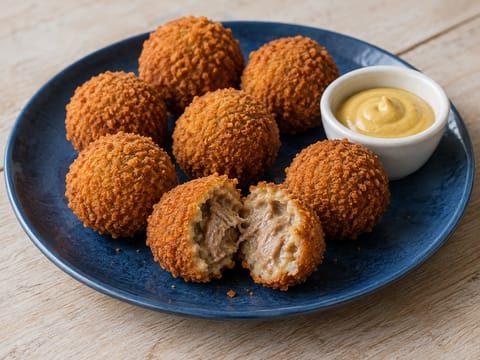
Crisp bitterballen filled with thick beef ragout
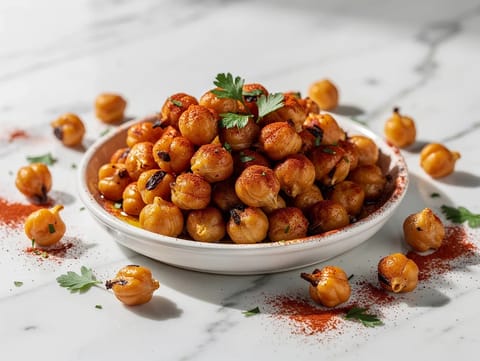
Crispy sautéed chickpeas with smoked paprika, garlic and vinegar
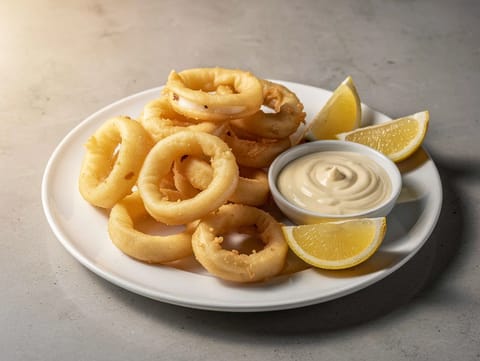
Crispy battered squid rings served with lemon and mayonnaise
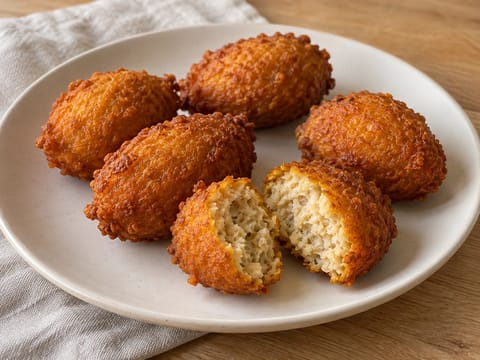
Black-eyed pea and onion fritters fried in palm oil
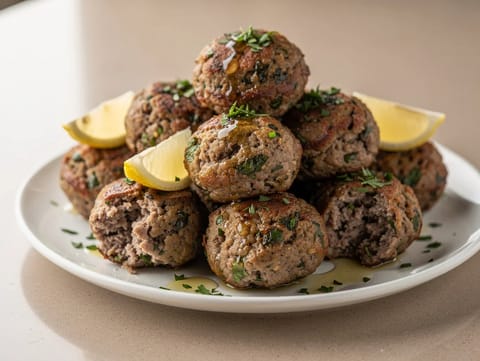
Pan-fried minced beef meatballs with herbs, breadcrumbs and lemon
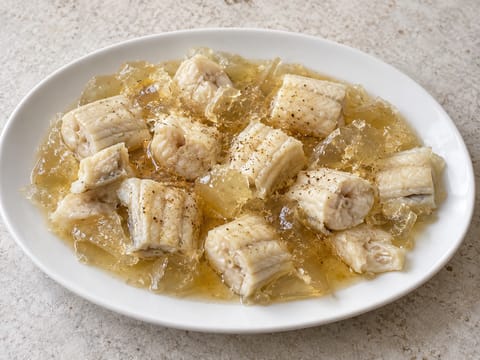
Chilled eel set in spiced jelly with malt vinegar
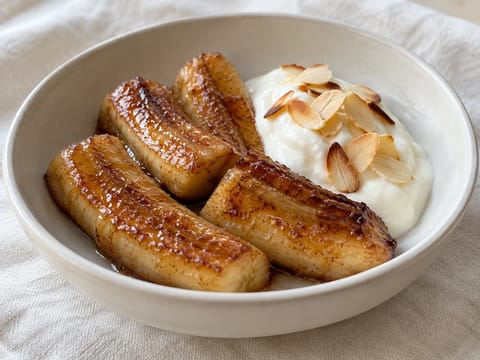
Caramelised bananas with cinnamon, yoghurt and toasted almonds.
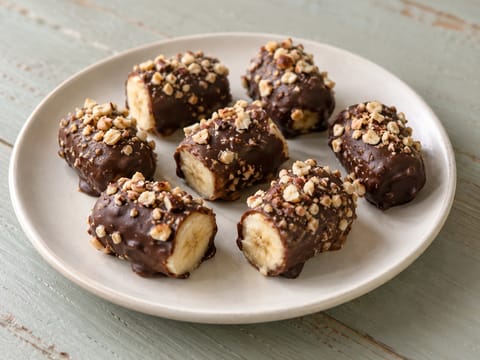
Warm air fried bananas dipped in dark chocolate and hazelnuts.
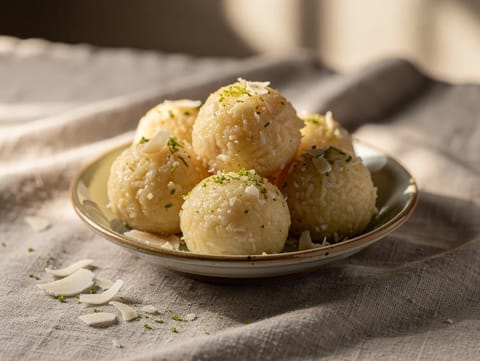
Chewy coconut sweets with vanilla and lime zest
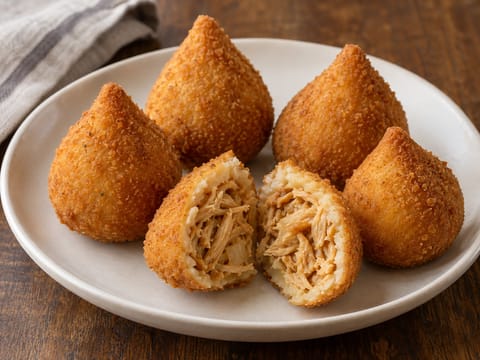
Brazilian chicken croquettes coated in breadcrumbs and fried
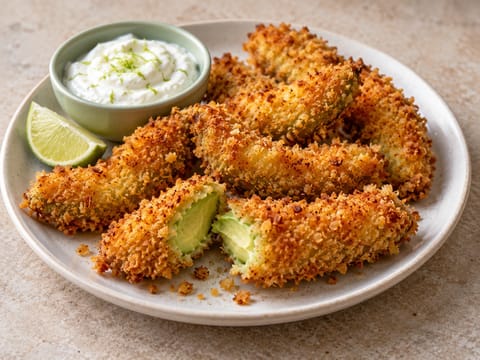
Crispy air-fried avocado fries with lime yoghurt dip.
If you want the least fuss, look for no-cook or simple baked options that can be portioned with a spoon or scoop. Shaped and coated bites are more hands-on, but they give a clear textural payoff.
For sharing, choose recipes that stay tidy at room temperature and do not weep moisture. Very juicy fillings and warm melted centres can be delicious, but they are more likely to soften pastry or make coatings slip.
If the bites are for a mixed group, pay attention to how strongly flavoured they are. Mild bases often benefit from a punchy dip or a bright garnish, while highly seasoned bites may be better with something cooling alongside. When comparing recipes, check whether the bite is designed to be served warm, chilled or at room temperature, as that affects texture and flavour balance.
Course is a natural companion because snack bites can sit anywhere from nibbles to party food, and it helps you compare similar small-format dishes by how they are served. Cooking method is also useful: baked, fried and no-cook bites have very different textures and levels of hands-on time.
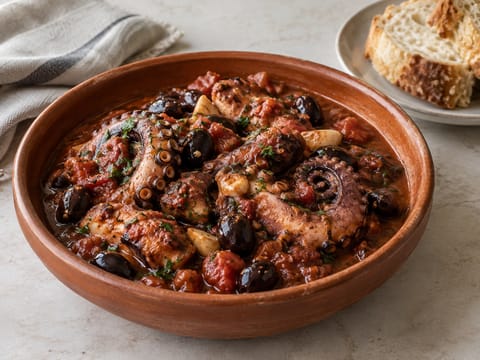
Octopus stew simmered with tomatoes, olives, white wine and chilli
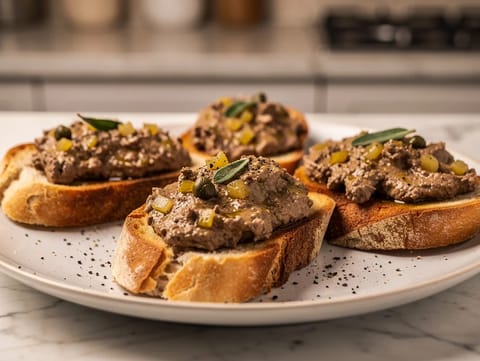
Toasted bread topped with rich chicken liver and capers
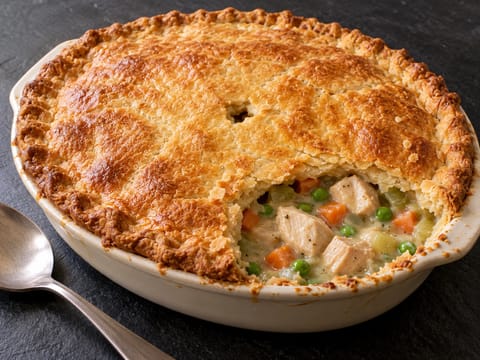
Chicken and vegetable pie with shortcrust pastry
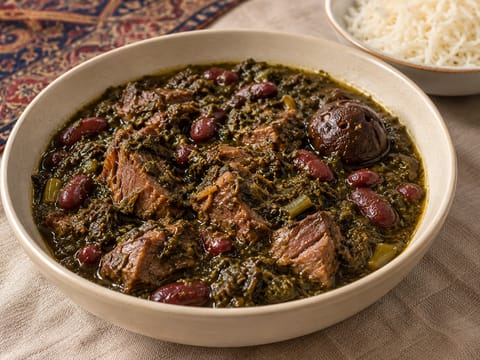
Persian herb and lamb stew with kidney beans and dried lime
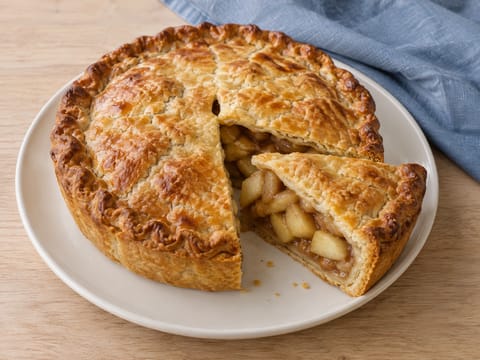
Small air fryer apple pie with buttery pastry and cinnamon.
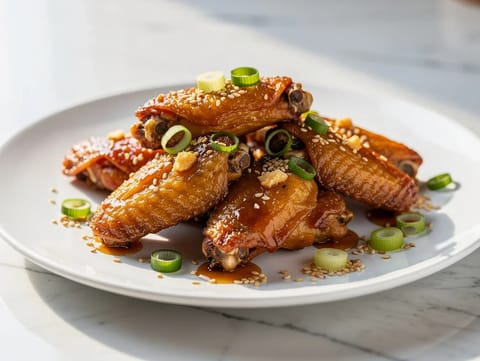
Air-fried wings tossed in honey garlic sauce with soy.
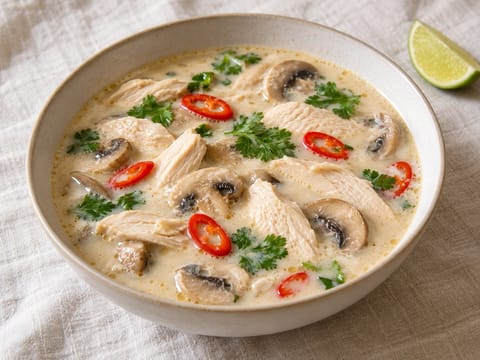
Thai coconut soup with chicken, galangal and mushrooms
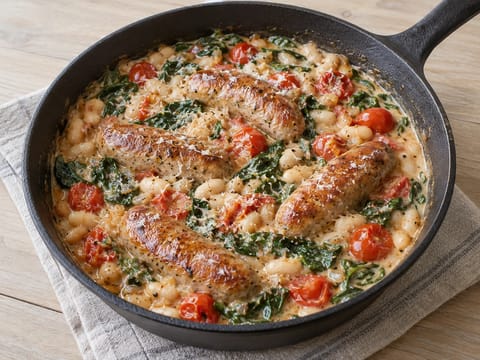
Creamy sausage skillet with cannellini beans and spinach
No. The term covers both sweet and savoury small pieces. The unifying idea is the bite-sized, hand-held format.
A binder or a set structure. Depending on the style, that might be sticky dried fruit, nut butter, egg, melted cheese, mashed potato, or a batter that firms as it cooks.
Not always, but dips can add moisture and contrast, especially for baked bites that have a drier surface or for mildly seasoned bases.
If the mixture is too wet or loosely packed, steam can force its way out during frying. A firmer mixture and a well-adhered coating help.
Many are designed to be fine at room temperature, but it depends on the recipe. Bites with melted cheese centres or delicate coatings often eat best warm.
Choose brighter flavours and lighter accompaniments: herbs, citrus, pickled elements or a yoghurt-based dip can lift richer bases without changing the bite format.
When you are choosing snack bites, decide how you want them to hold together: chilled and pressed, baked and set, or crisped in a pan. Once the structure is right, you can steer the flavour sweet or savoury and adjust the serving style for sharing or packing.
