
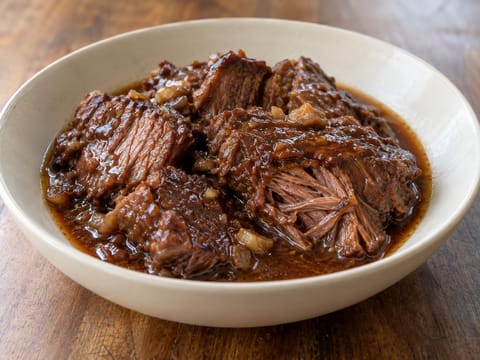
New Year Red-Braised Beef
Tender red-braised beef brisket in a glossy soy sauce
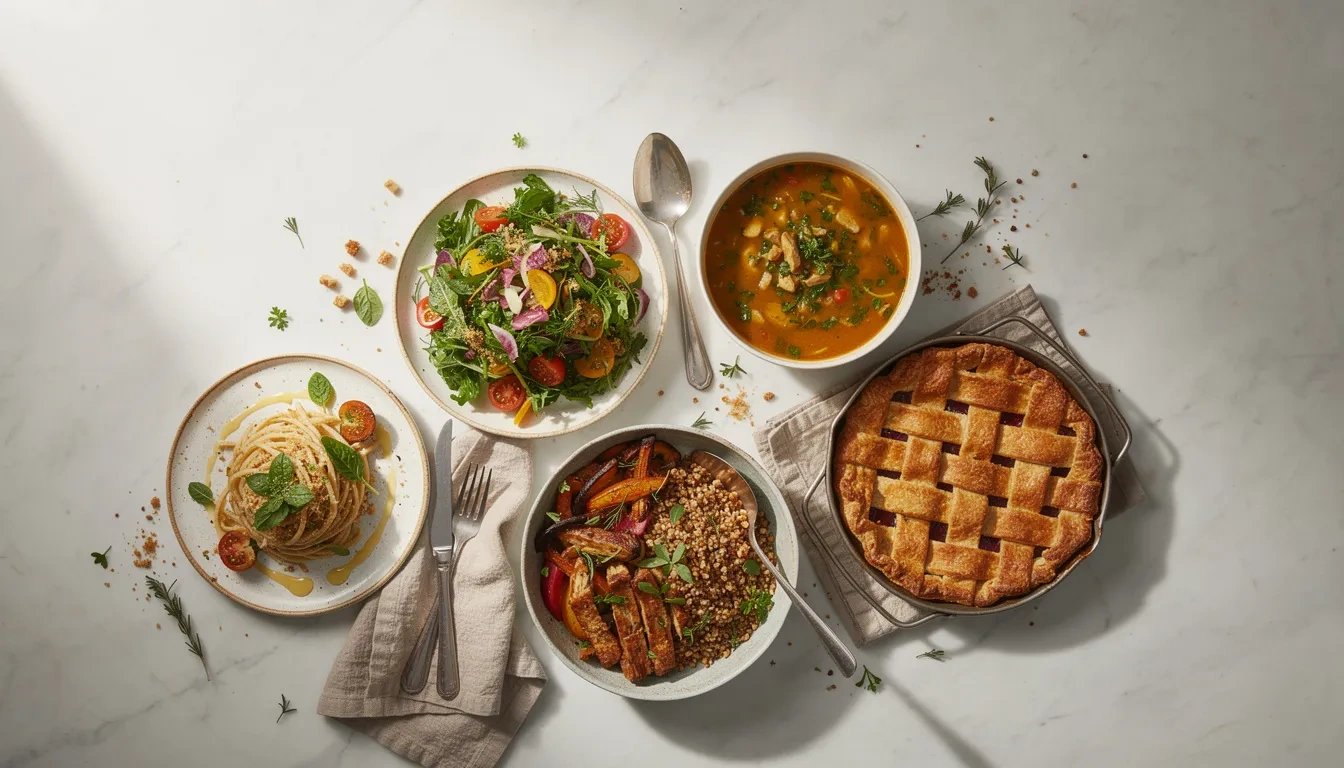
A stew earns its place at the table because it carries its own sauce. The cooking method is the point: gentle heat over time turns tougher cuts and firm vegetables tender, and gives you a broth that becomes glossy and cohesive rather than thin. That makes stews naturally guest-friendly, too. You can focus on the bowl, the bread and the finishing touches, instead of juggling last-minute pans.
A stew is a dish of pieces cooked in liquid until both the main ingredients and the cooking liquid are ready to eat together. It is usually thicker than a soup, but it does not have to be heavy or opaque. What matters is the relationship between solids and sauce: the liquid is seasoned, reduced or lightly thickened so it clings to the spoon and coats the ingredients. Stews can be meat- or vegetable-led, and they can be made on the hob, in the oven, or in an electric cooker. They are distinct from braises mainly by scale and serving style: a braise often centres on one large piece, while a stew is built from bite-sized pieces meant to be shared out evenly.
Tender red-braised beef brisket in a glossy soy sauce
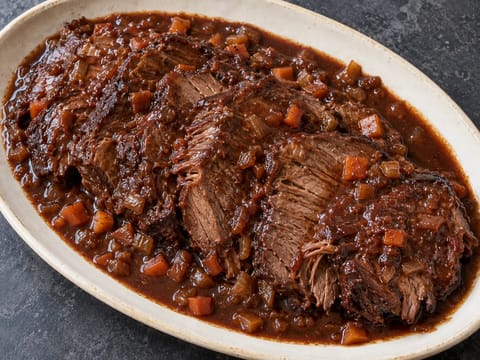
Beef braised in Barolo with vegetables and reduced wine sauce
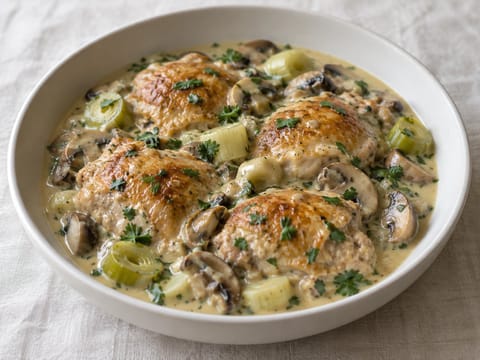
Chicken fricassée with mushrooms in a white wine cream sauce
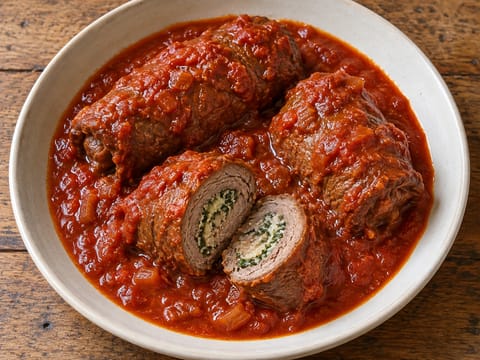
Beef rolls braised in tomato sauce with garlic and Parmesan
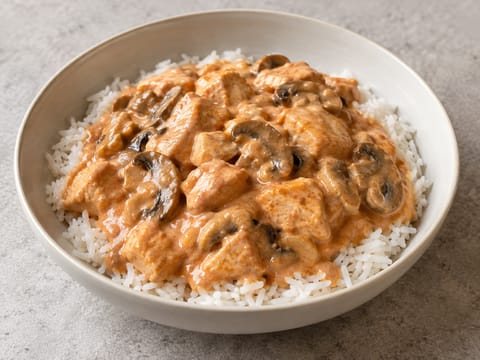
Chicken and mushrooms in a creamy tomato and double cream sauce
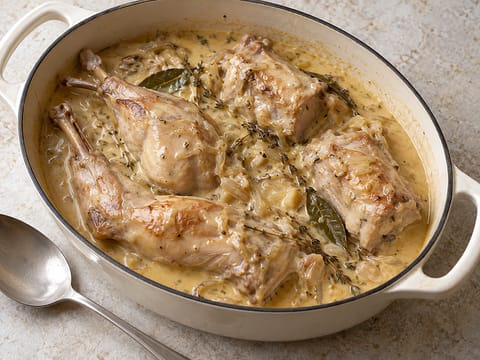
French rabbit stew with Dijon mustard and double cream
Some stews start with browning. Searing meat or vegetables before adding liquid builds a deeper, roasted base and gives the sauce a darker colour. Others begin with sweating aromatics, then simmering gently for a cleaner, lighter profile where herbs and spices stay more prominent. The cooking vessel matters: a wide pot encourages evaporation and a naturally thicker sauce; a tight lid keeps things brothy and can help delicate ingredients stay intact. Thickening can come from reduction alone, from starchy ingredients breaking down, or from a small amount of flour or other starch added early. Each route changes the texture: reduction gives gloss, starch gives body, and flour can make the sauce feel more velvety.
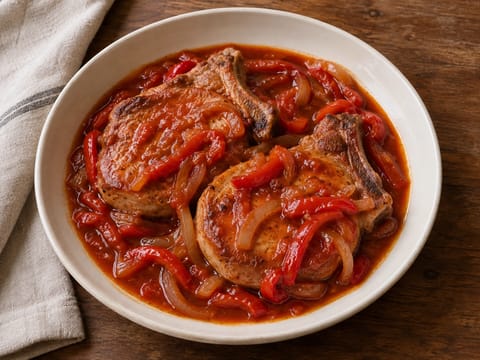
Pork chops simmered with peppers in Rioja wine sauce
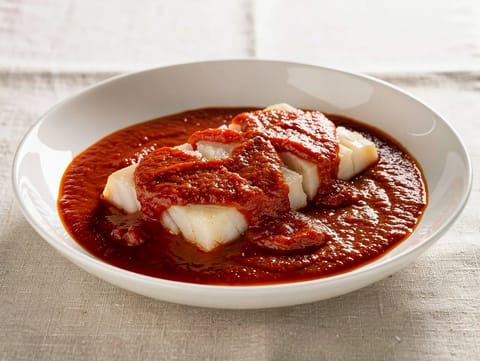
Salt cod simmered in Biscayan red pepper and tomato sauce
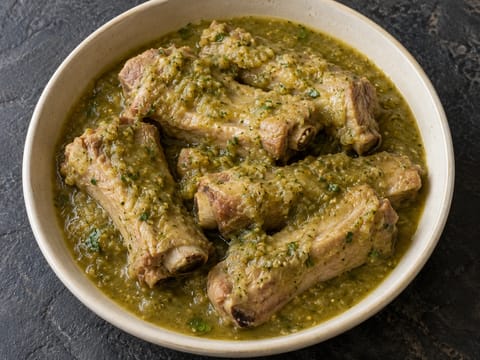
Tender pork ribs in tomatillo and jalapeño salsa verde
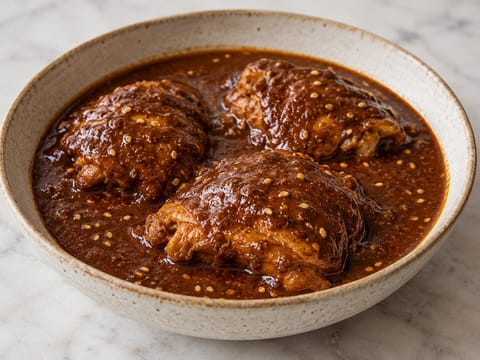
Chicken simmered in mole poblano with chocolate and sesame
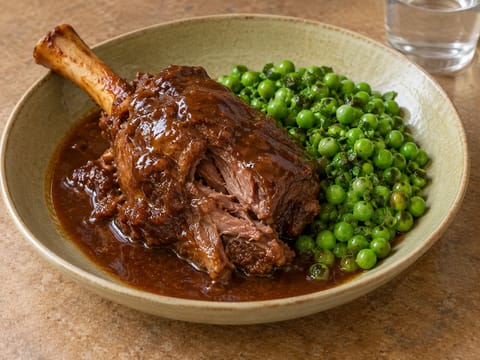
Slow-cooked lamb shanks with red wine gravy and minted peas
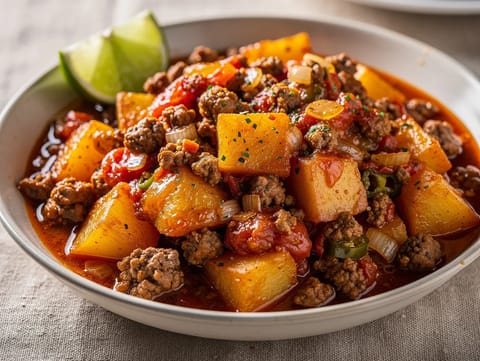
Mexican minced beef and potato stew with tomatoes and spices
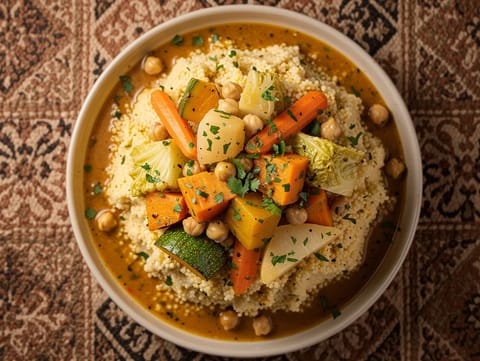
Steamed couscous topped with spiced vegetables and chickpeas
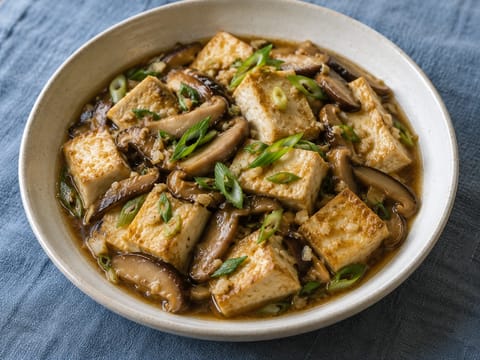
Pan-fried tofu braised with shiitake mushrooms in soy sauce
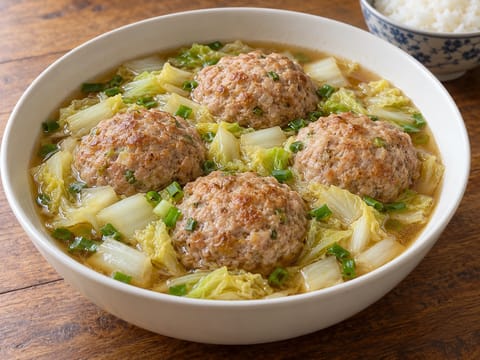
Braised Shanghai-style pork meatballs with napa cabbage
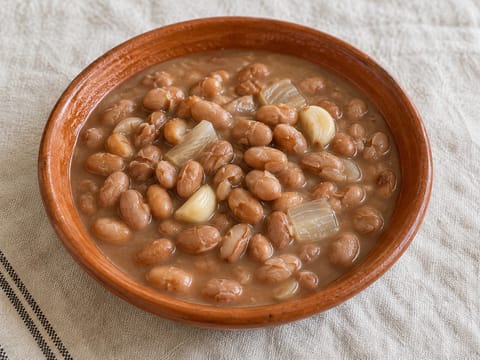
Pinto beans simmered with onion and garlic, served with broth
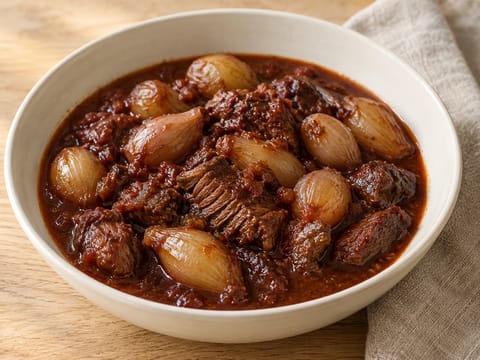
Greek beef and shallot stew in tomato and red wine sauce
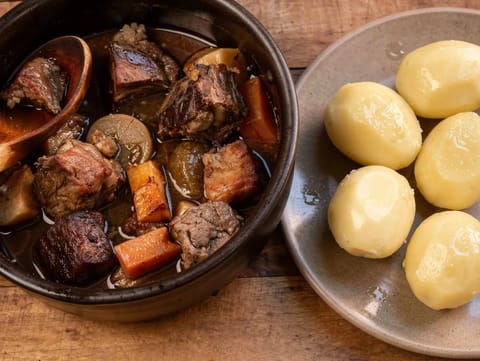
Finnish beef and pork stew with carrots and allspice
Because the sauce is part of the dish, think about what will catch it. Bread, rice, potatoes, polenta and noodles all do the job, but they change the experience: bread keeps the stew centre-stage; grains and mash turn it into a complete bowl. A bright finish helps, especially with long-cooked flavours. That might be a squeeze of citrus, a spoon of yoghurt, a handful of herbs, or something pickled on the side. If you are serving guests, keep the garnish separate so everyone can adjust. Stews also benefit from a short rest off the heat before serving, when fat rises and flavours settle, making the sauce taste more integrated.
If you want to steer the flavour profile, browse by Cuisine to see how different regions build stews with their own aromatics, spices and staples. For a more technical choice, Cooking method helps you compare stovetop simmering with oven cooking or other approaches that change evaporation, tenderness and sauce texture.
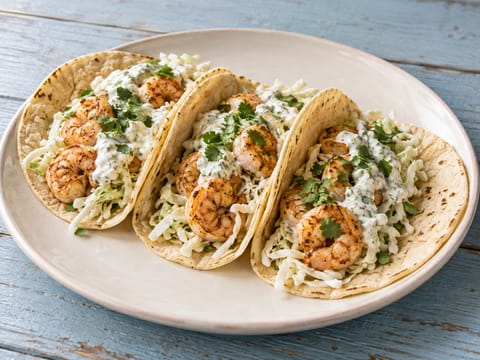
Shrimp tacos with cabbage slaw and lime soured cream
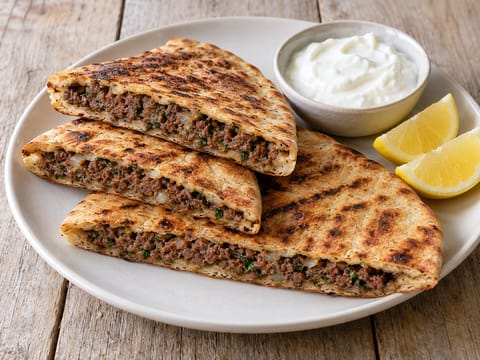
Grilled pittas stuffed with spiced minced lamb and onion
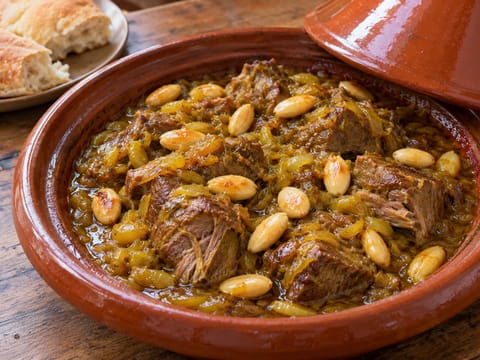
Slow-cooked lamb tagine finished with honey and almonds

Chilled orange juice punch with mint and sparkling water
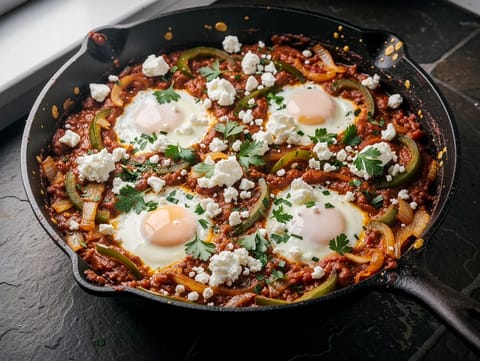
Baked eggs in spiced tomatoes with peppers and feta
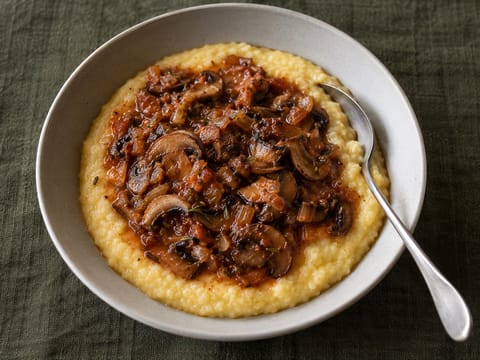
Creamy polenta topped with rosemary mushroom ragù
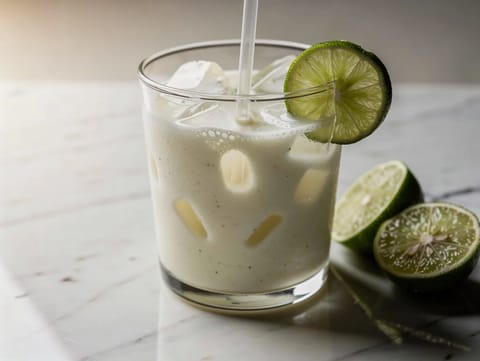
Creamy lime drink blended with condensed milk and served over ice
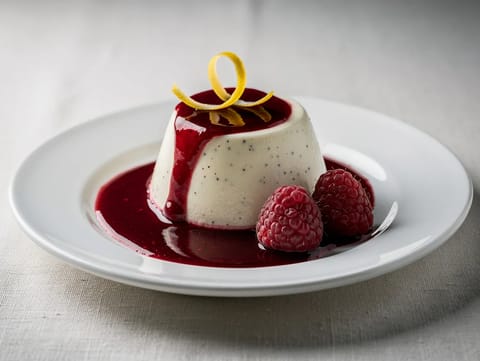
Vanilla panna cotta served with a simple raspberry coulis
Not necessarily. Many stews are spoon-coating rather than heavily thickened. The key is that the liquid is meant to be eaten as part of the dish, not just as a cooking medium.
Soups are typically more liquid-forward, often served as a broth or purée. Stews usually have larger pieces and a sauce that clings to the ingredients, with a higher ratio of solids to liquid.
No. Browning adds roasted depth and colour, but a stew can be built around gentle simmering for a cleaner taste where herbs, spices or vegetables lead.
It often comes down to evaporation and starch. A tight lid, a narrow pot, or adding watery vegetables late can keep the liquid thin. Simmering uncovered for part of the cook, or letting starchy ingredients break down, can add body.
Some cuts need enough time at a gentle heat for collagen to convert and soften. If the heat is too high, the meat fibres can tighten and dry before the connective tissue has had time to relax.
Yes. Body can come from beans, lentils, potatoes, squash or other ingredients that naturally thicken the liquid as they cook, alongside a well-seasoned base.
When you are deciding between stews, picture the final spoonful: glossy and reduced, brothy and herb-led, or softly thickened and velvety. That one choice will guide the method, the pot and what you serve alongside.
