
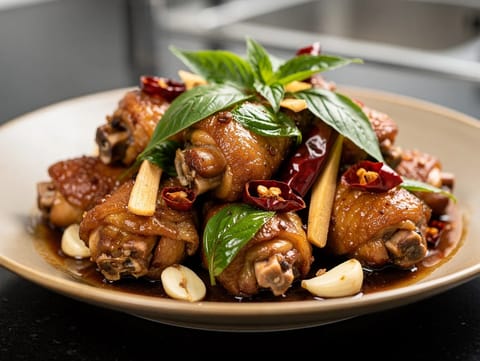
Three-Cup Chicken (San Bei Ji)
Three-cup chicken with basil, soy sauce and sesame oil

A stir-fry is fast cooking with a clear goal: keep ingredients lively while building flavour in a short window. When you are choosing between stir-fry recipes, the most useful comparison is not the protein, but the style of finish. Some are dry and smoky with crisp edges; others are glossy with a sauce that coats everything; some lean on aromatics and chillies, others on a savoury-sweet glaze. Those choices affect prep, pan heat and how you serve it.
Stir-frying means cooking small, evenly cut pieces quickly over high heat, moving them constantly so they sear without stewing. The pan should be hot enough that moisture evaporates rather than pooling. That is why crowding the pan changes the outcome: too much food at once drops the temperature and you end up with a softer, wetter result. A stir-fry can be made in a wok or a wide frying pan, but the principle stays the same. It is also distinct from a sauté or a one-pan simmer: the timing is shorter, the cuts are smaller, and the texture is meant to stay crisp-tender rather than fully softened.
Three-cup chicken with basil, soy sauce and sesame oil
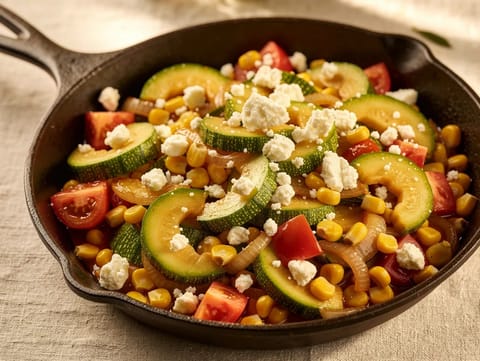
Courgette sauté with sweetcorn, tomato and crumbled queso fresco
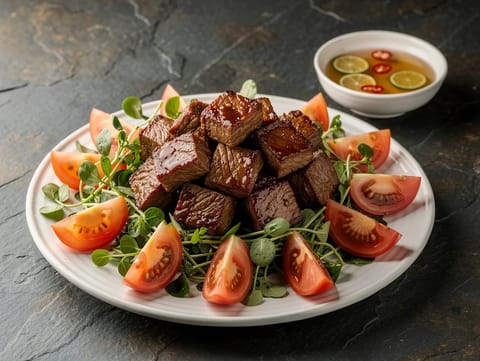
Quick-seared Vietnamese shaking beef with salad and lime dipping sauce
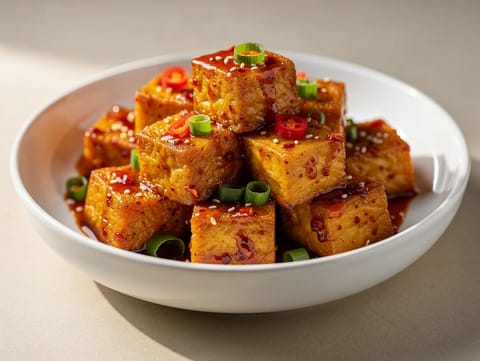
Crispy air fryer chilli tofu in a sticky sauce.
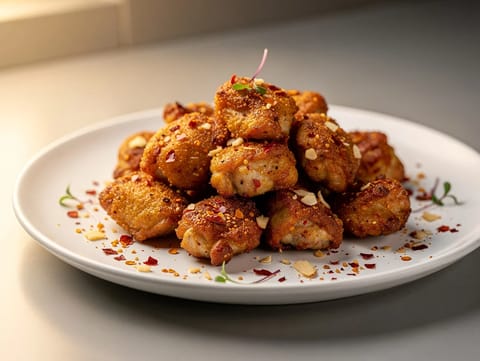
Crispy air fryer chilli chicken tossed in a glossy sauce.
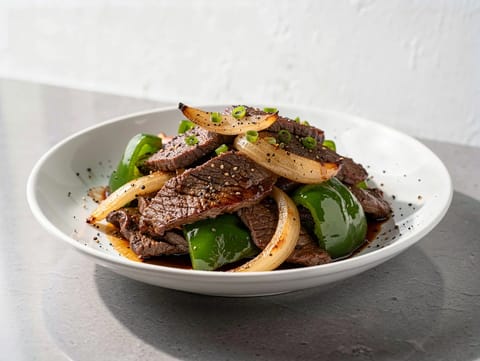
Peppery beef stir-fry with green pepper, onion and glossy sauce
For a drier stir-fry, look for recipes that rely on aromatics, a splash of seasoning and a brief finish. These tend to highlight char, crunch and the individual taste of each ingredient. For a saucier stir-fry, the sauce is usually mixed ahead and added at the end so it thickens quickly and coats without overcooking the vegetables. Pay attention to how the recipe handles moisture: ingredients like mushrooms, courgettes and leafy greens release water, so they are often cooked in batches or added late. If you want tender meat without long cooking, recipes may use thin slicing and a short marinade, or a quick pre-cook step, so the final toss is truly fast.
Stir-fried aubergine in a thick garlic sauce with doubanjiang and black vinegar
Quick pad kra pao with minced pork, Thai basil, jasmine rice and fried egg
Quick Thai stir-fried mixed vegetables in a savoury garlic and oyster sauce
Fried tempeh tossed with shallots, garlic, chilli, tamarind and palm sugar glaze
Egg noodles stir-fried with prawns, cabbage, sweet soy sauce and lime
Fried fish finished with tamarind chilli sauce, garlic, shallots and fried chillies
Pad krapow gai with minced chicken, garlic, chillies and Thai basil
Indian vegetable stir-fry with peppers, onion and cauliflower in spiced tomato
Prawn and chorizo cooked with tomatoes, roasted peppers, white wine and smoked paprika
Pad prik king with pork and green beans, finished with fish sauce and palm sugar
Quick stir-fried napa cabbage with garlic and ginger, served with jasmine rice
Bulgogi beef is marinated with pear and soy, then air-fried quickly.
Many stir-fries follow a simple structure: aromatics first, then protein, then vegetables in order of cooking time, then sauce and a quick finish. Within that, you will see a few clear formats. Vegetable-forward stir-fries keep the pan moving and use brief cooking to preserve colour and snap. Noodle or rice stir-fries are more about coating and separation, with the starch acting as a sponge for sauce and aromatics. Some styles aim for a lacquered glaze, where sugar or honey helps the sauce cling and brown quickly. Others are chilli-led and sharper, finished with vinegar or citrus so the heat tastes clean rather than heavy.
Cuisine is a helpful next step for stir-fries because the seasoning logic changes dramatically between regions, from soy-based savoury profiles to chilli-and-aromatic heat. Cooking method can also clarify whether a recipe is true high-heat stir-frying or a gentler pan-cook that will give a softer, saucier result.
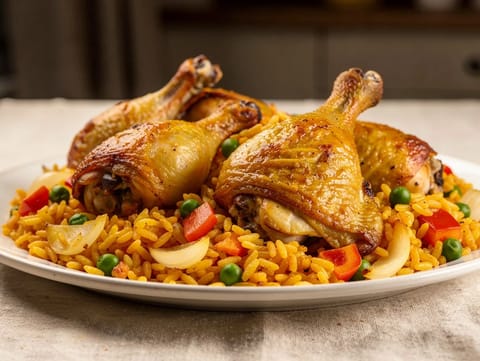
One-pot chicken thighs with saffron rice, peppers, tomato and peas
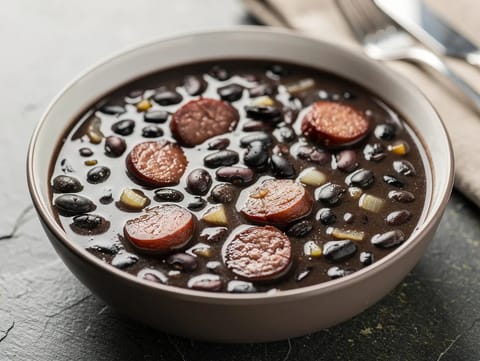
Brazilian black bean soup with smoked pork and bay

Parsley and garlic chimichurri with olive oil and red wine vinegar
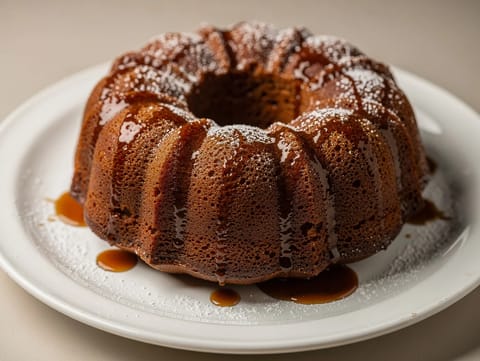
Buttery rum cake soaked with warm dark rum syrup
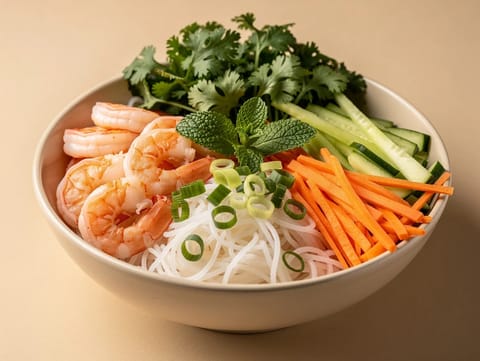
Rice paper and vermicelli bowl with prawns and herbs
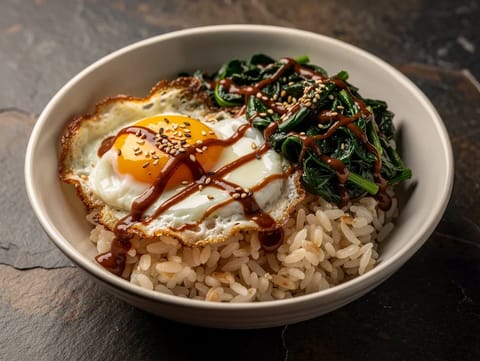
Rice bowl with sautéed spinach, fried egg and gochujang dressing
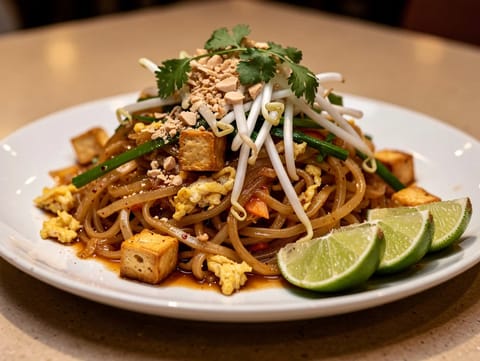
Vegetable Pad Thai with tofu, egg and roasted peanuts
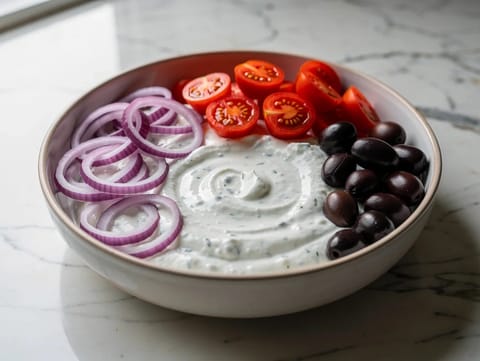
Tzatziki served with fresh vegetables, olives and warm pitta
A wok helps with heat and tossing, but a wide frying pan can work well. The key is space and heat: cook in batches if needed so the pan stays hot.
Usually the pan cooled down or the ingredients released moisture faster than it could evaporate. Crowding the pan, adding salty sauce too early, or using very wet vegetables can all contribute.
Many stir-fries add sauce at the end so it thickens quickly and coats without steaming the ingredients for too long. Recipes that add sauce earlier tend to produce a softer texture.
Cut them evenly, cook the hardest ones first, and keep the heat high. Brief cooking and constant movement are what preserve colour and bite.
Yes. Vegetable, tofu or egg-based stir-fries work well, especially when you build flavour with aromatics and finish with a sauce that clings.
It depends on the style. Dry stir-fries often suit plain rice to keep the flavours clear, while saucier ones can be paired with noodles or rice that will absorb the coating.
Decide first whether you want crisp and dry, or glossy and sauced. Once you know that, the right recipe becomes easier to spot, and your prep and pan heat will fall into place.
