
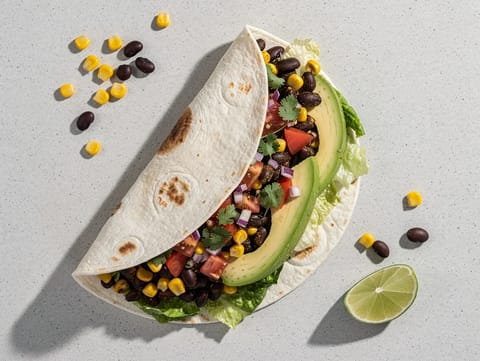
Southwest Black Bean Wrap
Toasted wraps filled with black beans, avocado and tomato salsa

A wrap is less a single recipe than a format: a flexible flatbread or similar wrapper folded around a filling so you can eat it neatly in the hand. That makes texture and structure the main decisions. The wrapper needs enough softness to roll without cracking, while the filling needs enough cohesion to stay put once sliced or bitten. Across different cuisines you’ll see the same logic expressed through different breads, spreads and seasonings, from warm, pliable flatbreads to thinner sheets that are rolled tightly and cut into portions.
Wraps sit in the sandwich family, but the defining feature is the roll: the bread becomes a sleeve rather than two separate slices. That changes how you build the filling. A wrap usually needs a ‘glue’ layer, such as a spread, mashed ingredient or thick sauce, to stop loose pieces falling out. It also benefits from a balance of textures, because the wrapper is soft by nature. Not every rolled bread is a wrap in the everyday sense. Burritos, shawarma-style rolls and many street-food flatbread rolls overlap with the idea, but the practical cues are the same: pliable bread, contained filling, and a fold that keeps the seam closed.
Toasted wraps filled with black beans, avocado and tomato salsa
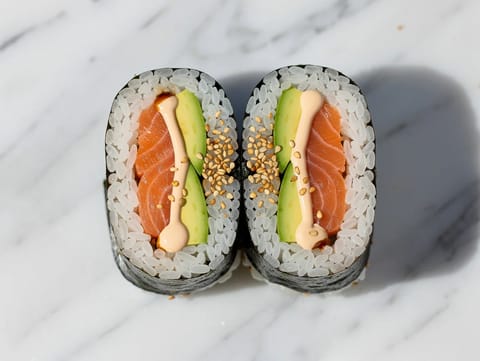
Nori-wrapped sushi burrito with salmon, avocado and cucumber
Sticky gochujang minced chicken in crisp lettuce cups with spring onions, sesame and lime
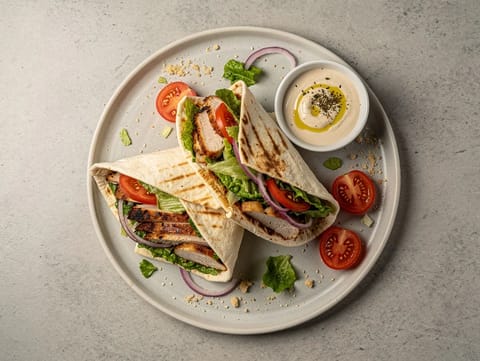
Chicken shawarma wrap with salad and tahini sauce
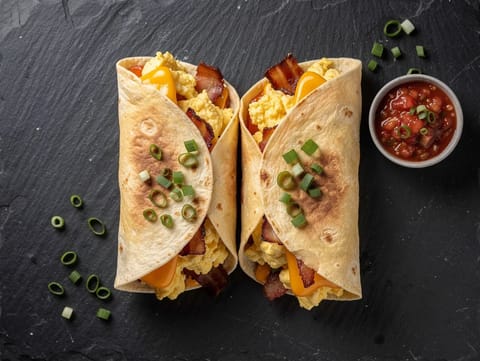
Crisp breakfast burrito with eggs, bacon, cheddar and salsa.
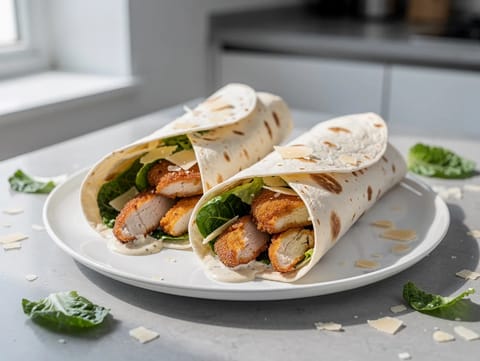
Air-fried chicken Caesar wrap with romaine and parmesan.
Different wrap traditions often start with the bread. Flour tortillas tend to be soft and stretchy, which suits tightly rolled fillings and clean slices. Pita-style breads can be wrapped or used as a pocket, which changes how much sauce you can include without leaks. Lavash and other thin flatbreads roll very tightly, giving a compact bite and making them good for sliced pinwheels. You’ll also see wraps built around spiced meats and salads, where the seasoning is in the filling, and others where the flavour comes from a punchy spread or dressing. Noticing where the flavour ‘lives’ helps you choose: in the bread, in the protein, or in the sauce.
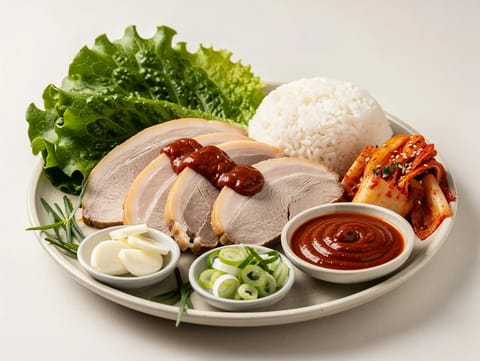
Boiled pork belly lettuce wraps with rice, kimchi and ssamjang
Toasted wraps filled with black beans, avocado and tomato salsa
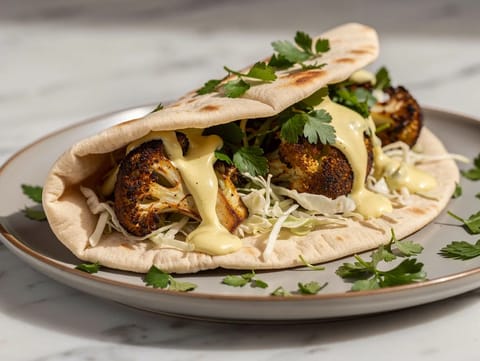
Cauliflower shawarma in pita with cabbage and lemon tahini sauce
Nori-wrapped sushi burrito with salmon, avocado and cucumber
Crisp breakfast burrito with eggs, bacon, cheddar and salsa.
Chicken shawarma wrap with salad and tahini sauce
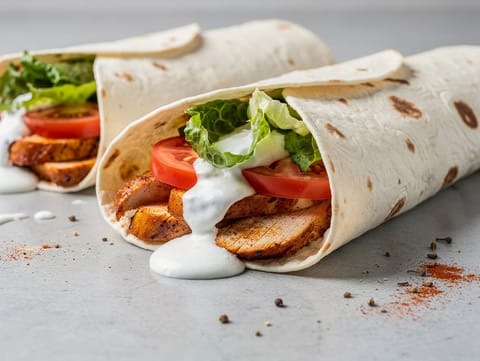
Air-fried chicken wrap with lettuce, tomato and yoghurt dressing.
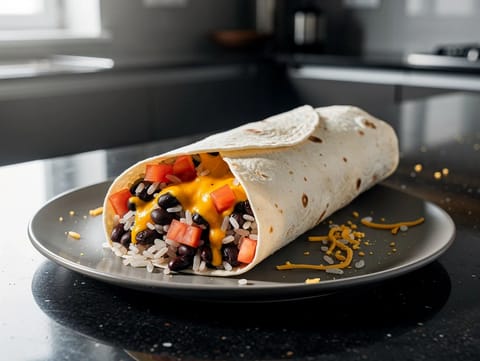
Vegetarian burrito with black beans, rice, salsa and cheddar
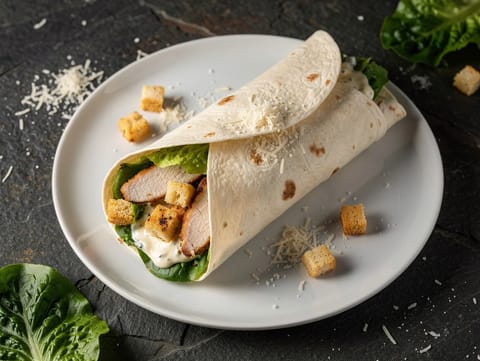
Chicken Caesar wrap with romaine, Parmesan and croutons
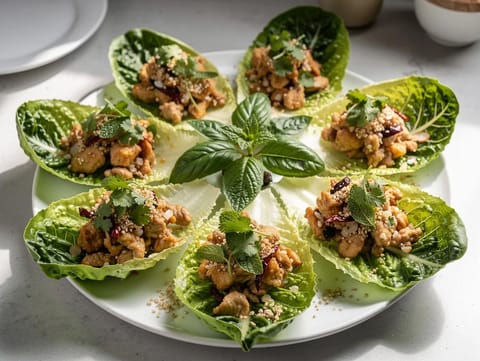
Lettuce cups filled with minced chicken, lime and herbs
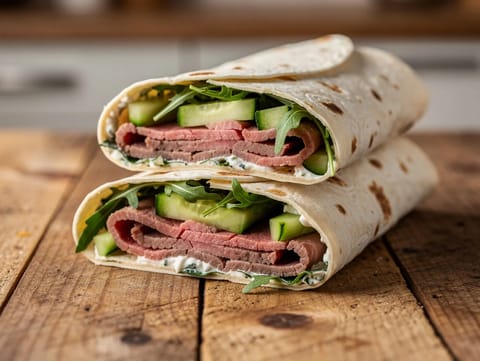
Roast beef wrap with horseradish yoghurt, rocket and cucumber
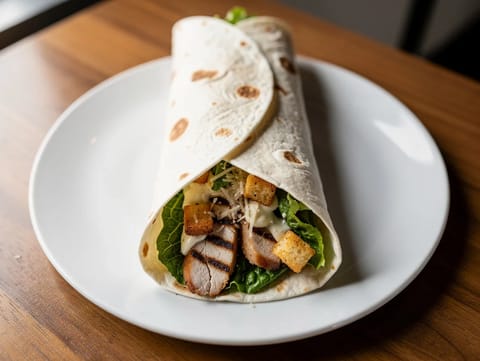
Grilled chicken Caesar wrap with romaine and croutons
For a wrap that holds together, aim for fillings that are sliceable or lightly bound rather than crumbly. Shredded meats, chopped vegetables and grains often need a thick dressing, hummus-like spread or mashed beans to stop them scattering. If you’re using juicy ingredients such as tomatoes or cucumbers, keep them away from the seam and pair them with something absorbent, like leaves, rice or a thicker spread, so the wrap doesn’t go soggy where you grip it. Warm fillings can soften the bread, which is pleasant, but they also create steam, so a brief rest before wrapping can prevent condensation. If you want a crisp element, add it at the last moment or keep it separate until serving.
Wraps benefit from flavours that read clearly in a compact bite. Acidic notes, such as citrus, pickles or a yoghurt-based sauce, cut through richer fillings and keep the wrap from tasting flat. Fresh herbs and crunchy vegetables add lift without adding much weight. If the filling is strongly spiced, keep the wrapper and spread relatively neutral so the flavours don’t compete. If the filling is mild, use the spread to do the heavy lifting, for example with chilli, garlic, mustard or a herb sauce. A final sprinkle of something dry and savoury, like toasted seeds or a spice blend, can add aroma without making the wrap messy.
Cuisine is a natural next step with wraps, because the wrapper, seasonings and sauces often follow recognisable regional patterns. Cooking method can also sharpen your choices: some wraps are built from grilled or roasted fillings, while others are assembled from cooked-ahead components or mostly raw ingredients, which changes both texture and timing.
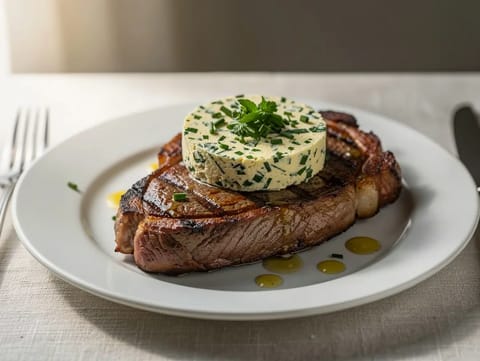
Grilled entrecôte with melting Café de Paris butter
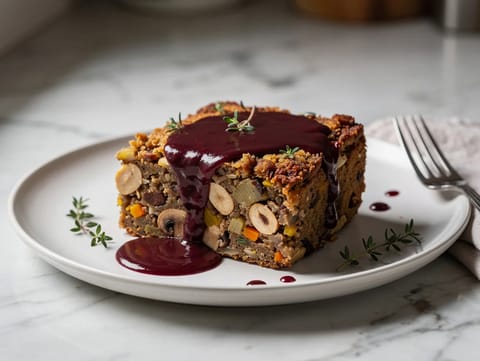
Sliceable nut roast with mushrooms, carrots and red wine gravy
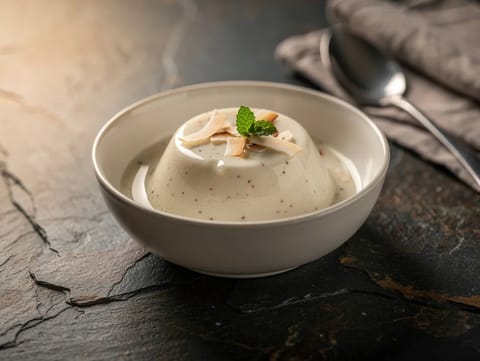
Vegan coconut panna cotta set with agar-agar and vanilla

Italian rolled pork roast with fennel, rosemary and lemon
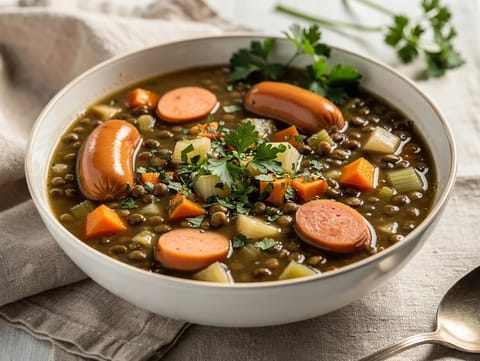
German lentil soup with frankfurters
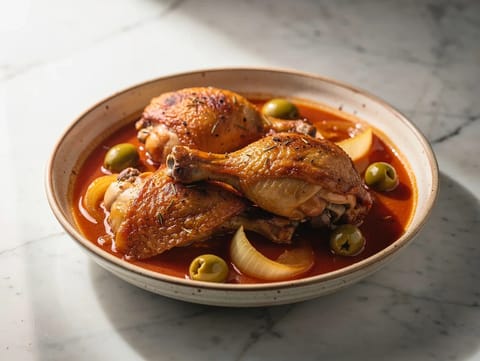
Chicken braised in tomato and white wine with olives
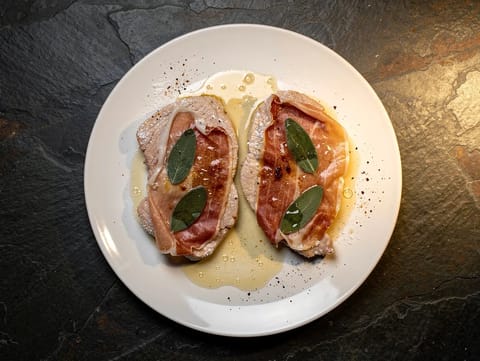
Pan-fried pork with prosciutto, sage and white wine butter sauce
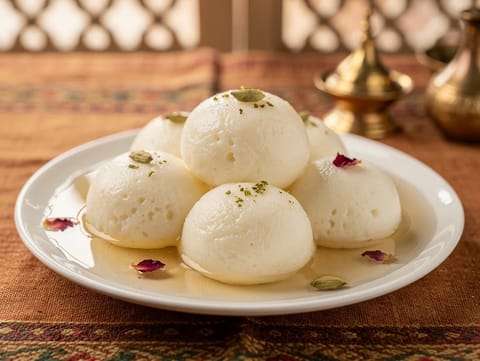
Soft rasgulla chenna balls simmered until spongy in sugar syrup
Use a barrier layer such as leaves or a thick spread, and keep very juicy ingredients away from the seam and the bottom edge. Thick sauces tend to behave better than thin dressings.
Warming can make the bread more pliable and less likely to crack. If the filling is hot, let it cool slightly first so steam doesn’t soften the wrap where you hold it.
Chop ingredients to a consistent size and include a binding element, such as hummus, mashed beans or a thick yoghurt sauce. Roll tightly and keep the seam underneath when serving.
No. Many cuisines use different flatbreads or thin breads that roll well, such as lavash or other pliable flatbreads. The defining feature is the rolled, hand-held format.
The bread may be too cold or dry, or the filling may be too bulky. Warming the wrapper briefly and keeping the filling in a compact line usually helps.
Often, yes, but choose fillings and sauces that won’t weep. Keep crunchy elements separate if possible, and use thicker spreads to protect the bread from moisture.
Pick a wrapper that matches your filling, then think like a sandwich-maker: a spread for grip, a balanced mix of textures, and moisture kept under control. Once you have that framework, the flavours can travel widely across cuisines without the wrap losing its shape.
