
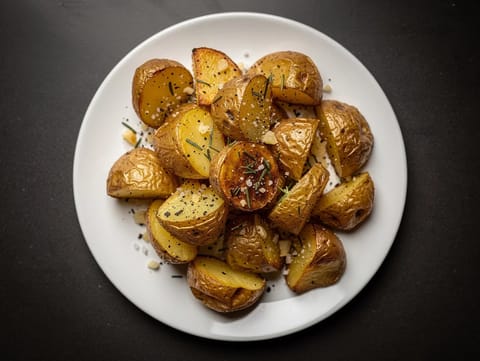
Air Fryer Roast Potatoes
Crisp air fryer roast potatoes with rosemary and garlic.

A colander is a simple tool, but it sits at a risky junction of hot water, steam and slippery food. Recipes that call for one usually involve draining pasta, rinsing grains, washing vegetables, or cooling something quickly under running water. The details matter: hole size affects what escapes, the shape affects stability in the sink, and the material affects how it handles heat. Choosing well is mostly about avoiding spills and getting food properly drained rather than waterlogged.
Start with stability. A wide base or feet help the colander sit securely in the sink, especially when it is heavy with pasta or potatoes. Hole size is the next decision: larger perforations drain quickly but can lose small shapes and grains; finer holes are more versatile but can drain more slowly. Material changes how it behaves. Metal handles heat well but can get hot; plastic stays cooler to touch but can warp if it meets very hot cookware. A colander with comfortable handles is easier to lift and shake dry, which is often what a recipe is really asking you to do.
Crisp air fryer roast potatoes with rosemary and garlic.
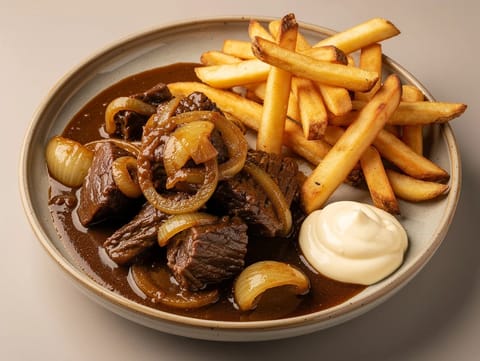
Belgian beef stew with dark beer, served with chips
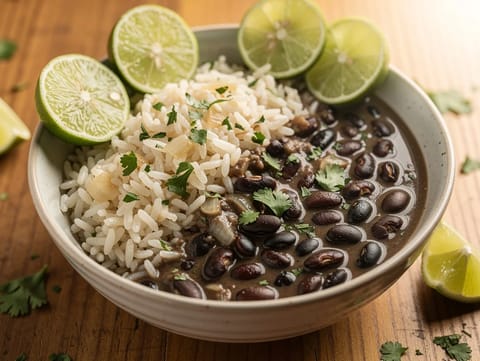
Rice with creamy black beans, lime and coriander
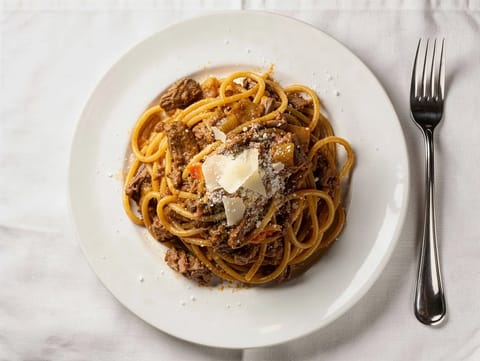
Spaghetti with onion-braised beef sauce and Parmesan
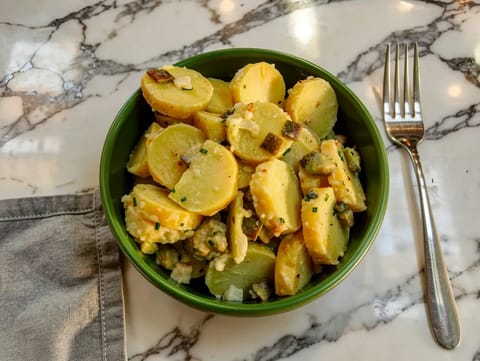
German potato salad with vinegar, mustard and parsley
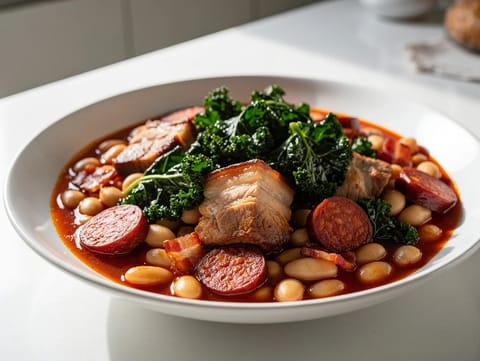
Portuguese white bean stew with pork belly, chorizo and bacon
The biggest mistake is pouring without a plan. Make sure the sink is clear, the colander is positioned securely, and you have a safe grip on the pot before you lift. Another common issue is over-rinsing. Some foods are meant to keep surface starch (for example, pasta when you want sauce to cling), while others benefit from rinsing to cool or to remove excess starch. Finally, leaving food sitting in the colander can trap steam and moisture, leading to sogginess. A quick shake and prompt return to the pot or bowl keeps texture more intentional.
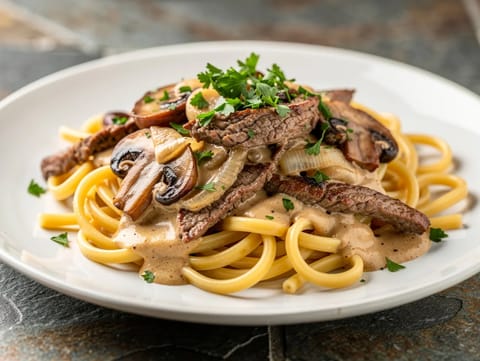
Beef and mushrooms in a creamy sour cream sauce over noodles
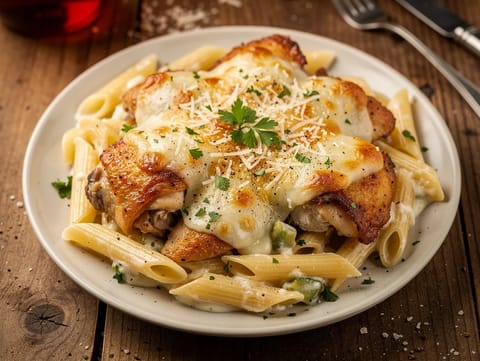
Chicken Alfredo pasta bake with mozzarella and Parmesan, air-fried until golden.
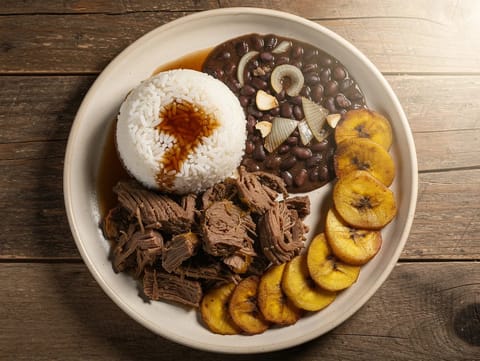
Shredded beef with black beans, rice and sweet plantain.
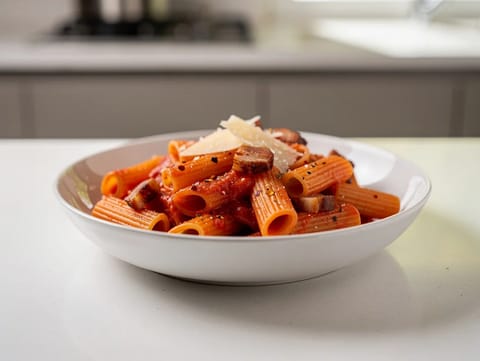
Rigatoni with guanciale, tomato sauce and Pecorino Romano
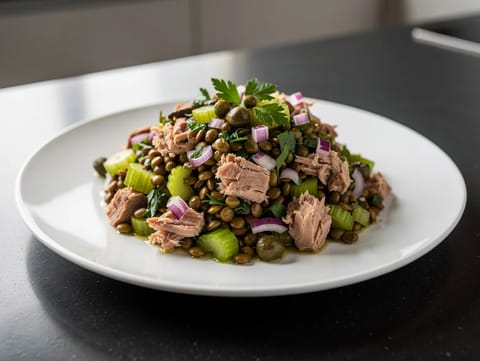
Italian lentil and tuna salad with capers and lemon
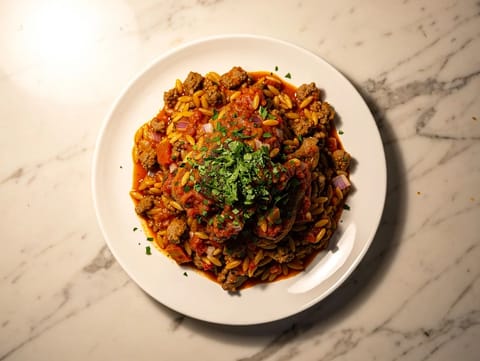
Orzo tossed with rich minced lamb ragù and warm spices
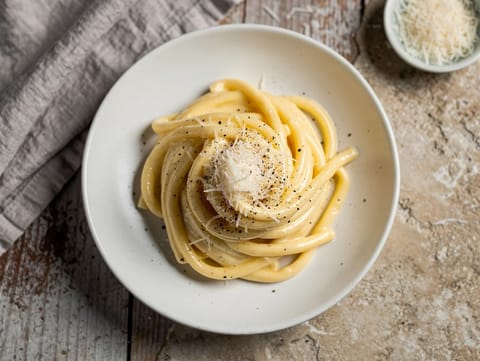
Neapolitan pasta with egg, pecorino Romano and black pepper
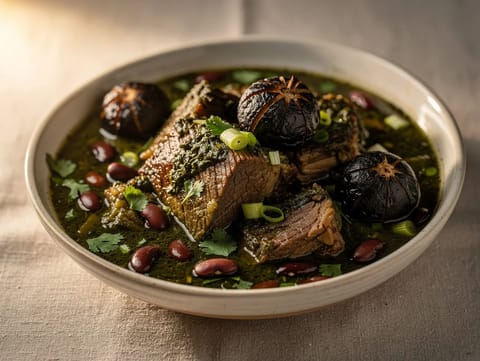
Persian herb and lamb stew with kidney beans and dried lime
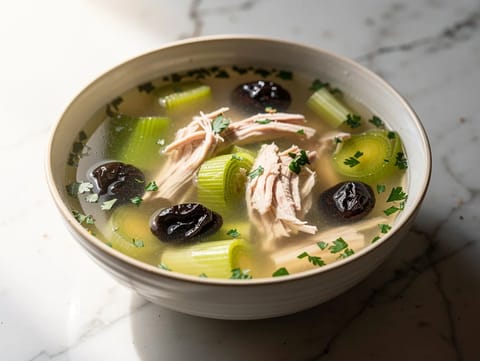
Scottish chicken and leek soup finished with prunes
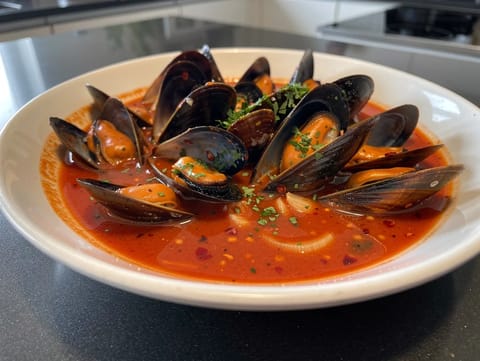
Mussels simmered in tomato and garlic sauce with chilli
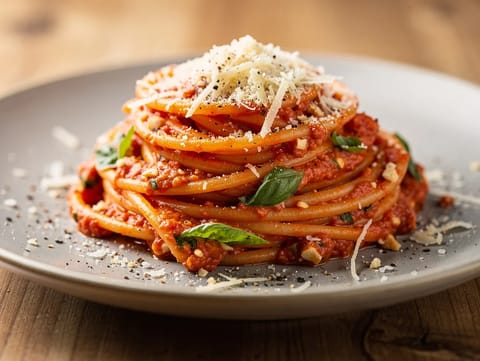
Sicilian pasta with tomato, almond and basil pesto
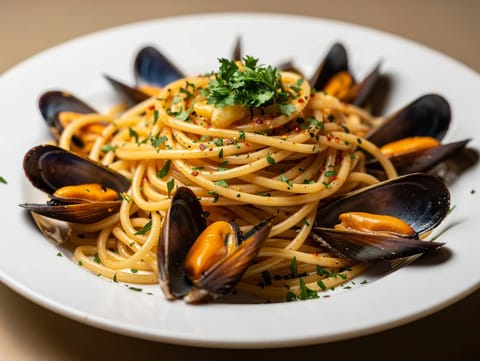
Spaghetti with mussels in garlic, white wine and parsley
Draining boiling water is one of the moments in cooking where accidents happen quickly. Pour away from your body, keep children and pets out of the kitchen path, and be mindful of steam rising as the water hits the sink. If you are unsure about lifting a heavy pot, consider removing some water with a ladle first, or using a pot insert designed for draining. The goal is steady, controlled movement rather than speed.
Cooking method pairs naturally with a colander because draining and rinsing are often part of the technique, not just a final step. Difficulty can also be useful: some recipes rely on confident handling of hot, heavy cookware, while others keep draining simple and low-risk.
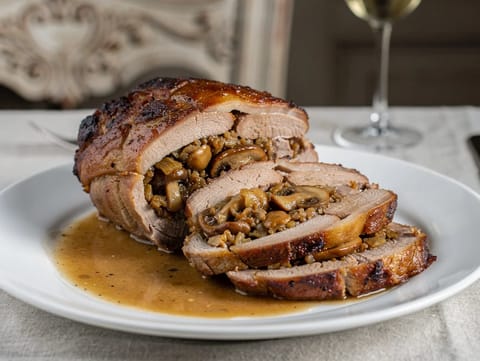
Roast veal layered with mushroom and onion stuffing

Italian board of cured meats, cheeses, olives and bread
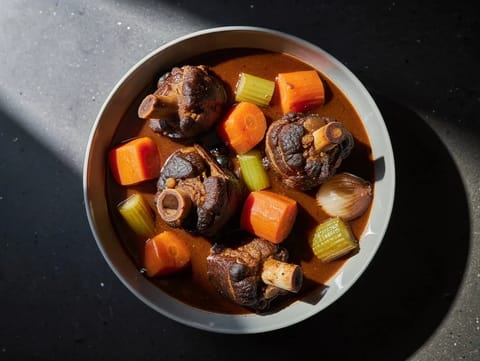
Slow-cooked oxtail stew with red wine
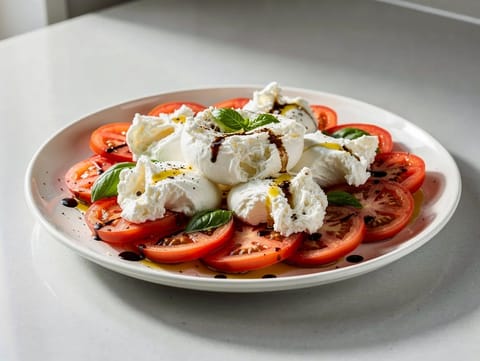
Ripe tomatoes and burrata with basil, olive oil and balsamic

Open-faced pies topped with lemony spiced minced lamb
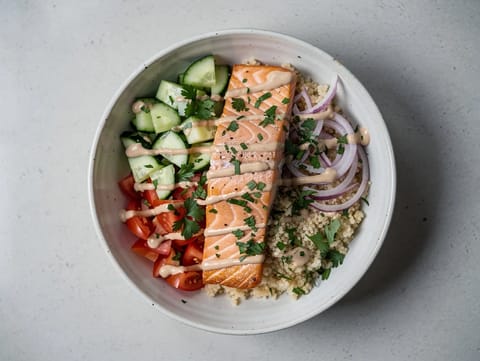
Salmon bowl with couscous, salad and lemon tahini dressing
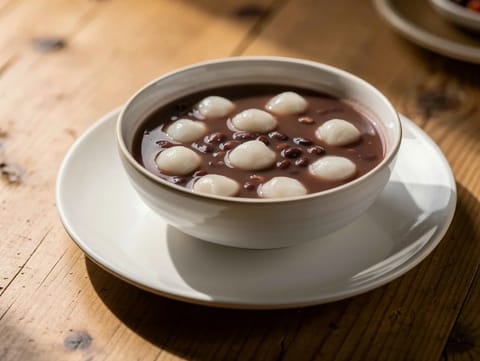
Korean red bean porridge with rice flour dumplings
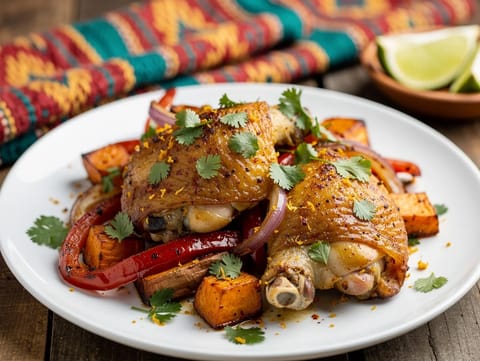
Chicken traybake with sweet potato, chipotle lime and peppers
A sieve can drain small items well, but a colander is designed for volume and speed, especially for pasta and larger vegetables. Many kitchens use both for different scales of draining.
It depends on the recipe. Rinsing cools pasta and removes surface starch, which can be useful for pasta salads. For hot pasta with sauce, not rinsing often helps the sauce cling.
It may need a shake to shed trapped water, or the holes may be too fine for the volume you are draining. Letting food sit can also trap steam, which condenses back into water.
Washing leafy greens, draining blanched vegetables, rinsing beans, and cooling foods under running water are all common uses. The key is letting water move freely while keeping the food contained.
Metal is durable and handles heat well, but can become hot to touch. Plastic is lighter and cooler to handle, but can warp with very hot liquids. Choose based on how you drain most often.
Use a fine-mesh strainer or a colander with smaller perforations. For very small grains, lining a colander with muslin can work, but it slows draining.
If you mostly drain pasta and potatoes, prioritise a stable, fast-draining colander with comfortable handles. If you often rinse grains or small shapes, finer holes or a mesh strainer will make the work cleaner and less frustrating.
