
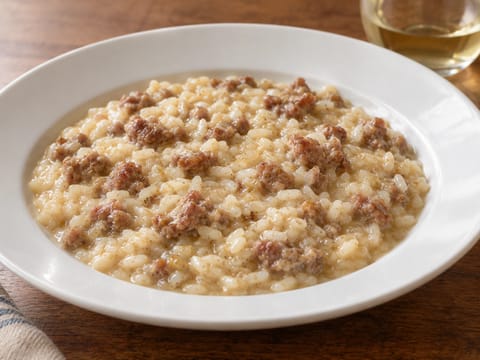
Risotto alla Salsiccia (Italian Sausage Risotto)
Creamy risotto with Italian sausage and Parmesan

A grater is a simple tool, but it produces very different results depending on the surface you use. Fine grating gives you a fluffy mound of hard cheese or a paste of garlic and ginger; coarse grating makes shreds that hold their shape in salads, fritters and bakes; a zester takes only the fragrant outer peel of citrus. Most problems with graters come down to control: slippery ingredients, the wrong pressure, or choosing a cut that turns watery once it hits heat. This guide helps you grate with purpose and a bit more confidence.
When a recipe asks you to grate an ingredient, it is usually aiming for faster melting, quicker flavour release, or a texture that mixes evenly. Finely grated Parmesan disappears into sauces and soups; coarsely grated potatoes or courgettes create strands that can crisp at the edges; citrus zest perfumes a batter without adding bitterness from the white pith. The tool matters because a box grater, flat grater and microplane-style grater all produce slightly different particles. A grater is not just for cheese. It is a way to change surface area, which changes how quickly an ingredient cooks, melts or infuses.
Creamy risotto with Italian sausage and Parmesan
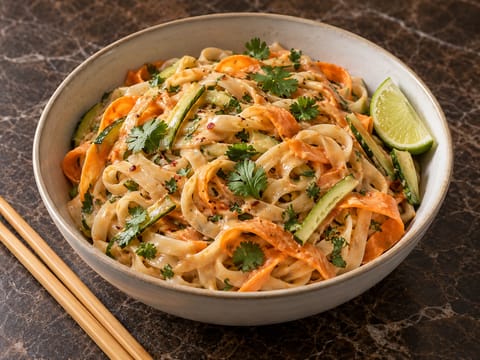
Rice noodles in chilli peanut sauce with crunchy veg
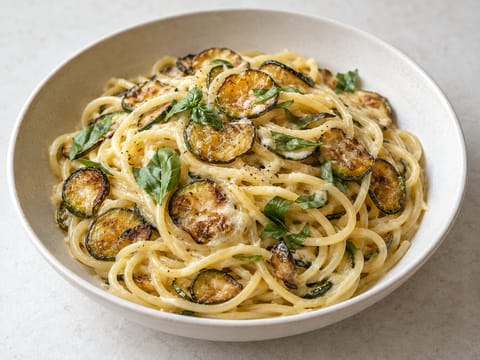
Spaghetti with fried courgettes and melted provolone sauce
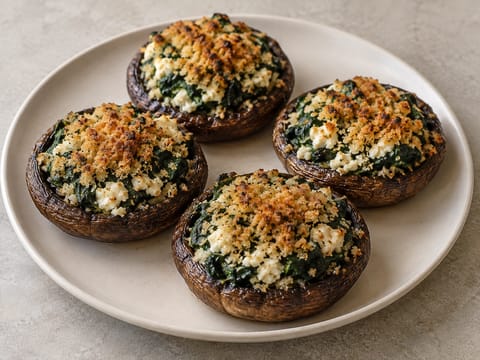
Baked portobello mushrooms stuffed with spinach and feta
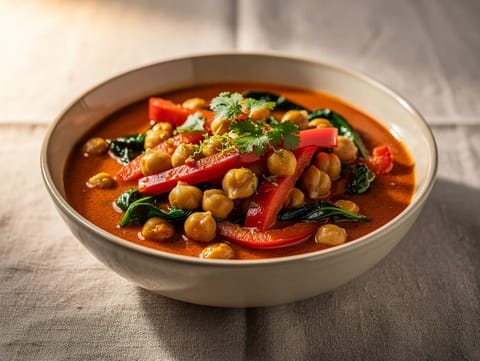
Coconut chickpea curry with spinach, lime and coriander
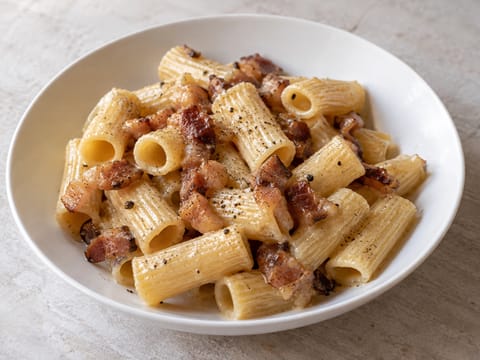
Rigatoni with crisp guanciale and peppery pecorino sauce
For hard cheeses, chocolate and nutmeg, a fine grater gives a light texture that melts quickly and spreads evenly. For carrots, cabbage, apples and potatoes, a coarse grater makes sturdy shreds that keep some bite. For citrus, use a zester or the finest teeth and stop as soon as you reach the white pith. If you grate soft cheeses, chill them first so they do not smear. Stability is part of “fit” too: a box grater with a broad base is steady for larger jobs, while a flat grater is quick for small amounts over a bowl or pan. If you are grating a lot, choose a tool that is comfortable to hold and easy to clean.
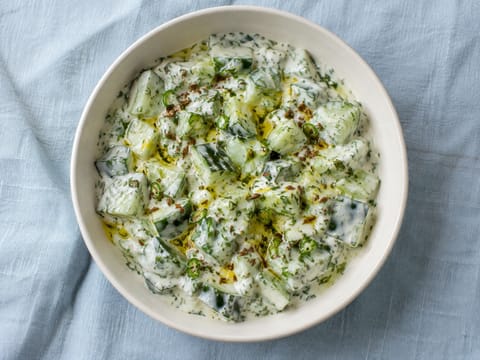
Cucumber salad in mint yoghurt with toasted cumin
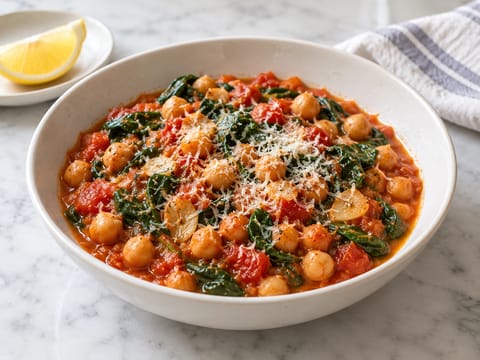
Chickpea and spinach bowl in tomato sauce with Parmesan
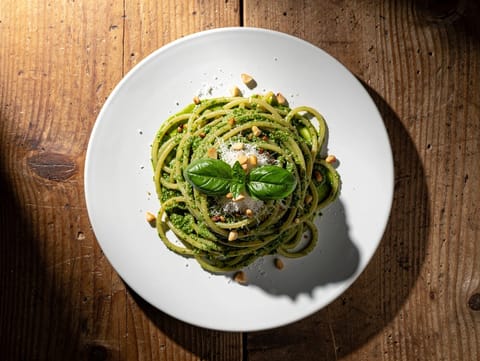
Spaghetti tossed with fresh basil pesto and Parmesan
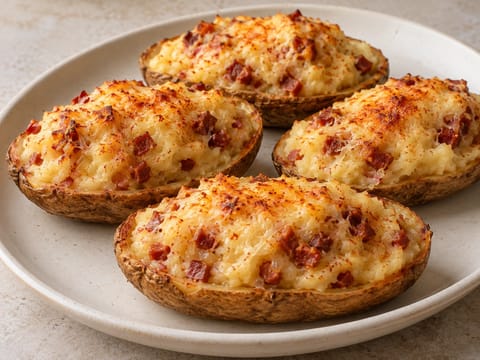
Baked potatoes stuffed with chorizo, onion and Manchego
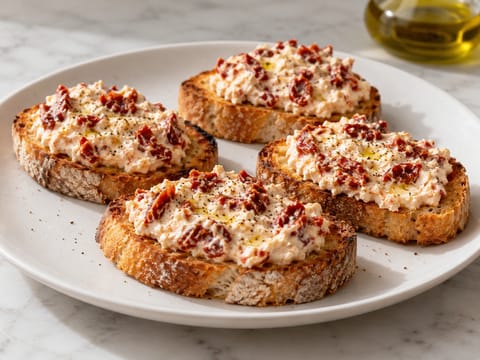
Toasted crostini topped with ricotta and sun-dried tomatoes

Vegetarian burrito with black beans, rice, salsa and cheddar
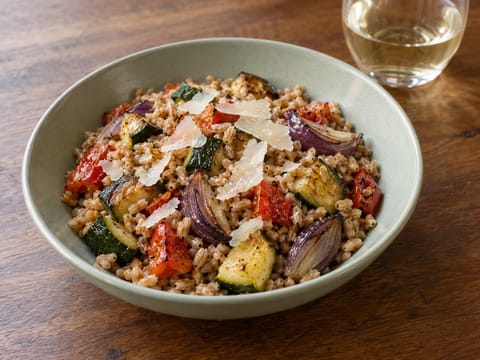
Farro with roasted courgette, pepper, onion and pecorino

Creamy chicken with sun-dried tomatoes and spinach
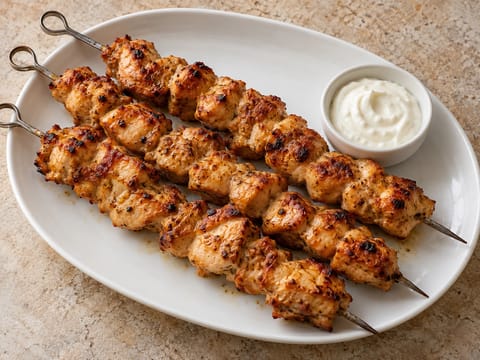
Grilled chicken skewers marinated in yoghurt, lemon and garlic

Crisp tarte flambée with smoked salmon, red onion and dill
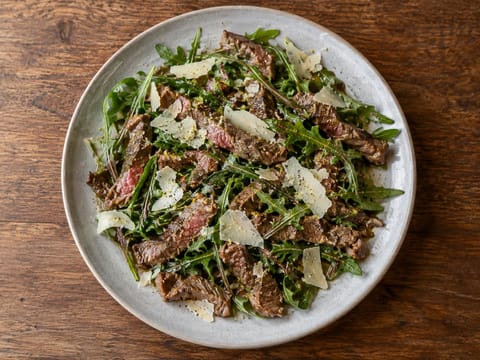
Seared beef strips with rocket and Parmigiano shavings
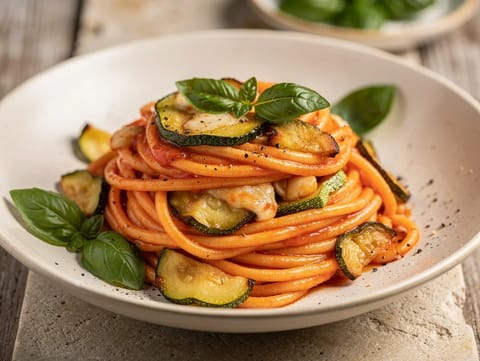
Spaghetti with fried courgettes, tomato sauce, basil and Parmesan
The classic mistake is grating down to the fingertips. Leave a small “handle” of the ingredient, switch to a safer grip, or stop and chop the last piece with a knife. Another common issue is mushy, wet shreds. Some vegetables release a lot of water once grated; recipes for fritters and bakes often expect you to squeeze or drain them before mixing. With citrus, the mistake is taking too much pith, which can taste bitter. Use light pressure and rotate the fruit as soon as the colour changes. Finally, if the grater skids, set it on a damp cloth or grate into a wide bowl to steady it.
Cooking method is a useful companion because grated ingredients behave differently when fried, baked or stirred into sauces. Difficulty can also help you choose recipes where the prep is straightforward, versus those that rely on careful texture control, such as squeezing moisture from vegetables or grating very hard cheeses finely and evenly.
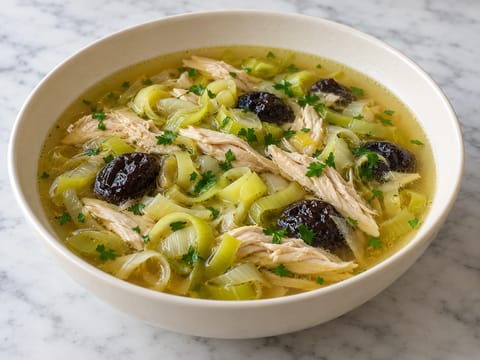
Scottish chicken and leek soup finished with prunes
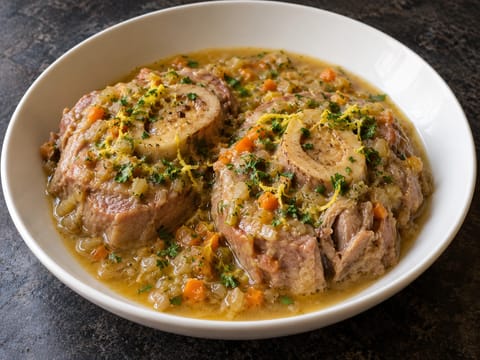
White-braised veal shanks finished with parsley and lemon zest gremolata
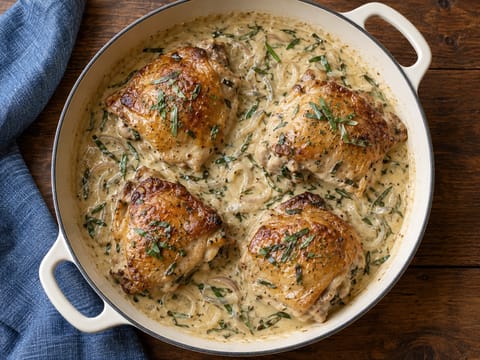
Creamy tarragon chicken simmered with white wine and shallots
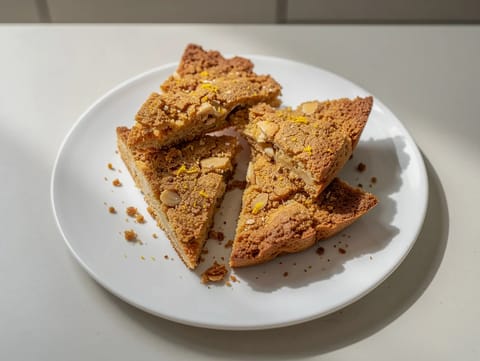
Crumbly Mantuan almond cake, baked golden and broken into shards
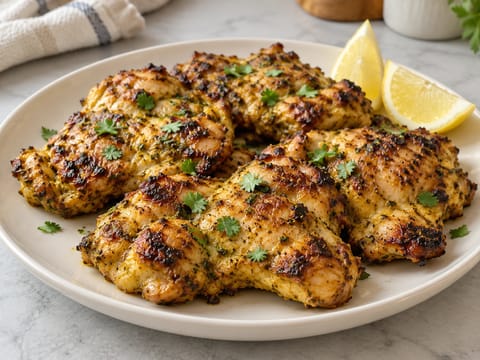
Yoghurt-marinated chicken cooked in the air fryer until charred.
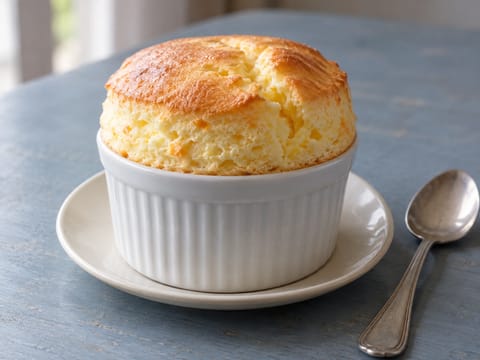
French Grand Marnier soufflé, baked tall and airy
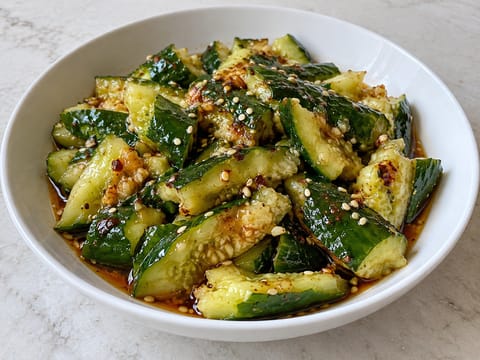
Smacked cucumber salad with chilli oil, garlic and sesame
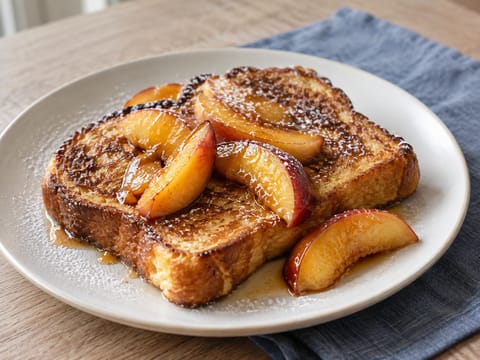
Brioche French toast topped with caramelised peaches
A box grater usually offers several cuts, including coarse and fine shredding. A microplane-style grater excels at very fine grating and zesting, producing a fluffy, almost powdery result.
Take only the coloured outer layer and stop before you reach the white pith. Light pressure and frequent turning help you avoid digging in too far.
Many vegetables release water when grated. Some recipes expect you to salt briefly and squeeze, or to drain well before mixing, especially for fritters, pancakes and bakes.
You can, but freshly grated cheese is often fluffier and melts more evenly. Pre-grated cheese can be drier and may clump, depending on the cheese and how it is handled.
A knife can create thin slices or a fine mince, and a vegetable peeler can make ribbons. For large quantities of shredding, a food processor with a grating disc is a common alternative.
Anchor it on a damp cloth, or brace a box grater firmly against the inside of a bowl. Stability makes grating faster and reduces the chance of scraped knuckles.
A grater is most useful when you choose the cut that matches the recipe’s texture and melting needs. Once you control stability, pressure and moisture, it becomes a quick, tidy way to build flavour and structure.
