
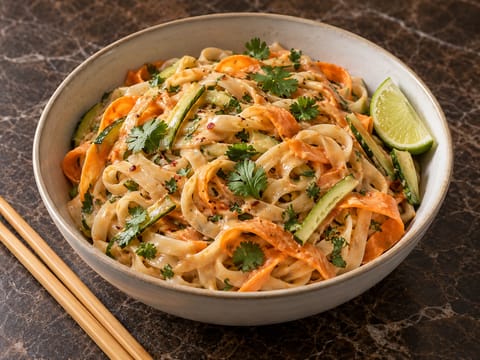
Thai Peanut Rice Noodle Bowl with Cucumber and Carrot
Rice noodles in chilli peanut sauce with crunchy veg

A grater is a simple tool, but it produces very different results depending on the surface you use. Fine grating gives you a fluffy mound of hard cheese or a paste of garlic and ginger; coarse grating makes shreds that hold their shape in salads, fritters and bakes; a zester takes only the fragrant outer peel of citrus. Most problems with graters come down to control: slippery ingredients, the wrong pressure, or choosing a cut that turns watery once it hits heat. This guide helps you grate with purpose and a bit more confidence.
When a recipe asks you to grate an ingredient, it is usually aiming for faster melting, quicker flavour release, or a texture that mixes evenly. Finely grated Parmesan disappears into sauces and soups; coarsely grated potatoes or courgettes create strands that can crisp at the edges; citrus zest perfumes a batter without adding bitterness from the white pith. The tool matters because a box grater, flat grater and microplane-style grater all produce slightly different particles. A grater is not just for cheese. It is a way to change surface area, which changes how quickly an ingredient cooks, melts or infuses.
Rice noodles in chilli peanut sauce with crunchy veg
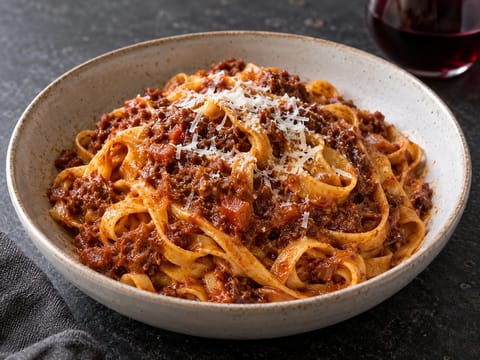
Tagliatelle with slow-simmered wild boar ragù
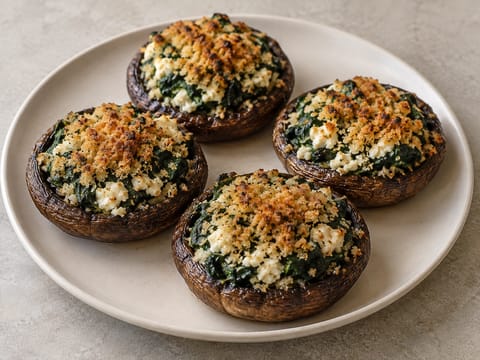
Baked portobello mushrooms stuffed with spinach and feta
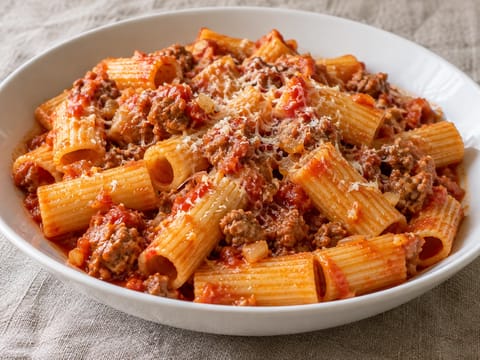
Rigatoni with Italian sausage in tomato and white wine sauce
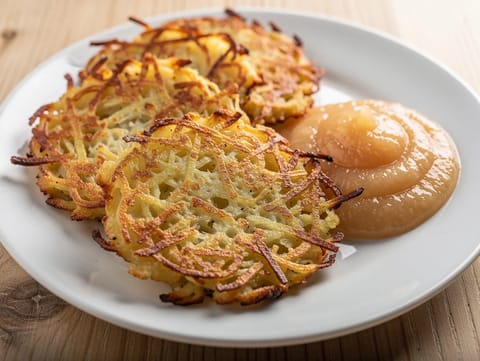
Crisp German grated potato cakes served with apple sauce
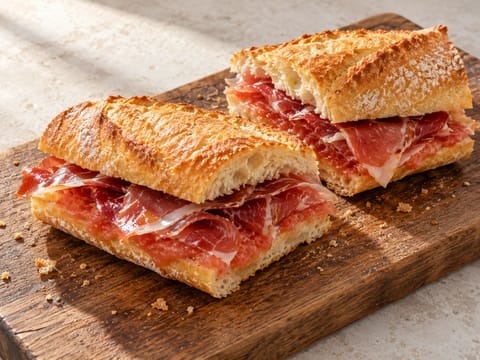
Spanish baguette sandwich with jamón serrano and grated tomato
For hard cheeses, chocolate and nutmeg, a fine grater gives a light texture that melts quickly and spreads evenly. For carrots, cabbage, apples and potatoes, a coarse grater makes sturdy shreds that keep some bite. For citrus, use a zester or the finest teeth and stop as soon as you reach the white pith. If you grate soft cheeses, chill them first so they do not smear. Stability is part of “fit” too: a box grater with a broad base is steady for larger jobs, while a flat grater is quick for small amounts over a bowl or pan. If you are grating a lot, choose a tool that is comfortable to hold and easy to clean.
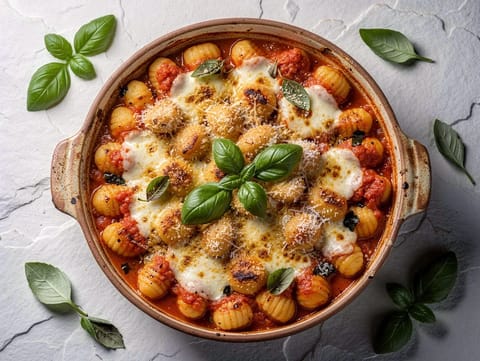
Baked gnocchi in tomato and basil with mozzarella topping

Crisp quesadillas with black beans, sweetcorn and melted Cheddar
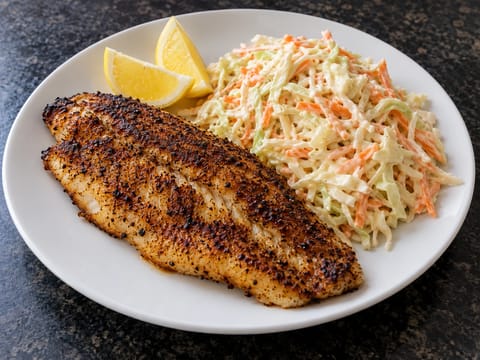
Blackened Cajun catfish with quick lemony coleslaw
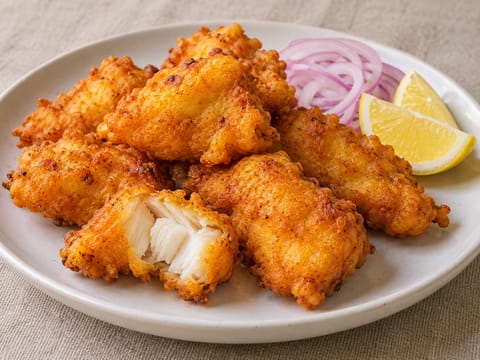
Punjabi spiced fried fish with a crisp gram flour coating
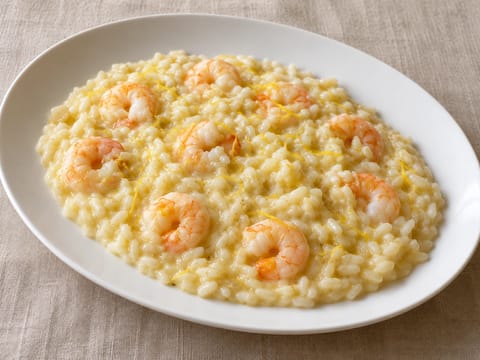
Creamy lemon risotto with prawns and parmesan
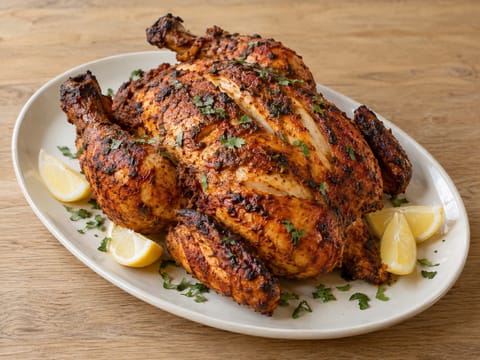
Whole chicken marinated in yoghurt and tandoori spices, then roasted
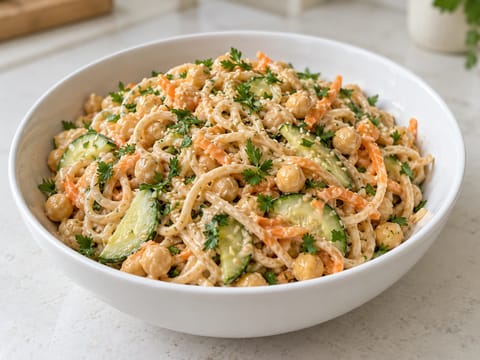
Noodles with tahini lemon dressing, chickpeas and crisp vegetables
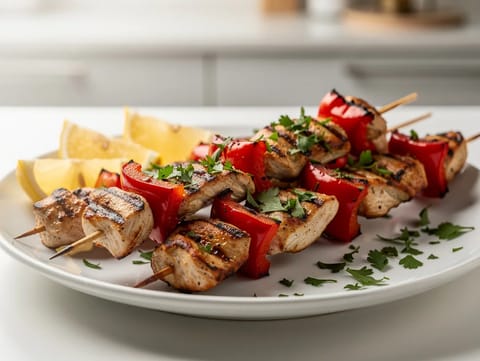
Yoghurt-marinated chicken skewers with garlic, lemon and red pepper

Chicken salad bowl with lime dressing, herbs and peanuts
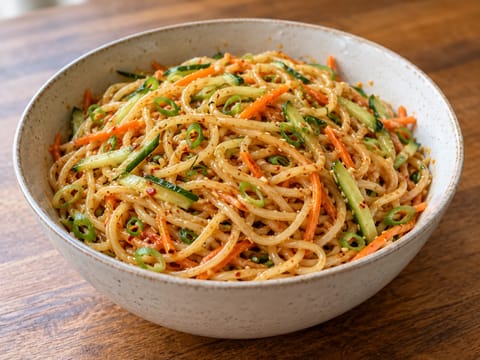
Sesame noodles with cucumber, carrot and spring onion

Griddled masa cakes stuffed with beans and topped with salsa
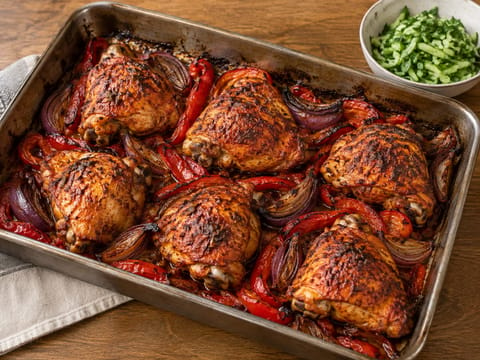
Oven-baked tandoori chicken with peppers and red onion
The classic mistake is grating down to the fingertips. Leave a small “handle” of the ingredient, switch to a safer grip, or stop and chop the last piece with a knife. Another common issue is mushy, wet shreds. Some vegetables release a lot of water once grated; recipes for fritters and bakes often expect you to squeeze or drain them before mixing. With citrus, the mistake is taking too much pith, which can taste bitter. Use light pressure and rotate the fruit as soon as the colour changes. Finally, if the grater skids, set it on a damp cloth or grate into a wide bowl to steady it.
Cooking method is a useful companion because grated ingredients behave differently when fried, baked or stirred into sauces. Difficulty can also help you choose recipes where the prep is straightforward, versus those that rely on careful texture control, such as squeezing moisture from vegetables or grating very hard cheeses finely and evenly.
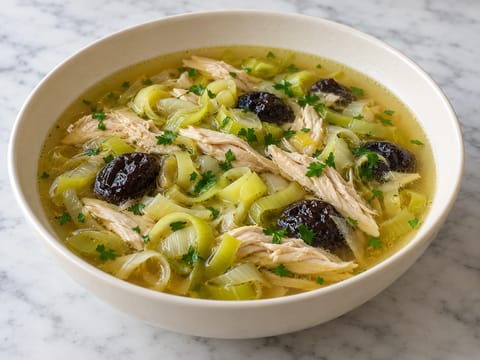
Scottish chicken and leek soup finished with prunes
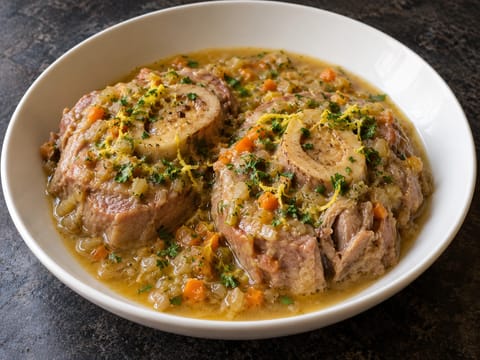
White-braised veal shanks finished with parsley and lemon zest gremolata
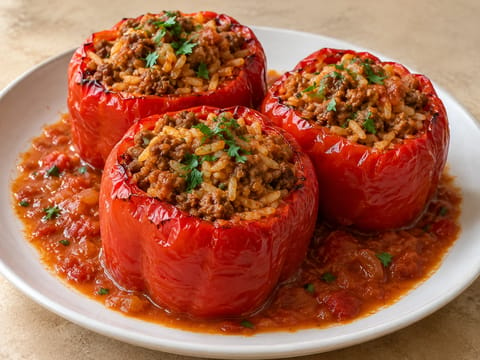
Stuffed peppers with spiced beef and rice baked in tomato sauce
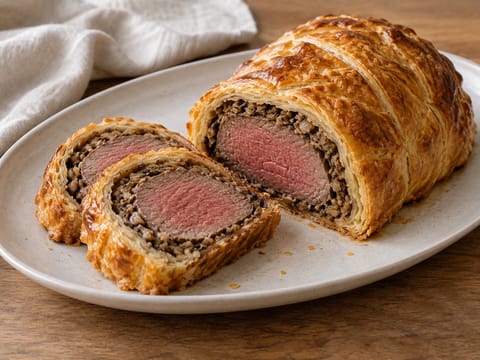
Beef fillet in puff pastry with mustard and mushroom duxelles
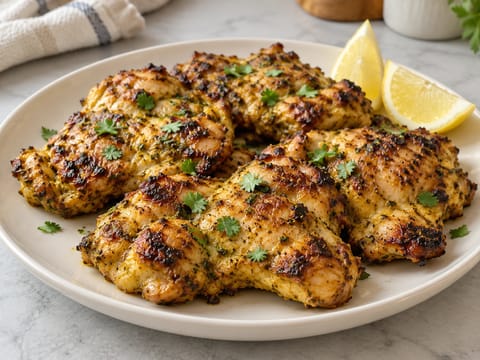
Yoghurt-marinated chicken cooked in the air fryer until charred.
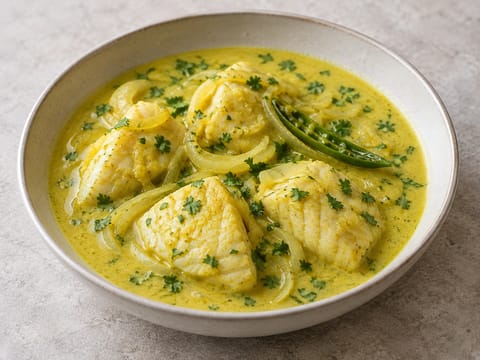
Mild coconut curry with delicate white fish
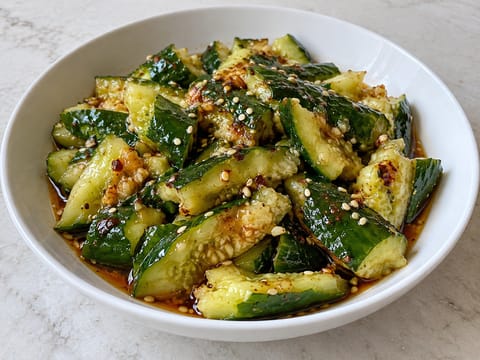
Smacked cucumber salad with chilli oil, garlic and sesame
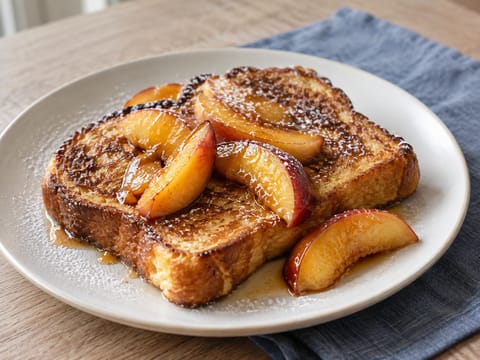
Brioche French toast topped with caramelised peaches
A box grater usually offers several cuts, including coarse and fine shredding. A microplane-style grater excels at very fine grating and zesting, producing a fluffy, almost powdery result.
Take only the coloured outer layer and stop before you reach the white pith. Light pressure and frequent turning help you avoid digging in too far.
Many vegetables release water when grated. Some recipes expect you to salt briefly and squeeze, or to drain well before mixing, especially for fritters, pancakes and bakes.
You can, but freshly grated cheese is often fluffier and melts more evenly. Pre-grated cheese can be drier and may clump, depending on the cheese and how it is handled.
A knife can create thin slices or a fine mince, and a vegetable peeler can make ribbons. For large quantities of shredding, a food processor with a grating disc is a common alternative.
Anchor it on a damp cloth, or brace a box grater firmly against the inside of a bowl. Stability makes grating faster and reduces the chance of scraped knuckles.
A grater is most useful when you choose the cut that matches the recipe’s texture and melting needs. Once you control stability, pressure and moisture, it becomes a quick, tidy way to build flavour and structure.
