
Tagliatelle al Ragù di Cinghiale (Tagliatelle with Wild Boar Ragù)
Why this recipe works
- Deep savoury base: Onion, carrot and celery are cooked gently before the meat, wine and tomatoes are added, giving the ragù a rounded foundation.
- Slow simmer for tenderness: Wild boar benefits from low, steady cooking, which helps the meat soften while the sauce reduces and thickens.
- Built for ribbon pasta: Tossing the tagliatelle through the ragù with a little pasta water helps the sauce cling to the ribbons rather than sit underneath.
Get the most out of this recipe
Timing notes
- Mostly hands-off cooking: The active work is concentrated at the start; most of the time is the gentle simmer that develops tenderness and depth.
- Finish the pasta just before serving: Cook and toss the tagliatelle at the end so it stays al dente and absorbs the sauce without becoming soft.
- The ragù improves with time: The sauce can taste even fuller after resting overnight, making it a strong make-ahead option.
Ingredient notes
- Wild boar flavour: Wild boar has a deeper, gamier flavour than domestic pork, which is why it pairs well with red wine, tomato and aromatic vegetables.
- Use a drinkable red wine: The wine reduces into the sauce, so choose one with a clean, balanced flavour rather than anything harsh or overly sweet.
- Season after reducing: Taste the ragù near the end of cooking before adding more salt, as reduction and cheese both increase savouriness.
Make-ahead tips
- Make the ragù in advance: Cook the sauce ahead, cool it quickly, then refrigerate it in a sealed container until needed.
- Freeze the sauce, not the pasta: The ragù freezes well on its own; cook fresh tagliatelle when serving for the best texture.
- Reheat gently: Warm the ragù slowly in a saucepan until piping hot, loosening it with a splash of water if it has thickened too much.
Authenticity notes
- Italian game ragù style: Wild boar ragù is closely associated with rustic central Italian cooking, where game meats are often simmered slowly with wine and tomatoes.
- Ribbon pasta pairing: Wide ribbons such as tagliatelle are a natural match for thick meat sauces because they give the ragù plenty of surface to cling to.
Equipment you'll need
Ingredients
Instructions
- Heat the olive oil in a Dutch oven over medium heat. Finely chop the onion, carrot and celery, then add to the pot and cook for 10 to 12 minutes until softened and lightly golden. Crush in the garlic and cook for 1 minute until fragrant.
- Add the wild boar and cook, breaking it up with a wooden spoon, for 8 to 10 minutes until well browned. Stir in the tomato purée and cook for 2 minutes to deepen the flavour. Pour in the red wine and simmer for 5 to 7 minutes until reduced by about half.
- Add the canned tomatoes and bay leaves, then bring to a gentle simmer. Reduce the heat to low and cook, partially covered, for 1 hour 45 minutes, stirring occasionally, until the meat is tender and the sauce is rich and thick. If it starts to catch, lower the heat and add a small splash of water from the kettle.
- Bring a large pot of well salted water to the boil and cook the tagliatelle until al dente. Reserve a mug of the pasta water, then drain. Remove the bay leaves from the ragù.
- Add the tagliatelle to the ragù and toss over low heat for 1 to 2 minutes until the pasta is well coated. Loosen with a splash of reserved pasta water if needed so the sauce clings to the ribbons. Serve hot with parmesan grated over the top.
Recipe notes
Tips
- Keep the ragù at a gentle simmer rather than a rapid boil so it reduces slowly and stays tender.
- If the sauce looks oily at the end, stir vigorously for 30 seconds; it helps the fat emulsify back into the ragù.
- If serving vulnerable groups, ensure the ragù is simmered thoroughly and the pasta is served piping hot.
Substitutions
- Replace red wine with the same amount of water for an alcohol-free version, and simmer a little longer to concentrate the flavour.
- Replace parmesan with pecorino romano cheese for a sharper, saltier finish.
Storage
- Refrigerate up to 3 days
- Cool the ragù quickly, then refrigerate in a sealed container for up to 3 days. Freeze the ragù (not the pasta) for up to 3 months; defrost overnight in the fridge and reheat gently in a saucepan until piping hot, loosening with a splash of water if needed.
Ratings & reviews
Liked this recipe? Share your feedback to support our cooking community.
Tried this recipe?
Choose 1–5 stars. A comment is optional.
Stay inspired
Discover new recipes, seasonal favourites and cooking inspiration every day. Follow JustRecipes on Pinterest and Spillt.

Recipe overview
- Servings: 4 servings
- Total time: 2h 30min (35min active)
- Difficulty: Medium
- Cuisine: Italian
-
Allergens:
Gluten Milk Wheat
Plan your meals and get a complete grocery list automatically.
Add to meal plannerEquipment you'll need
Got ingredients left?
Find recipes using ingredients from this recipe or what you already have at home.
Find recipes with these ingredients →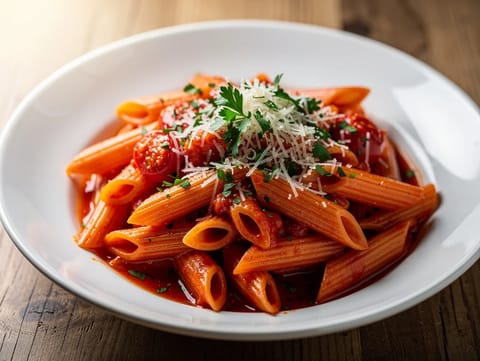
Penne all’Arrabbiata (Spicy Tomato and Garlic Pasta)
Roman penne with spicy tomato sauce, garlic and Pecorino Romano
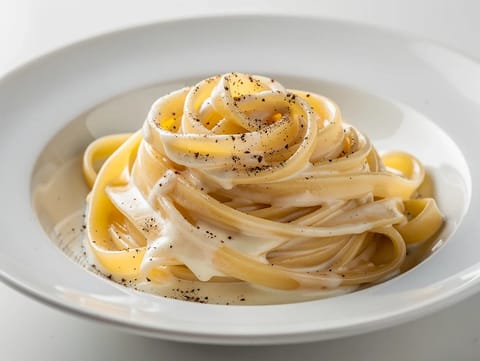
Fettuccine Alfredo
Fettuccine in a silky butter and Parmesan sauce
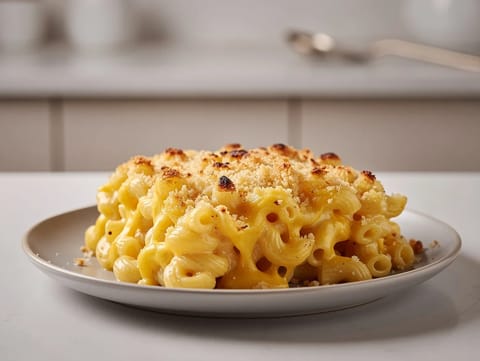
Baked Macaroni Cheese with Cheddar, Gruyère and Breadcrumbs
Baked macaroni cheese with Cheddar, Gruyère and breadcrumbs
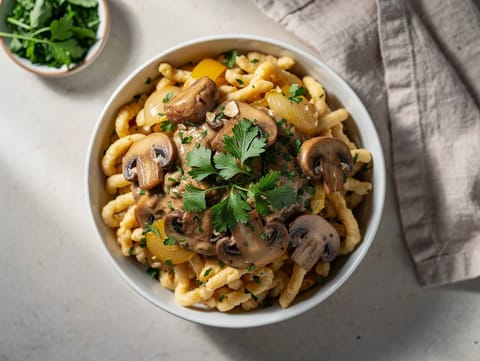
Spätzle Mushroom Bowl with Creamy Mushroom Sauce
Spätzle with creamy mushroom sauce, onion, garlic and parsley
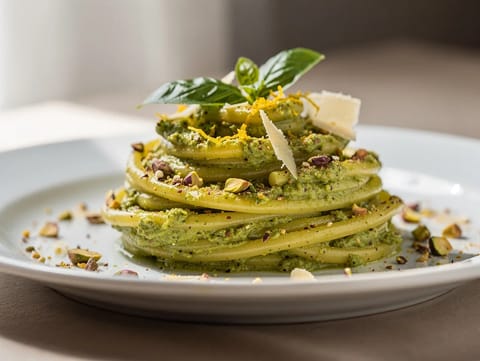
Pasta con Pesto di Pistacchi e Ricotta (Pistachio Pesto Pasta)
Pasta with creamy ricotta and pistachio pesto
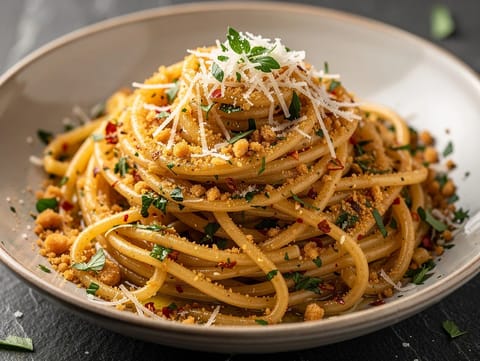
Pasta alla Carrettiera Siciliana (Garlic and Chilli Pasta)
Sicilian spaghetti with garlic, chilli and toasted breadcrumbs
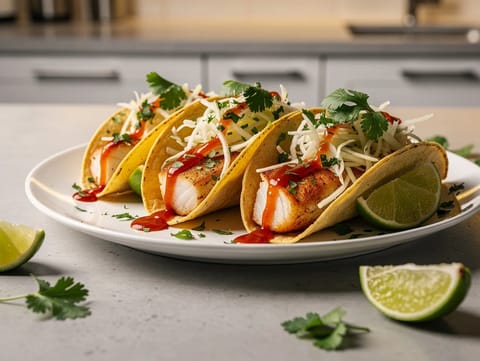
Fish Tacos with Cabbage Slaw
Fish tacos with lime mayo cabbage slaw
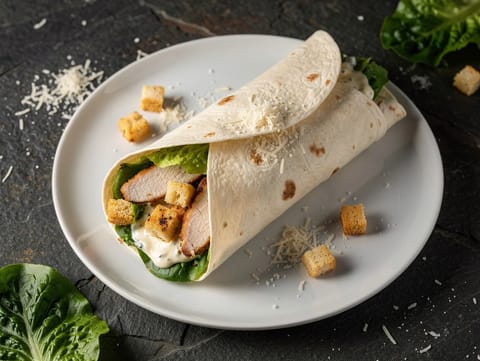
Chicken Caesar Wrap
Chicken Caesar wrap with romaine, Parmesan and croutons
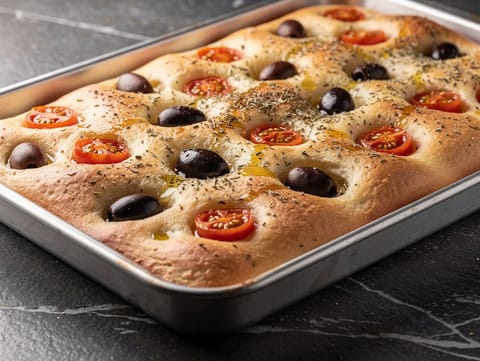
Focaccia Barese with Olives and Cherry Tomatoes
Olive oil focaccia topped with cherry tomatoes and olives
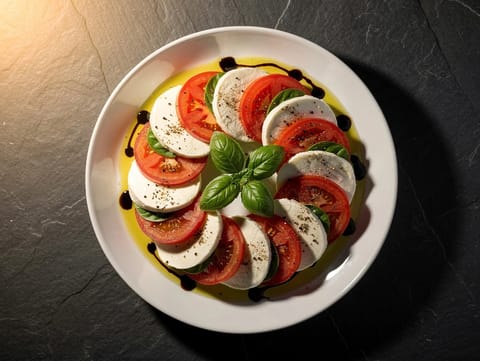
Modern Caprese Salad
Tomatoes, mozzarella and basil with olive oil and balsamic
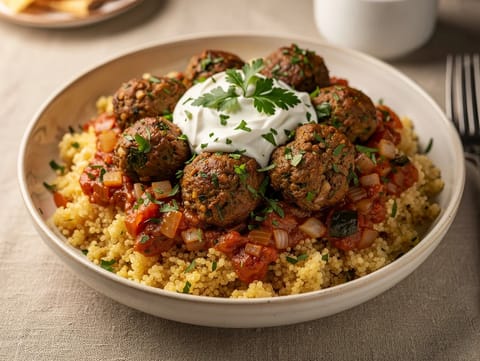
Moroccan-Spiced Lamb Meatball Bowl with Couscous
Lamb meatballs in tomato sauce served over couscous
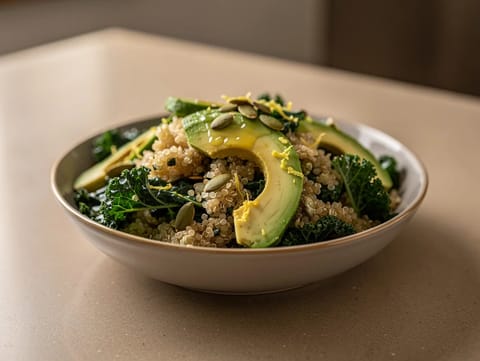
Avocado, Kale and Quinoa Salad with Lemon and Pumpkin Seeds
Quinoa salad with kale, avocado and pumpkin seeds
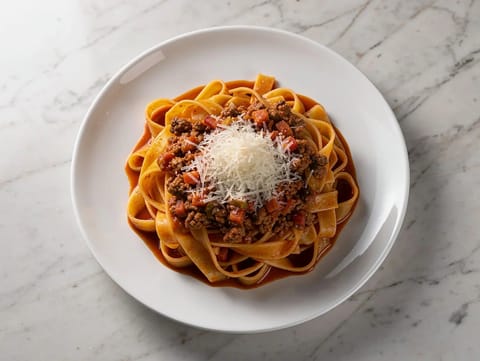
Tagliatelle al Ragù (Tagliatelle with Bolognese Sauce)
Tagliatelle with slow-simmered beef and pancetta ragù
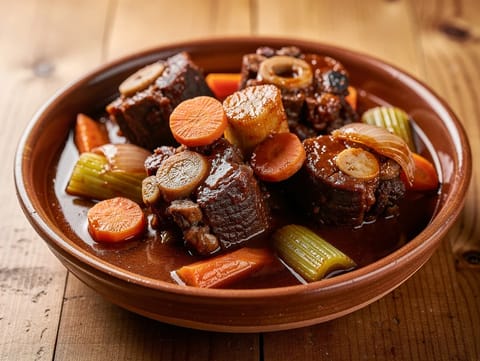
Rabo de Toro Cordobés (Córdoba Oxtail Stew)
Oxtail stew braised with red wine and beef stock
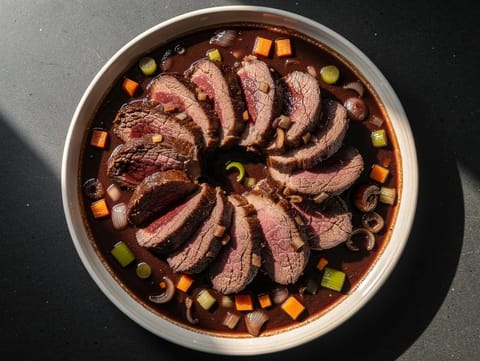
Brasato al Barolo (Beef Braised in Red Wine with Vegetables)
Beef braised in Barolo with vegetables and reduced wine sauce
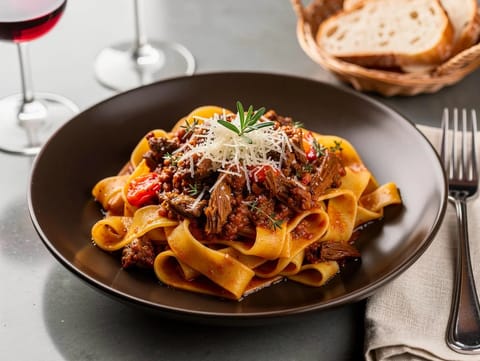
Pappardelle al Cinghiale (Pappardelle with Wild Boar Ragù)
Pappardelle with slow-simmered wild boar ragù and pecorino
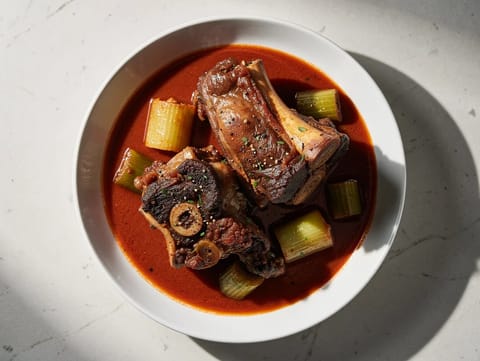
Coda alla Vaccinara (Roman Oxtail Stew)
Roman oxtail stew with tomato, red wine and celery
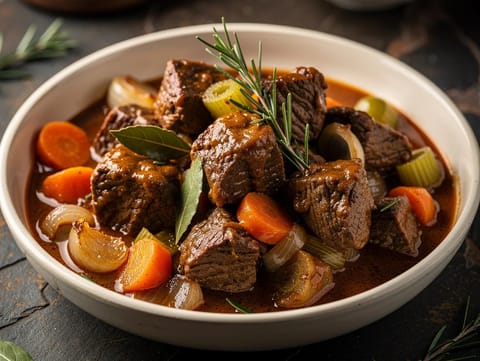
Spezzatino di Manzo (Italian Beef Stew)
Italian beef stew simmered with tomato, red wine and herbs
You might also like
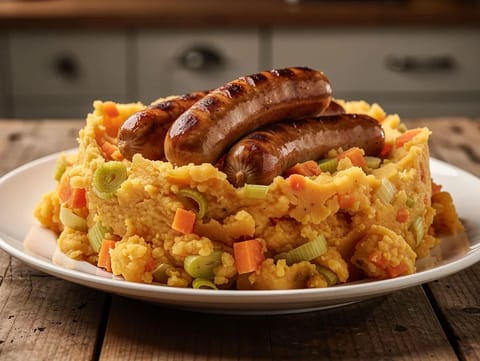
Stoemp met Worst (Mashed Potatoes and Vegetables with Sausage)
Belgian mashed potatoes and vegetables topped with pork sausages

Crème Brûlée (Burnt Cream Custard)
Vanilla custard with a crisp caramelised sugar topping
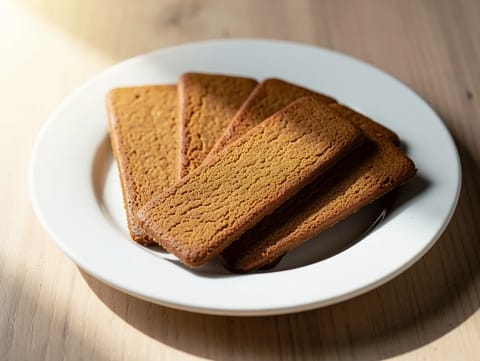
Speculoos (Belgian Spiced Biscuits)
Thin, crisp speculoos biscuits with warming spices

Horchata de Coco (Coconut Horchata)
Chilled coconut and rice drink with cinnamon and vanilla
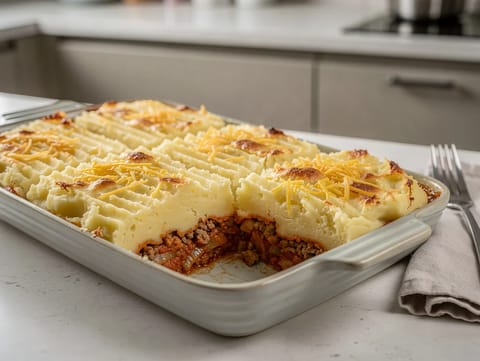
Ovenschotel Gehakt en Aardappel (Dutch Minced Beef and Potato Casserole)
Minced beef and mashed potato casserole with Cheddar topping
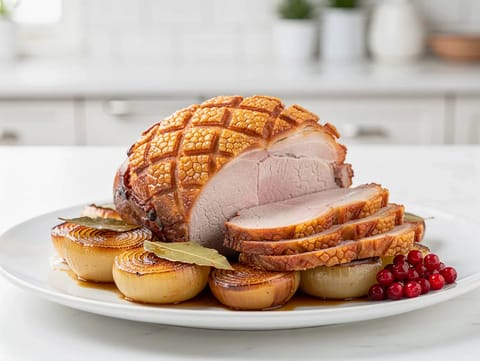
Christmas Pork Roast (Nordic Roast Pork with Crisp Crackling)
Nordic pork roast with crisp crackling and bay leaves
Enjoy cooking with JustRecipes?
Add JustRecipes as one of your preferred Google sources to discover our recipes more easily across Google Search.
Add JustRecipes to GoogleEvery recipe on JustRecipes follows the same structured editorial process. Learn how recipes are created, validated, translated, illustrated, and continuously improved across the platform. How we create recipes.
