
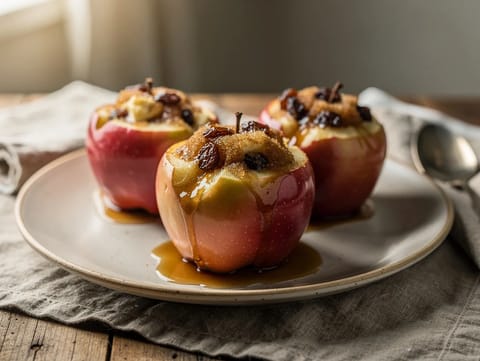
Air Fryer Baked Apples
Air fryer baked apples filled with cinnamon, brown sugar and butter.

Measuring spoons are the quiet workhorses of the drawer: they make small quantities repeatable, especially when a teaspoon too much can tip a dish. They matter most for potent seasonings, raising agents and flavourings, where the difference between “a little” and “a lot” is hard to judge by eye. At the same time, they have limits. Sticky ingredients cling, heaped spoons vary wildly, and some recipes are forgiving enough that you can season to taste instead. Knowing when to measure and when to adjust is what makes them genuinely useful.
A standard set is designed for small volumes that are awkward to measure in cups: spices, salt, baking powder and soda, dried yeast, extracts and concentrated liquids. In baking, these small measures can have an outsized effect on rise and flavour, so accuracy is practical rather than fussy. Measuring spoons are less helpful for ingredients that do not level cleanly, such as honey, syrups and nut butters, unless the recipe is tolerant. They also do not replace tasting and adjusting when you are seasoning a soup or dressing, where ingredients and personal preference vary.
Air fryer baked apples filled with cinnamon, brown sugar and butter.
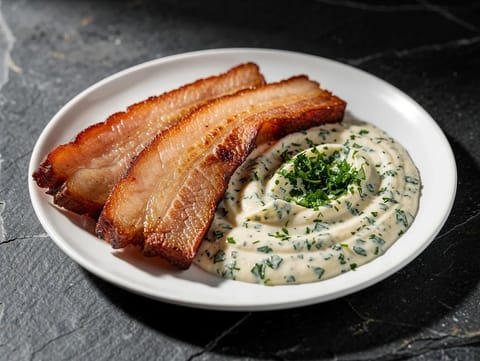
Crispy pork belly with warm parsley sauce
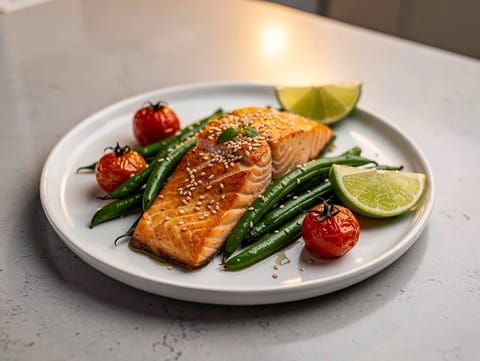
Air-fried salmon with green beans, tomatoes and soy glaze.
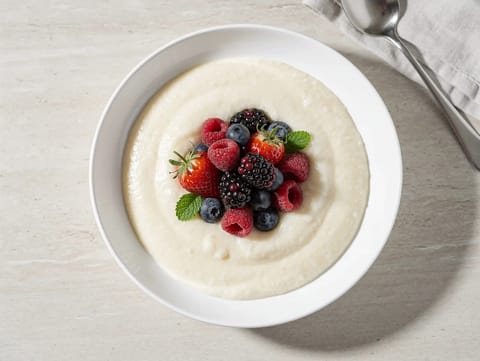
Creamy semolina porridge with butter and mixed berries
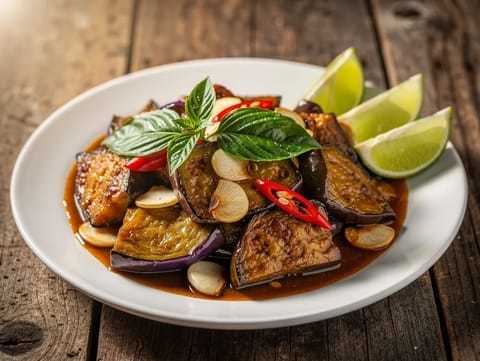
Aubergine stir-fry with Thai basil, garlic and chilli
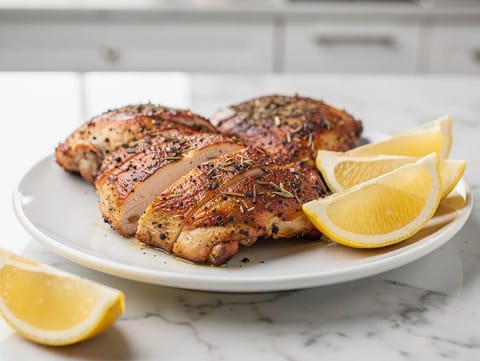
Air fryer Greek chicken with lemon, garlic and oregano.
For dry ingredients, fill the spoon and level it with a straight edge for consistency. For sticky ingredients, a small spoon can be lightly oiled or dipped in neutral oil first, which helps the ingredient slide out more cleanly. If you are measuring several spices, it is often quicker to measure into your hand or a small bowl and tip them in together, rather than stopping to wash and dry each spoon. When you do not have measuring spoons, a small set of kitchen teaspoons can work in a pinch, but the volume is not standardised, so treat it as approximate and adjust carefully.
Milk-simmered rice porridge, lightly sweetened and served warm with cinnamon and butter
Savoury bread porridge simmered with pork and pork blood, finished with vinegar
Classic sole meunière finished with brown butter, lemon juice and parsley
Classic coq au vin with chicken in a lightly thickened red wine sauce
Teriyaki tofu with sushi rice, cucumber, edamame, sesame and nori.
Sushi rice topped with sweet chilli chicken, avocado and cucumber.
Salmon poke with soy and sesame served over sushi rice.
A creamy fig smoothie bowl blended with banana and Greek yoghurt, drizzled with honey.
Apple pie smoothie bowl with apple, banana, Greek yoghurt, oats and cinnamon.
A thick pistachio and date smoothie blended with whole milk and vanilla.
A creamy breakfast smoothie of banana, tahini, milk, honey and cinnamon.
Spicy gochujang-marinated pork is air-fried until browned and sticky.
Measure precisely when the ingredient is powerful or functional: chilli powder and cayenne, salt in a small-volume sauce, and especially baking powder, bicarbonate of soda and yeast. Those are hard to correct once mixed in. Measure more loosely when the recipe invites adjustment, such as spice blends, dressings and marinades, where you can taste and rebalance. If you are scaling a recipe up or down, measuring spoons help keep ratios sensible, because “a pinch” does not scale reliably. For very small amounts, a set that includes smaller spoons can be useful, but careful pinches can also be effective when the recipe is forgiving.
Cooking method can help you judge how much precision matters: baking and quick breads often rely on exact small measures, while many stovetop dishes allow tasting and adjustment. Difficulty is another useful lens, because recipes with more steps or tighter timing often benefit from having measurements nailed down early.
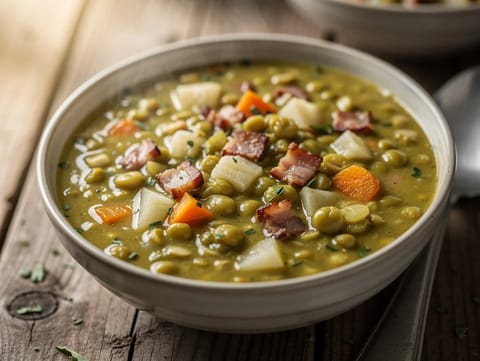
Thick split pea soup with smoked bacon and vegetables
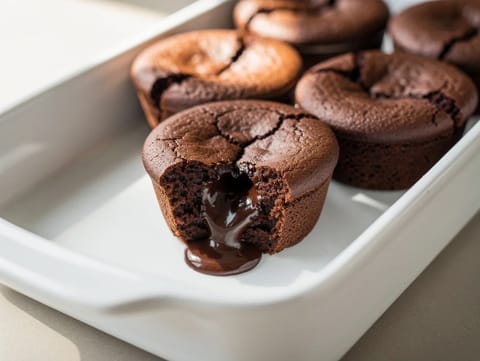
Warm chocolate cakes with a molten centre
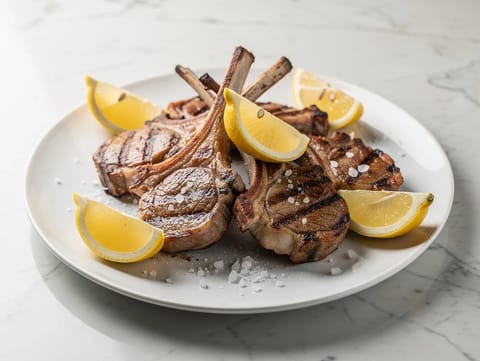
Lamb cutlets grilled over vine shoots with garlic and rosemary
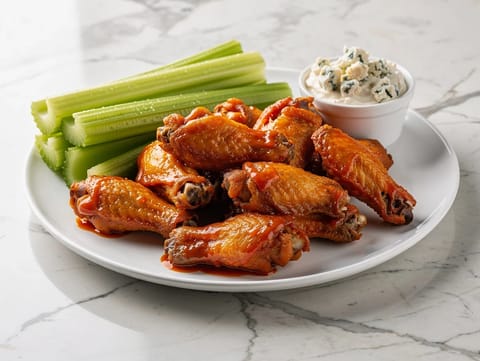
Crisp wings tossed in buttery hot sauce Buffalo-style.
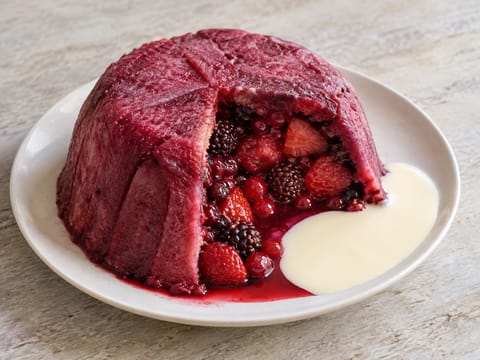
Chilled bread pudding filled with mixed berries
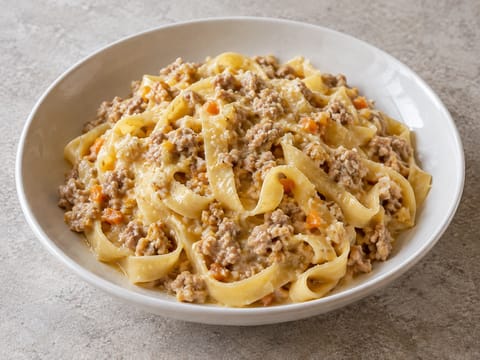
Tagliatelle with silky white pork and veal ragù
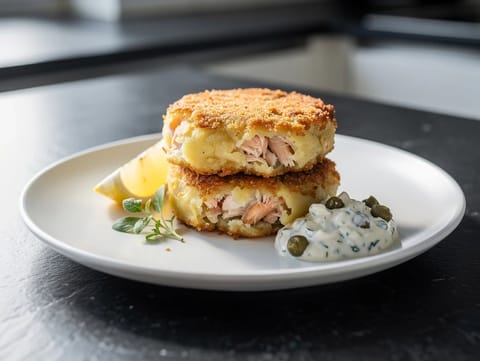
Crisp smoked haddock fishcakes with tartare sauce
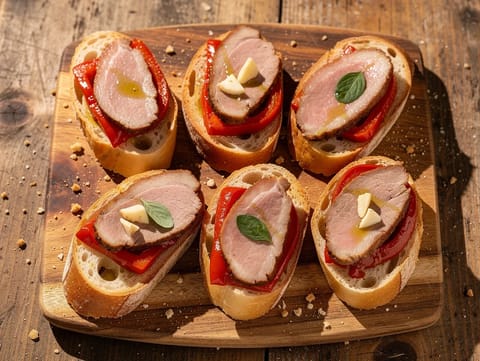
Warm mini sandwiches with seared pork loin and sautéed peppers
They are still useful for spices, salt, and concentrated flavourings, but many savoury dishes can be adjusted to taste, so exact measuring is less critical.
Unless a recipe says “heaped”, assume level. Heaped spoonfuls vary a lot and can easily double the intended amount.
A light coating of neutral oil on the spoon helps, or you can measure by weight if the recipe provides it. Scraping with a small spatula also reduces waste.
Not always. Spoon sizes can vary by region and by the cutlery in your drawer, which is why standard measuring spoons are more consistent.
A pinch is inherently variable and depends on your fingers and the ingredient. It works best in recipes where you can taste and adjust.
Measuring spoons earn their keep when small amounts have a big impact. Use them for raising agents and potent seasonings, and feel free to cook more intuitively when the recipe gives you room to adjust.
