
Roast Beef with Yorkshire Pudding and Horseradish Sauce
Tender roast beef with crisp Yorkshire puddings and creamy horseradish sauce

A muffin tin is essentially a portioning tool for the oven. By dividing a mixture into small, evenly sized wells, it changes how heat moves through the food: edges set sooner, centres cook faster, and you can bake or set multiple portions at once without slicing later. That can be useful for classic muffins and cupcakes, but also for any recipe where individual portions help with timing, neatness or serving.
The defining feature is the fixed shape: a grid of cups that supports a batter or mixture as it rises and sets. Compared with a single cake tin, a muffin tin gives more surface area, so browning and crust formation happen sooner. It also makes portion size consistent, which is helpful when a recipe relies on even baking across a batch. Muffin tins vary in cup size and depth, and that affects baking time and how full each cup should be. Some recipes assume paper cases; others rely on greasing the tin so the sides release cleanly and the edges brown.
Tender roast beef with crisp Yorkshire puddings and creamy horseradish sauce
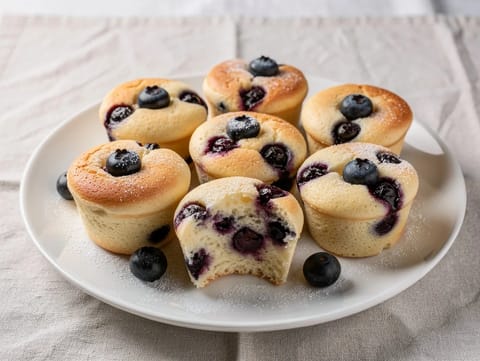
Baked pancake bites with vanilla batter and blueberries.
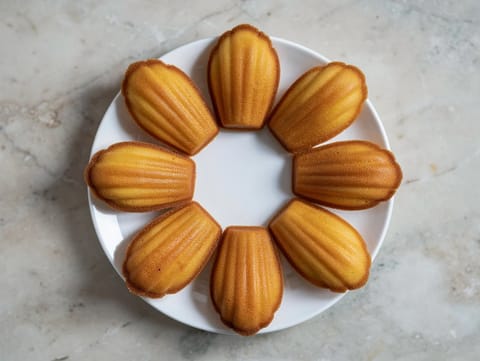
French shell-shaped sponge cakes with lemon and vanilla
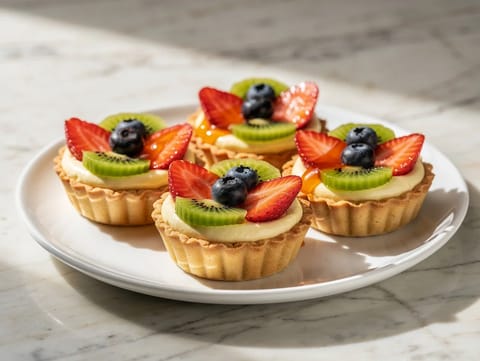
Shortcrust tartlets with vanilla pastry cream and fresh fruit
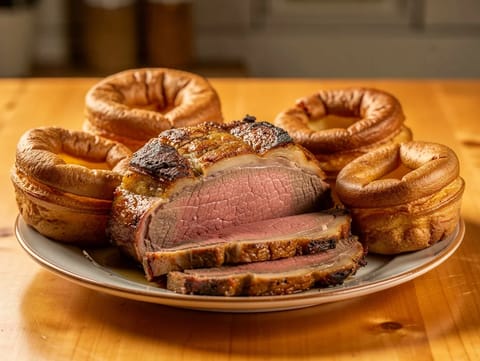
Roast rib of beef with Yorkshire puddings and gravy
Golden pastry tarts filled with creamy orange-scented arborio rice custard
A heavier tin tends to heat more steadily, which can help with even browning, while a very thin tin can run hot at the edges. Dark-coloured tins often brown faster than light ones, so keep an eye on colour cues rather than relying only on the clock. Non-stick finishes can make release easier, but they still benefit from greasing for sticky batters or sugary toppings. Paper cases reduce washing-up and make lifting out simple, but they can soften the sides of some bakes and may cling if the mixture is very low in fat. Silicone cups are reusable and release well, though they can insulate slightly, which may reduce browning.
Tender financiers made with ground almonds, egg whites and brown butter
Small French almond cakes with browned butter, vanilla and a tender crumb
Golden pastry tarts filled with creamy orange-scented arborio rice custard
Tender roast beef with crisp Yorkshire puddings and creamy horseradish sauce
Overfilling is the classic muffin-tin problem: batter domes, spills and then bakes onto the rim, which is hard to clean and can make portions uneven. Underfilling can also be an issue, as very shallow portions can dry out before they colour. If a recipe includes a lot of sugar or syrupy fruit, take extra care with greasing or lining, as caramelised edges can glue themselves to the cup. Letting the bakes sit briefly can help them firm up before you try to lift them out.
A muffin tin is closely tied to how a recipe is baked and how precise the portioning needs to be. Cooking method is a helpful way to find other recipes that rely on oven setting and browning cues. Difficulty can also be useful, because some muffin-tin bakes are straightforward, while others depend on careful filling, timing and handling when hot.
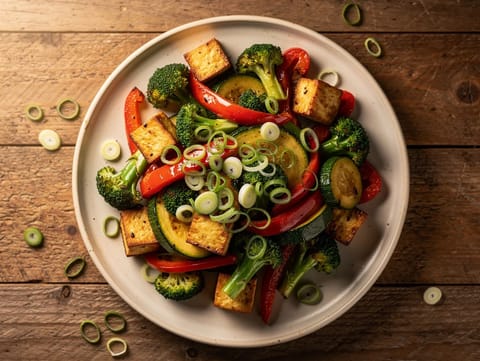
Crispy tofu and vegetables cooked quickly in the air fryer.
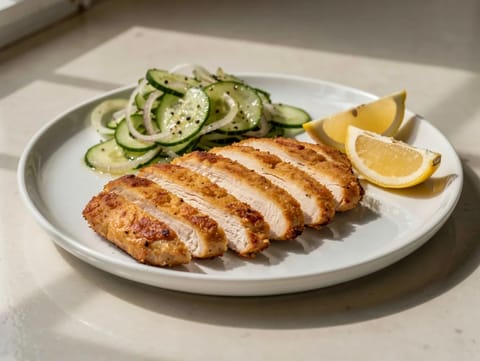
High protein air-fried yoghurt-marinated chicken with cucumber salad.
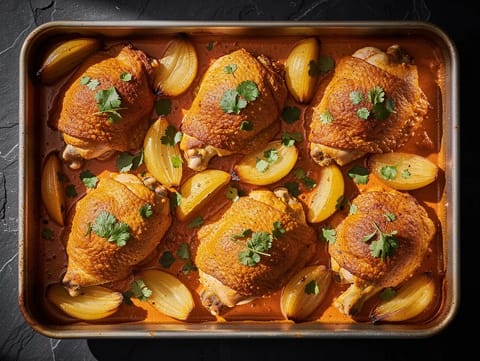
Butter chicken traybake with creamy tomato sauce
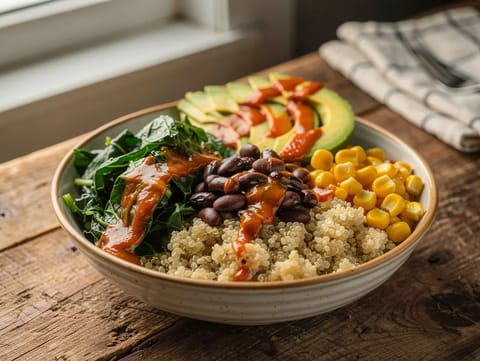
Quinoa bowl with black beans, collard greens, lime and avocado
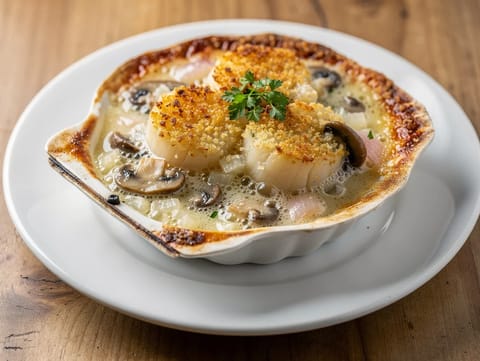
Scallop gratin in creamy white wine sauce with breadcrumbs
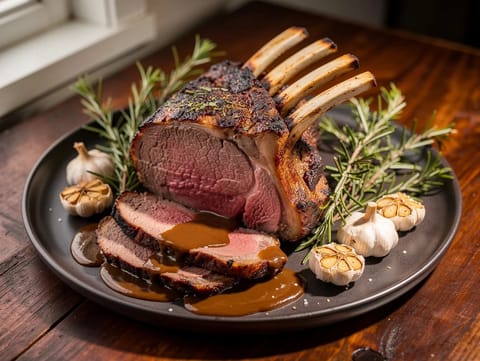
Roast prime rib with rosemary and a simple beef gravy
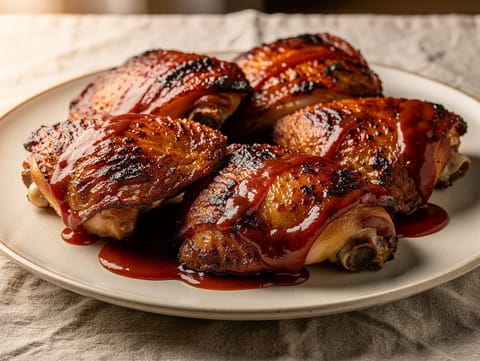
Oven-baked BBQ chicken thighs with tangy ketchup sauce
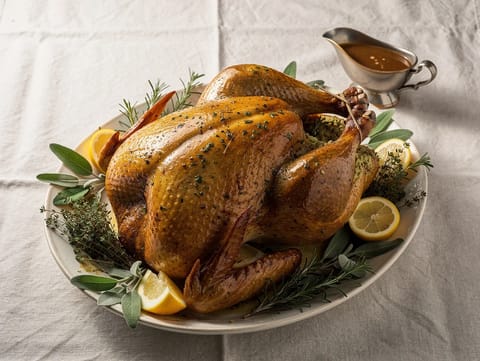
Roast turkey with herb butter and gravy from pan drippings
No. The tin’s main job is portioning and supporting a mixture as it sets. That can apply to savoury bakes and set mixtures as well as muffins and cupcakes.
Not always. Many recipes work well with a well-greased tin. Paper cases are useful for easy lifting and tidy serving, but they can change the texture at the edges.
The base is in direct contact with hot metal, so it browns quickly. A darker tin, a very hot oven, or placing the tin low in the oven can all intensify this.
Often, yes, but the baking time and yield may change. Smaller cups usually bake faster; larger cups take longer and may need different filling levels to avoid overflow.
Sticky batters, sugary toppings and fruit can caramelise and adhere. Greasing (or lining) and allowing a short rest after baking can help release.
When you see a muffin tin listed, expect a recipe that benefits from individual wells: quicker setting, even portions and easy serving. Match the cup size to the recipe’s expectations, and use liners or greasing based on how sticky the mixture is likely to be.
