
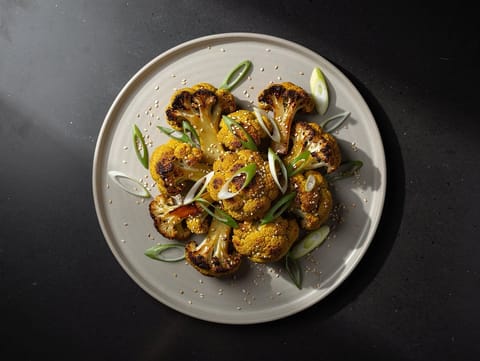
Miso Roasted Cauliflower with Sesame and Spring Onion
Roasted cauliflower glazed with miso, sesame oil and spring onion

An oven is a controlled hot box: it surrounds food with dry heat so it can bake, roast, crisp and set. That sounds straightforward, but ovens vary in how evenly they heat, how quickly they recover temperature, and how strongly they brown. Recipes that list an oven are often relying on predictable heat over time, whether that’s to set a cake, roast vegetables until caramelised, or cook a tray of food evenly. Understanding the oven’s strengths and limits helps you interpret instructions with more confidence.
When a recipe calls for the oven, it usually expects hands-off cooking once the food is in: the heat does the work while you focus on timing and doneness cues. Oven cooking commonly aims for one or more of these outcomes: a dry, browned surface; a set interior structure (as in baking); or gentle, even heat for larger items. Unlike a hob, the oven is slower to respond to changes, so preheating and shelf position matter more. It also tends to cook from the outside in, which is why thickness and spacing on a tray can change results even when the ingredients are the same.
Roasted cauliflower glazed with miso, sesame oil and spring onion
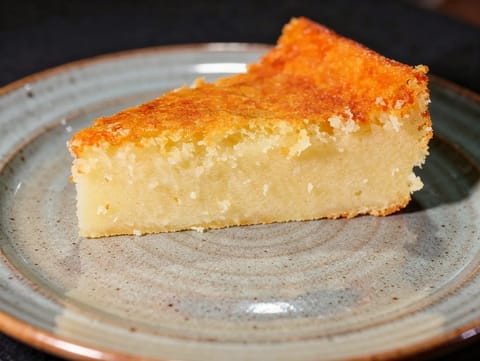
Dense Portuguese almond cake finished with icing sugar
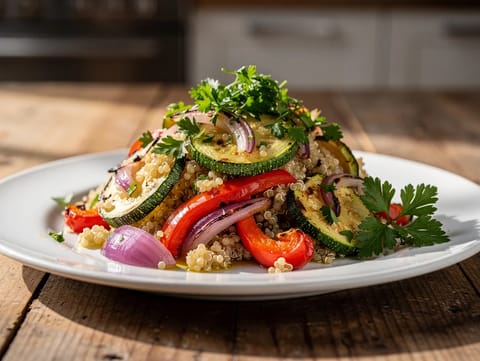
Quinoa salad with roasted courgette, pepper and onion
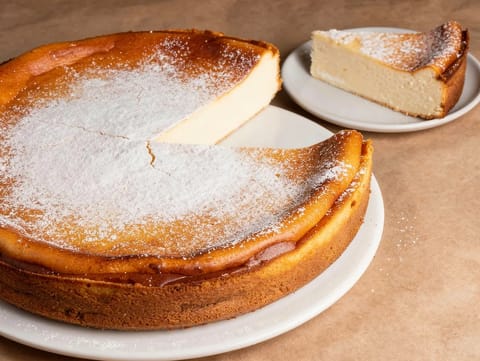
Polish baked cheesecake made with quark and vanilla

Matcha castella sponge cake with honey
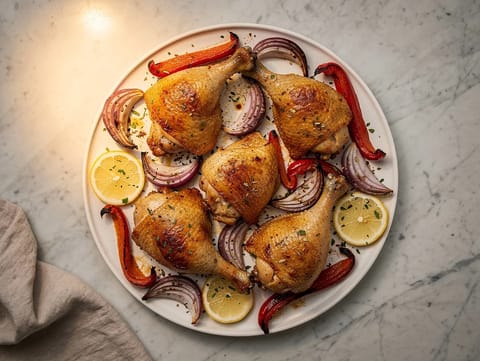
Sheet-pan chicken with yoghurt, lemon, onion and red pepper
Conventional ovens heat mainly by radiant heat from the walls and elements, while fan-assisted ovens add airflow that can speed up surface drying and browning. That airflow can be helpful for roasting and crisping, but it can also dry delicate bakes if the recipe isn’t written with a fan in mind. Shelf position is a quiet but powerful control: higher shelves brown tops faster; lower shelves push heat into the base. Crowding is another common issue. If trays are packed tightly, steam builds up and food roasts less and steams more. Leaving space between pieces and between trays helps hot air circulate and encourages caramelisation.
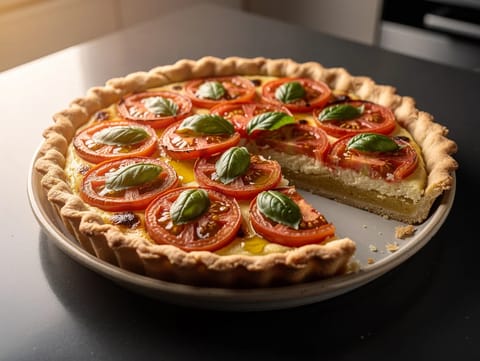
Shortcrust tart with ricotta, tomatoes and fresh basil
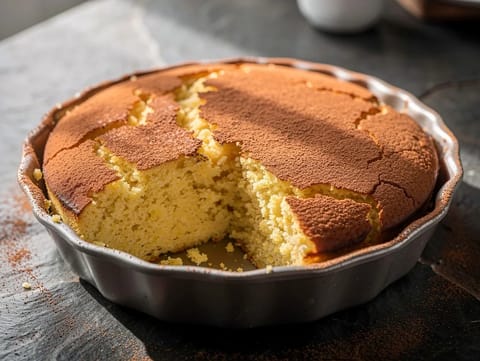
Mexican sweetcorn cake with condensed milk and cinnamon
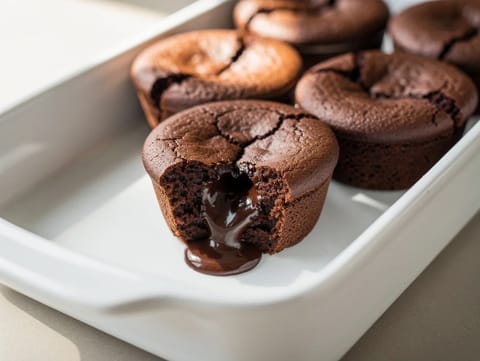
Warm chocolate cakes with a molten centre
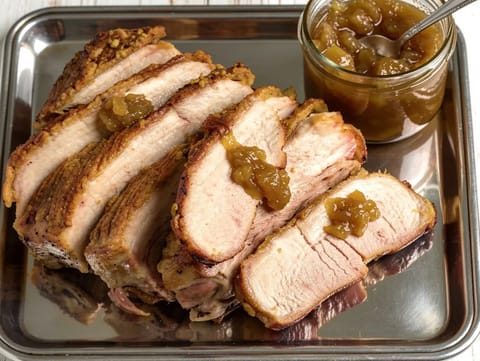
Slow-roasted pork belly with crisp crackling and apple chutney
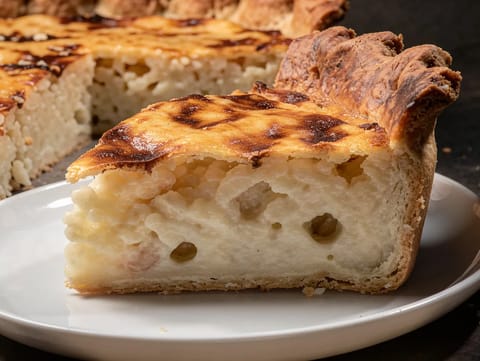
Belgian rice pudding tart in a shortcrust case
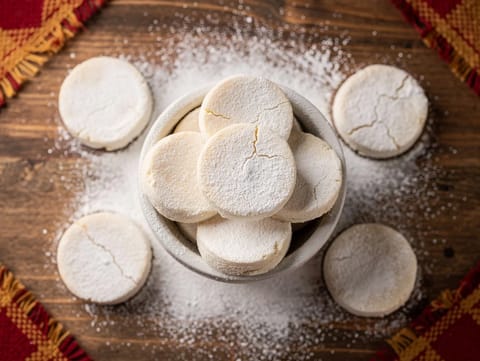
Crumbly Spanish shortbread biscuits with almonds and icing sugar
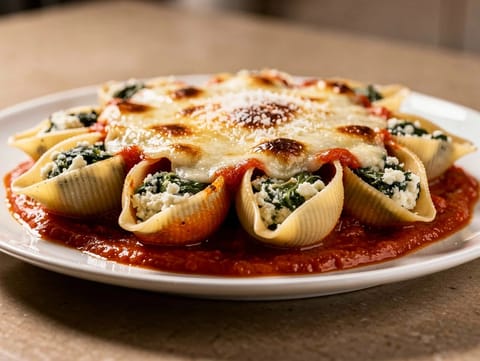
Stuffed pasta shells baked with ricotta, spinach and melted mozzarella
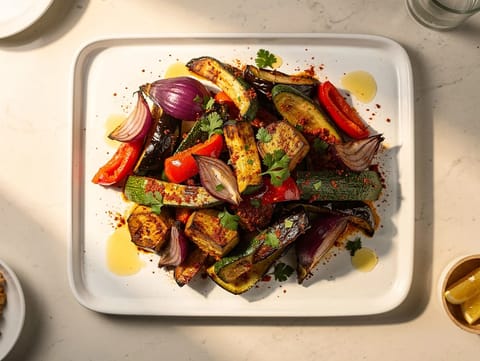
Harissa-roasted vegetables finished with lemon and coriander
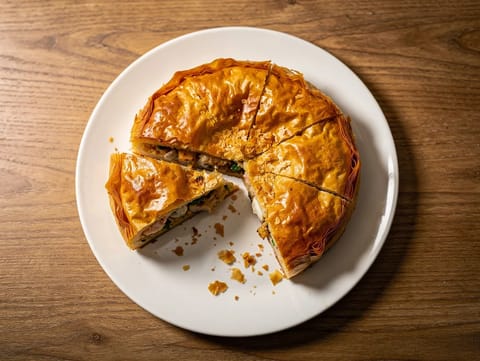
Crisp Moroccan filo pie filled with prawns and white fish
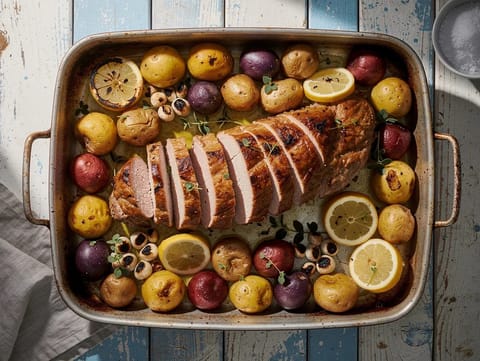
Greek-style pork roast with lemon, oregano and tray potatoes
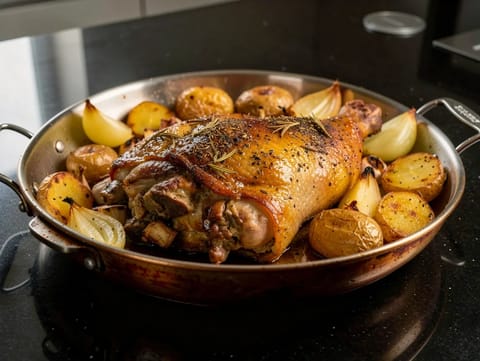
Greek slow-roasted lamb with lemon, oregano and potatoes
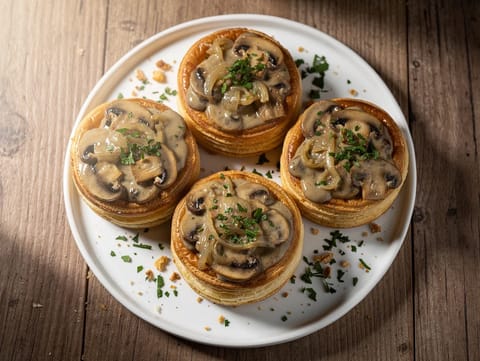
Puff pastry cases filled with creamy mushrooms
Skipping preheating can throw off timing and texture, especially for baking where structure sets early. Opening the door repeatedly drops temperature and can slow cooking; it matters most for bakes that rely on steady heat. Using the wrong tin or tray can also change outcomes: a heavy tray browns differently from a thin one, and dark metal can colour faster than light. Finally, many ovens run a little hot or cool. If you notice consistent over-browning or undercooking, an oven thermometer can help you interpret recipes more accurately without guessing.
Oven recipes are often best understood through the technique they use: roasting, baking, broiling or slow cooking. Cooking method helps you compare those approaches and the results they produce. Difficulty is also useful, because some oven recipes are largely hands-off, while others depend on confident judgement of colour, rise and doneness.
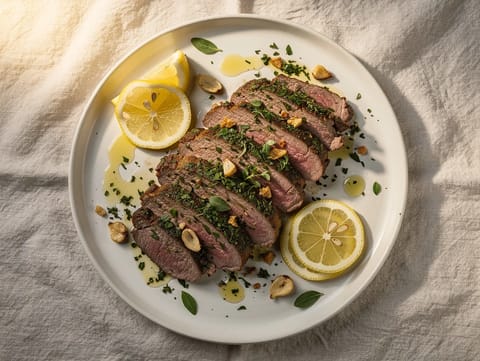
Air-fried lamb with garlic, lemon and herbs.
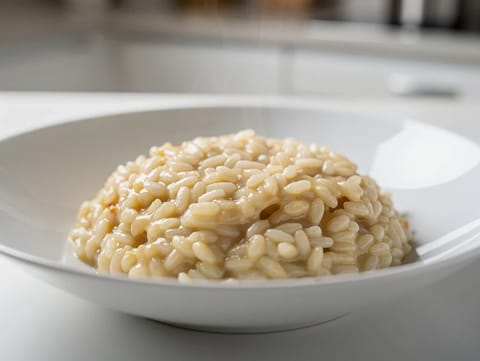
Creamy Champagne risotto finished with Parmesan
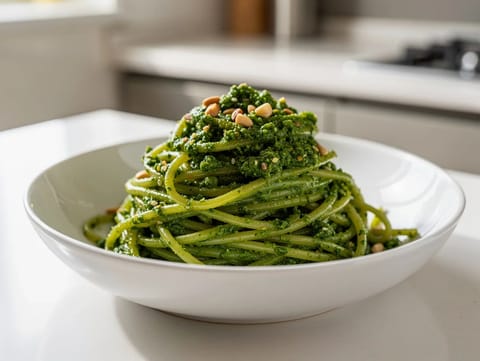
Spaghetti tossed with fresh basil pesto, pine nuts and Parmesan
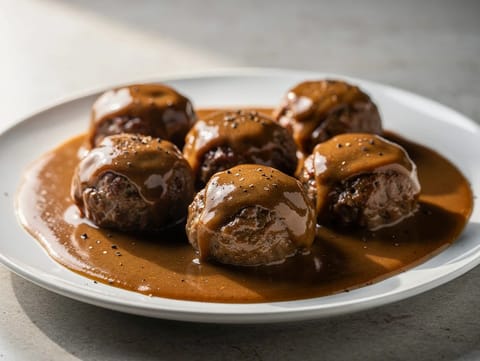
Minced beef meatballs with simple mustard pan gravy
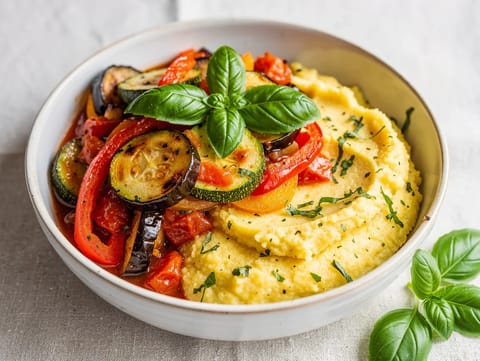
Vegan ratatouille served over creamy polenta with fresh herbs
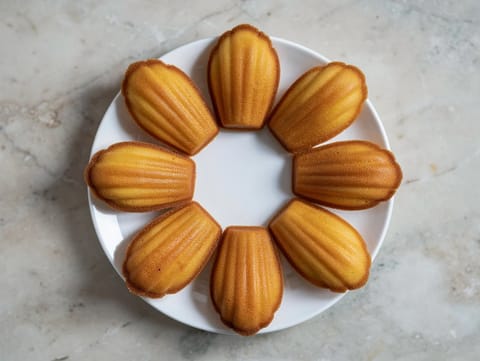
French shell-shaped sponge cakes with lemon and vanilla
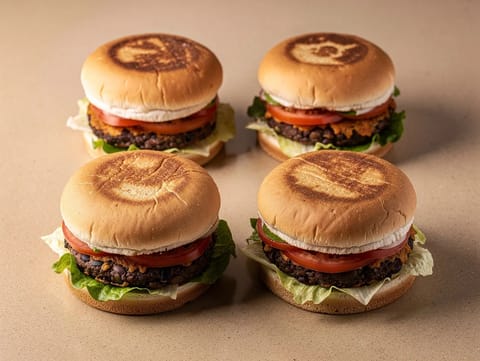
Crisp pan-fried black bean burgers in toasted buns
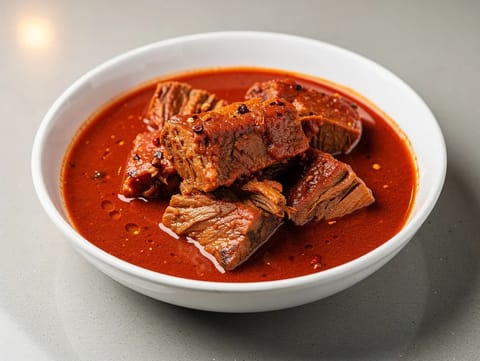
Mexican pork stew simmered with ancho chilli and tomatoes
No. Even ovens of the same type can differ in hotspots, airflow and temperature accuracy. That’s why recipes often include visual cues such as colour and texture alongside timings.
Fan-assisted ovens move hot air around, which can speed up cooking and browning and dry surfaces more readily. Conventional ovens can be gentler for some bakes but may heat less evenly.
If food is crowded, moisture has nowhere to go and the oven environment becomes steamy. Space allows evaporation and airflow, which supports roasting and crisping.
Use higher shelves when you want stronger top browning, such as finishing a gratin. For even baking, many recipes work best nearer the middle where heat is more balanced.
Some oven-safe dishes are designed for it, but sudden temperature changes can crack certain glass or ceramic. If you’re unsure, avoid thermal shock by warming the dish gradually.
Hotspots, an unlevel shelf, or placing tins too close to an oven wall can all cause uneven heat. Rotating tins partway through can help, unless the recipe warns against moving them while setting.
Oven recipes reward small, practical choices: preheat properly, give food space, and use shelf position to control browning. Once you treat the oven as a heat environment rather than a fixed temperature, the instructions make more sense across many different dishes.
