
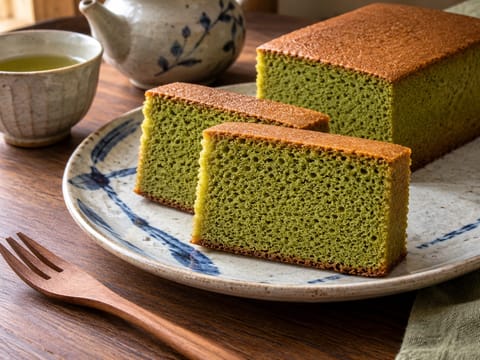
Matcha Castella Cake (Japanese Green Tea Sponge)
Matcha castella sponge cake with honey

Sieve and strainer are often used interchangeably, but they solve slightly different problems. A strainer is usually about separating solids from liquid quickly, while a sieve is often about refining texture, removing lumps or aerating dry ingredients. Mesh size, bowl shape and rigidity change what the tool can do, from draining pasta to pressing purées or dusting icing sugar. If you know whether the recipe needs speed, smoothness or fine filtration, you can choose the right tool, or improvise safely with what you have.
A colander has larger holes and is built for fast draining of bulky foods such as pasta and vegetables. A fine-mesh strainer drains smaller items and catches grains, seeds or curds, and it is often used for rinsing. A sieve is typically finer again and may be used dry, for flour or cocoa, or wet, for smoothing custards and sauces. The key variable is mesh size: finer mesh gives a smoother result but clogs more easily, so it suits small quantities and gentle pressing rather than rapid draining.
Matcha castella sponge cake with honey
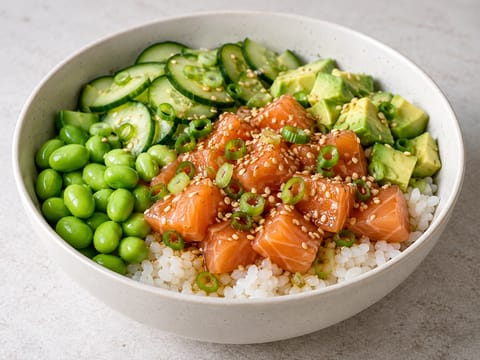
Salmon poke bowl with sushi rice, edamame and soy.
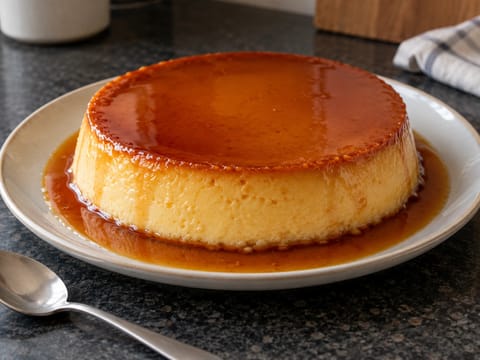
Spanish baked caramel custard made with eggs, milk and vanilla
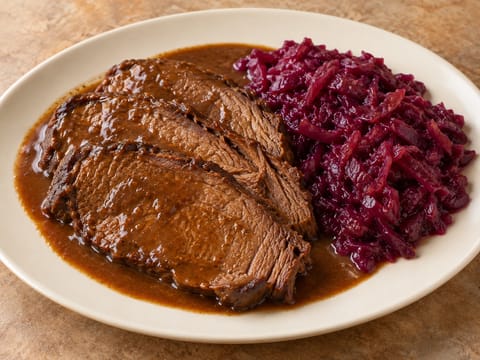
German pot roast in red wine vinegar with apple red cabbage
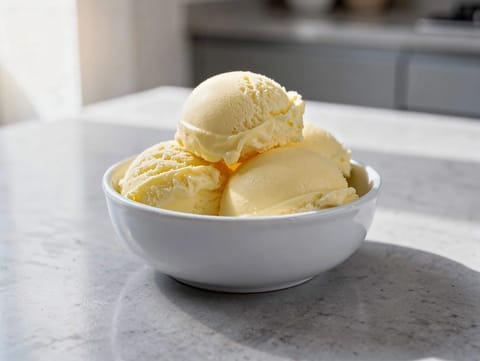
Italian lemon gelato made with fresh zest and juice
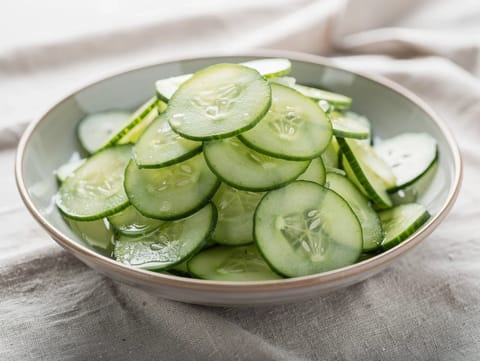
Danish cucumber salad in a sweet and tangy vinegar dressing
For draining, pick a tool that matches the size of what you are draining. Fine grains and small pasta shapes can slip through a colander, while a fine-mesh strainer can back up and overflow if you pour too quickly. For smoothing, a fine sieve or strainer works best when you push with a ladle or spatula and keep the mixture moving; thick purées may need a sturdier tool and patience. For sifting dry ingredients, a dry, clean sieve is important, and tapping gently is usually more effective than shaking hard, which can compact flour into lumps.
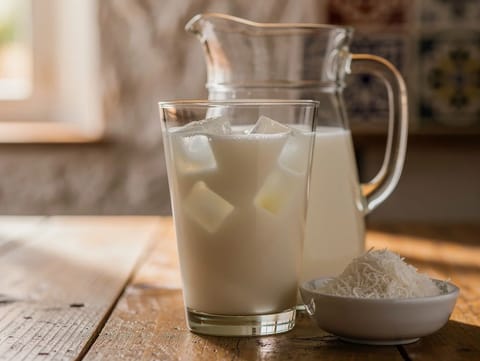
Chilled coconut and rice drink with cinnamon and vanilla
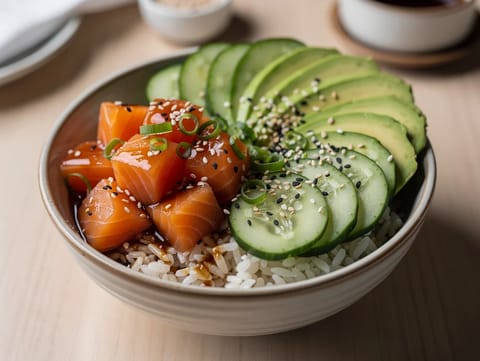
Sushi rice poke bowl with salmon and avocado.

Choux-style fritters fried in olive oil with lemon and icing sugar
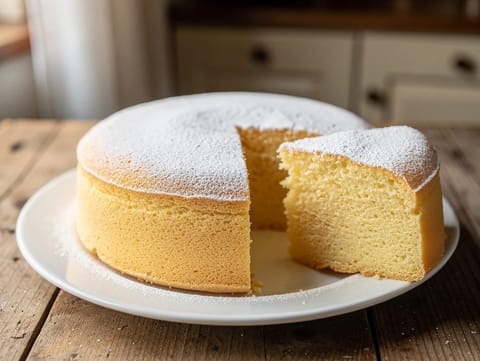
Light buttery sponge cake finished with a dusting of icing sugar

Chilled lemon and cinnamon custard with a caramelised sugar crust

Chilled orange custard with a crisp caramelised sugar topping

Red lentil tarka dal served with fragrant cumin jeera rice

Beef and guajillo soup with chayote, beans and sweetcorn
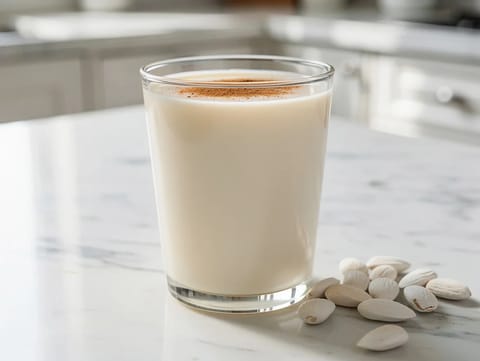
Almond milk blended with honey and orange blossom water
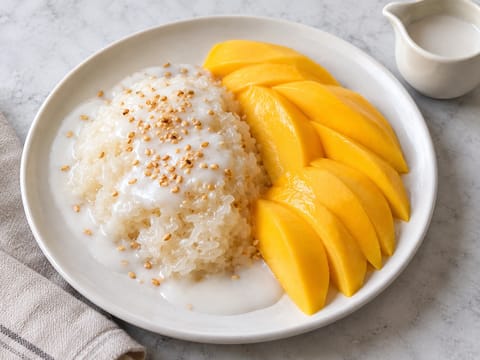
Thai mango sticky rice platter with coconut sauce
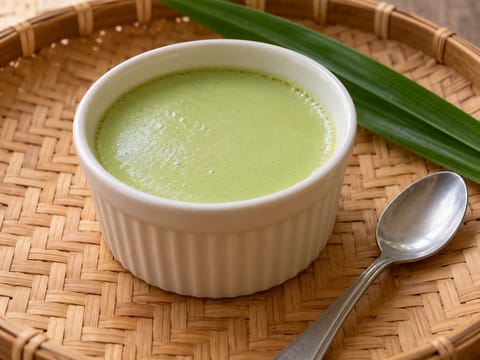
Thai steamed custard flavoured with pandan and coconut milk
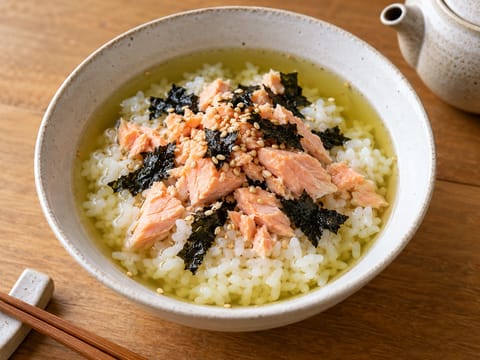
Steamed rice with salmon and nori, topped with green tea
The most common problem is using too fine a mesh for a large volume of liquid, then pouring fast and flooding the rim. Work in batches and give the liquid time to pass through. Another issue is pressing very hot mixtures aggressively, which can force splashes through the mesh; slow, steady pressure is safer and usually gives a smoother result. For sifting, dampness is the enemy: even a little moisture in the sieve can make flour clump and stick, so dry the tool thoroughly before you start.
This tool often signals a texture step rather than a specific dish. Cooking method is a useful next route because straining, sieving and rinsing show up in everything from stocks and sauces to baking. Difficulty can also help you judge whether the recipe expects a quick drain or a more precise, fine-texture finish.
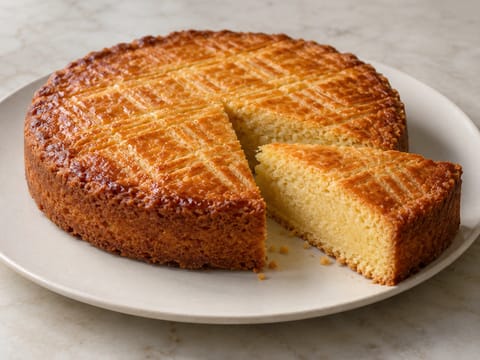
Dense Breton butter cake with vanilla and egg yolks
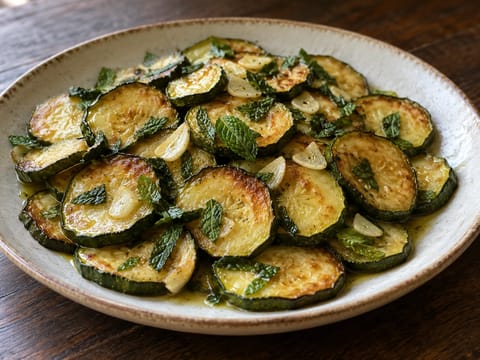
Fried courgettes dressed with mint, garlic and vinegar

Crisp tostadas topped with tuna ceviche and avocado
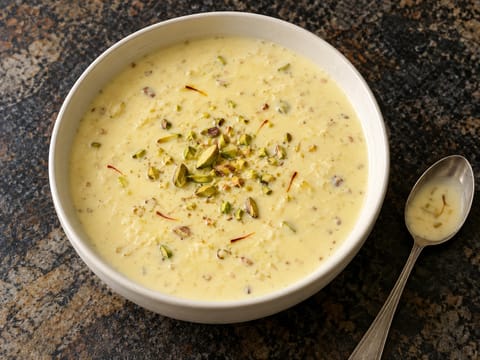
Thickened sweetened milk dessert with cardamom, saffron and pistachios
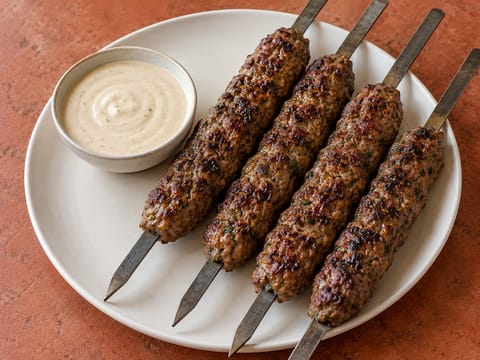
Grilled lamb kofta kebabs with tahini yoghurt sauce

Sealed-pot chicken biryani with basmati rice and whole spices
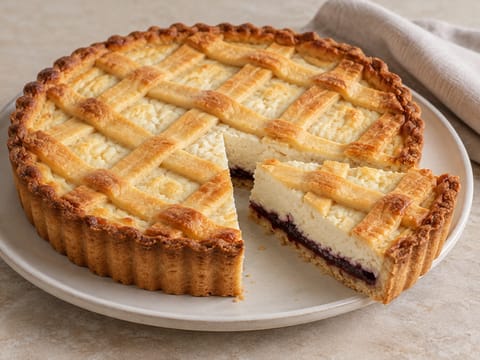
Shortcrust tart with sweet ricotta and sour cherry jam
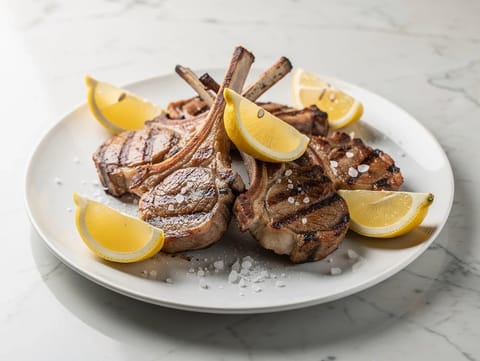
Lamb cutlets grilled over vine shoots with garlic and rosemary
They overlap. Many fine-mesh strainers can act as sieves, but a sieve is often designed for sifting dry ingredients as well as refining wet mixtures.
Use a colander when you need fast draining of larger foods, such as pasta or blanched vegetables. Fine mesh can slow draining and cause overflow with big volumes.
For draining, a colander or slotted spoon may work. For fine straining, a clean cloth or coffee filter can substitute, but it will be slower and may absorb some liquid.
The mesh is too fine for the mixture, or the mixture contains starch or pulp that blocks the holes. Work in smaller batches and stir gently to keep liquid moving through.
Only if the recipe is aiming for a particularly smooth texture or to remove solids such as herbs, spices or curdled bits. Many sauces are meant to be rustic.
You can whisk flour in a bowl to break up lumps and add air. It is not identical to sifting, but it often achieves the practical goal for everyday baking.
Think first about what you are trying to separate: big solids, small grains, or fine lumps. Once you choose the right mesh and work at a sensible pace, sieves and strainers become quiet, reliable tools for cleaner textures and clearer liquids.
