
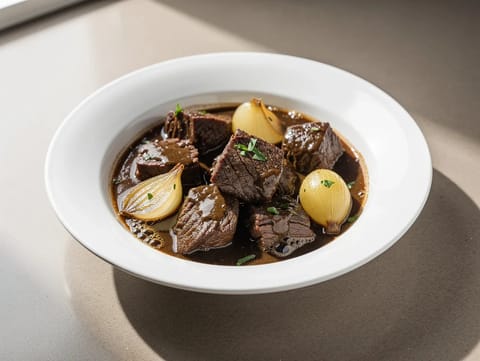
Flemish Beef Stew with Dark Beer and Mustard
Flemish beef stew braised with dark beer, onions and mustard

Stovetop recipes are those cooked primarily on the hob rather than in the oven. The advantage is control: you can raise or lower the heat instantly, move the pan, add liquid, or stop cooking the moment something is done. That makes stovetop cooking well suited to sautéing, simmering, boiling and pan-frying, but it also means you are the thermostat. Choosing a recipe in this category is often about deciding whether you want that hands-on control, or whether you would rather use an oven-based method that is more set-and-leave once it is up to temperature.
Stovetop is a broad equipment label rather than a single technique. It can include everything from boiling pasta to gently poaching fish, from reducing a sauce to shallow-frying. What these methods share is direct heat from below and the need to manage it: a pan can go from a quiet simmer to a hard boil quickly, and a hot spot can catch food if you are not stirring or adjusting. Stovetop does not automatically mean fast, and it does not exclude finishing steps elsewhere, but the main cooking happens in a pot, pan or wok on the hob.
Flemish beef stew braised with dark beer, onions and mustard
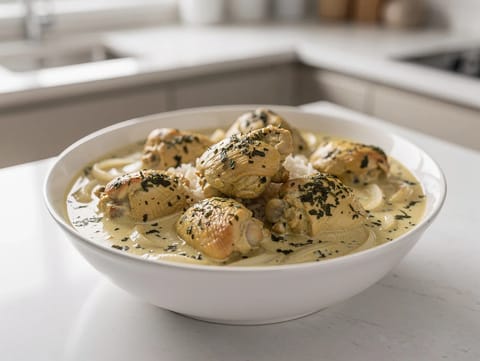
Creamy fenugreek chicken curry with warming spices
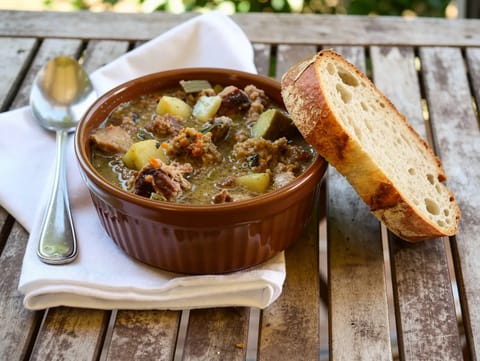
Spanish lamb stew with potatoes and red pepper
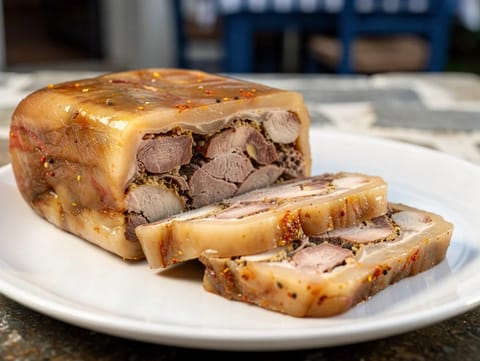
Greek cured pork set under its own fat
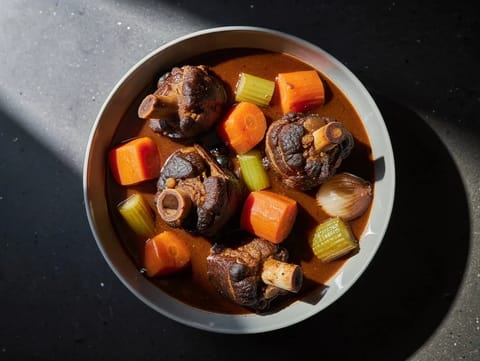
Slow-cooked oxtail stew with red wine
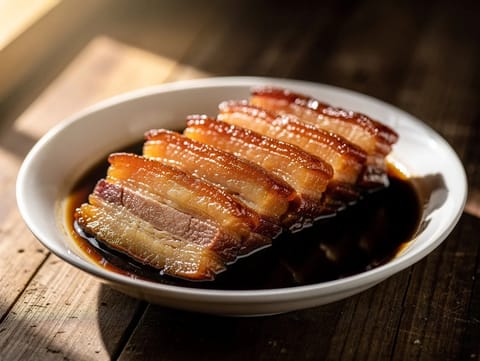
Hangzhou dongpo pork belly braised with Shaoxing wine and soy sauces
Match the pan to the job. A wide frying pan gives evaporation and space for browning; a saucepan suits controlled simmering and small-batch boiling; a heavy casserole can handle sautéing then longer, gentle cooks without scorching. Lids matter on the stovetop: on speeds up simmering and keeps moisture in; off encourages reduction and concentrates flavours. If you do not have the exact pan a recipe names, look at the method. If it needs browning, choose the widest pan you have; if it needs steady simmering, choose a pot with enough depth to prevent splashes and boil-overs.
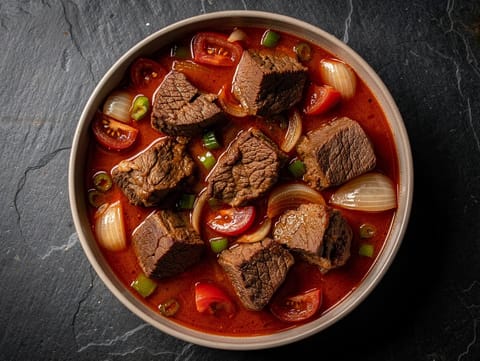
Turkish beef stew simmered with tomatoes, peppers and spices
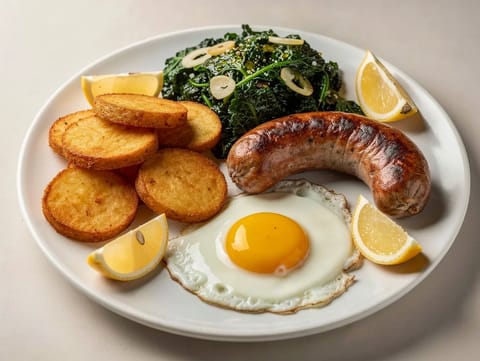
Pan-fried alheira sausage served with chips, egg and greens
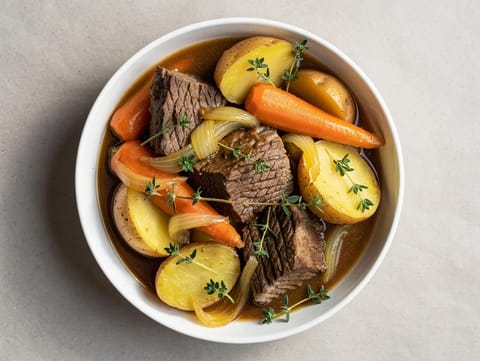
Slow-braised beef pot roast with carrots and potatoes
Spanish lamb stew with potatoes and red pepper
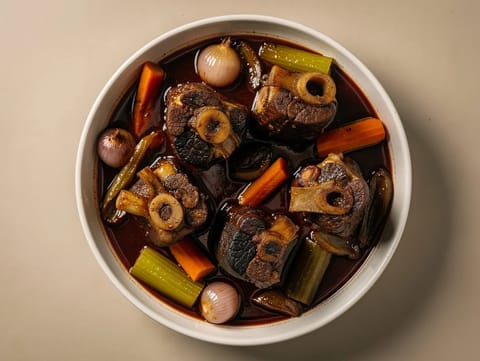
Spanish red wine braised oxtail stew
Flemish beef stew braised with dark beer, onions and mustard
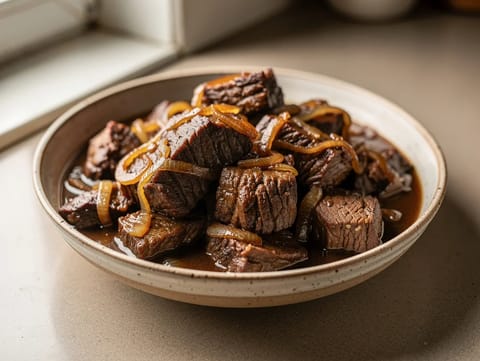
Belgian beef and onion stew braised in dark beer
Slow-cooked oxtail stew with red wine
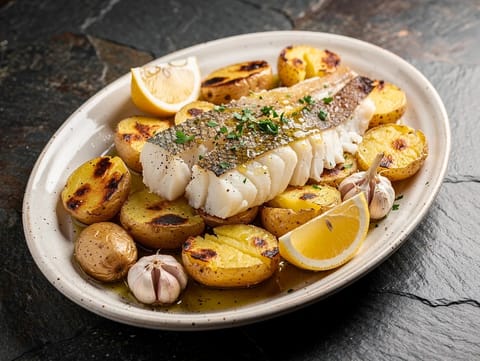
Roasted salt cod with garlic, olive oil and potatoes
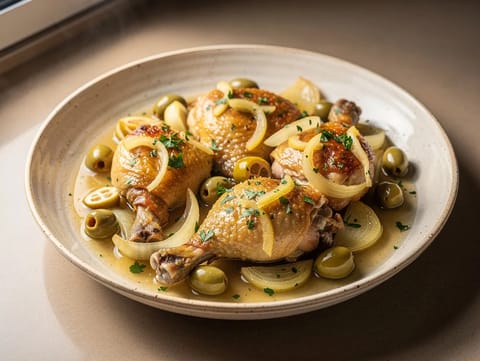
Braised chicken thighs with preserved lemon, olives and white wine
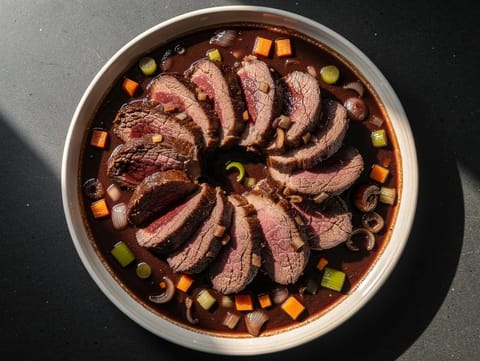
Beef braised in Barolo with vegetables and reduced wine sauce
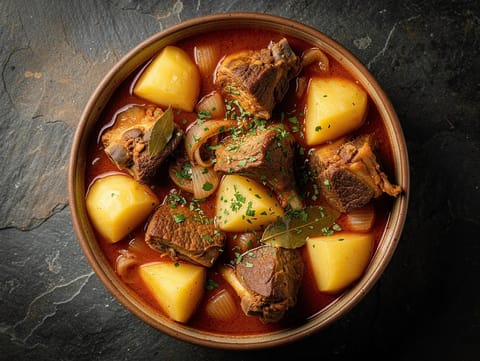
Spanish lamb stew simmered with potatoes, tomatoes and paprika
If you want crisp edges and colour, look for recipes that start with a hot pan and relatively little liquid, such as sautéed vegetables, seared meats or pan-fried patties. If you want tenderness and a cohesive sauce, choose stovetop braises and simmered dishes where the heat is kept low and steady. For soups and broths, the key choice is between a quick simmer for a light, fresh result and a longer, gentler cook for deeper extraction. For pasta and grains, decide whether the recipe expects a large pot of water or a more absorbent, risotto-style approach that needs stirring and attention.
Cooking method is the most useful next step, because ‘stovetop’ can mean sautéing, simmering, frying or poaching, each with different cues for doneness. Difficulty can also help you judge how much active attention a recipe needs, from simple boiling to multi-stage pan sauces.
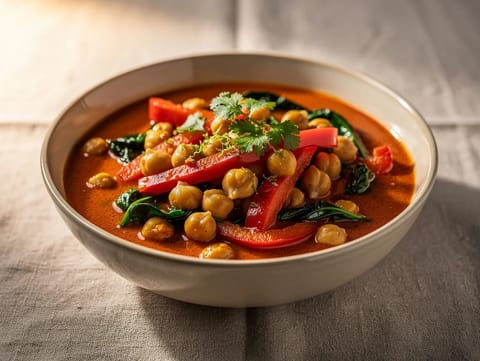
Coconut chickpea curry with spinach, lime and coriander
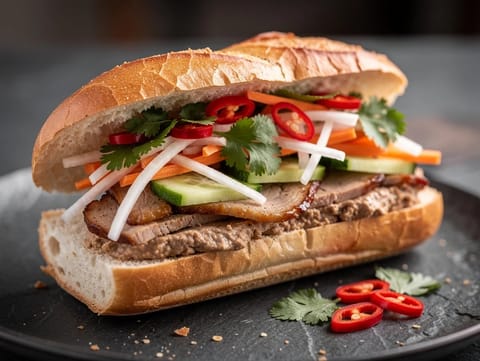
Vietnamese baguette sandwich with pork, pâté and pickled vegetables

Chilled Korean fruit punch with sparkling water and fresh fruit
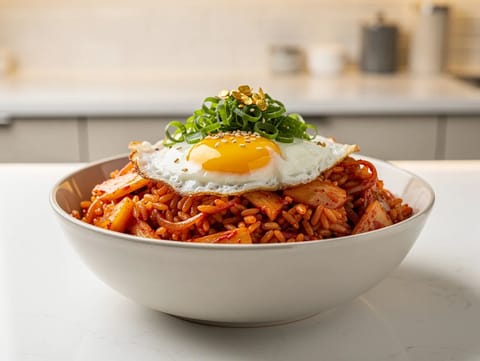
Kimchi fried rice topped with a fried egg and sesame
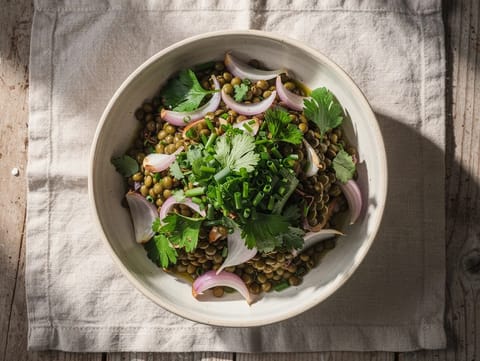
Green lentils dressed with red wine vinegar, parsley and chives
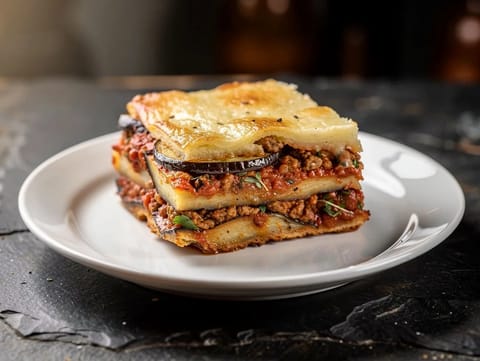
Greek casserole layered with aubergine, minced lamb and béchamel
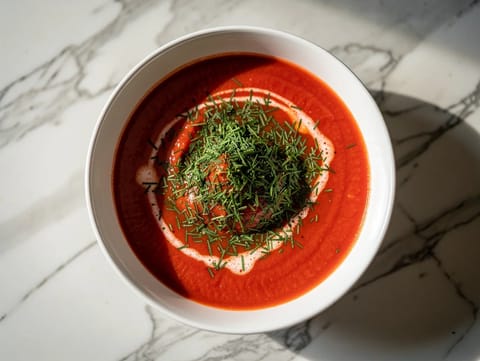
Light tomato soup with carrots, celery, cream and dill
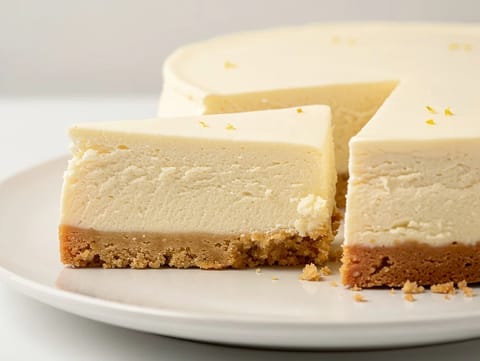
Baked Greek yoghurt cheesecake with a digestive biscuit base
Not necessarily. Some stovetop dishes are fast, but others simmer for a long time. The label mainly tells you the heat source and the kind of control you will use.
Immediate control. You can adjust heat quickly, stir, reduce, add liquid or stop cooking at the exact moment a sauce thickens or a piece of fish turns opaque.
A simmer is gentler and more stable. It helps keep sauces smooth, prevents toughening delicate proteins, and reduces the risk of boil-overs and scorching.
Sometimes, especially for covered braises and long simmers, but the timing and evaporation will change. Recipes that rely on stirring, reduction or quick heat changes are usually better kept on the hob.
Use an appropriate heat level, stir when the mixture is thick, and choose a heavier pan for long cooks. If you see browning that is not intended, lower the heat and add a splash of liquid to loosen the base.
A baking tray or foil can work as a loose cover for short periods, but expect more evaporation. For recipes that depend on trapped steam, a properly fitting lid makes results more predictable.
Focus on the heat cues: when the pan should be hot, when the pot should only just bubble, and when the lid is on or off. Once you understand whether the recipe is about browning, simmering or reduction, the exact pan name matters much less.
