
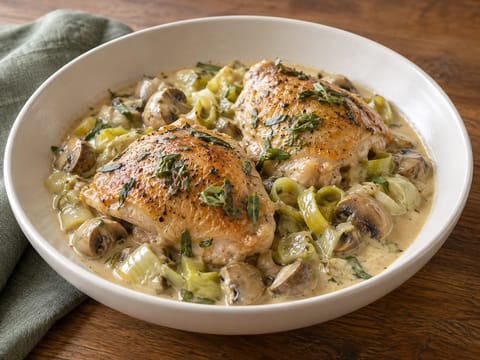
Coq au Vin Blanc (Chicken in White Wine Sauce)
Chicken braised in white wine with leeks and mushrooms

Stovetop recipes are those cooked primarily on the hob rather than in the oven. The advantage is control: you can raise or lower the heat instantly, move the pan, add liquid, or stop cooking the moment something is done. That makes stovetop cooking well suited to sautéing, simmering, boiling and pan-frying, but it also means you are the thermostat. Choosing a recipe in this category is often about deciding whether you want that hands-on control, or whether you would rather use an oven-based method that is more set-and-leave once it is up to temperature.
Stovetop is a broad equipment label rather than a single technique. It can include everything from boiling pasta to gently poaching fish, from reducing a sauce to shallow-frying. What these methods share is direct heat from below and the need to manage it: a pan can go from a quiet simmer to a hard boil quickly, and a hot spot can catch food if you are not stirring or adjusting. Stovetop does not automatically mean fast, and it does not exclude finishing steps elsewhere, but the main cooking happens in a pot, pan or wok on the hob.
Chicken braised in white wine with leeks and mushrooms
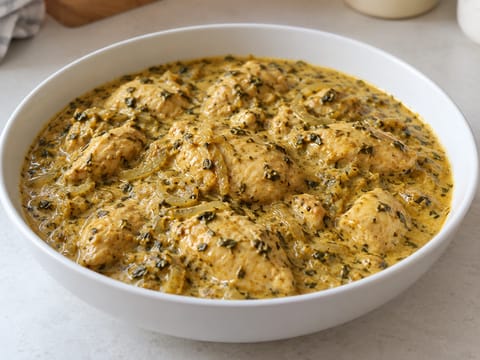
Creamy fenugreek chicken curry with warming spices
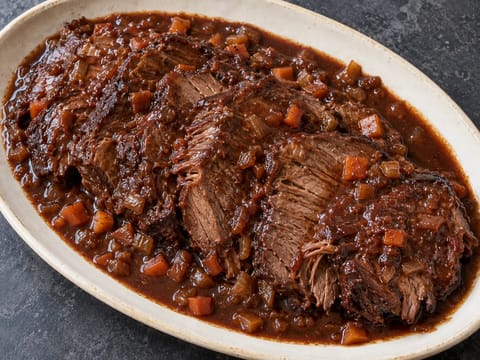
Beef braised in Barolo with vegetables and reduced wine sauce
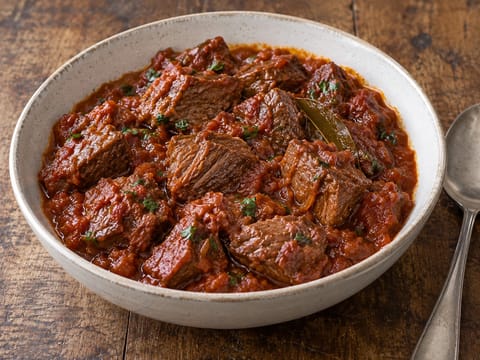
Greek beef stew braised in tomato and red wine

Venetian whipped salt cod spread with garlic and lemon
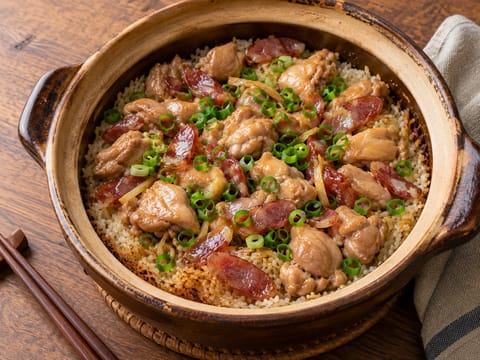
Clay pot jasmine rice with chicken, Chinese sausage and spring onion
Match the pan to the job. A wide frying pan gives evaporation and space for browning; a saucepan suits controlled simmering and small-batch boiling; a heavy casserole can handle sautéing then longer, gentle cooks without scorching. Lids matter on the stovetop: on speeds up simmering and keeps moisture in; off encourages reduction and concentrates flavours. If you do not have the exact pan a recipe names, look at the method. If it needs browning, choose the widest pan you have; if it needs steady simmering, choose a pot with enough depth to prevent splashes and boil-overs.
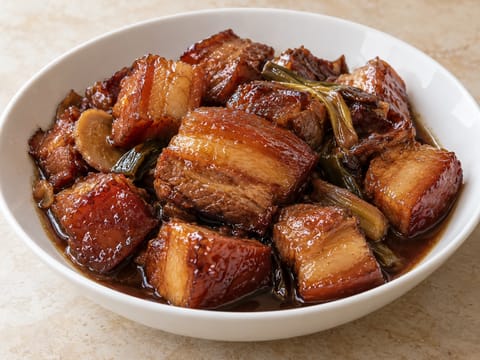
Red-braised pork belly in sweet soy glaze
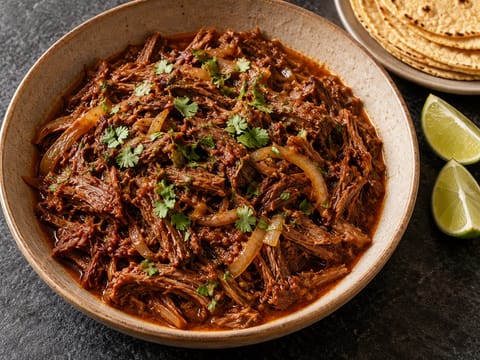
Slow-cooked beef in a chilli and lime broth
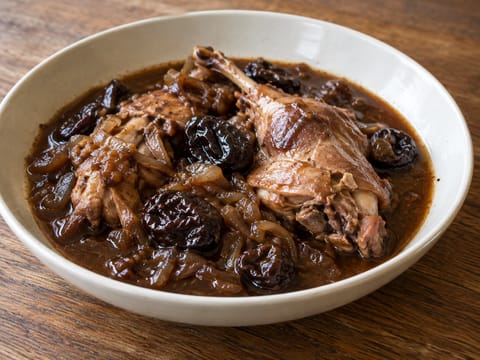
Belgian rabbit stew braised in dark beer with prunes
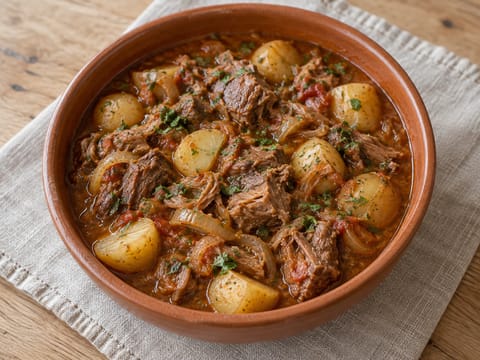
Portuguese lamb stew with potatoes, tomato and paprika
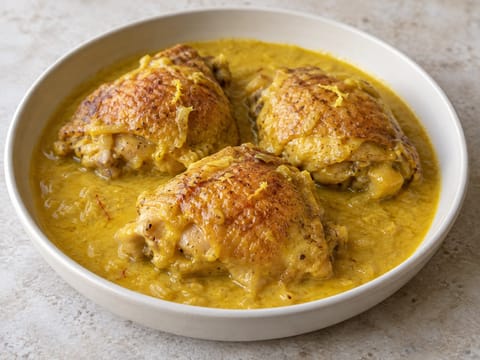
Spanish chicken braise in an almond and saffron sauce
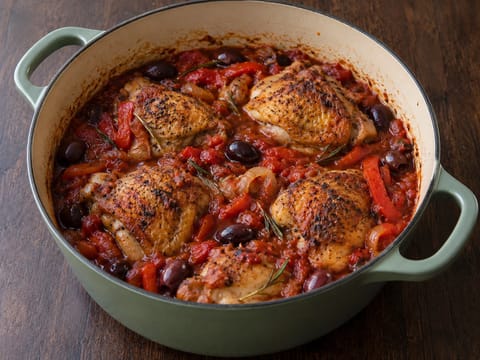
Chicken braised in tomato, red wine, peppers and olives
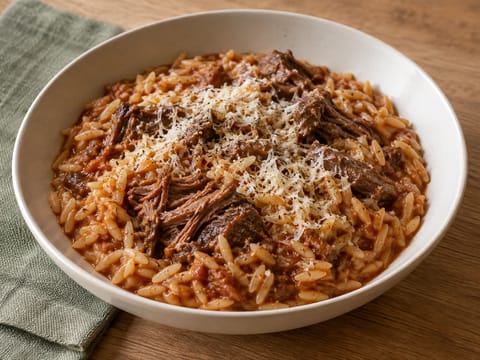
Greek baked beef stew with orzo and kefalotyri
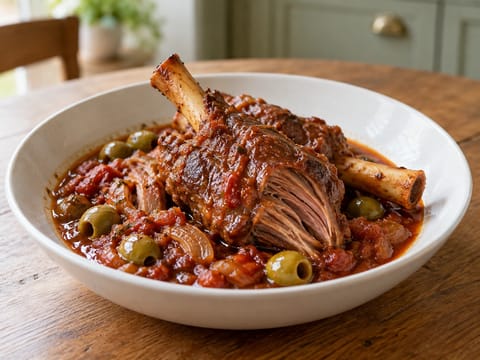
Slow-braised lamb shanks with tomatoes, rosemary and green olives
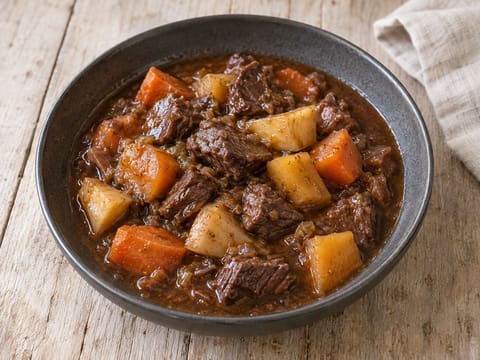
Venison casserole braised with red wine and root vegetables
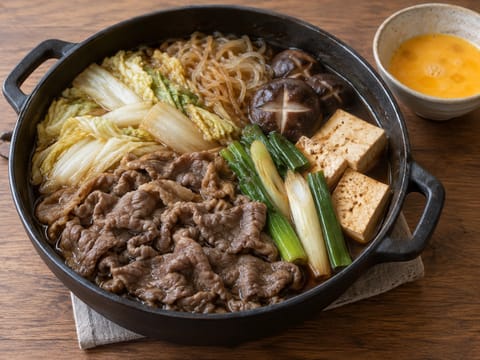
Japanese beef hot pot with tofu, cabbage and mushrooms
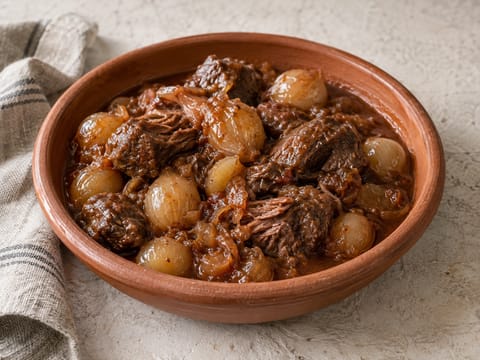
Greek beef and onion stew in tomato and red wine
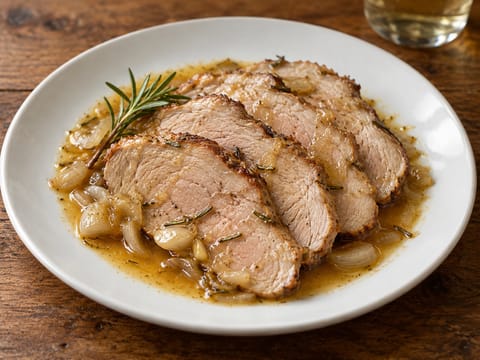
Italian roast veal with rosemary, garlic and white wine
If you want crisp edges and colour, look for recipes that start with a hot pan and relatively little liquid, such as sautéed vegetables, seared meats or pan-fried patties. If you want tenderness and a cohesive sauce, choose stovetop braises and simmered dishes where the heat is kept low and steady. For soups and broths, the key choice is between a quick simmer for a light, fresh result and a longer, gentler cook for deeper extraction. For pasta and grains, decide whether the recipe expects a large pot of water or a more absorbent, risotto-style approach that needs stirring and attention.
Cooking method is the most useful next step, because ‘stovetop’ can mean sautéing, simmering, frying or poaching, each with different cues for doneness. Difficulty can also help you judge how much active attention a recipe needs, from simple boiling to multi-stage pan sauces.
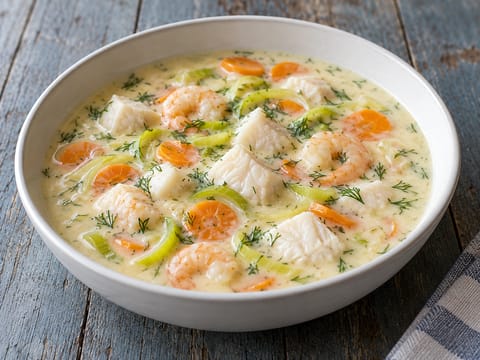
Creamy fish soup with prawns, lemon and dill
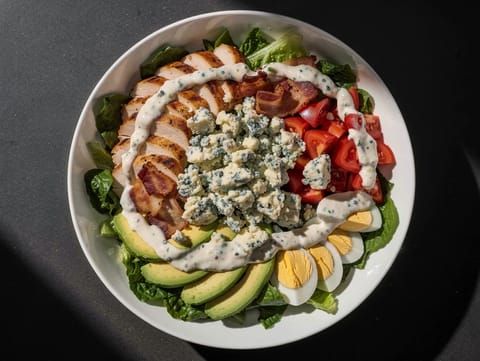
Cobb salad with chicken, bacon, avocado and blue cheese dressing
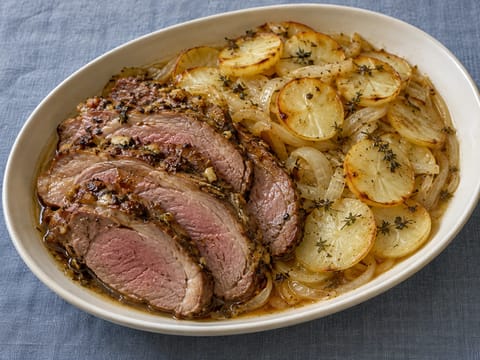
Slow-roasted leg of lamb with potatoes and onions
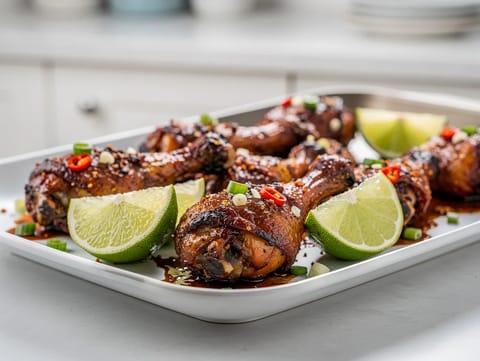
Sticky roasted jerk chicken drumsticks with five-spice and lime
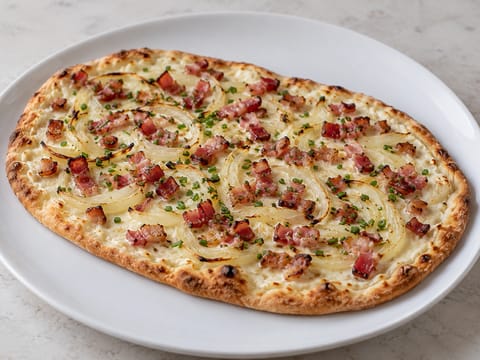
Flatbread with crème fraîche, bacon, onions and chives
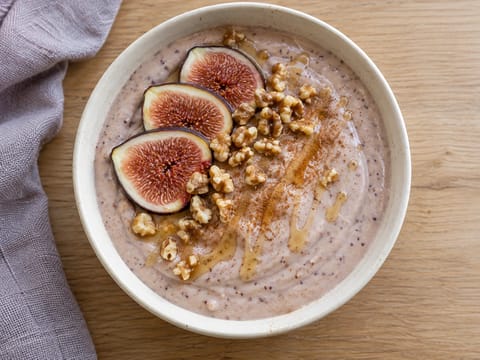
Fig smoothie bowl with Greek yoghurt and honey.
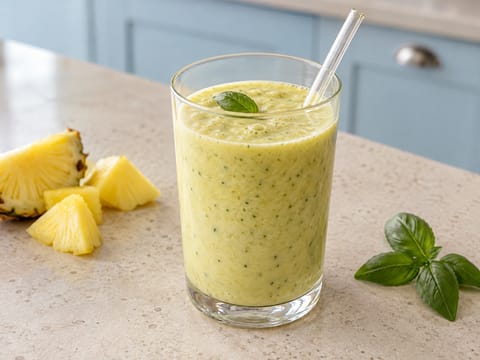
Pineapple smoothie with coconut milk, basil, and lime.
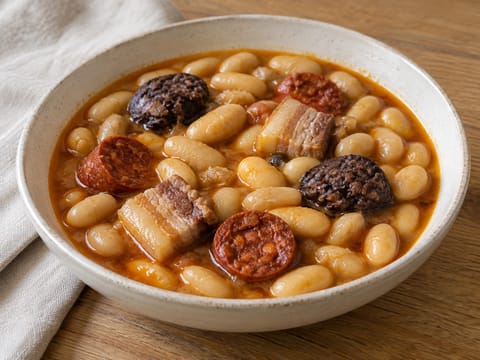
Asturian white bean stew with chorizo, morcilla and pork belly
Not necessarily. Some stovetop dishes are fast, but others simmer for a long time. The label mainly tells you the heat source and the kind of control you will use.
Immediate control. You can adjust heat quickly, stir, reduce, add liquid or stop cooking at the exact moment a sauce thickens or a piece of fish turns opaque.
A simmer is gentler and more stable. It helps keep sauces smooth, prevents toughening delicate proteins, and reduces the risk of boil-overs and scorching.
Sometimes, especially for covered braises and long simmers, but the timing and evaporation will change. Recipes that rely on stirring, reduction or quick heat changes are usually better kept on the hob.
Use an appropriate heat level, stir when the mixture is thick, and choose a heavier pan for long cooks. If you see browning that is not intended, lower the heat and add a splash of liquid to loosen the base.
A baking tray or foil can work as a loose cover for short periods, but expect more evaporation. For recipes that depend on trapped steam, a properly fitting lid makes results more predictable.
Focus on the heat cues: when the pan should be hot, when the pot should only just bubble, and when the lid is on or off. Once you understand whether the recipe is about browning, simmering or reduction, the exact pan name matters much less.
