
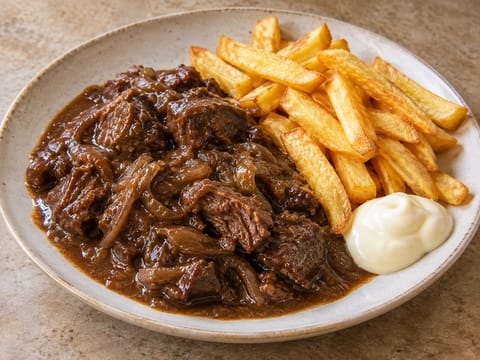
Stoofvlees met Friet (Belgian Beef Stew with Chips)
Belgian beef stew with dark beer, served with chips

Tongs are the quiet workhorse for any recipe that asks you to turn, lift, toss or serve food without piercing it. They give you reach over heat, a firm grip on slippery ingredients, and enough control to move items one by one.
When a recipe specifies tongs, it is often because the food is delicate, hot, or awkwardly shaped. The right pair makes turning meat, moving roasted vegetables, or tossing salad feel precise rather than fussy, but they are not the only way to get the job done.
Tongs shine when you need to grip rather than scoop. They are useful for turning pieces that would slide off a spatula, lifting pasta or noodles from water, or moving hot items on a tray without tearing them. They also help with quick tossing in a bowl or pan, where a spoon can mash and a fork can snag.
Different heads suit different tasks. Silicone tips are gentler on non-stick pans and softer foods; metal tips are thinner and more precise for searing and grilling. Locking tongs store neatly, but the lock should be easy to operate one-handed. If you do not have tongs, a fish slice or spatula plus a fork can replace them for turning, and a slotted spoon works well for lifting from liquid.
Belgian beef stew with dark beer, served with chips
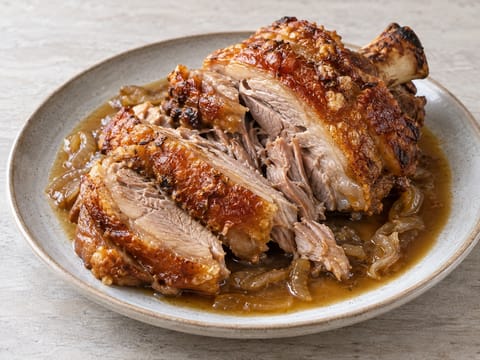
Roasted pork knuckle with garlic, caraway, crisp crackling and gravy
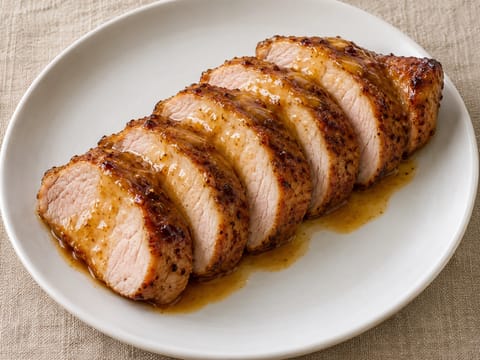
Juicy pork tenderloin with a honey mustard glaze
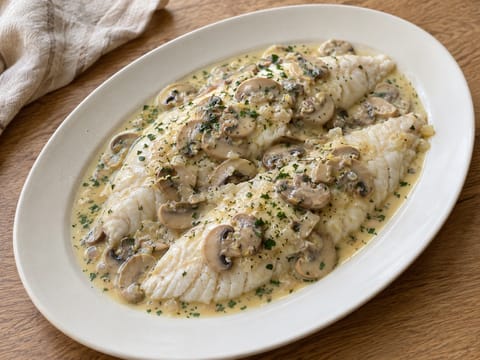
Sole fillets cooked with mushrooms, shallots and white wine
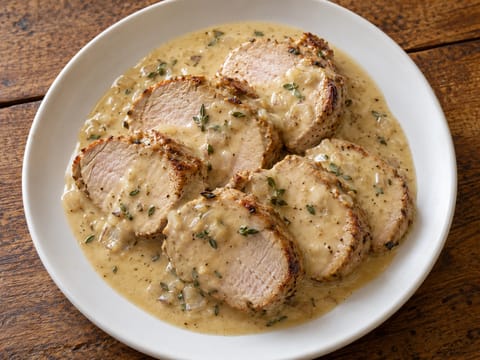
Pan-seared pork with a quick Dijon mustard sauce
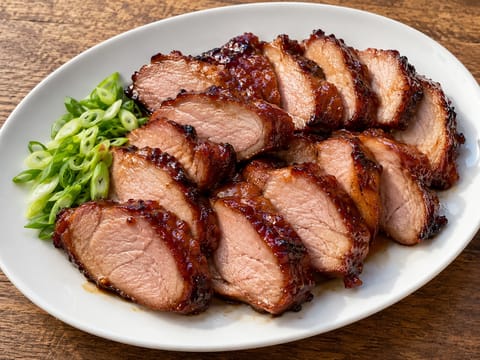
Roasted char siu pork with a glossy hoisin and honey glaze
The classic mistake is squeezing too hard. Crushing food forces out juices and can tear coatings, especially on fish, tofu or breaded items. Use the lightest grip that still feels secure, and turn only when the surface releases naturally.
Another issue is using short tongs over high heat. Steam and splatter travel upwards, so longer tongs give safer distance when frying or grilling. Finally, avoid using metal-tipped tongs on delicate non-stick surfaces, where repeated scraping can damage the coating. Silicone-tipped tongs, or a spatula, are the better match there.
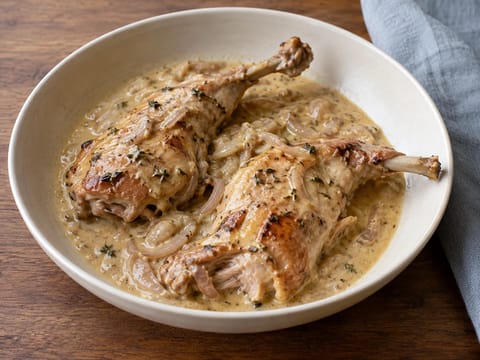
Rabbit braised in cider with Dijon mustard and crème fraîche
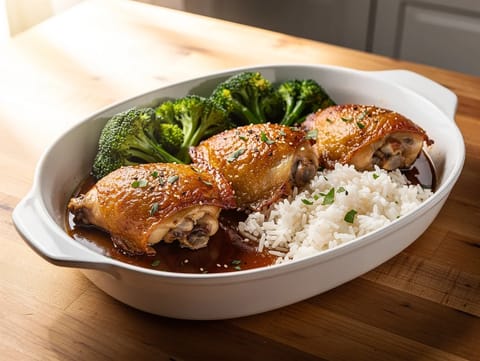
Baked chicken thighs with a sticky honey garlic soy glaze
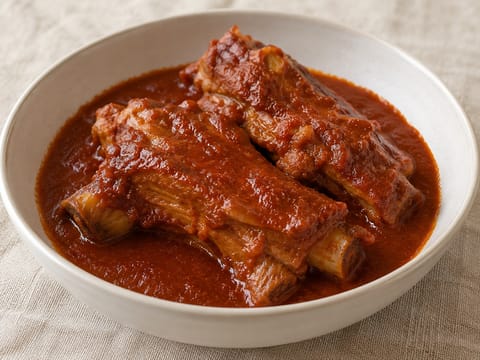
Tender pork ribs in smooth red chilli sauce
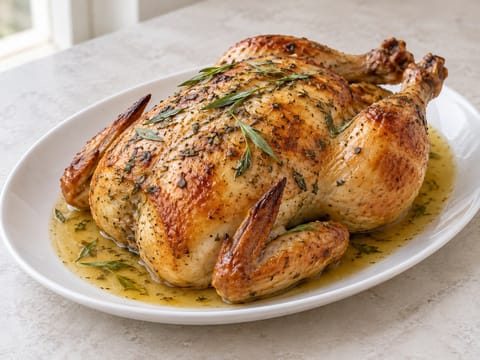
French roast chicken with tarragon, lemon and white wine juices
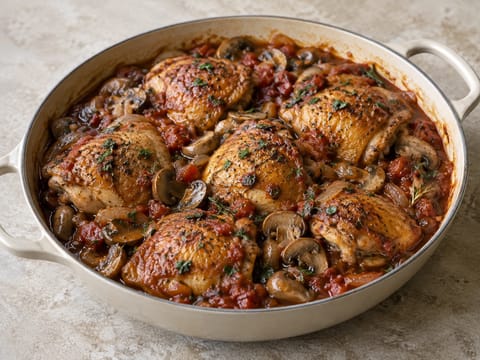
Italian braised chicken with tomatoes, red wine and mushrooms
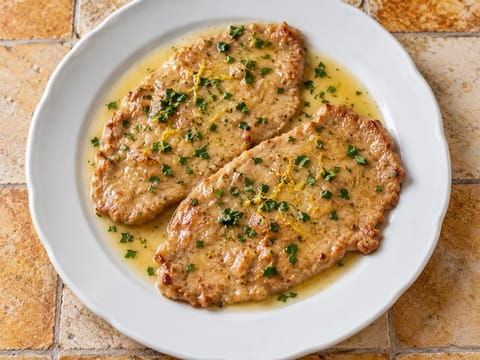
Pan-fried veal in a white wine, butter and lemon sauce
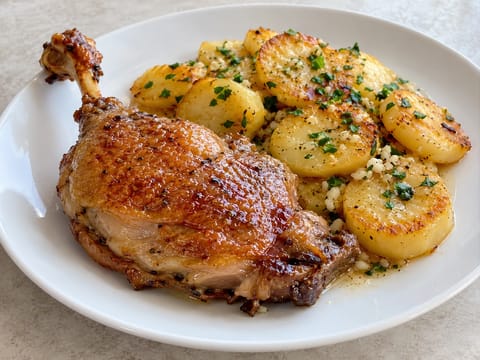
Crisp duck confit with duck fat potatoes, garlic and parsley
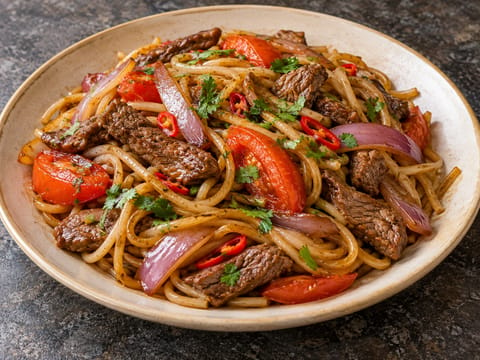
Stir-fried noodles with beef, tomato, red onion and soy
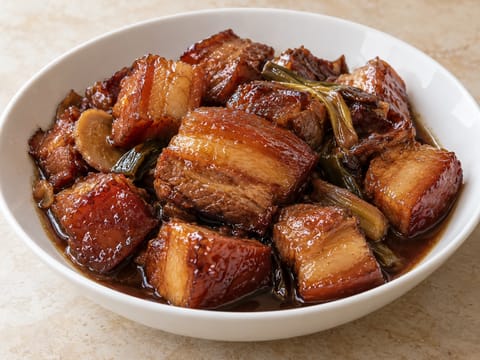
Red-braised pork belly in sweet soy glaze
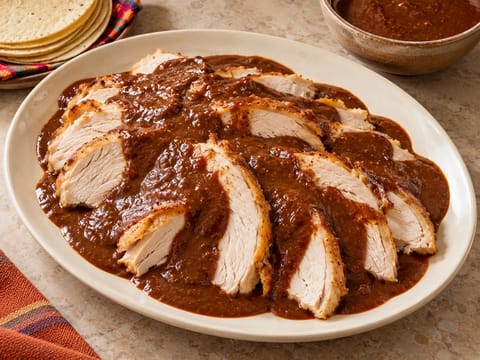
Roast turkey served with traditional mole sauce and dark chocolate
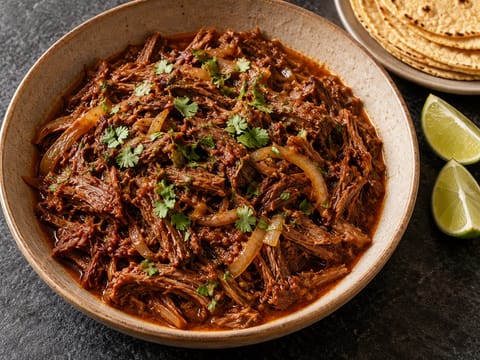
Slow-cooked beef in a chilli and lime broth
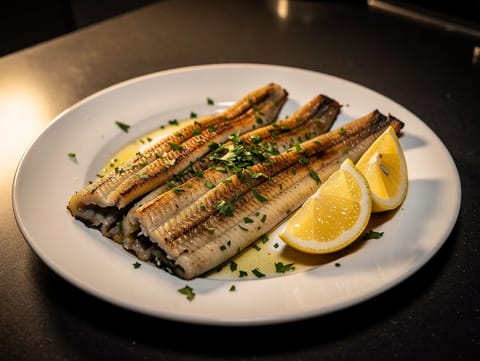
Italian grilled eel with lemon, garlic and parsley
For turning in a hot pan, look for tongs with a narrow, well-aligned tip that can slide under an edge and grip without slipping. For tossing salads or noodles, a broader head is often more comfortable and less likely to cut leaves or break strands.
For serving, consider how the food behaves: springy tongs are good for grabbing individual pieces, while scalloped edges help with slippery items like roasted peppers or boiled potatoes. If a recipe involves lifting from liquid, a slotted spoon may be cleaner and less drippy than tongs. If it involves flipping something flat, such as a fillet or pancake, a spatula can be more supportive than a pinch-grip.
Cooking method pairs naturally with tongs because the need for grip changes with the technique: frying, grilling and roasting often benefit from turning and moving food quickly. Difficulty can also help you choose: some methods demand confident handling at high heat, while others are gentle enough that a spoon or spatula works just as well.
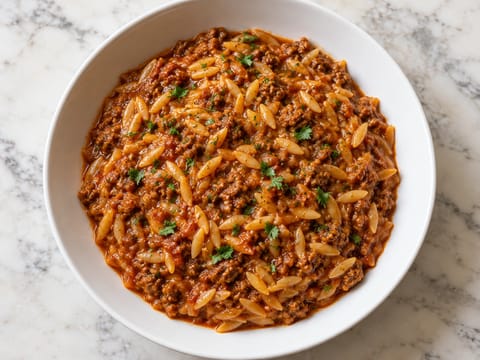
Orzo tossed with rich minced lamb ragù and warm spices
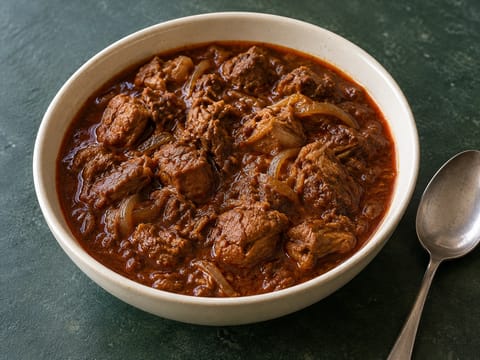
Goan pork stew simmered in a tangy vinegar masala
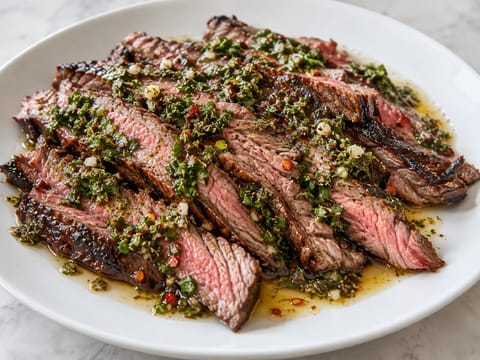
Grilled skirt steak served with parsley and garlic chimichurri
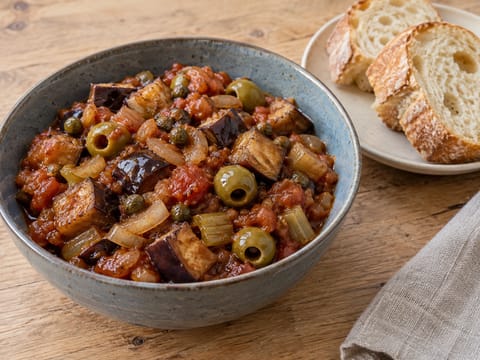
Sweet-sour aubergine caponata served with crusty bread
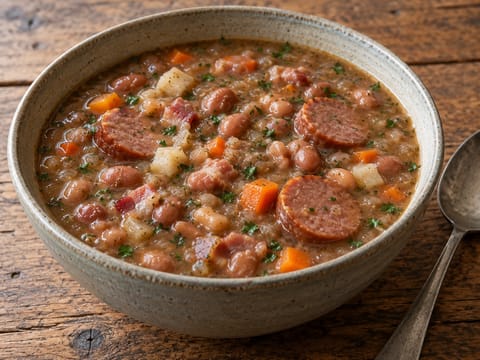
Thick brown bean soup with bacon and smoked sausage
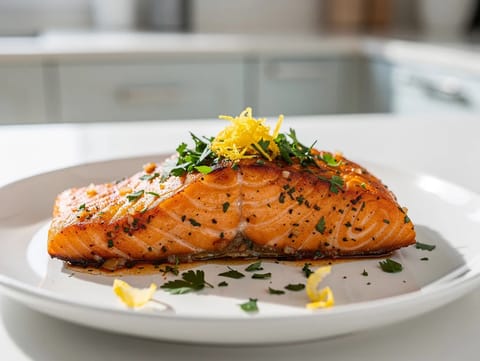
Pan-seared salmon with lemon, herbs, garlic and paprika
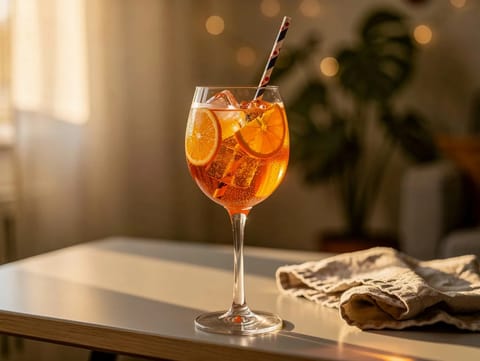
Aperol, prosecco and soda water cocktail over ice
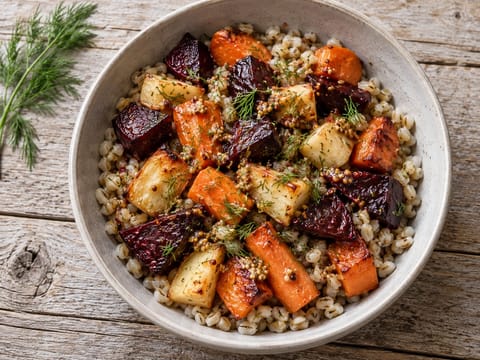
Barley bowl with roasted root vegetables and mustard dressing
They are usually safer for the coating because they do not scrape. Metal tongs can still be used carefully, but repeated contact at the same angle can mark or damage some surfaces.
Piercing can let juices escape and can tear the surface. Tongs grip from the sides, so you can turn without puncturing.
Longer tongs give more distance from heat and splatter for frying and grilling. Shorter tongs can feel more precise for serving and salad work.
Tongs are good for coating leaves and lifting from the bottom of a bowl, but they do not emulsify. If a recipe needs a smooth, combined dressing, whisk first, then toss with tongs.
For turning, use a spatula with a fork to steady. For lifting from liquid, use a slotted spoon. For serving, two spoons can work surprisingly well.
Tongs are most useful when a recipe needs you to handle hot, slippery or delicate food without tearing it. Match the tip material and length to the heat and the pan, and keep the grip light.
