
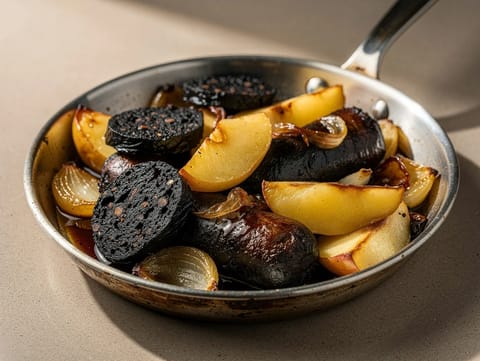
Boudin Noir aux Pommes (Blood Sausage with Apples)
Pan-fried blood sausage served with buttery sautéed apples

Tongs are the quiet workhorse for any recipe that asks you to turn, lift, toss or serve food without piercing it. They give you reach over heat, a firm grip on slippery ingredients, and enough control to move items one by one.
When a recipe specifies tongs, it is often because the food is delicate, hot, or awkwardly shaped. The right pair makes turning meat, moving roasted vegetables, or tossing salad feel precise rather than fussy, but they are not the only way to get the job done.
Tongs shine when you need to grip rather than scoop. They are useful for turning pieces that would slide off a spatula, lifting pasta or noodles from water, or moving hot items on a tray without tearing them. They also help with quick tossing in a bowl or pan, where a spoon can mash and a fork can snag.
Different heads suit different tasks. Silicone tips are gentler on non-stick pans and softer foods; metal tips are thinner and more precise for searing and grilling. Locking tongs store neatly, but the lock should be easy to operate one-handed. If you do not have tongs, a fish slice or spatula plus a fork can replace them for turning, and a slotted spoon works well for lifting from liquid.
Pan-fried blood sausage served with buttery sautéed apples
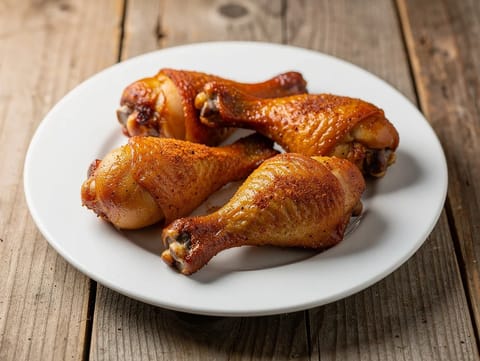
Chicken drumsticks air-fried with garlic and paprika until juicy.
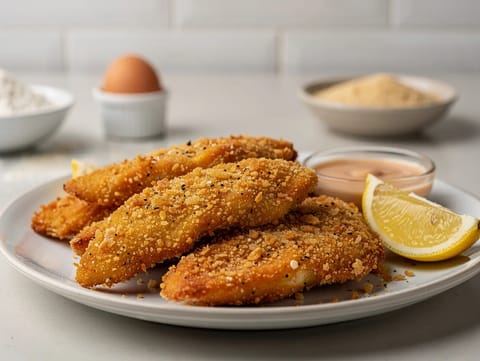
Crispy panko chicken tenders cooked quickly in the air fryer.
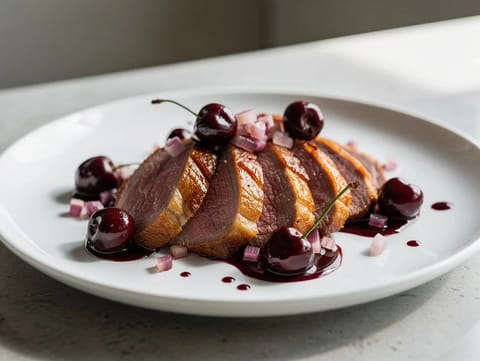
Pan-seared duck breast served with cherry and red wine sauce
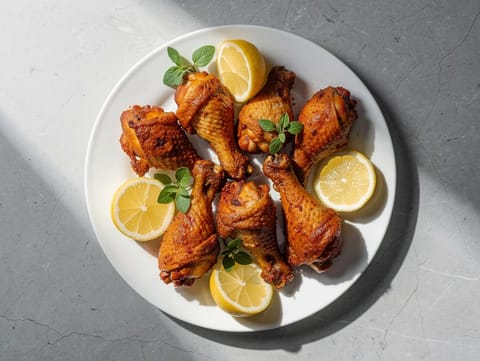
Spiced chicken drumsticks air-fried until crisp and juicy.
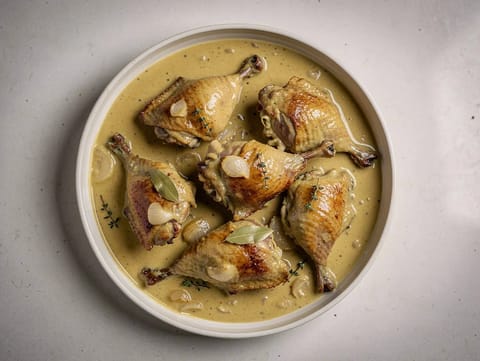
French rabbit stew with Dijon mustard and double cream
The classic mistake is squeezing too hard. Crushing food forces out juices and can tear coatings, especially on fish, tofu or breaded items. Use the lightest grip that still feels secure, and turn only when the surface releases naturally.
Another issue is using short tongs over high heat. Steam and splatter travel upwards, so longer tongs give safer distance when frying or grilling. Finally, avoid using metal-tipped tongs on delicate non-stick surfaces, where repeated scraping can damage the coating. Silicone-tipped tongs, or a spatula, are the better match there.
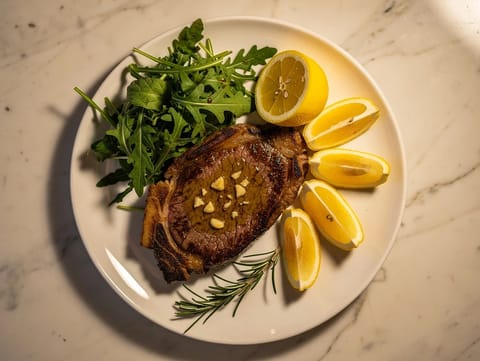
Pan-seared ribeye with garlic butter and rocket salad
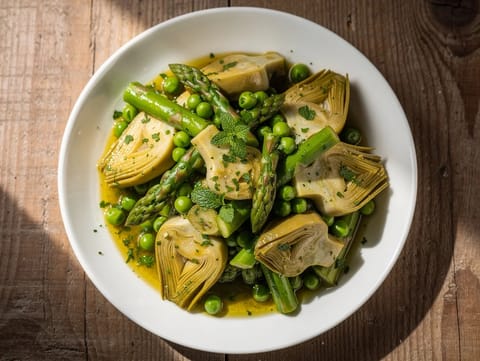
Spanish braised spring vegetables with mint and lemon
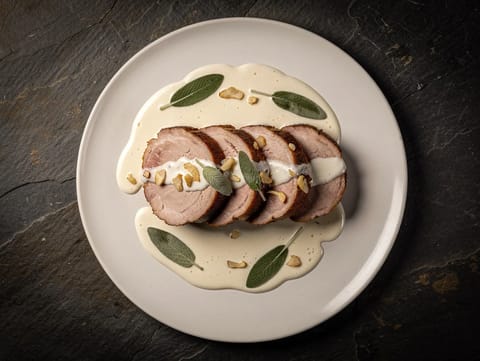
Pork loin simmered in milk with garlic and sage
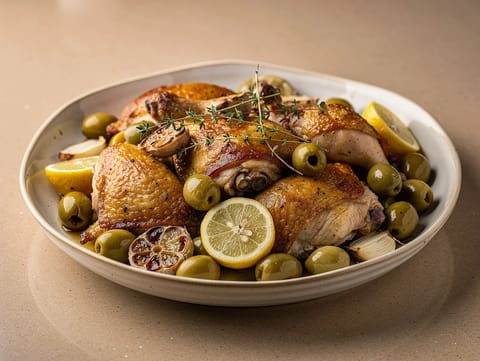
Chicken braised with lemon, green olives and thyme
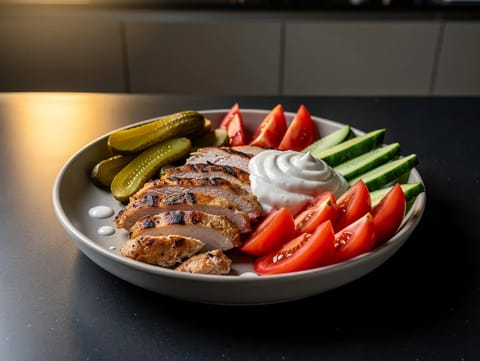
Roasted chicken shawarma with garlic sauce, pickles and salad
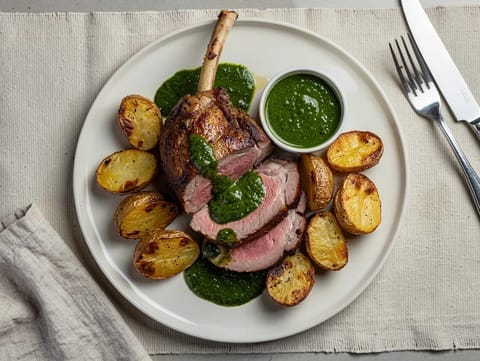
Roast leg of lamb with mint sauce and roasted potatoes
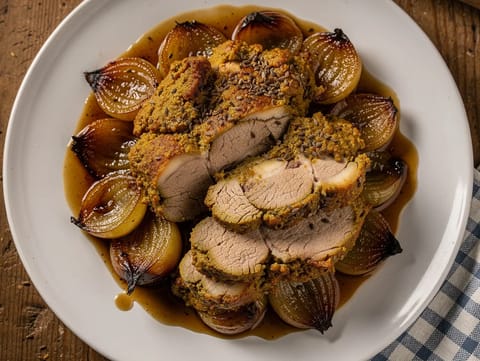
Mustard-crusted pork roast with pan gravy
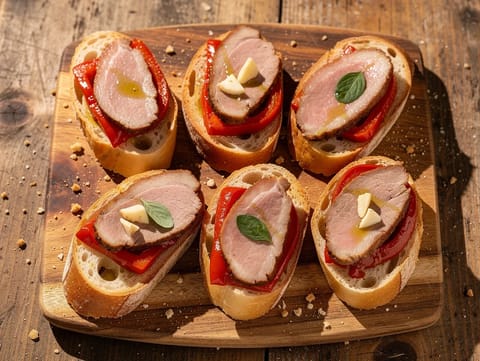
Warm mini sandwiches with seared pork loin and sautéed peppers
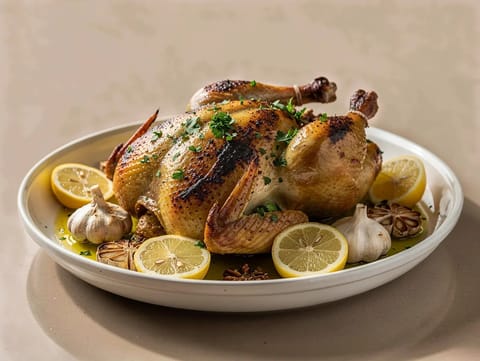
Roast chicken marinated with lemon, garlic and olive oil
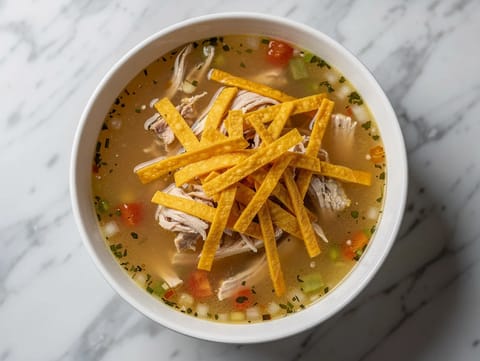
Yucatecan chicken and lime soup finished with tortilla strips
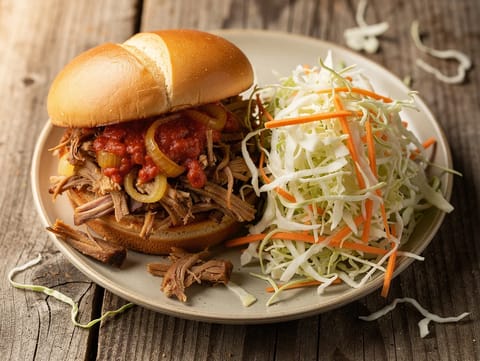
Pulled pork rolls topped with crunchy cabbage and carrot coleslaw
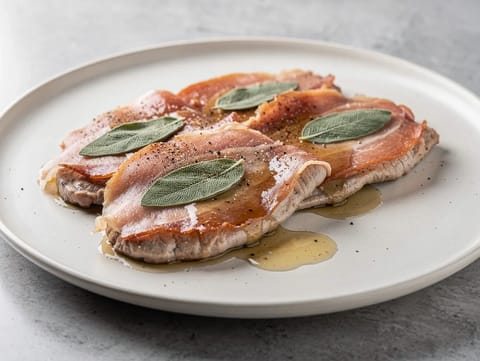
Pan-fried veal with prosciutto, sage and white wine sauce
For turning in a hot pan, look for tongs with a narrow, well-aligned tip that can slide under an edge and grip without slipping. For tossing salads or noodles, a broader head is often more comfortable and less likely to cut leaves or break strands.
For serving, consider how the food behaves: springy tongs are good for grabbing individual pieces, while scalloped edges help with slippery items like roasted peppers or boiled potatoes. If a recipe involves lifting from liquid, a slotted spoon may be cleaner and less drippy than tongs. If it involves flipping something flat, such as a fillet or pancake, a spatula can be more supportive than a pinch-grip.
Cooking method pairs naturally with tongs because the need for grip changes with the technique: frying, grilling and roasting often benefit from turning and moving food quickly. Difficulty can also help you choose: some methods demand confident handling at high heat, while others are gentle enough that a spoon or spatula works just as well.
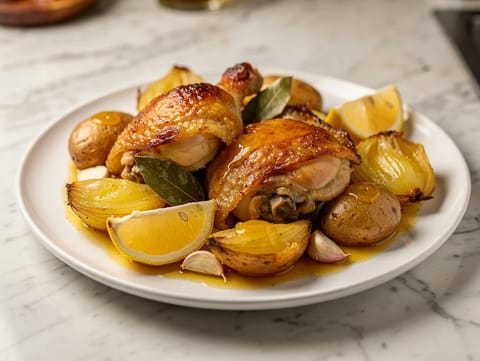
Roast chicken traybake with lemon, garlic, potatoes and onion
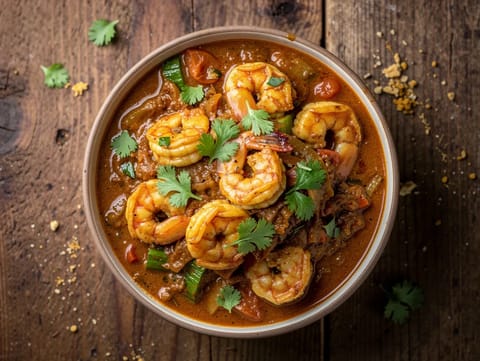
Spiced prawn curry in a thick onion and tomato gravy

Pan-seared cod with romesco sauce
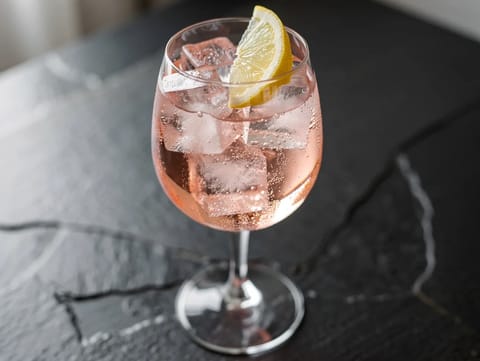
Rosé wine spritzer with sparkling water, ice and lemon
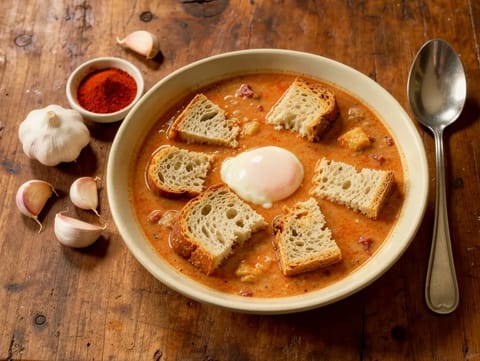
Garlic and bread soup with paprika and poached eggs
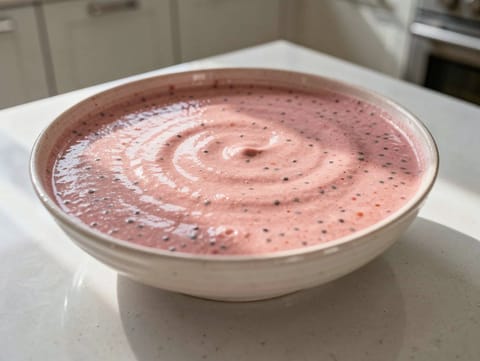
A thick strawberry smoothie bowl with yoghurt and chia seeds.
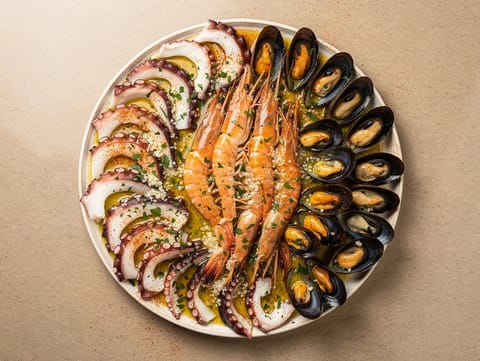
Chilled seafood platter with lemon, olive oil, parsley and paprika
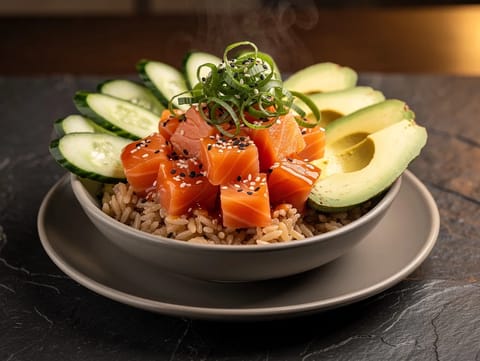
Spicy salmon poke over sushi rice with avocado and cucumber.
They are usually safer for the coating because they do not scrape. Metal tongs can still be used carefully, but repeated contact at the same angle can mark or damage some surfaces.
Piercing can let juices escape and can tear the surface. Tongs grip from the sides, so you can turn without puncturing.
Longer tongs give more distance from heat and splatter for frying and grilling. Shorter tongs can feel more precise for serving and salad work.
Tongs are good for coating leaves and lifting from the bottom of a bowl, but they do not emulsify. If a recipe needs a smooth, combined dressing, whisk first, then toss with tongs.
For turning, use a spatula with a fork to steady. For lifting from liquid, use a slotted spoon. For serving, two spoons can work surprisingly well.
Tongs are most useful when a recipe needs you to handle hot, slippery or delicate food without tearing it. Match the tip material and length to the heat and the pan, and keep the grip light.
