
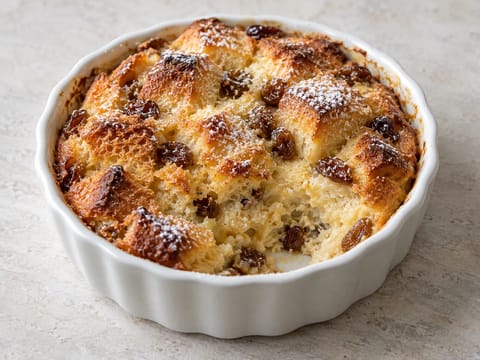
Air Fryer Bread Pudding
Brioche bread pudding baked in vanilla egg custard.

Buttery recipes are about more than butter as an ingredient. The flavour profile points to a particular kind of richness: mellow, rounded and often slightly sweet, with a soft finish that makes food taste cohesive. It also signals texture, from flaky pastry to silky sauces, where fat smooths sharp edges and carries aroma. If you are cooking for comfort, “buttery” is a useful shorthand for dishes that feel plush rather than punchy.
A buttery taste can come directly from butter, but also from other sources of milk fat and from techniques that mimic butter’s effect. Ghee and browned butter bring a deeper, nutty direction; cream and crème fraîche lean more lactic; egg yolks can give a similar richness in custards and emulsified sauces. In baking, butter contributes both flavour and structure: it can make pastry tender and flaky, and cakes fine-crumbed, depending on how it is mixed. In savoury cooking, butter often acts as a finishing fat, rounding out sauces and vegetables and giving a glossy, cohesive mouthfeel.
Brioche bread pudding baked in vanilla egg custard.
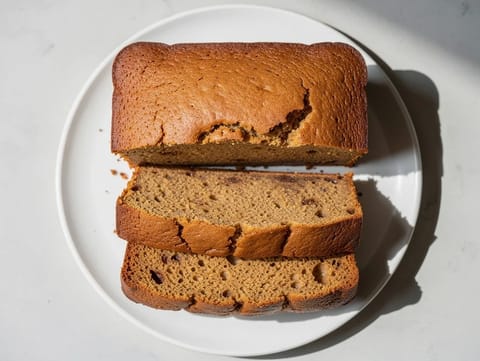
Moist air-fried banana bread with butter and cinnamon.
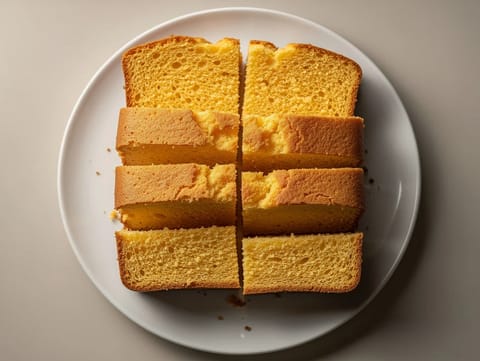
Polish sponge cake with a fine, tender crumb
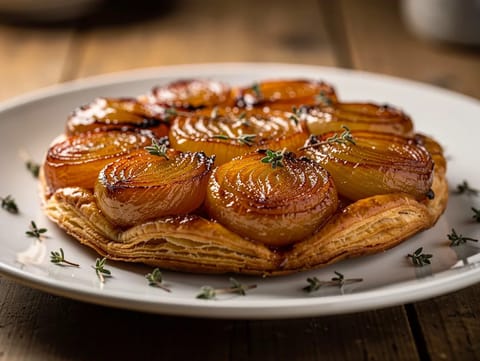
Upside-down puff pastry tart topped with caramelised onions
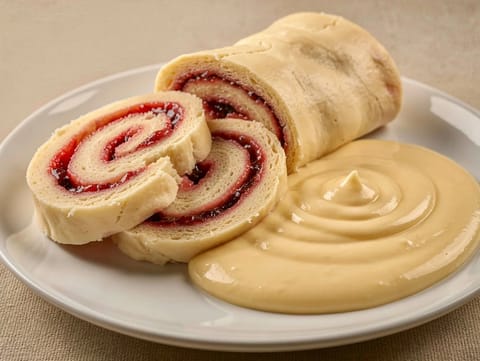
Steamed suet pudding rolled with strawberry jam
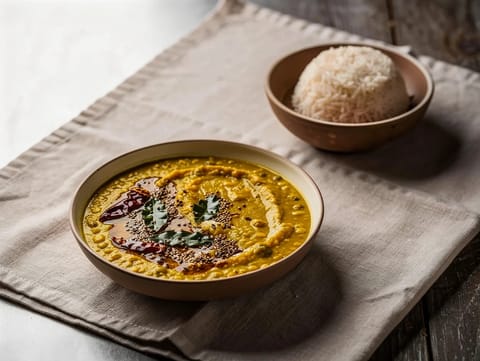
Yellow lentil dal topped with hot tempered spices
Because buttery flavours are gentle, they can be overwhelmed by very aggressive heat or bitterness, but they pair well with ingredients that add lift. Acidity is the classic counterpoint: a squeeze of lemon, a spoon of yoghurt, or a sharp pickle on the side can stop richness from feeling heavy. Fresh herbs and alliums bring fragrance without fighting the base. Salt is crucial, not just for seasoning but for definition, especially in mashed or puréed textures. For a warmer profile, nutmeg, white pepper and mild spices sit comfortably alongside dairy richness, while toasted nuts echo browned-butter notes.
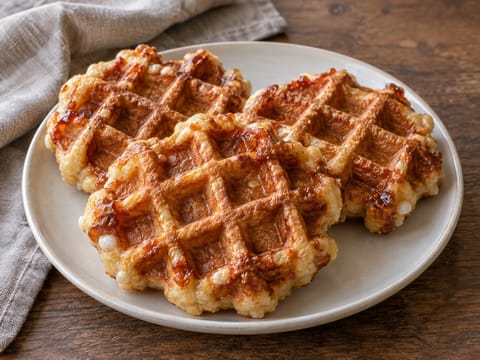
Liège waffles with caramelised pearl sugar
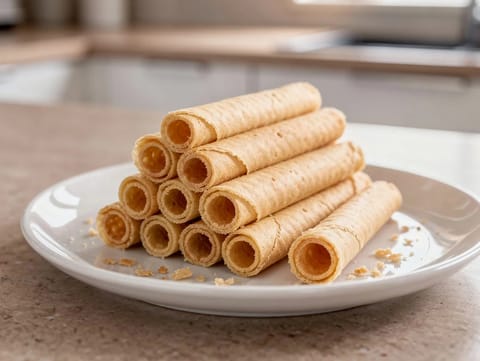
Crisp Dutch wafer rolls flavoured with butter and vanilla
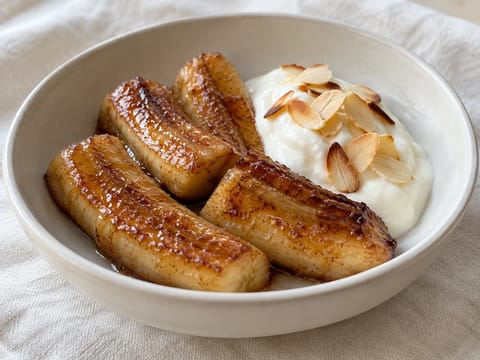
Caramelised bananas with cinnamon, yoghurt and toasted almonds.
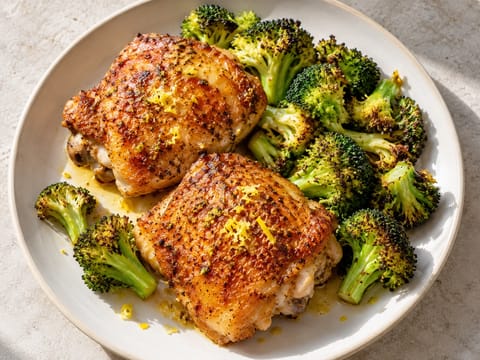
Keto air-fried chicken thighs with lemon butter and broccoli.
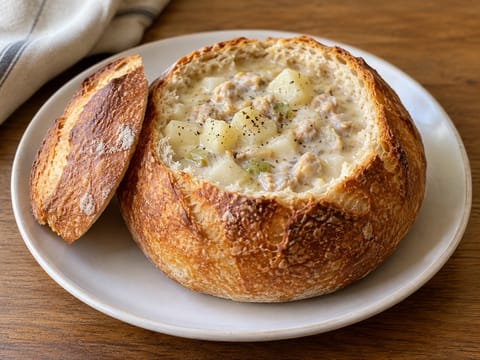
Creamy clam chowder served in a sourdough bread bowl
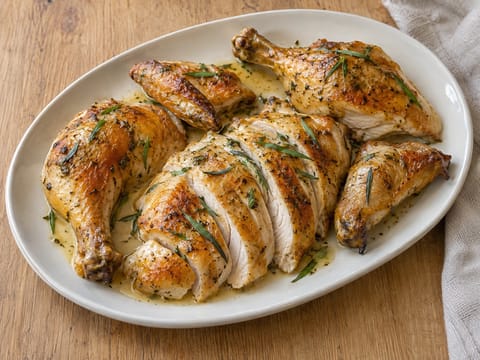
Roast chicken with tarragon butter and spooned-over pan juices
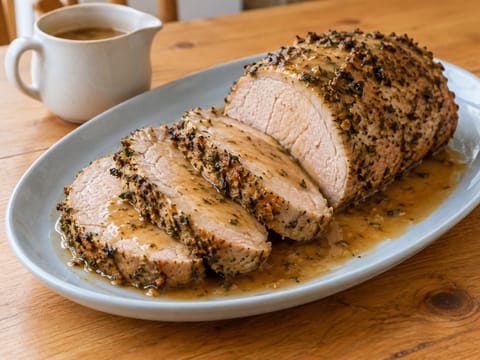
Roast pork rollade with mustard, herbs and pan gravy
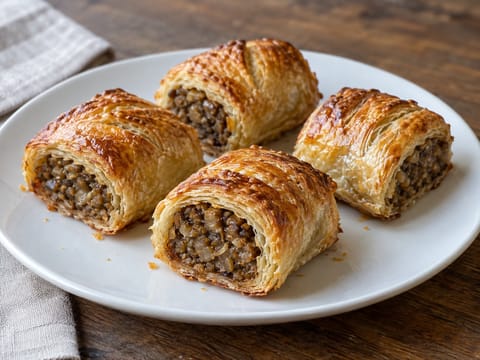
Vegetarian sausage roll with caramelised onion in puff pastry
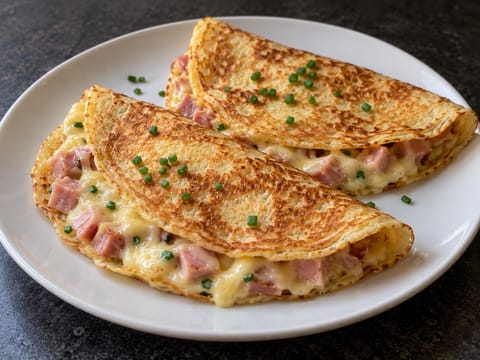
Golden savoury pancakes with ham and melted Emmental
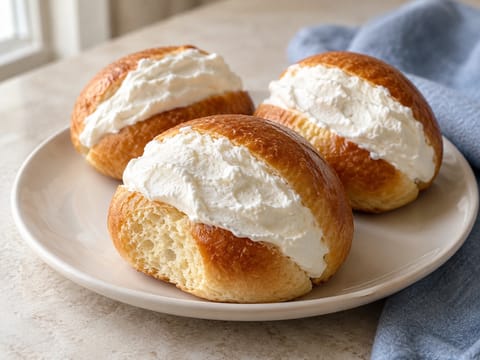
Soft Roman buns split and filled with whipped cream
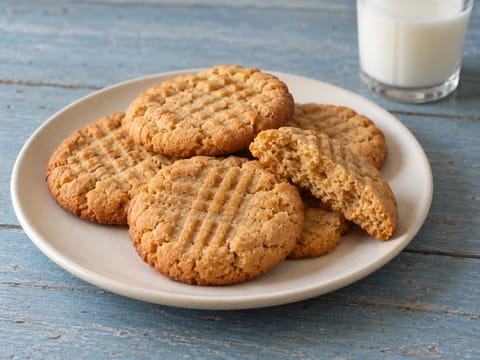
Soft-centred peanut butter cookies with crisp edges and fork-pressed tops
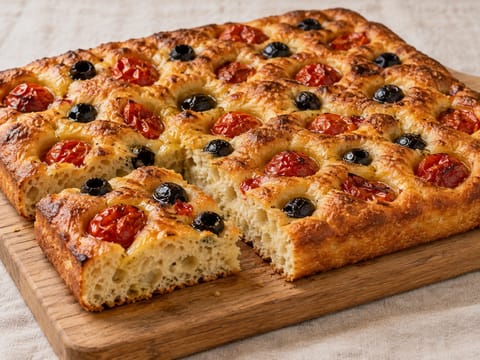
Soft potato focaccia topped with cherry tomatoes and black olives
For a clean, classic buttery profile, look for recipes that keep the butter pale and use it to soften and gloss, such as simple sauces, vegetables or mashed preparations. If you want deeper flavour, choose recipes that brown the butter or rely on baking and roasting, where butter’s milk solids toast and turn more aromatic. For a lighter feel, buttery dishes that include acidity or herbs tend to finish fresher, even when the texture stays rich. And if texture is the main draw, decide whether you want crisp and flaky (pastry, crumb toppings) or smooth and spoonable (custards, creamy sauces), as the technique changes the result as much as the ingredient list.
If you want to understand where the buttery character is coming from, browsing by Ingredient helps, especially when recipes use butter, cream, ghee or eggs in different ways. Dish type is equally helpful because “buttery” can mean flaky bakes, silky sauces or rich desserts, and the format tells you what kind of texture to expect.
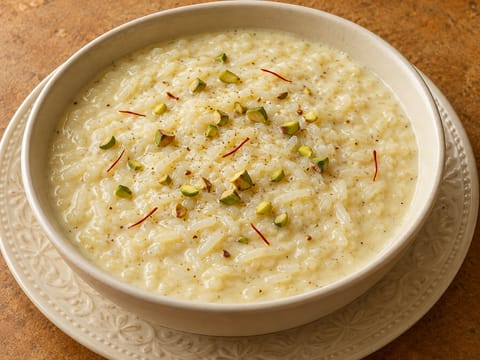
Creamy kheer made with basmati rice, milk, cardamom and saffron
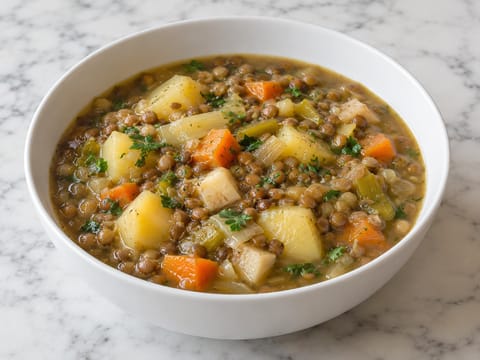
German-style lentil and potato stew with carrots, leeks and herbs
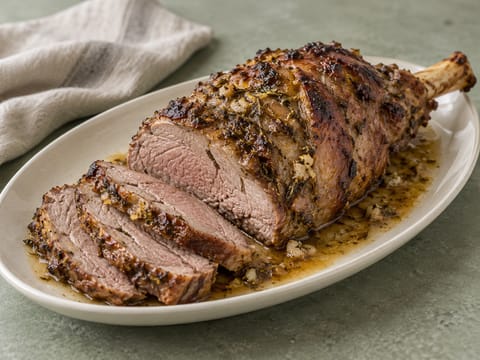
Roast leg of lamb studded with garlic and anchovy
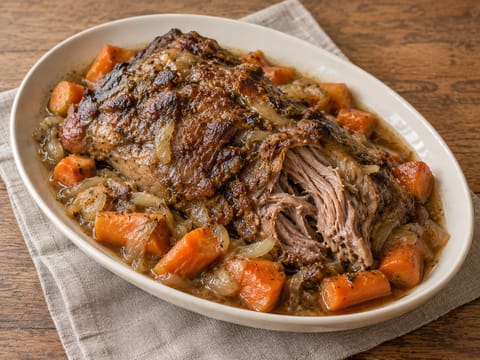
Slow-braised lamb shoulder with carrots, thyme and rich juices
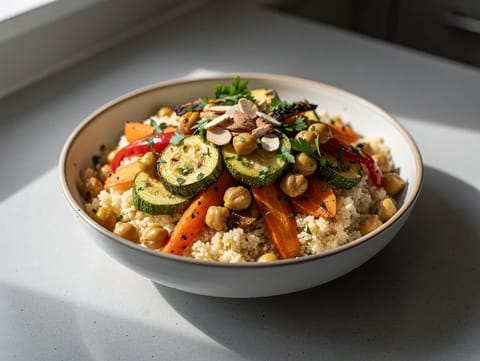
Couscous bowl with roasted vegetables, chickpeas and lemon tahini dressing
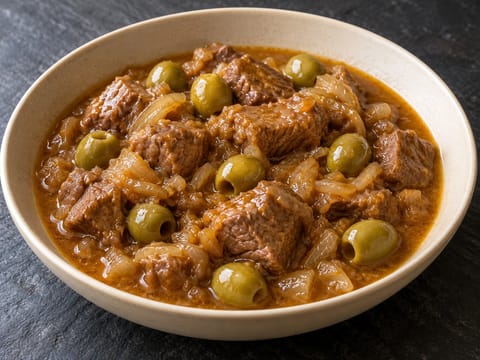
Spanish-style veal stew with olives, sherry and sweet paprika
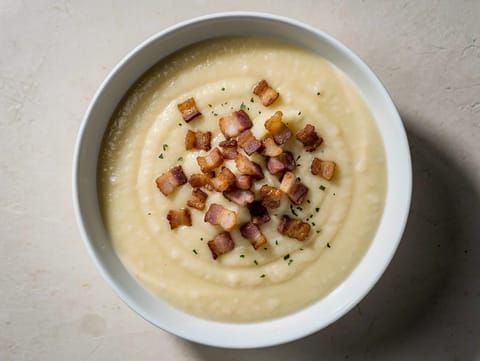
Creamy German potato soup topped with crispy bacon
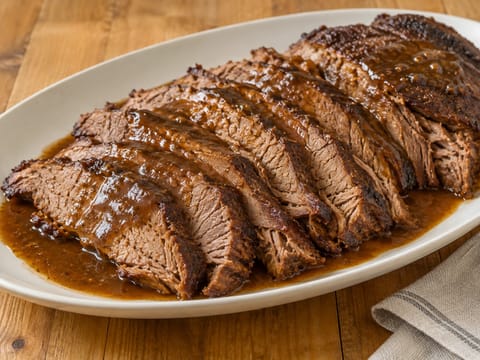
Slow-cooked beef brisket with smoky rub and gravy
Not necessarily. The term describes the overall flavour and mouthfeel. Some recipes get a buttery effect from cream, egg yolks, or other fats and emulsions that taste similarly rich and smooth.
Buttery tends to taste more rounded and fatty, sometimes with a faint sweetness, while creamy often suggests a lactic tang and a softer, milk-forward aroma. Many dishes are both, but the emphasis differs.
When butter is heated, the water cooks off and the milk solids toast. That browning creates nutty, caramel-like aromas, which makes the flavour feel deeper than plain melted butter.
They usually need enough salt and a little lift, often from acidity or herbs. Without that contrast, rich flavours can blur together and the finish can feel dull.
Yes, but it depends on the style of heat. Butter can soften chilli burn and carry spice aromas, but very sharp, high-heat profiles may need extra acidity or freshness to keep the dish defined.
When you choose buttery recipes, you are choosing softness and cohesion. Keep an eye out for the balancing elements, usually salt and a touch of acidity, and the richness will read as deliberate rather than heavy.
