
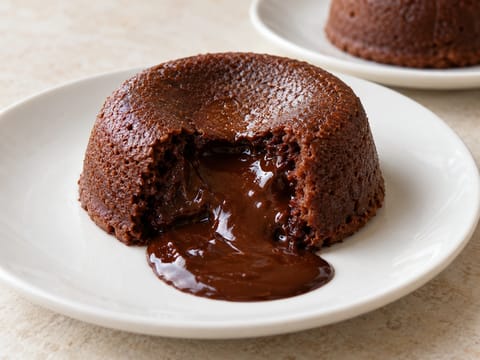
Fondant au Chocolat (Warm Chocolate Lava Cake)
Warm chocolate cakes with a molten centre

Chocolatey recipes sit on a spectrum: some taste dark and cocoa-forward with a faint bitterness, others are softer, milkier and more dessert-like. The mood is usually warm and rounded, but the finish can be either clean or lingering depending on the cocoa and the fat. This page helps you choose the kind of chocolatey you mean, and spot the ingredients that push it towards deep, grown-up intensity or towards gentle sweetness.
Chocolate flavour is a mix of cocoa solids (which bring bitterness and aroma) and cocoa butter or other fats (which bring smoothness and a slow melt). Dark chocolate and cocoa powder tend to read more intense and less sweet; milk chocolate brings more sugar and dairy notes; white chocolate is mostly cocoa butter and sweetness, with no cocoa solids, so it tastes creamy rather than cocoa-like. In baking, chocolatey can describe both flavour and colour, but the two do not always match: some recipes look dark without tasting strongly of chocolate, while others taste deeply chocolatey with a lighter crumb. Texture is part of the signal too, from fudgy centres to crisp edges and airy sponges.
Warm chocolate cakes with a molten centre
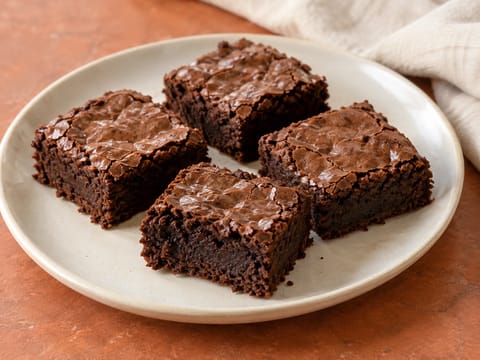
Dense air fryer fudge brownies made with dark chocolate and cocoa.
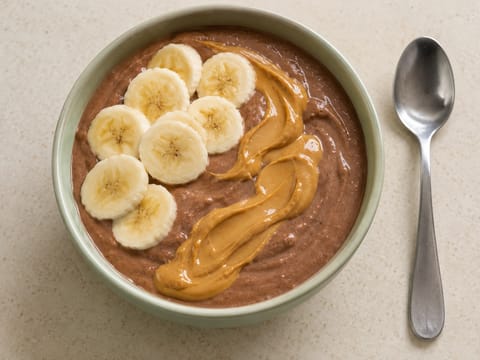
Chocolate banana smoothie bowl topped with peanut butter.
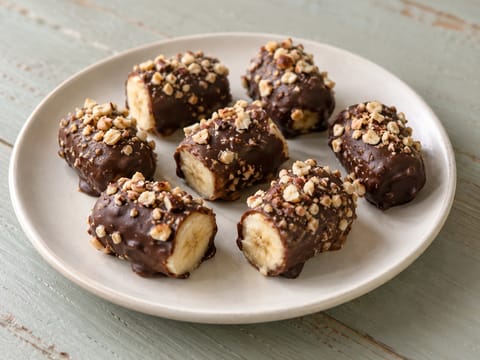
Warm air fried bananas dipped in dark chocolate and hazelnuts.
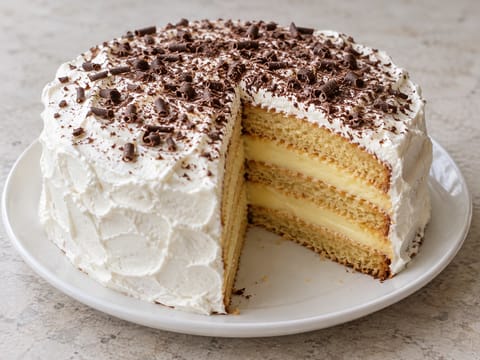
Sponge cake soaked with rum syrup and vanilla pastry cream
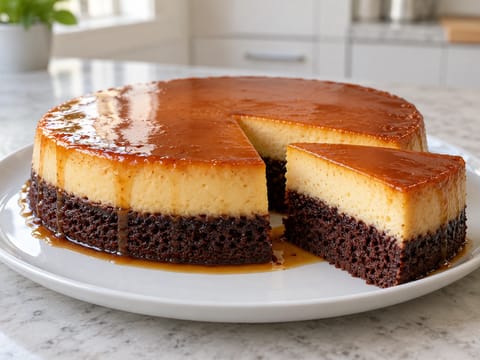
Caramel chocoflan with vanilla flan and chocolate sponge
Chocolate pairs well with salt, which sharpens cocoa notes and makes sweetness taste clearer. Coffee often deepens chocolate aroma without making a dessert taste like coffee, while vanilla rounds the edges and reads as “baked” warmth. Fruit pairings tend to fall into two camps: bright, acidic fruits such as orange, cherry and raspberry lift dark chocolate, while ripe, mellow fruits such as banana and pear lean into softness. Nuts add both flavour and texture, echoing chocolate’s roasted notes. Dairy, from cream to yoghurt, can either enrich or lighten depending on its tang, which is why chocolatey recipes often include a deliberate choice of dairy ingredient.
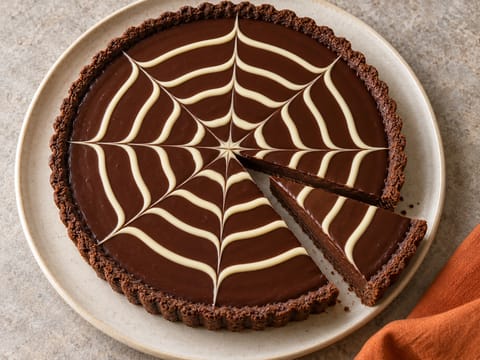
Chocolate orange tart with a feathered white chocolate web
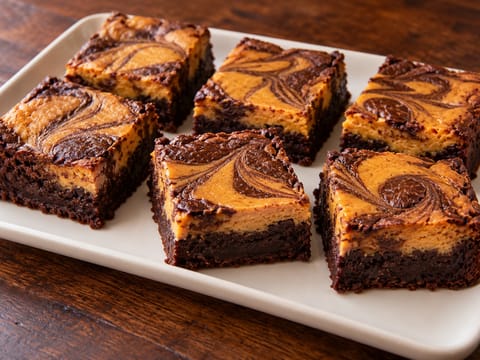
Dark chocolate brownies with cinnamon pumpkin cheesecake swirls

Black sesame chocolate truffles with seed-coated bodies and Halloween faces
Some chocolatey recipes are built around melted chocolate for a dense, glossy texture, while others rely on cocoa powder for a drier, more cake-like crumb and a clearer cocoa aroma. You may also see chocolate used as a layer or coating, where snap and contrast matter as much as flavour. In some savoury recipes, cocoa or dark chocolate is used in small amounts to add colour and bitterness, acting more like a spice than a sweet ingredient. When you are choosing, look for clues about sweetness level and richness: chocolatey does not automatically mean very sweet, and the supporting ingredients often tell you whether the result will be light, creamy, or intensely dark.
If you want to cook with a specific form, such as cocoa powder, dark chocolate or white chocolate, browsing by Ingredient helps you find recipes that use it in the way you expect. Dish type is also a useful guide because chocolate behaves very differently in cakes, biscuits, puddings and sauces, and the format often determines whether the texture is fudgy, airy or crisp.

Crisp smoked mackerel and potato fishcakes with tartare sauce
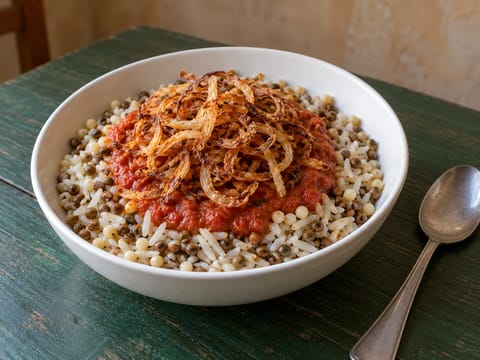
Koshari with lentils, rice, pasta and crispy onions
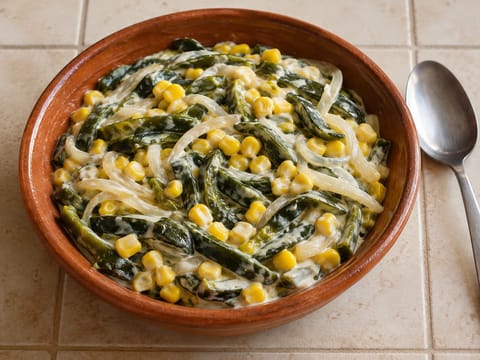
Poblano strips warmed with sweetcorn and Mexican crema
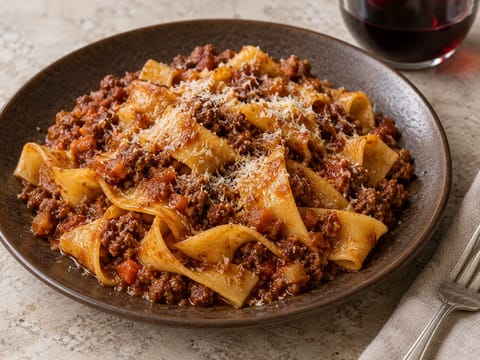
Pappardelle with slow-simmered wild boar ragù and pecorino
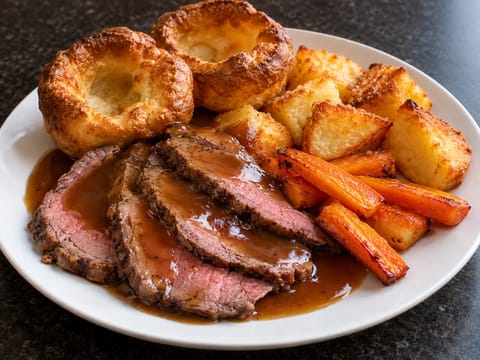
Roast beef with Yorkshire puddings, potatoes, carrots and gravy

Pink potato salad with beetroot, yoghurt, radishes and dill
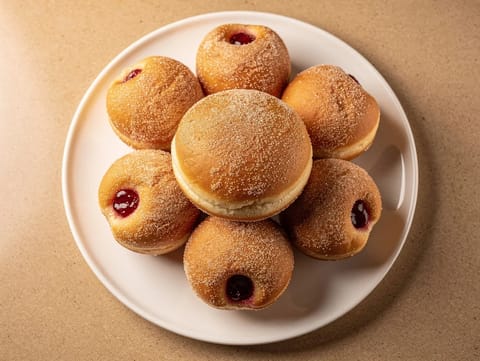
Yeasted jam doughnuts rolled in caster sugar
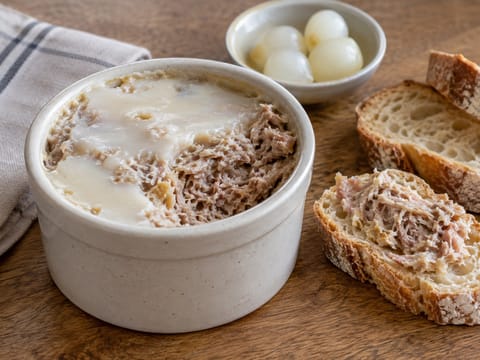
Slow-cooked pork rillettes with garlic and thyme
Not necessarily. Cocoa brings bitterness as well as aroma, so many chocolatey recipes taste deep rather than sugary. The sweetness depends on the type of chocolate used and how much sugar is in the overall recipe.
Colour can come from cocoa or from other dark ingredients, but strong chocolate flavour usually needs enough cocoa solids and often a little salt. Fat and sugar levels also affect how clearly you taste cocoa.
Cocoa powder contributes cocoa solids with little fat, so it can give a clearer cocoa aroma but a drier texture unless balanced. Melted chocolate adds cocoa butter and often sugar, which tends to produce a richer, smoother mouthfeel.
Salt heightens aroma and reduces the perception of flat sweetness. With chocolate, it can make cocoa notes taste more defined and stop rich desserts from feeling heavy.
Yes, in small amounts. Dark chocolate or cocoa can add bitterness and roasted depth to sauces and stews, functioning more like a seasoning than a sweet element.
Decide whether you want dark cocoa depth or a softer, milkier sweetness, then pick recipes whose ingredients support that direction. Chocolate flavour is at its best when sweetness, salt and richness are clearly in balance.
