
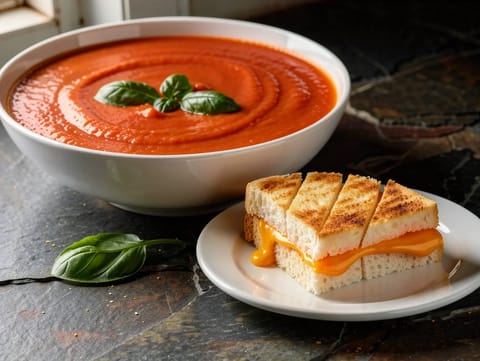
Grilled Cheese Sandwich with Tomato Soup
Cheddar grilled cheese served with smooth tomato soup

Creamy is as much about texture as taste: a smooth, rounded mouthfeel that carries flavour and softens sharp edges. It can come from dairy, coconut, nuts, puréed vegetables or a well-made emulsion, so “creamy” does not automatically mean heavy or even milky. Use this flavour profile when you want sauces that cling, soups that feel velvety, or desserts with a gentle, lingering finish rather than a crisp snap.
Creaminess usually shows up as a coating texture and a mellow, blended flavour. In savoury cooking, it often comes from fat and water held together, as in cream-based sauces, yoghurt stirred in off the heat, or emulsions such as mayonnaise and aioli. It can also be built without obvious dairy by puréeing cooked vegetables or beans, blending soaked nuts, or using coconut milk.
Creamy does not necessarily mean rich in the same way as buttery or cheesy. A dish can be creamy yet bright if it includes citrus, tomatoes or herbs, and it can be creamy yet light if the base is a vegetable purée or a yoghurt-style sauce. The key expectation is smoothness and roundness, not a specific ingredient.
Cheddar grilled cheese served with smooth tomato soup
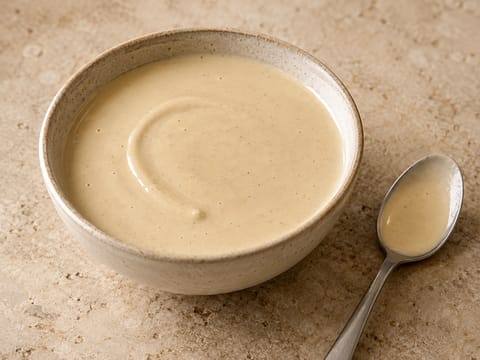
Smooth tahini sauce with lemon, garlic and water

Poached sole with grapes in a white wine cream sauce

Poached pike quenelles served with a creamy crayfish Nantua sauce
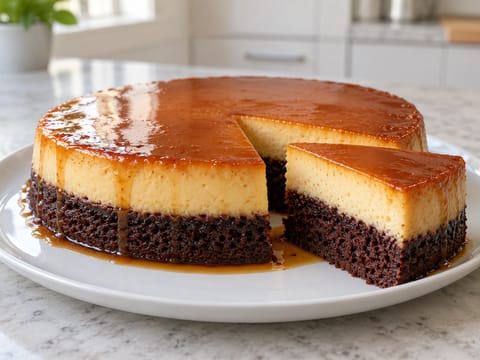
Caramel chocoflan with vanilla flan and chocolate sponge
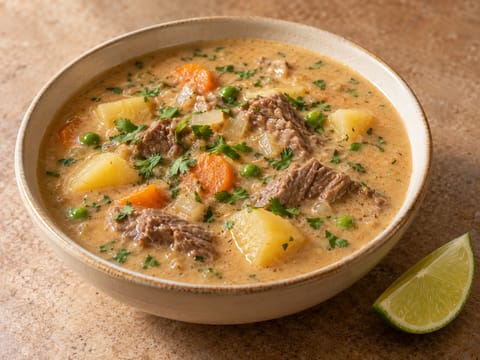
Bolivian peanut soup with beef and potatoes
If you want a sauce that stays glossy and stable, look for recipes that build an emulsion or use a starch-thickened base. These tend to reheat more predictably than sauces that rely on a last-minute swirl of cream.
For a tangier, fresher creaminess, yoghurt, crème fraîche and cultured creams bring acidity as well as body. They are often added at the end so they do not split.
For a naturally sweet, fragrant creaminess, coconut milk and coconut cream give a different kind of richness, with a flavour that reads clearly even under spice.
For a “hidden” creaminess, puréed cauliflower, potatoes, squash or white beans can make soups and pasta sauces feel velvety without tasting overtly creamy. These bases also take seasoning well, so salt and acid matter more than you might expect.
Poached pike quenelles served with a creamy crayfish Nantua sauce
Poached sole with grapes in a white wine cream sauce
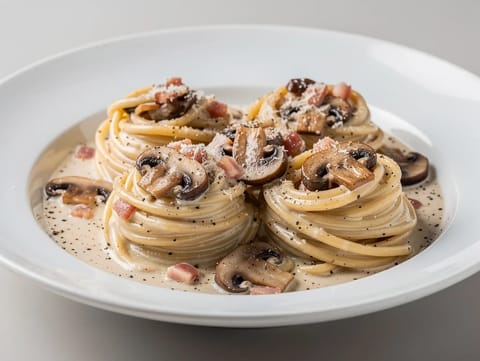
Pasta with creamy mushrooms, pancetta, white wine and Parmesan
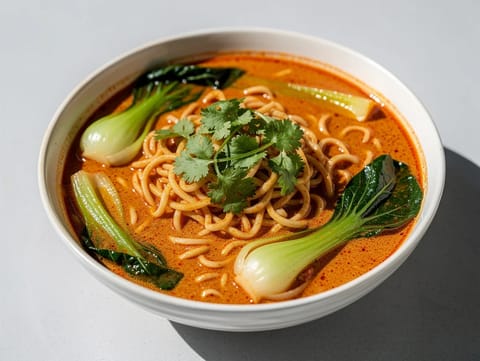
Thai curry ramen with coconut milk, pak choi and lime
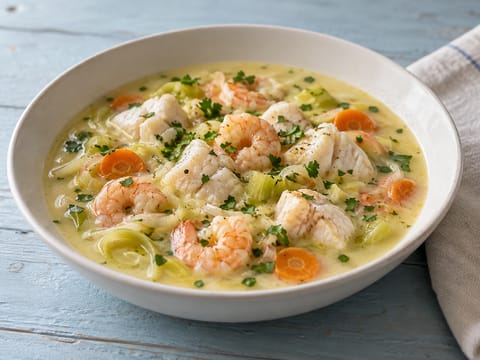
Creamy Ghent-style fish stew with prawns and vegetables
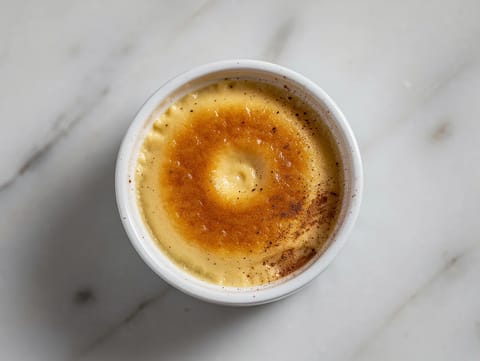
Chilean baked milk custard with a caramelised browned top

Frozen dessert of meringue, vanilla ice cream and raspberries

Seared pork tenderloin with Dijon and tarragon cream sauce
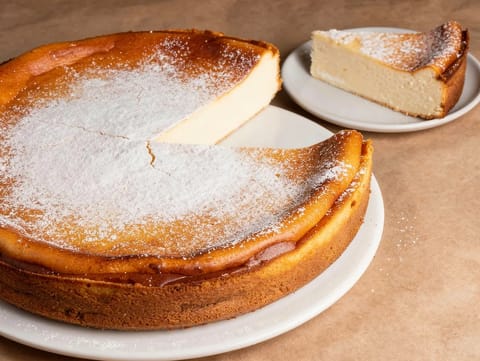
Polish baked cheesecake made with quark and vanilla

Puff pastry cases filled with creamy chicken and mushrooms
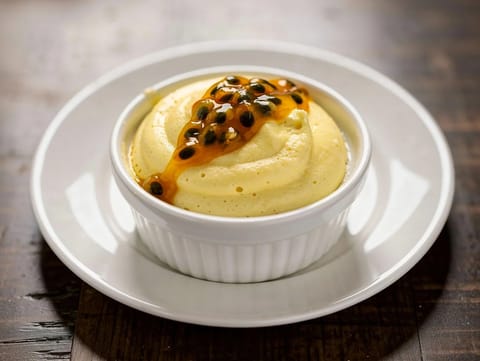
Chilled passion fruit mousse made with condensed milk and cream
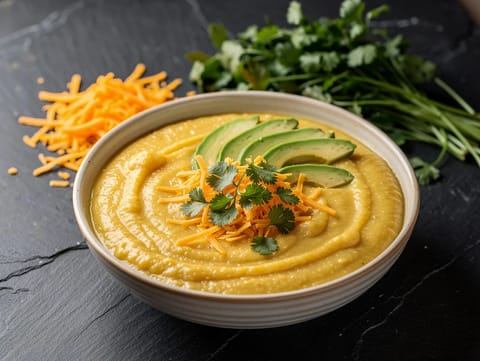
Creamy potato and cheese soup topped with avocado and coriander
Creamy dishes often benefit from contrast. Acid is the most direct tool: lemon, lime, vinegar, wine, tomatoes and pickled ingredients cut through a coating texture and stop flavours tasting muted. Bitterness can do a similar job, whether from leafy greens, cocoa, coffee or charred notes.
Aromatic lift matters too. Fresh herbs, toasted spices, black pepper and citrus zest sit on top of creamy bases and keep them from feeling flat. Texture is another kind of pairing: crisp breadcrumbs, nuts, seeds, croutons or a crunchy salad alongside a creamy soup or pasta gives your palate a reset between bites.
If a creamy dish tastes bland, it is often missing either salt or acid rather than more fat.
If you know what you want to make, browsing by Dish helps you choose the right format for creaminess, such as soups, pasta sauces, dips or desserts. If you want to control the source of the texture, Ingredient is the most practical next step, whether you’re leaning on dairy, coconut, nuts or a vegetable purée.

Hummus platter with spiced olive oil, pitta and vegetables
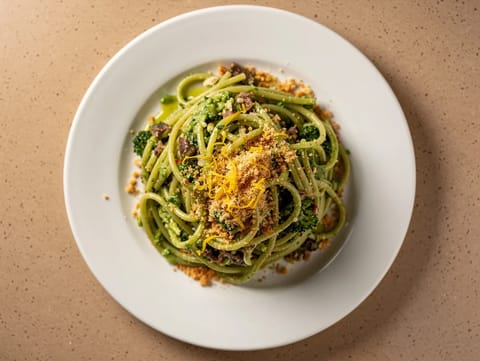
Spaghetti with broccoli, anchovies and toasted breadcrumbs
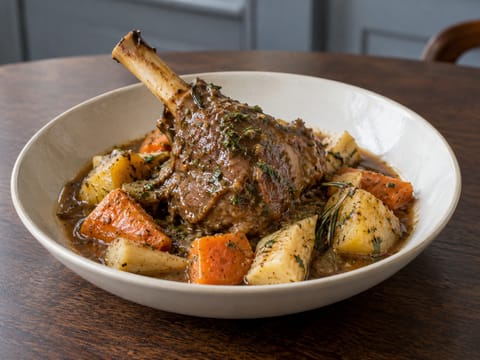
Slow-braised lamb shanks with minted gravy and root vegetables
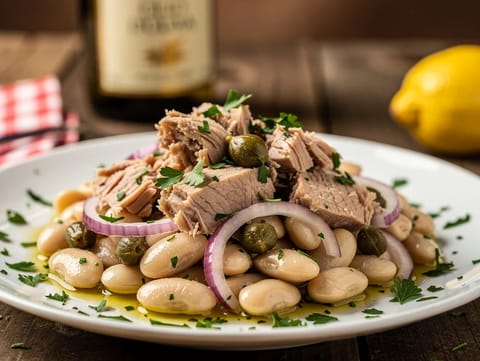
Tuna and cannellini bean salad with lemon and capers

Baked sliders with minced beef, cheddar and Dijon butter
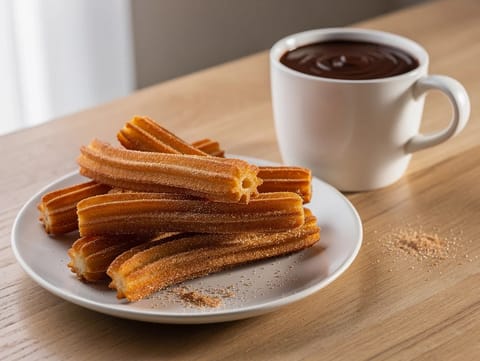
Crisp cinnamon sugar churros with thick dark hot chocolate
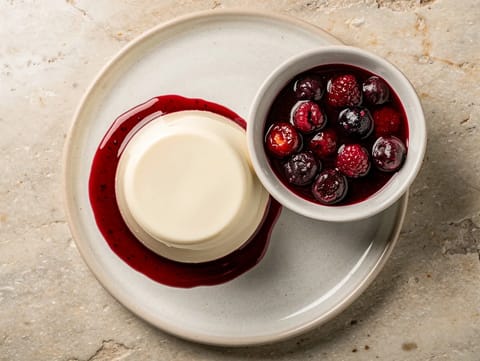
Vanilla panna cotta served with a simple berry compote

Mini apple fritters fried golden with cinnamon
No. Creaminess can come from dairy, coconut, nuts, seeds, puréed vegetables, beans, or emulsions such as mayonnaise. The label describes the eating experience more than the ingredient list.
They can split when fat and water separate, often from high heat, rapid boiling, or adding acidic ingredients at the wrong moment. Many recipes manage this by lowering the heat, thickening the base, or adding dairy off the heat.
Look for recipes that include acidity (citrus, vinegar, tomatoes), herbs, or a crisp topping or side. Those elements create contrast so the creaminess feels rounded rather than cloying.
Creamy is primarily about smooth, coating texture. Rich is about intensity and weight, often from butter, cream, cheese, egg yolks or sugar. A dish can be creamy without being especially rich.
Yes. Creamy elements can soften the perception of heat while carrying spice flavours. The balance depends on how much acid and salt are present as well as the type of chilli or spice blend.
When you choose creamy recipes, you’re choosing a particular mouthfeel: smooth, rounded and flavour-carrying. Decide first where that texture should come from, then look for the acid, aromatics and crunch that keep it lively.
