

Nem Nuong (Vietnamese Grilled Pork Sausage)
Grilled pork sausage skewers with garlic, fish sauce and pepper

Garlicky recipes are defined by garlic’s aroma and savoury bite, but the effect depends heavily on how the garlic is handled. Finely chopped raw garlic tastes hot and pungent; gently cooked garlic turns sweet and rounded; roasted garlic becomes soft, almost spreadable. Use this flavour profile when you want a clear allium backbone, whether that’s a sharp dressing, a fragrant stir-fry base, or a mellow sauce that tastes deeply savoury without being spicy.
Garlic’s flavour shifts with cutting and heat. Crushing or grating breaks more cells and releases more of the compounds that taste pungent, which is why raw garlic in dips and dressings can feel assertive. Slicing or leaving cloves whole tends to give a gentler flavour.
Heat changes garlic quickly. Brief cooking can take the edge off while keeping aroma; longer, gentler cooking brings sweetness and a more rounded savouriness. Browning garlic adds nuttier notes but can tip into bitterness if it catches. “Garlicky” therefore covers a range from sharp and peppery to mellow and almost caramel-like, with the common thread being garlic as a leading flavour rather than a background seasoning.
Grilled pork sausage skewers with garlic, fish sauce and pepper
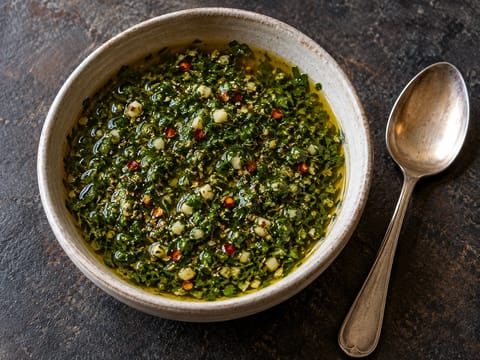
Parsley and garlic chimichurri with olive oil and red wine vinegar
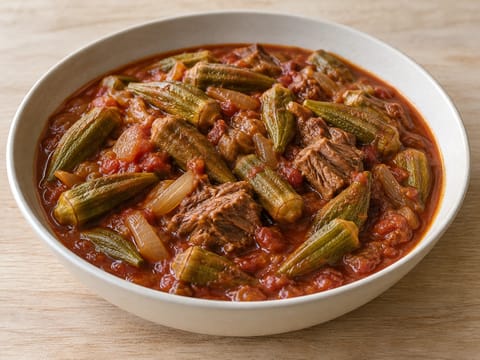
Okra stew with lamb simmered in a garlicky tomato sauce
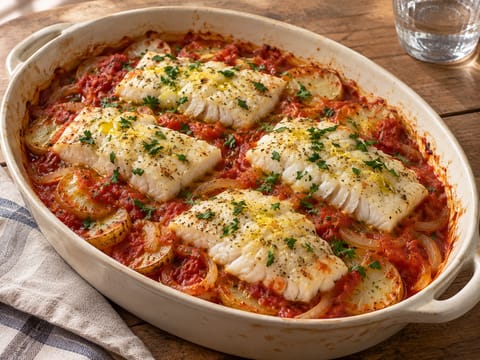
Greek baked fish with tomato sauce, potatoes and onions
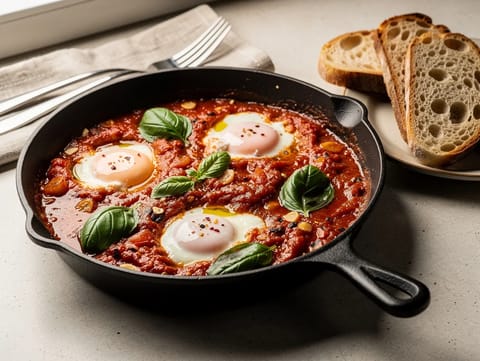
Eggs poached in garlicky tomato sauce with chilli and basil
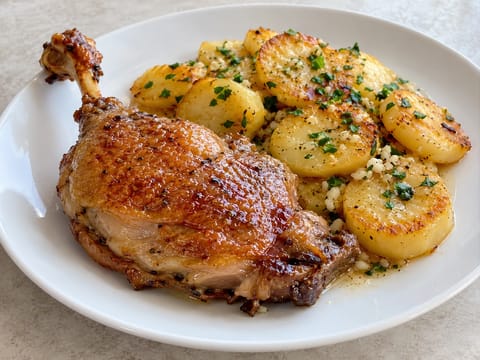
Crisp duck confit with duck fat potatoes, garlic and parsley
Raw or barely cooked garlic pairs well with acidity and freshness: lemon, vinegar, tomatoes, yoghurt, crisp vegetables and herbs. These ingredients keep the flavour bright and stop the pungency from lingering.
Mellow cooked garlic sits comfortably with richer elements such as olive oil, butter, cream, cheese and slow-cooked vegetables, where it reads as savoury depth rather than heat. It also works well with beans, potatoes and grains, which absorb garlicky sauces.
If you want garlic to feel bold without harshness, recipes often balance it with salt, fat and a finishing note such as citrus zest, parsley or chilli. If it tastes aggressive, it is usually too raw for the dish, or it needs more dilution from fat or acidity.
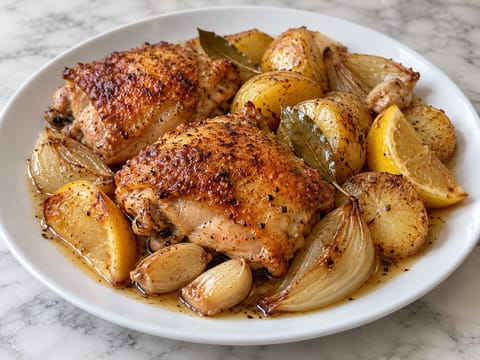
Roast chicken traybake with lemon, garlic, potatoes and onion
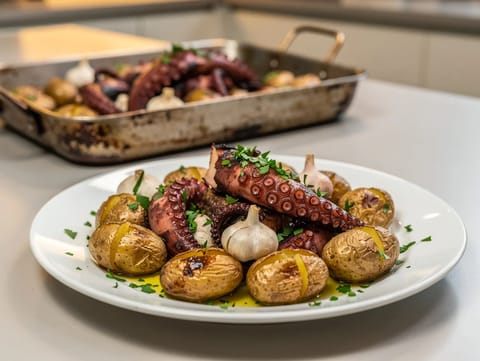
Roasted octopus with potatoes, garlic, bay and olive oil
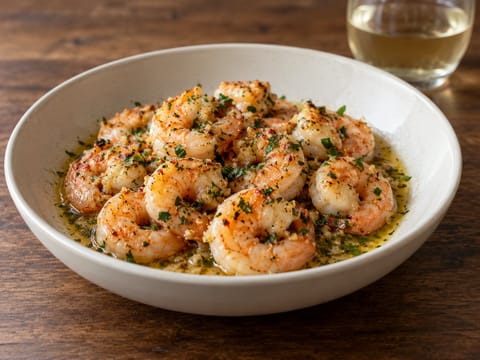
Air-fried prawns tossed with garlic butter and lemon.
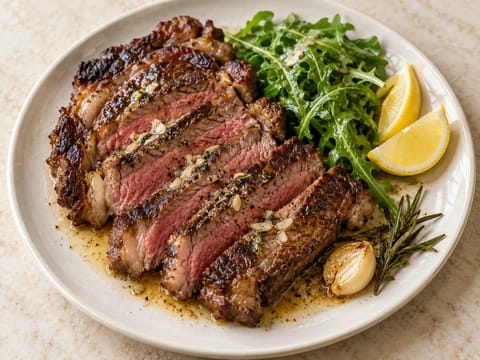
Pan-seared ribeye with garlic butter and rocket salad
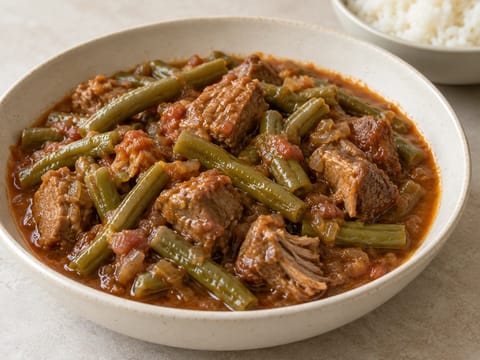
Lamb and green bean stew simmered in a tomato sauce
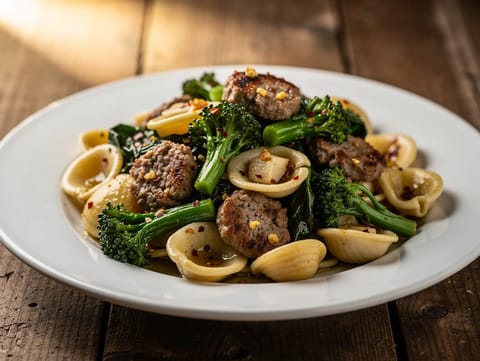
Orecchiette with broccoli rabe, sausage, garlic and chilli
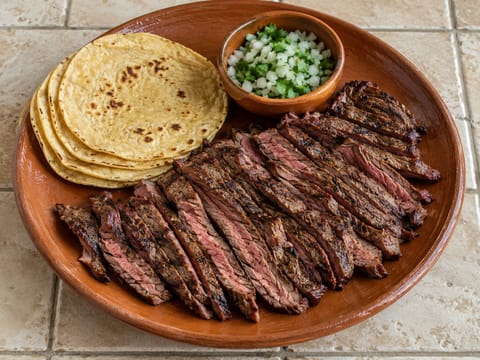
Grilled skirt steak with lime, garlic, cumin and oregano
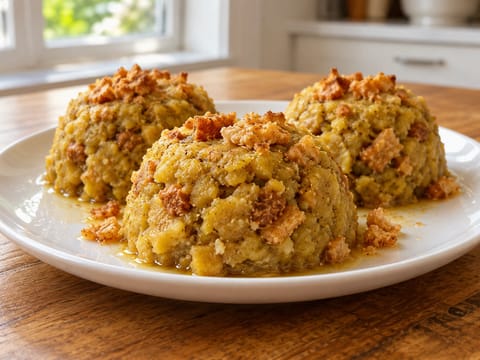
Fried plantain mash with garlic and pork crackling
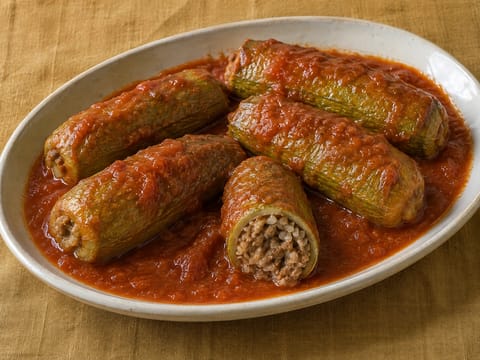
Stuffed courgettes simmered with lamb, rice, tomato and garlic
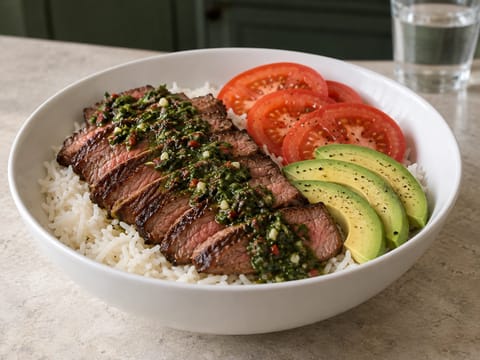
Seared steak bowl with chimichurri, rice, tomato and avocado
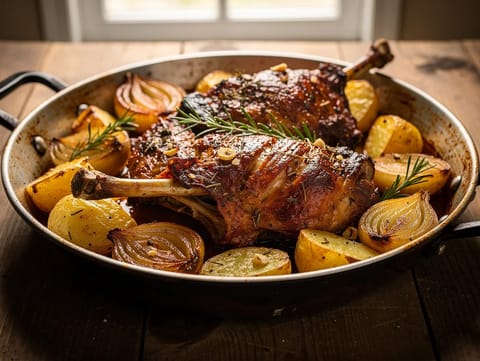
Roast kid goat with potatoes, onions, garlic and white wine
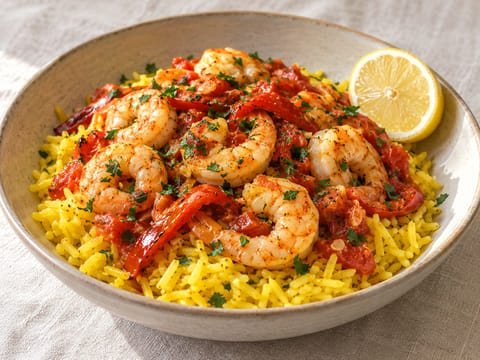
Saffron rice bowl with garlic prawns, pepper, tomato and lemon
For a punchy, upfront garlicky flavour, look for recipes that use raw garlic in small amounts, or add garlic late in cooking. These dishes tend to taste best when the garlic is evenly distributed, so the cutting method matters.
For a rounded, aromatic garlicky base, recipes that start with garlic cooked gently in oil build flavour without sharpness. This approach is common in sauces, soups and braises.
For a sweet, mellow garlicky character, roasted or confit-style garlic gives softness and body as well as flavour. It can be mashed into dressings, stirred into purées, or used to thicken sauces slightly. In these recipes, the garlic behaves almost like an ingredient in its own right rather than a seasoning.
If you’re choosing what to cook with garlic, Ingredient browsing helps you match it with tomatoes, greens, beans, seafood or dairy, depending on the style you want. Dish is useful when you’re deciding whether garlic should lead a sauce, a dip, a roast, or a quick pan-cooked recipe.
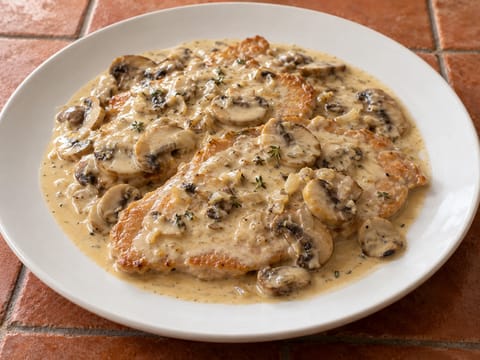
Pan-fried veal escalopes with creamy cider sauce and mushrooms
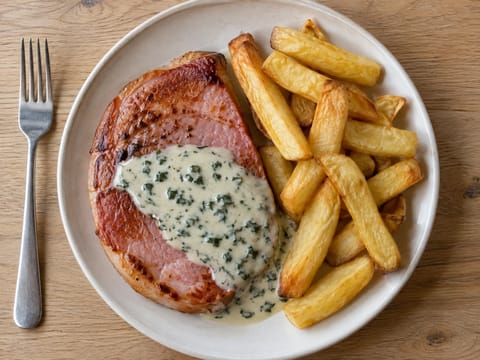
Gammon steak with parsley sauce and oven chips
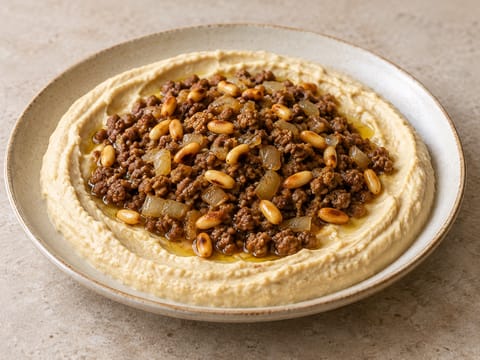
Hummus topped with spiced minced lamb and toasted pine nuts
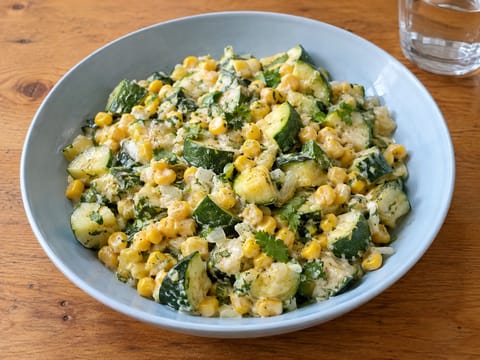
Courgettes and sweetcorn sautéed with crema, coriander and lime
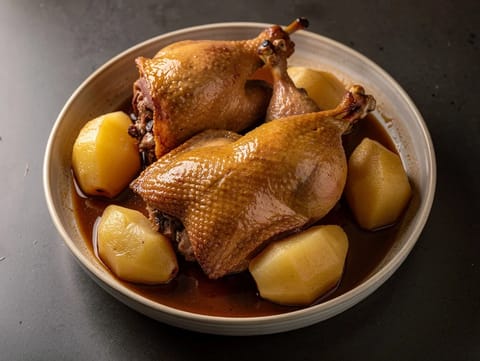
Duck legs braised in red wine with pears and garlic
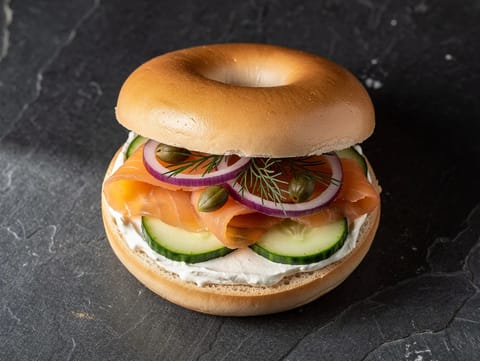
Smoked salmon bagel with lemon cream cheese, cucumber and capers
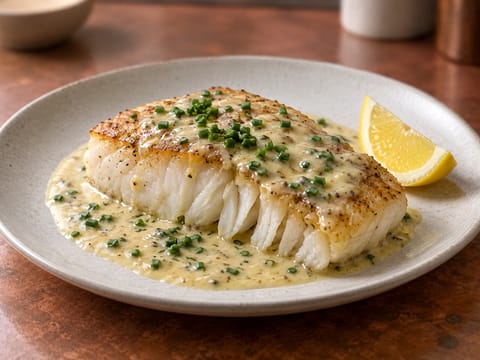
Pan-fried cod served with a warm mustard and chive sauce
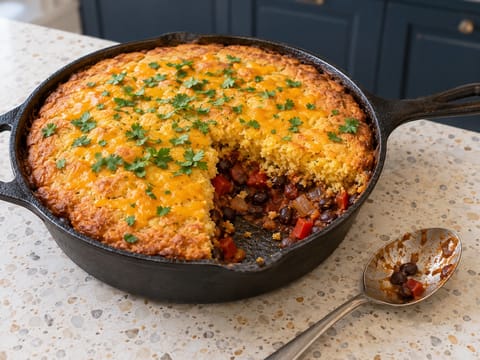
Black bean chilli baked under a golden cornbread topping
Cutting garlic releases pungent compounds that are strongest when raw. Heat changes and softens those compounds, so the flavour becomes sweeter and less sharp.
Usually, yes. Finer cutting releases more pungency and spreads it more evenly through a dish, which reads as “more garlicky”.
Garlic can taste bitter if it browns too quickly or burns, especially when finely chopped. Gentler heat and a little more oil can help control this.
Choose a cooked-garlic approach, or balance raw garlic with enough fat and acidity. Many recipes also use a fresh herb finish to lift the aroma.
Not always. When cooked slowly, garlic can become mellow and supportive, adding savoury depth rather than a sharp top note.
With garlicky recipes, the main decision is not how much garlic to use, but how it’s cut and cooked. Pick a sharp, fresh style or a mellow, sweet one, then choose pairings that support that direction.
