
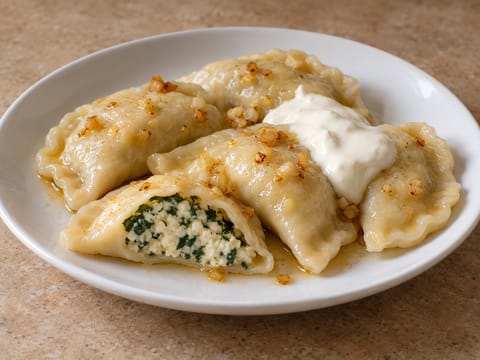
Modern Pierogi with Spinach and Ricotta
Pierogi filled with spinach and ricotta

Garlicky recipes are defined by garlic’s aroma and savoury bite, but the effect depends heavily on how the garlic is handled. Finely chopped raw garlic tastes hot and pungent; gently cooked garlic turns sweet and rounded; roasted garlic becomes soft, almost spreadable. Use this flavour profile when you want a clear allium backbone, whether that’s a sharp dressing, a fragrant stir-fry base, or a mellow sauce that tastes deeply savoury without being spicy.
Garlic’s flavour shifts with cutting and heat. Crushing or grating breaks more cells and releases more of the compounds that taste pungent, which is why raw garlic in dips and dressings can feel assertive. Slicing or leaving cloves whole tends to give a gentler flavour.
Heat changes garlic quickly. Brief cooking can take the edge off while keeping aroma; longer, gentler cooking brings sweetness and a more rounded savouriness. Browning garlic adds nuttier notes but can tip into bitterness if it catches. “Garlicky” therefore covers a range from sharp and peppery to mellow and almost caramel-like, with the common thread being garlic as a leading flavour rather than a background seasoning.
Pierogi filled with spinach and ricotta
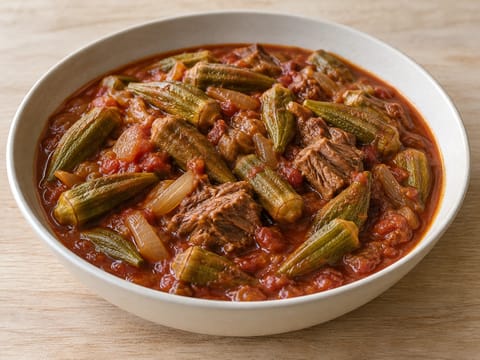
Okra stew with lamb simmered in a garlicky tomato sauce
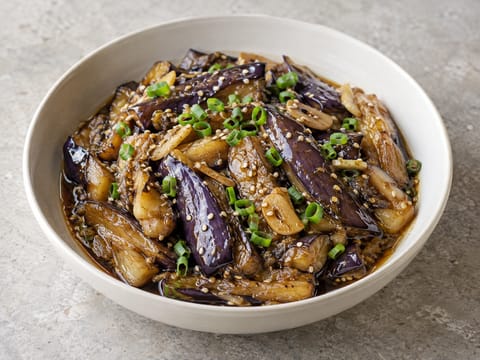
Tender braised aubergine in a glossy garlic sauce
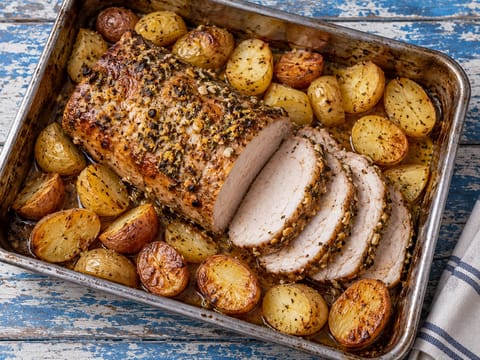
Greek-style pork roast with lemon, oregano and tray potatoes
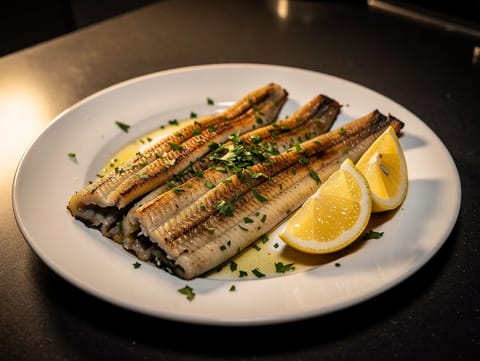
Italian grilled eel with lemon, garlic and parsley
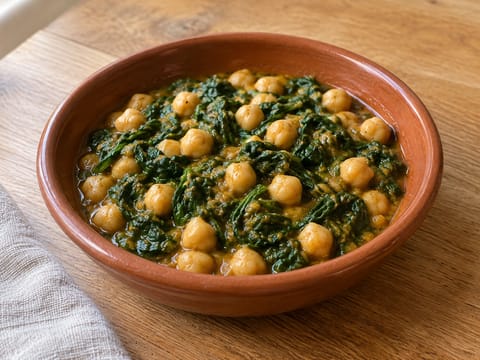
Sevillian spinach and chickpea stew thickened with toasted bread
Raw or barely cooked garlic pairs well with acidity and freshness: lemon, vinegar, tomatoes, yoghurt, crisp vegetables and herbs. These ingredients keep the flavour bright and stop the pungency from lingering.
Mellow cooked garlic sits comfortably with richer elements such as olive oil, butter, cream, cheese and slow-cooked vegetables, where it reads as savoury depth rather than heat. It also works well with beans, potatoes and grains, which absorb garlicky sauces.
If you want garlic to feel bold without harshness, recipes often balance it with salt, fat and a finishing note such as citrus zest, parsley or chilli. If it tastes aggressive, it is usually too raw for the dish, or it needs more dilution from fat or acidity.
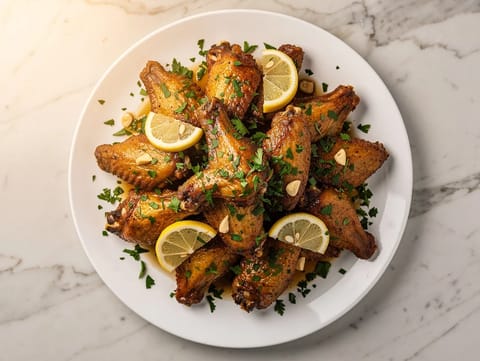
Crispy wings tossed in garlic butter with lemon and parsley.
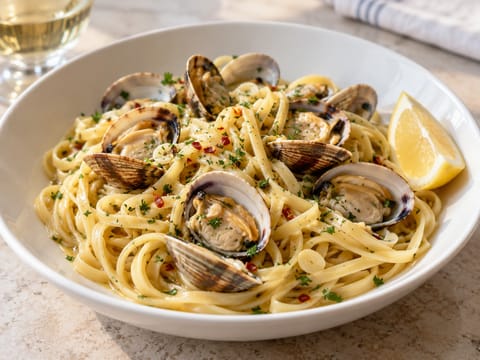
Linguine with clams, garlic, white wine, chilli and parsley
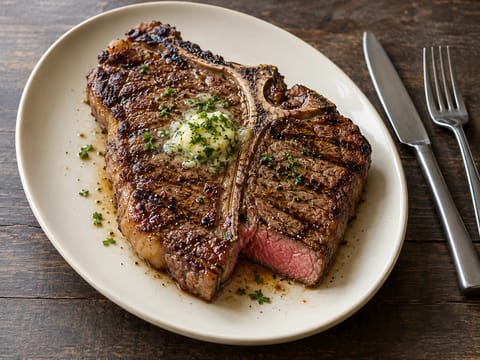
Grilled T-bone steak topped with garlic and parsley herb butter
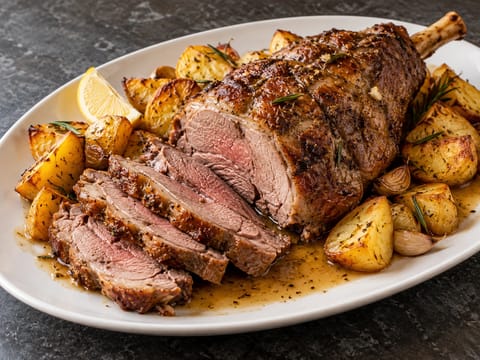
Italian roast lamb with garlic, rosemary and potatoes
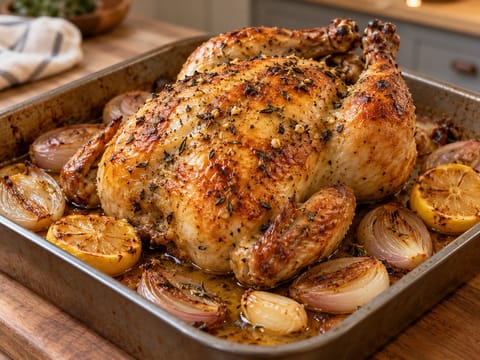
Garlic and herb roast chicken with lemon and white wine juices
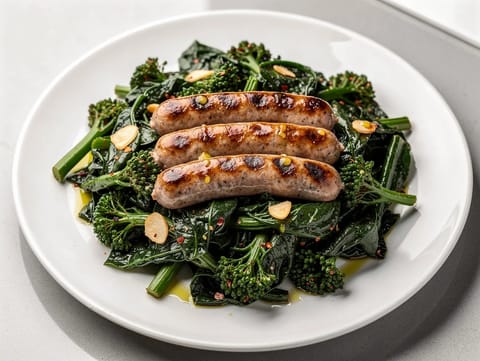
Italian sausages served over garlicky broccoli rabe with lemon
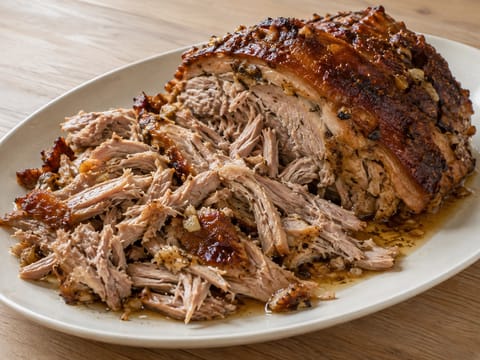
Slow-roasted pork shoulder with garlic, oregano and citrus
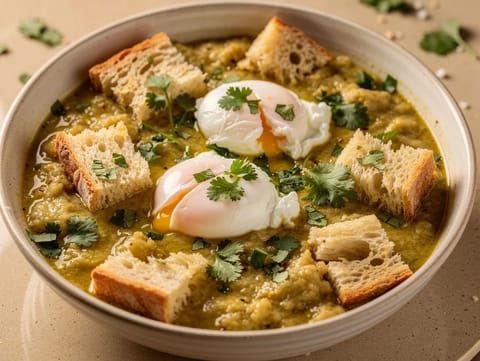
Garlic bread soup with coriander and a poached egg

Mushroom eyeballs with white beans and pepper-and-olive eyes
High-heat grilled flank steak marinated with lime, garlic and cumin, served with charred nopales
For a punchy, upfront garlicky flavour, look for recipes that use raw garlic in small amounts, or add garlic late in cooking. These dishes tend to taste best when the garlic is evenly distributed, so the cutting method matters.
For a rounded, aromatic garlicky base, recipes that start with garlic cooked gently in oil build flavour without sharpness. This approach is common in sauces, soups and braises.
For a sweet, mellow garlicky character, roasted or confit-style garlic gives softness and body as well as flavour. It can be mashed into dressings, stirred into purées, or used to thicken sauces slightly. In these recipes, the garlic behaves almost like an ingredient in its own right rather than a seasoning.
If you’re choosing what to cook with garlic, Ingredient browsing helps you match it with tomatoes, greens, beans, seafood or dairy, depending on the style you want. Dish is useful when you’re deciding whether garlic should lead a sauce, a dip, a roast, or a quick pan-cooked recipe.
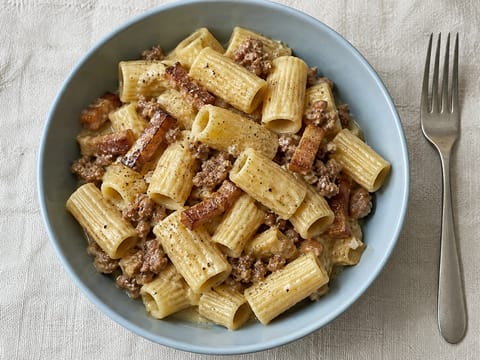
Rigatoni with guanciale, sausage, egg and pecorino coating
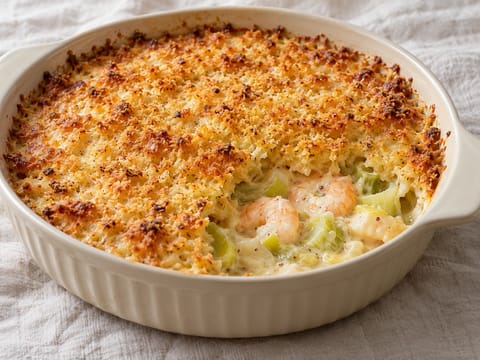
Prawn and leek gratin with mustard cream, cheddar and breadcrumbs
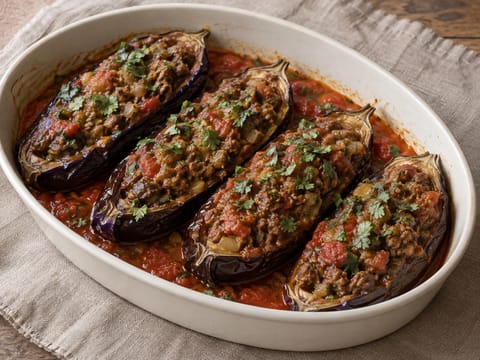
Baked aubergines stuffed with spiced lamb in tomato sauce
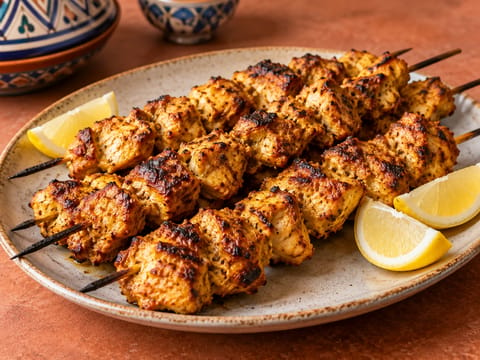
Yoghurt-marinated chicken skewers grilled with cumin and paprika
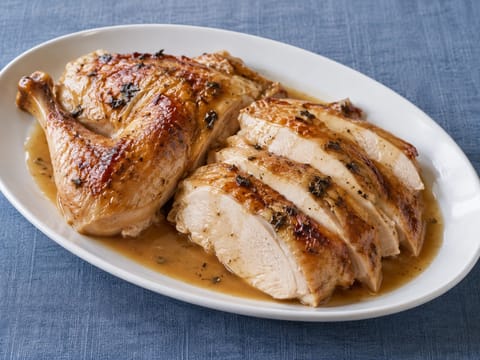
Roast capon with garlic and thyme butter pan gravy

Iced espresso with sweetened almond drink
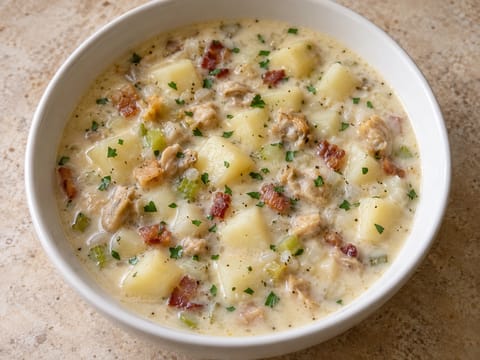
Creamy clam and potato soup with bacon and double cream
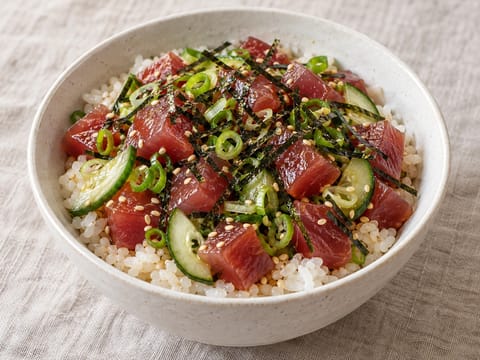
Shoyu tuna poke bowl with sushi rice, cucumber and sesame.
Cutting garlic releases pungent compounds that are strongest when raw. Heat changes and softens those compounds, so the flavour becomes sweeter and less sharp.
Usually, yes. Finer cutting releases more pungency and spreads it more evenly through a dish, which reads as “more garlicky”.
Garlic can taste bitter if it browns too quickly or burns, especially when finely chopped. Gentler heat and a little more oil can help control this.
Choose a cooked-garlic approach, or balance raw garlic with enough fat and acidity. Many recipes also use a fresh herb finish to lift the aroma.
Not always. When cooked slowly, garlic can become mellow and supportive, adding savoury depth rather than a sharp top note.
With garlicky recipes, the main decision is not how much garlic to use, but how it’s cut and cooked. Pick a sharp, fresh style or a mellow, sweet one, then choose pairings that support that direction.
