
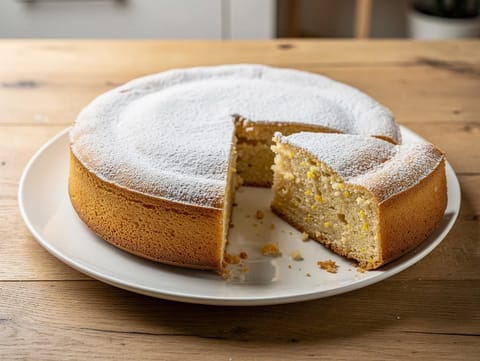
Gluten-Free Torta di Mandorle (Italian Almond Cake)
Gluten-free almond cake with lemon zest and icing sugar

Nutty flavour can show up as aroma, richness, texture, or all three. Sometimes it is literal nuts and seeds, toasted until fragrant; sometimes it is a nut-like note created by browning butter, roasting grains, or cooking ingredients until they take on a deeper, toasty edge. The useful question is what kind of nuttiness you want: crunchy and fresh, or smooth and rounded. That choice affects everything from how you chop and toast to when you add nuts so they stay crisp rather than turning soft.
Nutty can mean warm, toasted and slightly sweet, like roasted hazelnuts or almonds. It can also mean earthy and savoury, as with sesame, tahini or some pumpkin seeds. In baking, nuttiness often reads as caramel-like when nuts are toasted and paired with butter and sugar; in savoury cooking it can act like a quiet bass note that makes vegetables and grains taste more substantial. Not every nutty recipe tastes strongly of nuts. A browned crust on bread, a well-toasted rice dish, or beurre noisette can all bring a nutty aroma without any nuts present.
Gluten-free almond cake with lemon zest and icing sugar
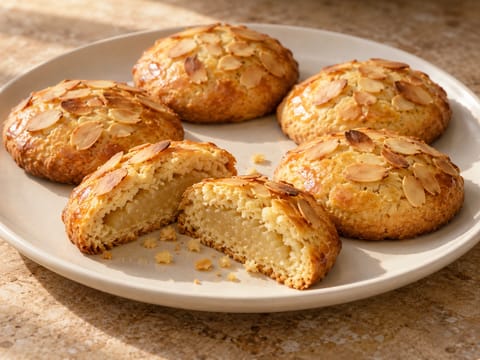
Buttery Dutch cookies with a thick almond paste filling
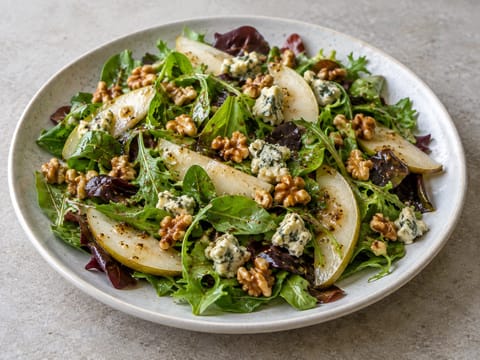
Salad with Stilton, pear and toasted walnuts
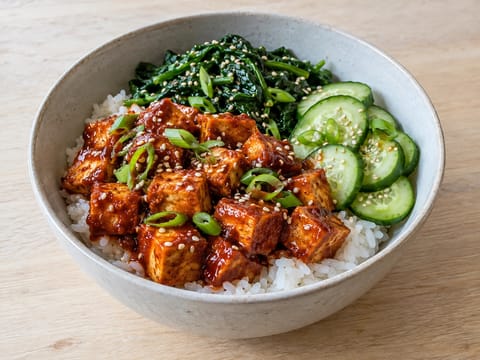
Gochujang-glazed tofu bowl with rice, spinach and cucumber
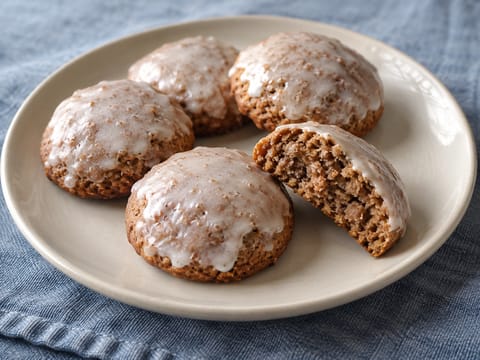
German honey biscuits with warming spices, almonds and hazelnuts
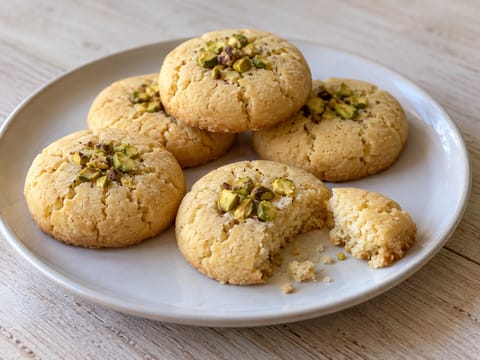
Crumbly naan khatai biscuits with ghee, cardamom and pistachios
Nutty recipes tend to fall into a few recognisable formats. There are crunchy toppings and coatings, where chopped nuts or seeds add snap and a roasted edge. There are creamy nut-based sauces and pastes, where the flavour is fuller and the texture smooth, often clinging to noodles, vegetables or grilled foods. And there are baked goods where nuts are folded through batters or scattered on top, giving pockets of richness and a toasted finish. The same ingredient behaves differently depending on size and timing: finely ground nuts can make a cake tender, while whole nuts can stay distinct and provide contrast.
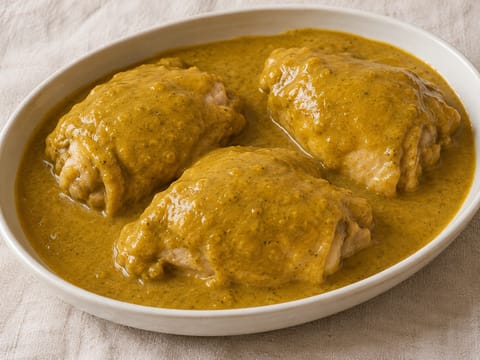
Chicken simmered in smooth yellow mole sauce with toasted spices
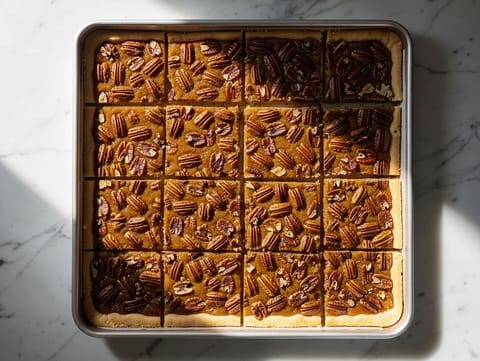
Shortbread bars topped with maple and brown sugar pecans
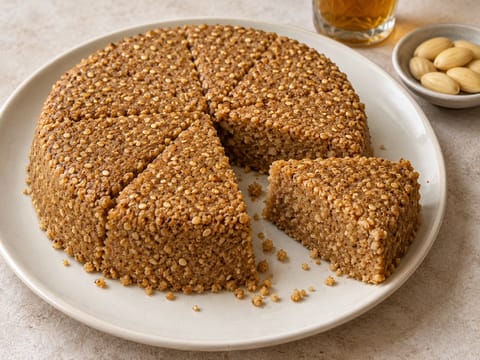
No-bake Moroccan sweet with almonds, sesame, honey and butter
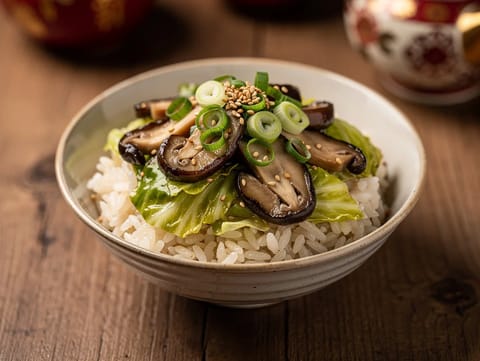
Jasmine rice with Chinese cabbage and shiitake mushrooms
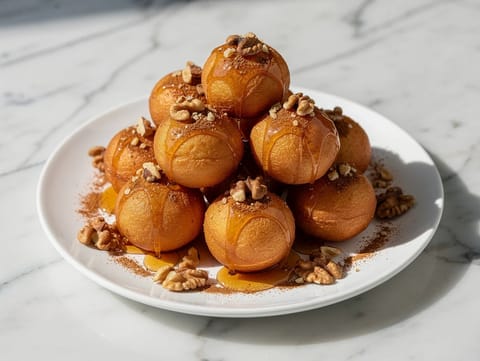
Greek honey doughnuts topped with walnuts and cinnamon
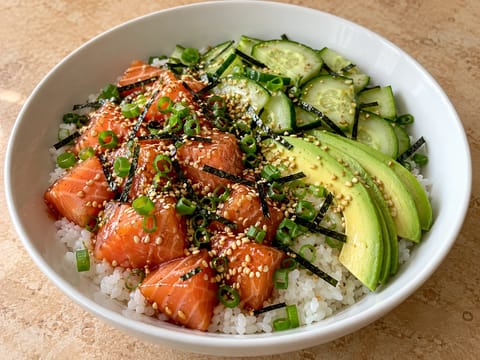
Salmon poke bowl with sushi rice and toasted sesame.
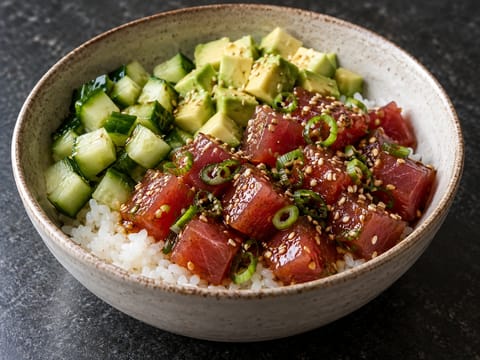
Ahi tuna poke over sushi rice with avocado and cucumber.
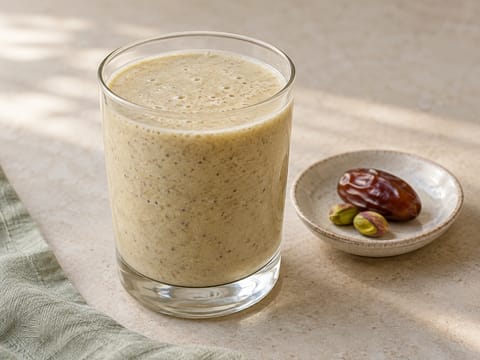
Pistachio and date smoothie blended with whole milk and vanilla.
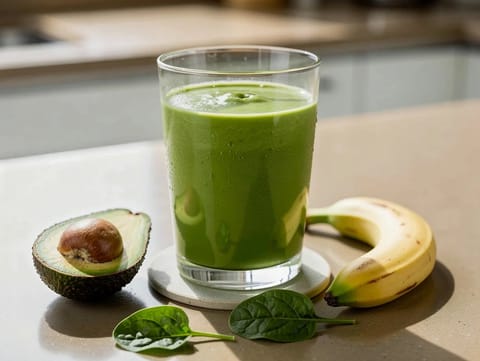
High protein green smoothie with spinach, yoghurt, banana and avocado.
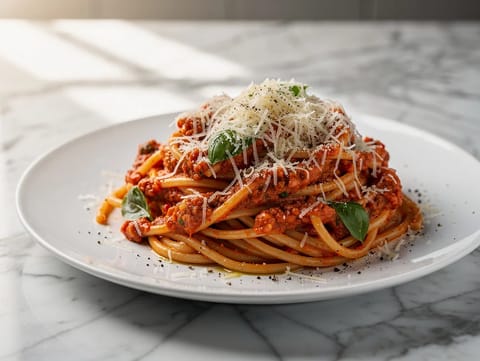
Sicilian pasta with tomato, basil and almond pesto
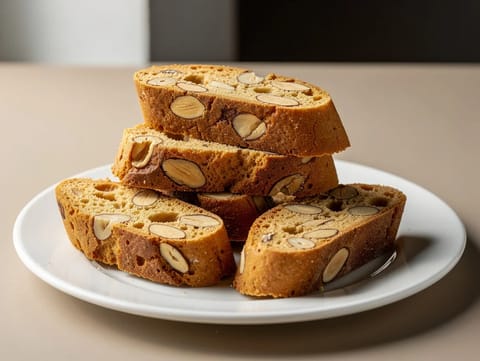
Twice-baked almond biscuits with a crisp, dunkable texture
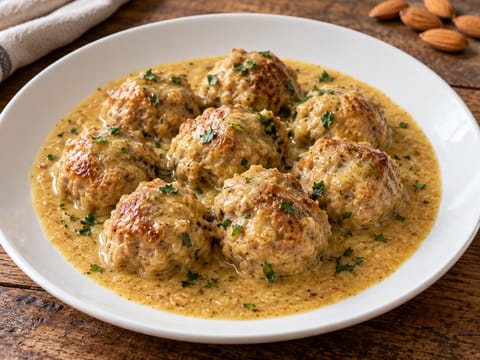
Pork meatballs simmered in a smooth almond sauce
For crisp nuttiness, look for recipes that toast nuts briefly and add them late, or keep them separate as a garnish. For a buttery, rounded effect, recipes that use ground nuts, nut meals or nut butters tend to give a more even flavour through the dish. For deep-roasted nuttiness, pay attention to techniques that deliberately brown: roasting nuts until just golden, toasting sesame, or cooking butter until it smells like hazelnuts. If you are cooking for a group, note that nuts can dominate quickly. Recipes that use nuts as a supporting element often balance them with acidity, herbs or fruit so the flavour stays lively rather than heavy.
Nutty flavour is closely tied to what you are using and how it is prepared. Browsing by Ingredient helps you choose between almonds, peanuts, sesame, tahini and other nut or seed directions. Dish type is useful when you want the nuttiness to play a particular role, such as a crunchy topping, a sauce, or a baked-in texture.
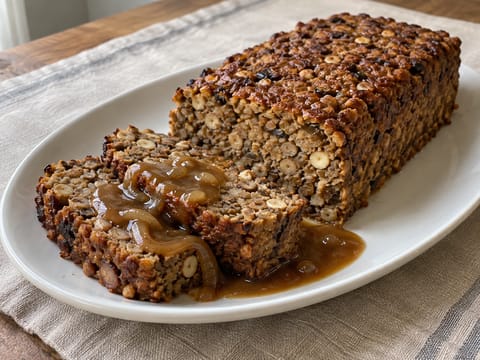
Vegetarian nut roast with mushrooms, lentils and herbs
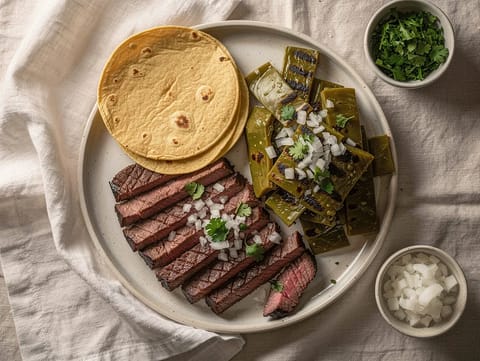
Grilled skirt steak and nopales served in corn tortillas
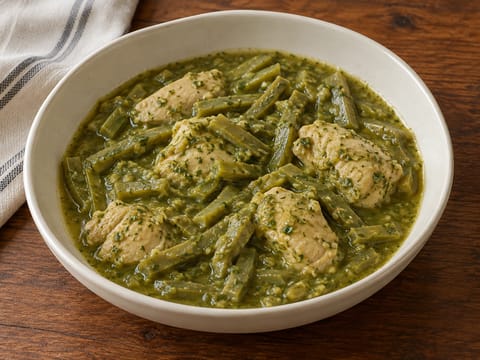
Chicken simmered in tomatillo salsa verde with tender nopales
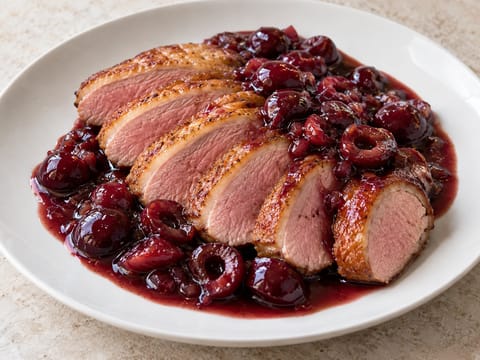
Crisp-skinned duck breast with a quick cherry sauce
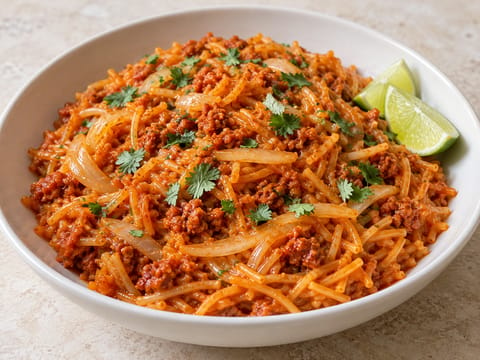
Toasted fideos simmered in tomato broth with chorizo
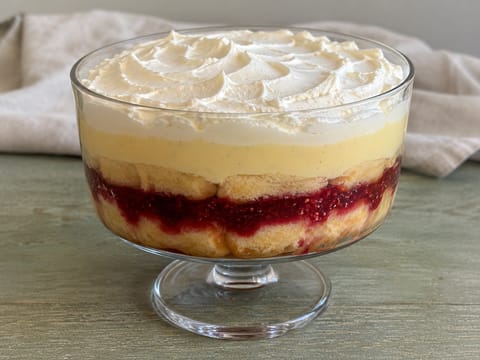
British trifle with sherry, custard and softly whipped cream
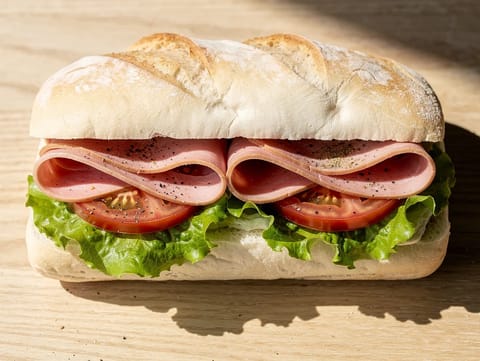
Bloomer roll with ham, mustard, lettuce and tomato
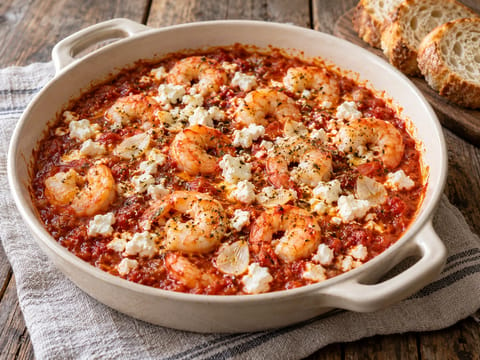
Prawns in garlicky tomato sauce topped with feta
No. Some recipes taste nutty because ingredients are browned or toasted, such as butter cooked to a hazelnut aroma or well-roasted grains.
Add them near the end, or keep them as a topping. Nuts stirred into hot sauces or stews will soften as they sit.
Nutty usually suggests toasted, rounded aromas and richness. Earthy tends to read as soil-like, mushroomy or root-vegetable depth. They can overlap, especially with some seeds and whole grains.
They can tip from toasted to scorched quickly. Dark spots and a sharp smell are clues they have over-browned, which brings bitterness rather than sweetness.
Yes. Sesame, sunflower and pumpkin seeds can taste distinctly nutty, especially when toasted, and they can be used where whole nuts are not suitable.
Once you know whether you want crunch, creaminess or a browned, buttery aroma, the right recipe direction becomes clearer. Nutty flavour is as much about timing and texture as it is about the ingredient itself.
