
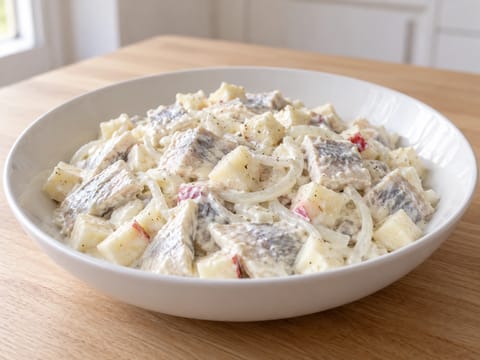
Śledź w Śmietanie (Polish Herring in Sour Cream Sauce)
Polish herring in sour cream with apple and onion

Tangy is the kind of sharp, lively acidity that makes food taste awake. It can come from citrus, vinegar, yoghurt and other fermented dairy, or sour fruits, and it often shows up as a clean finish that keeps richer ingredients from feeling heavy. Tanginess is not the same as “sour” in the mouth-puckering sense; it is usually rounded by salt, sweetness, fat or aromatics so the flavour reads as bright rather than harsh.
Tanginess is a balance point: enough acidity to cut through, but not so much that it dominates. In practice, it often arrives alongside a little sweetness (think honey-mustard style dressings), a creamy element (yoghurt sauces, cultured dairy dips), or savoury depth (soy, miso, browned meat juices) that stops the acidity tasting thin. The same ingredient can read more or less tangy depending on how it is used. Lemon zest gives fragrance with only a hint of sharpness; lemon juice brings immediate bite. Vinegar added early can mellow as it cooks, while a final splash stays more pointed.
Polish herring in sour cream with apple and onion

Courgette sauté with sweetcorn, tomato and crumbled queso fresco
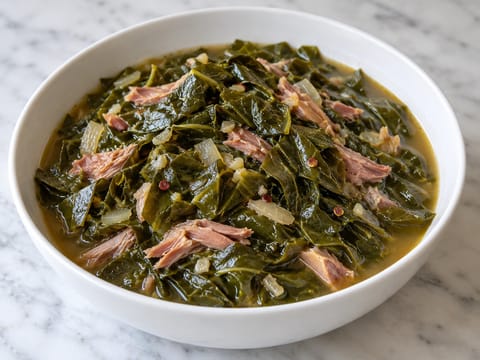
Slow-simmered collard greens with smoked ham hock
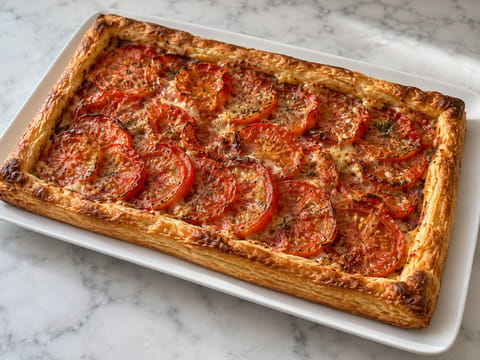
Puff pastry tart with Dijon mustard, tomatoes and Gruyère

Stuffed peppers baked with spiced beef, rice and tomato sauce
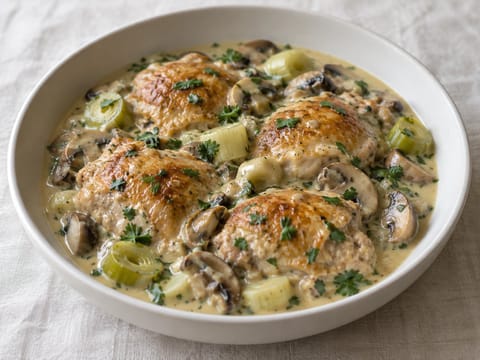
Chicken fricassée with mushrooms in a white wine cream sauce
Tangy flavours pair naturally with fat and starch because acidity cuts richness and resets the palate. Creamy cheeses, oily fish, roast meats, eggs and avocado all take well to a squeeze of citrus or a yoghurt-based sauce. Sweetness is another common partner: fruit, caramel notes, or a small amount of sugar can round the edges of vinegar or citrus without making a dish taste sweet. For a more savoury direction, combine tang with alliums, herbs and warm spices. Garlic, dill, coriander, cumin and black pepper often make acidity feel fuller and more aromatic rather than simply sharp.
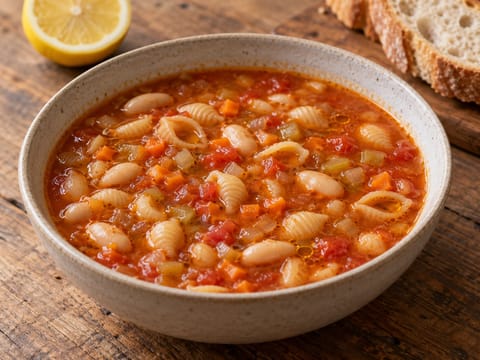
Italian vegan bean and pasta soup with tomatoes and herbs
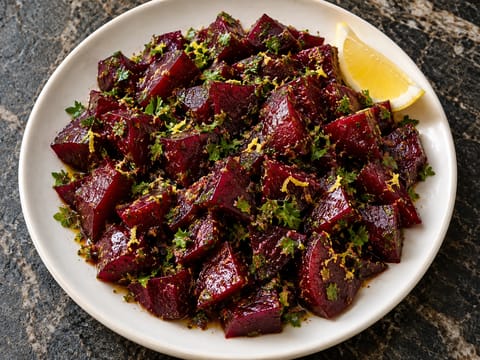
Beetroot salad with lemon, cumin and fresh parsley
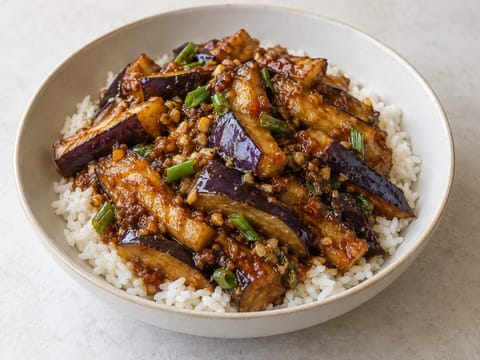
Sichuan-style aubergine with garlic sauce
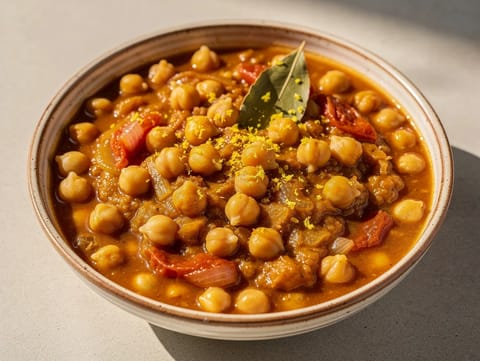
Slow cooked Greek chickpea stew with tomato and lemon

Roasted pork tenderloin coated in a reduced bourbon glaze
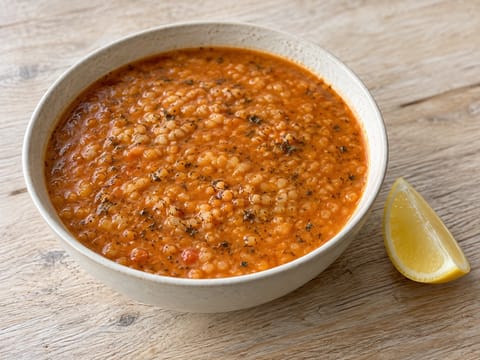
Turkish red lentil soup with bulgur, rice, mint and lemon
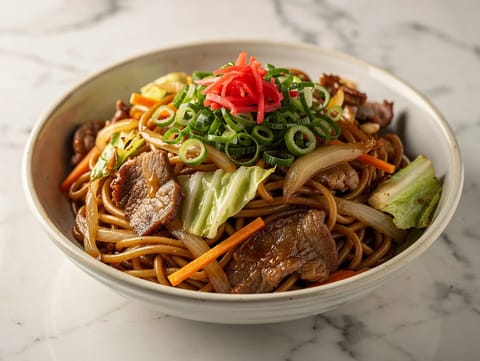
Japanese stir-fried noodles with pork, cabbage and carrots
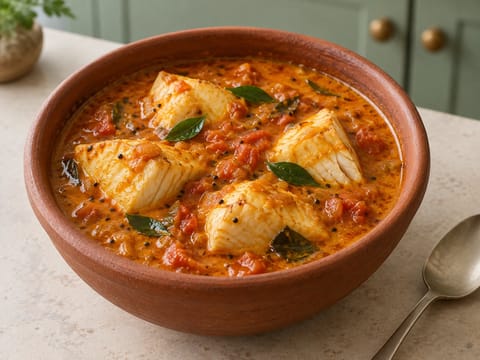
Kerala fish curry with coconut milk and tamarind

Hyderabadi aubergine curry with peanut, sesame and tamarind gravy
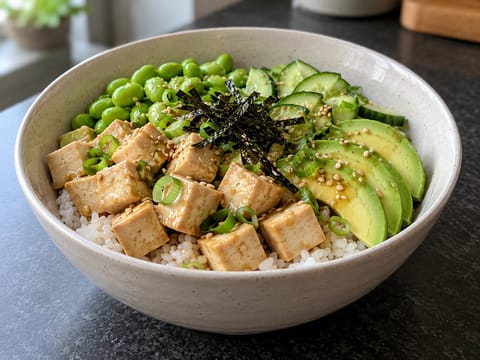
Vegetarian poke bowl with tofu, sushi rice and vegetables.

Crispy air fryer burritos with beef, rice, beans and salsa.
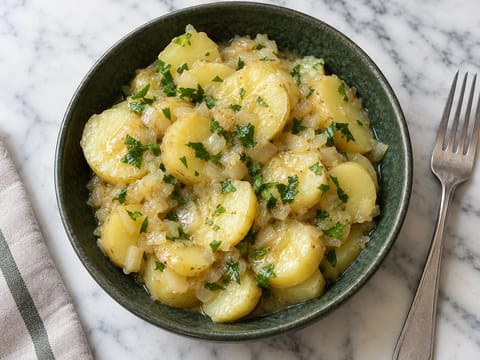
German potato salad with vinegar, mustard and parsley
If you want clean, fresh tang, look for recipes built around citrus juice and zest, or quick vinaigrettes where the acidity stays bright. For a softer, creamy tang, cultured dairy tends to give a gentler acidity and a thicker texture, which suits dips, marinades and spoonable sauces. Vinegar-led tang is usually more direct and can be adjusted precisely, which is useful for pickled elements, slaws and sharp pan sauces. Pay attention to when the acid is added: early additions often integrate and mellow, while late additions taste more vivid. If a dish already contains salty or fermented ingredients, you may need less acid for the same “lift”.
If you know the ingredient that gives the tang you like, browsing by Ingredient helps you compare how lemon, yoghurt or vinegar behave across different formats. If you are choosing a dish to carry that sharpness, Dish type is useful for spotting where tang tends to be central, such as dressings, dips, slaws and sauces.
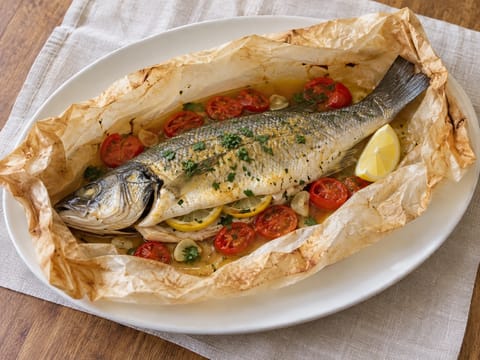
Sea bass baked in parchment with cherry tomatoes, lemon and parsley
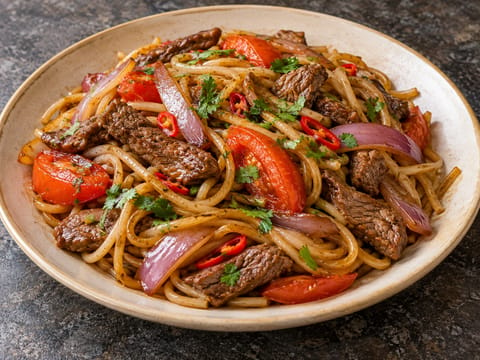
Stir-fried noodles with beef, tomato, red onion and soy

Blackened Cajun chicken thighs finished with lemon
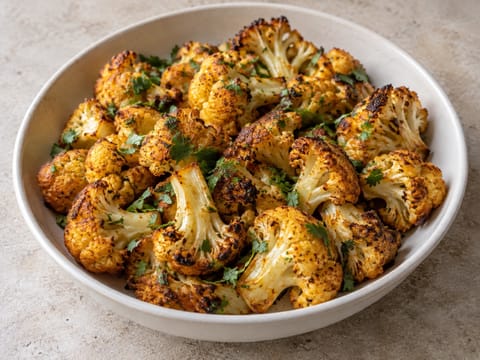
Roasted cauliflower with cumin, paprika, lemon and coriander
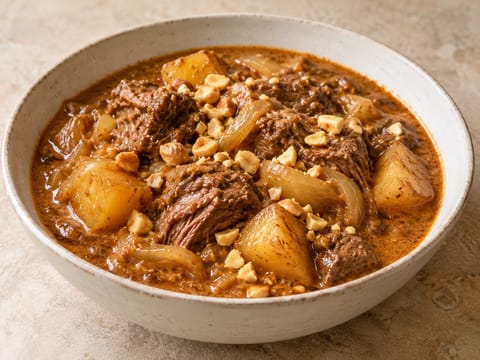
Massaman beef curry with potatoes, tamarind and roasted peanuts
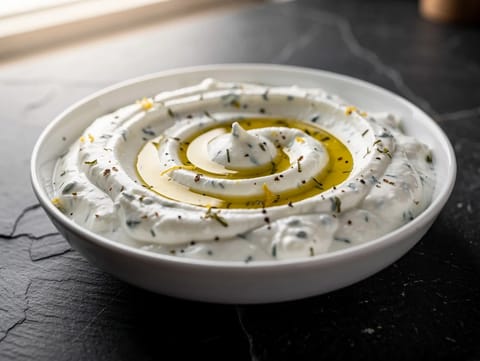
Thick Turkish yoghurt dip with garlic, mint and olive oil

Cauliflower shawarma in pita with cabbage and lemon tahini sauce
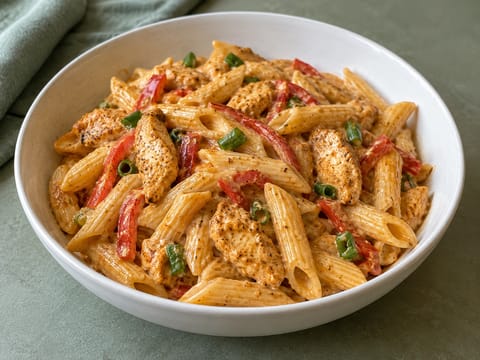
Creamy Cajun chicken pasta with peppers and spring onions
They overlap, but “tangy” usually suggests acidity that is balanced and appetising, rather than a single-note sourness. Salt, sweetness, fat and aromatics often make the difference.
Common sources include citrus juice and zest, vinegars, yoghurt and other cultured dairy, and sour fruits. Some fermented ingredients contribute acidity as well as savoury depth.
Acidity cuts through fat on the palate and makes flavours taste clearer. It does not remove richness, but it changes how quickly the mouth feels “coated”.
Harshness often means the acidity is unbalanced. A little sweetness, more fat (such as yoghurt or oil), or extra aromatics can round it out. Adding acid gradually also helps.
Often, yes. Heat can soften the sharp edge of some acids and integrate them into the dish. A final squeeze of citrus or splash of vinegar will usually taste brighter than an early addition.
They can. Cultured dairy and citrus are common ways to add a gentle tang that keeps sweet bakes from tasting flat, though the effect depends on the recipe and how much acidity is used.
When you choose tangy recipes, you are usually choosing contrast: sharp against creamy, bright against rich, crisp against soft. Start by noticing the source of acidity and when it is added, then use salt, sweetness and fat to keep the flavour lively rather than aggressive.
