
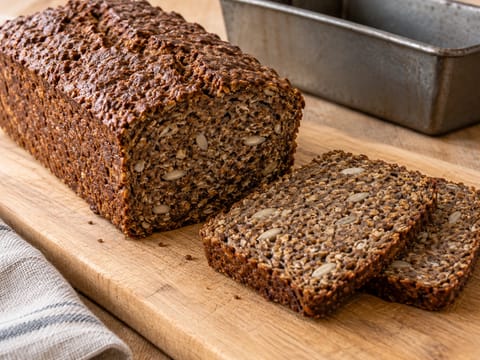
Nordic Rugbrød (Dense Rye Bread with Sunflower Seeds)
Dense Nordic rye bread with treacle and sunflower seeds

Breakfast is the meal most shaped by the clock. Some mornings need something you can eat one-handed; others allow for a pan on the hob and a table set properly. This collection of breakfast-time recipes is about that range, from simple staples to more cooked options, with an eye on what works for a household. The most helpful way to choose is to decide what your morning can realistically hold: a grab-and-go bite, a bowl you can assemble quickly, or a breakfast that asks for a little attention while it cooks.
Breakfast-time recipes are those that make sense early in the day, but they are not limited to one flavour profile or one level of effort. You will find both sweet and savoury options, and both hot and cold ones. What tends to matter most is how the food behaves when you are not fully awake: can it be made with minimal decision-making, does it tolerate a short delay before eating, and can it be portioned without drama. Breakfast also often benefits from clear contrasts, such as something creamy with something crunchy, or something warm with something fresh, because those textures read strongly even when flavours are kept simple.
Dense Nordic rye bread with treacle and sunflower seeds
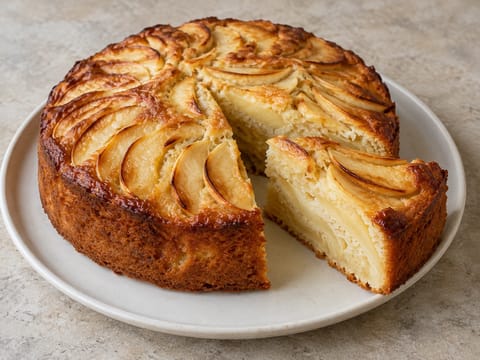
Italian apple and yoghurt cake with lemon and vanilla
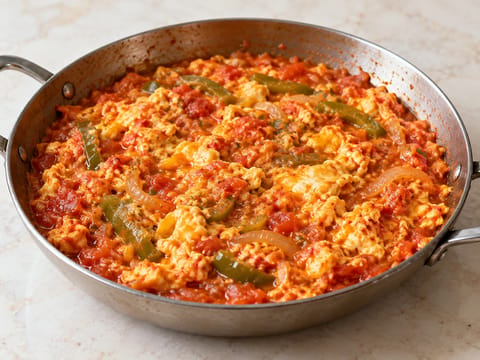
Turkish scrambled eggs with tomatoes, peppers and onion
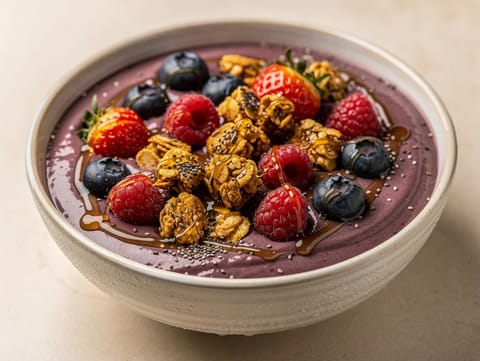
A thick açaí bowl topped with berries and granola.
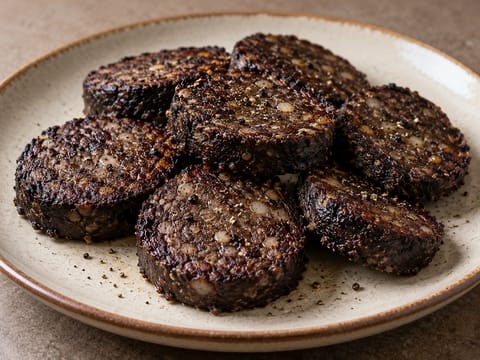
Pan-fried black pudding, crisp outside and tender inside
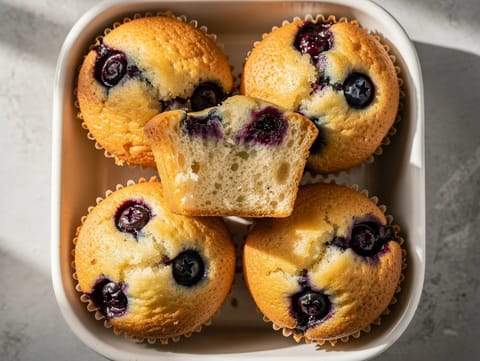
Air fryer muffins with blueberries in a simple sweet batter.
Breakfast often falls into a few reliable formats. There are bowl breakfasts, such as porridge-style grains, yoghurt-based bowls, or fruit-forward combinations. There are hand-held breakfasts, including toast, wraps, muffins and other bakes that can be eaten on the move. And there are cooked breakfasts, where eggs, pancakes, fritters or skillet-style dishes are the centre of the plate. Drinks can also play a breakfast role when they are substantial enough to count, such as smoothies with yoghurt, oats or nut butter. If you are feeding more than one person, recipes that scale easily or cook in batches tend to reduce morning friction.
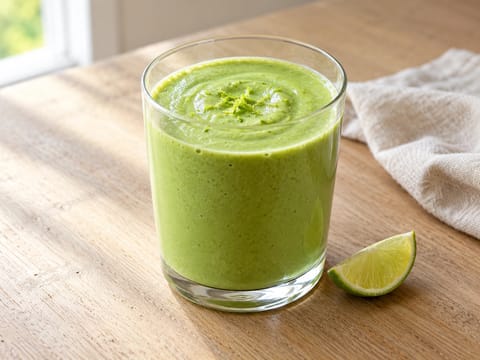
Creamy spinach, avocado and lime smoothie with banana and yoghurt.
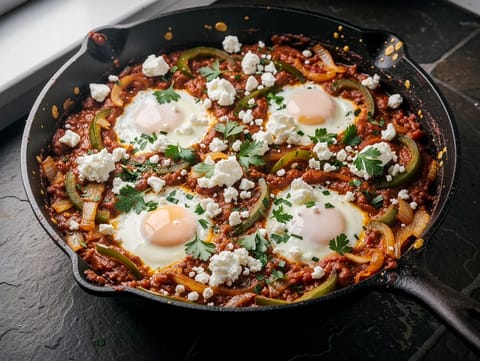
Baked eggs in spiced tomatoes with peppers and feta

Chinese fried dough sticks, puffed and golden
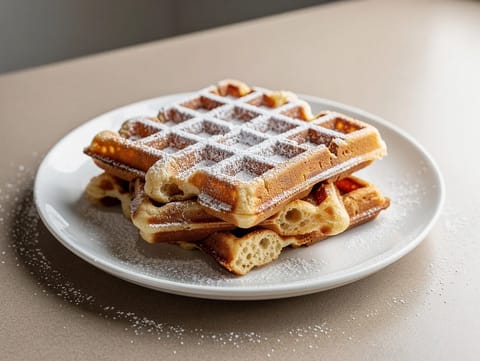
Yeast-raised Belgian waffles dusted with icing sugar
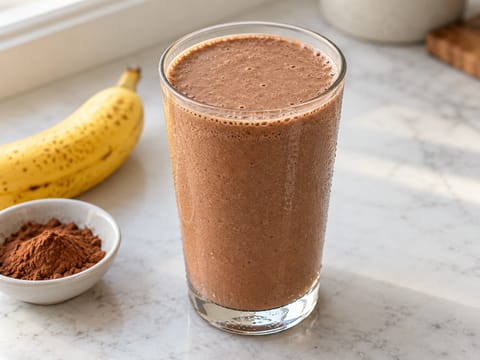
Chocolate banana smoothie with cocoa, peanut butter and whole milk
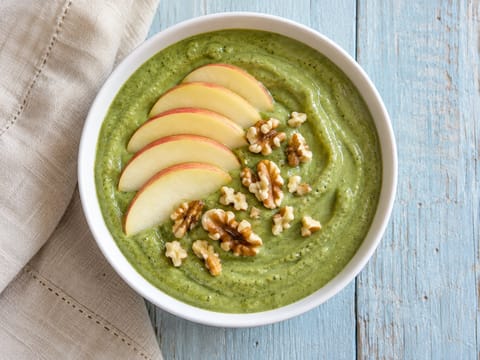
A thick kale smoothie bowl blended with apple and banana.
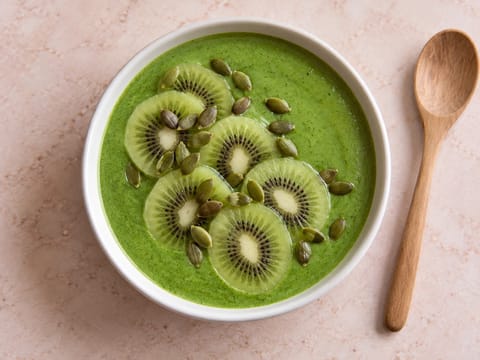
A green smoothie bowl with spinach, cucumber and banana.
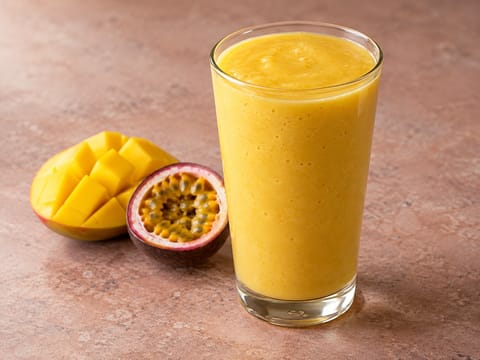
Passion fruit and mango smoothie blended with banana and orange juice.
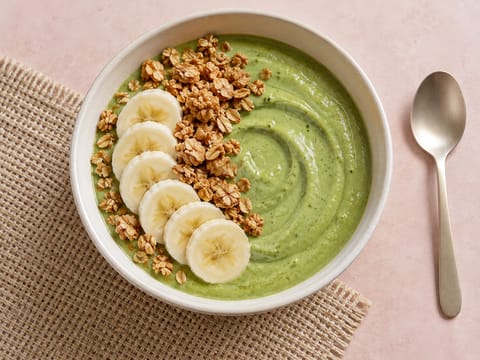
A thick matcha coconut smoothie bowl topped with granola.
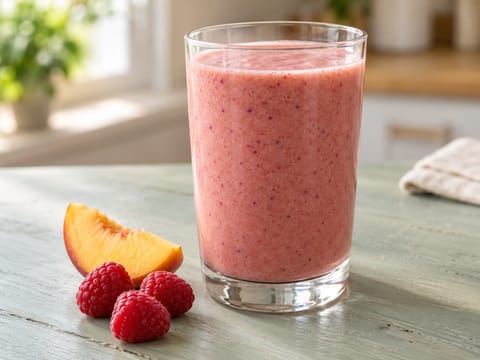
Peaches, raspberries and Greek yoghurt blended into a creamy smoothie.

Buttermilk biscuits cooked in the air fryer and brushed with butter.
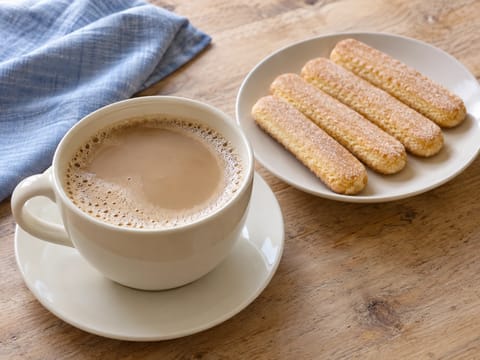
Strong coffee mixed with hot milk, served with biscuits
For the fastest starts, look for breakfasts that are assembled rather than cooked: overnight-style oats, yoghurt bowls, or toast with a topping that doesn’t require a pan. If you want something warmer without much effort, choose recipes that cook unattended once started, such as porridge or baked breakfast dishes. For family breakfasts, it helps to pick a base everyone will eat, then offer optional add-ons at the table: fruit, nuts, seeds, spices, sauces or savoury extras. If you are planning a cooked breakfast, pay attention to sequencing. Recipes that let you prep a batter or chop toppings first, then cook quickly, tend to feel calmer than those that demand constant attention from the start.
Course is a useful next step when you want to narrow breakfast into baking, drinks or lighter plates. Cooking time helps when you are choosing between a true weekday breakfast and something that suits a slower morning.
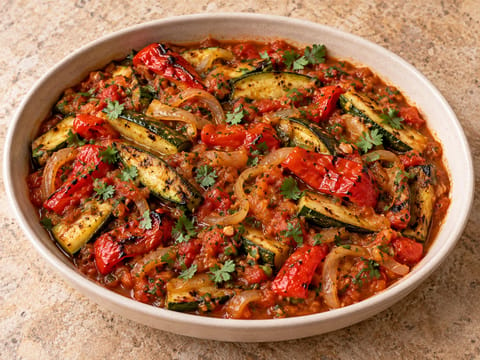
Algarve-style vegetable stew with grilled peppers and courgettes
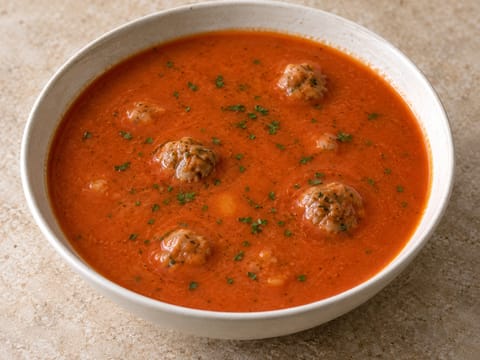
Belgian tomato soup with poached beef and pork meatballs
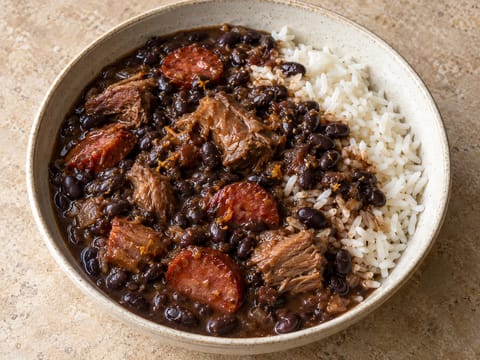
Light feijoada bowl with black beans, pork, chouriço and rice
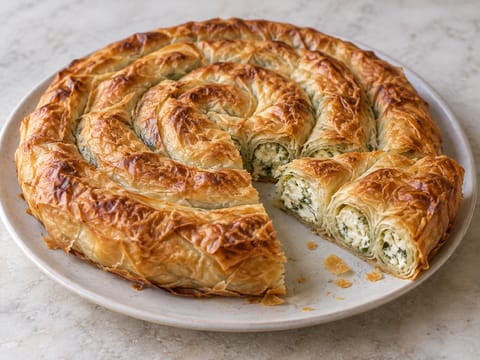
Greek spiral filo pie with feta and dill
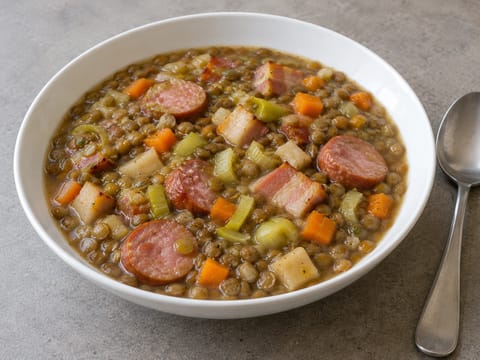
German lentil stew with root vegetables, bacon and sausage
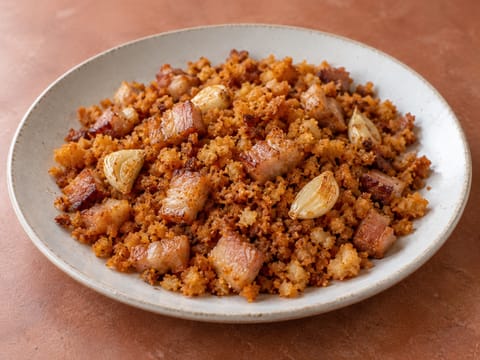
Fried breadcrumbs cooked with pork, garlic and smoked paprika
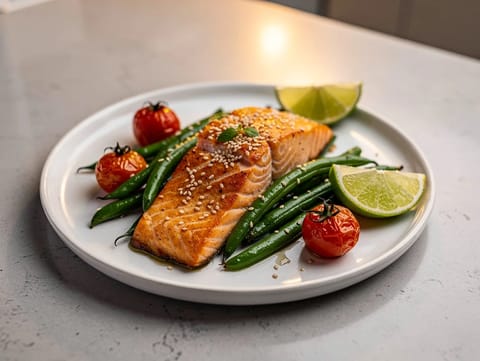
Air-fried salmon with green beans, tomatoes and soy glaze.

Crisp masala chicken wings cooked in the air fryer.
No. Many breakfast-time recipes are savoury, especially those built around eggs, vegetables, beans, cheese or toast. Breakfast is defined by timing, not sweetness.
Look for recipes that are mostly assembly: toast with a topping, yoghurt-based bowls, or make-ahead options you can portion quickly. They rely less on active cooking when the clock is tight.
Choose a neutral base, then let people customise. A bowl breakfast can take different fruits and toppings; toast can take different spreads; cooked eggs can be served with different sides.
Not at all. Cold breakfasts can be just as satisfying, particularly when they include a creamy element and something with crunch or chew for contrast.
Texture and composition matter. Ingredients such as oats, yoghurt, eggs, nuts and wholegrains tend to hold appetite longer than very light bakes or fruit alone.
Decide first whether you are assembling, reheating or cooking from scratch. Once you match the recipe to the reality of your morning, breakfast becomes a routine you can repeat without it feeling monotonous.
