
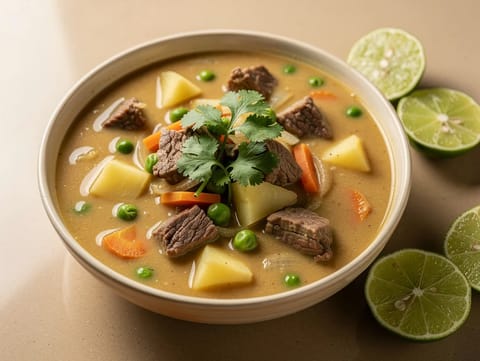
Sopa de Maní (Bolivian Peanut Soup with Beef)
Bolivian peanut soup with beef and potatoes

Dinner is often the meal where you want the plate to feel complete: a clear main element, something vegetable-led, and enough variety in texture to make it satisfying. At the same time, dinner time has to flex around real life, from nights when you can cook properly to nights when you need a simpler route. The most useful way to browse dinner-time recipes is to think in building blocks: what will be the centre of the meal, what can act as the supporting side, and what can be done in parallel so everything reaches the table without a last-minute scramble.
Dinner-time recipes are defined by when they are eaten, not by a single cuisine, technique or level of formality. They can be one-pan dishes, multi-component meals, soups, salads, grills, roasts, pasta, rice dishes and more. What tends to distinguish dinner from earlier meals is the expectation of a fuller plate and a clearer sense of “main and sides”, even if the sides are as simple as a salad or a bowl of vegetables. Dinner also often benefits from recipes that scale, because it is a common moment to cook for more than one person. That said, dinner can be light or substantial, depending on appetite, season and what the rest of the day has held.
Bolivian peanut soup with beef and potatoes
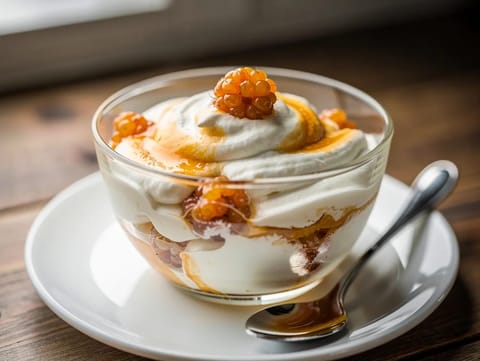
Cloudberries folded into lightly sweetened whipped cream
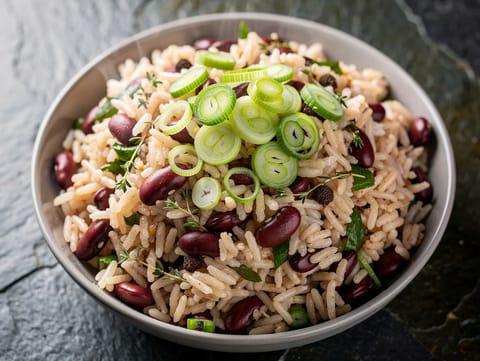
Coconut rice with kidney beans, thyme and allspice
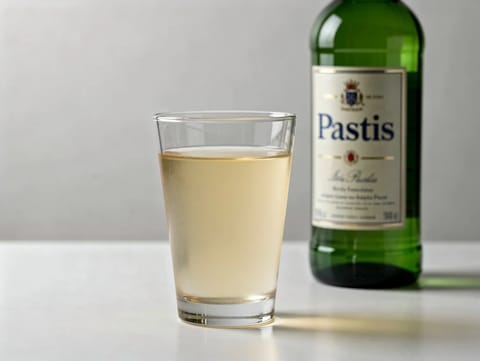
French pastis diluted with cold water until cloudy

Custard-soaked brioche French toast with crème fraîche and maple syrup
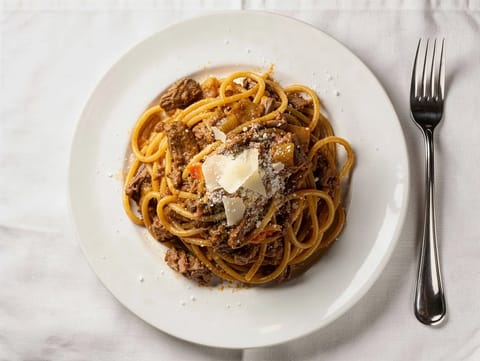
Spaghetti with onion-braised beef sauce and Parmesan
Many dinner-time recipes naturally fall into a few practical formats. There are complete-in-one dishes, such as stews, curries, tray bakes and pasta bakes, where the side can be optional. There are “main plus side” meals, such as grilled or roasted proteins with vegetables and a starch. And there are lighter dinners, where a substantial salad, soup, or vegetable-led dish is the main event, sometimes supported by bread or grains. Sauces, dressings and condiments matter at dinner because they can turn simple ingredients into a coherent plate, and they often allow you to vary the meal without changing the core method.
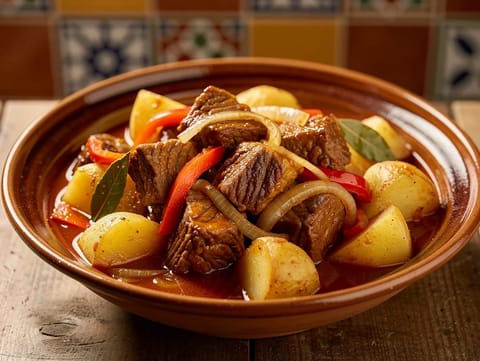
Spanish beef stew with red wine, peppers and paprika
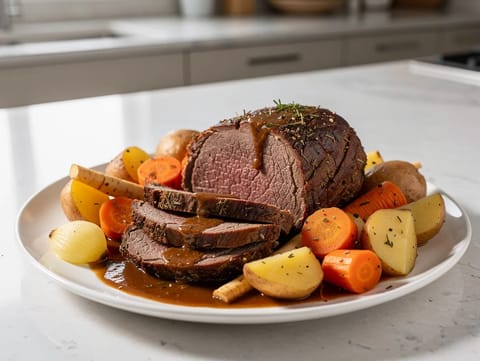
Slow cooker beef pot roast with potatoes, carrots and parsnips
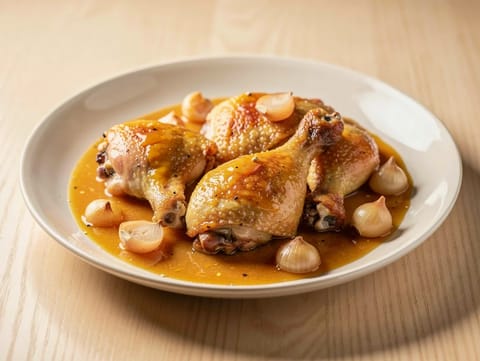
Chicken braised with shallots in a tangy vinegar sauce
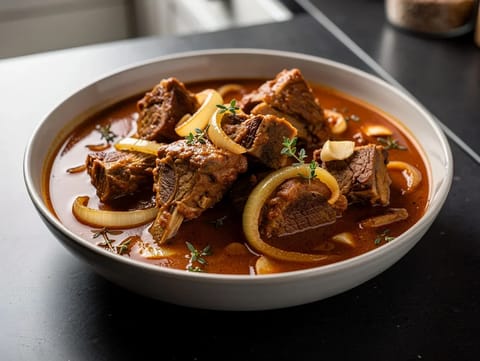
Slow-cooked curry goat with allspice and Scotch bonnet
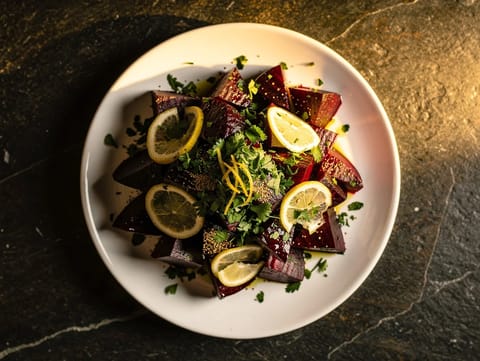
Beetroot salad with lemon, cumin and fresh parsley
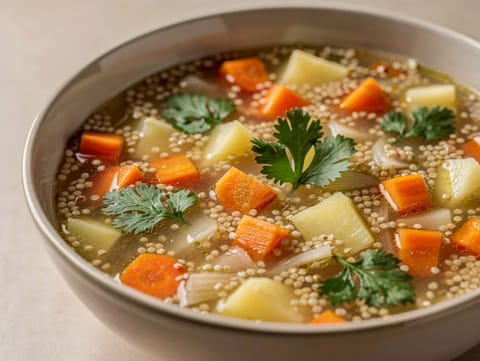
Peruvian quinoa soup with vegetables and fresh coriander
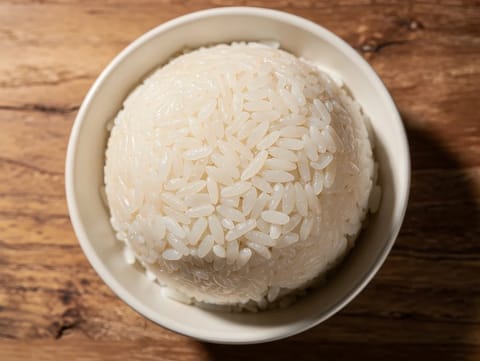
Thai sticky rice steamed from soaked glutinous rice
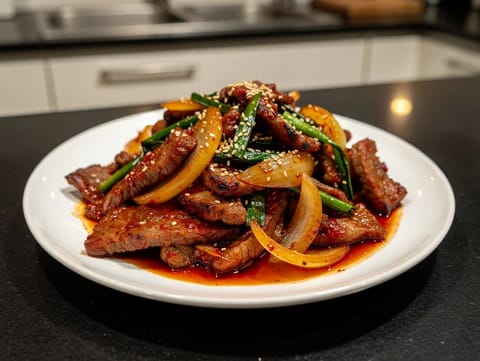
Spicy Korean pork stir-fry with onion and spring onions
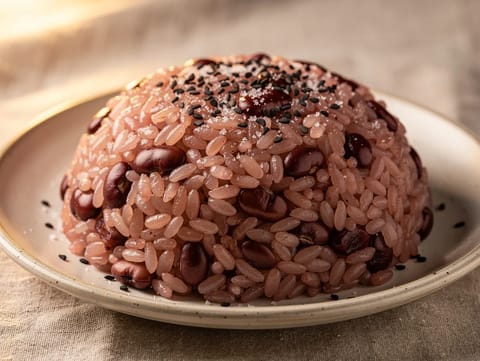
Glutinous rice cooked with adzuki beans and black sesame
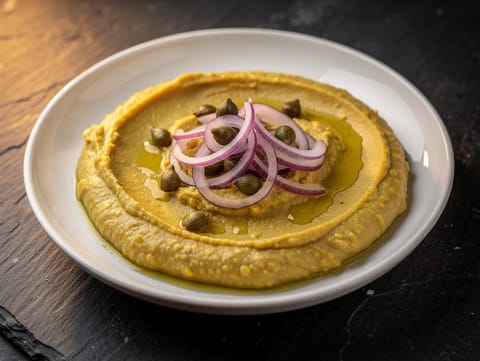
Creamy Greek split pea purée topped with lemon and capers
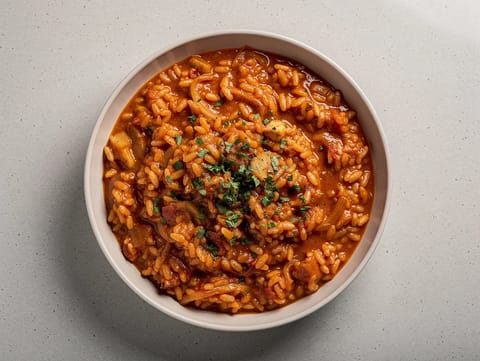
Creamy Portuguese tomato rice with onion, garlic and parsley
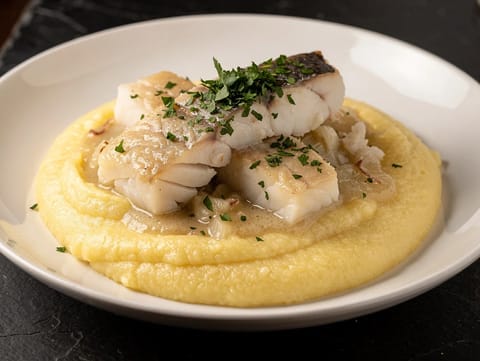
Slow-braised salt cod with onion, anchovy and olive oil
If you need a low-fuss dinner, look for recipes with a short ingredient list and a straightforward method, ideally with one main cooking vessel. If you have time but want less hands-on work, oven-based dinners can be practical because they free you up while they cook. For a balanced plate, pair a rich or starchy main with something green or sharp: a salad, steamed greens, roasted vegetables, or a quick pickle can provide contrast. If you are feeding a household, recipes that allow small adjustments at the table are often easier than cooking separate meals. Think build-your-own bowls, serve-yourself toppings, or sides that can be added or left off.
Course is a helpful companion to dinner time when you want to add a side dish, starter or dessert without guessing what will fit. Cooking time is the simplest way to separate quick dinners from slower, simmered or oven-cooked options.
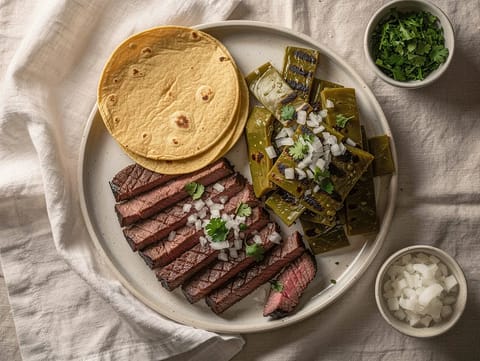
Grilled skirt steak and nopales served in corn tortillas
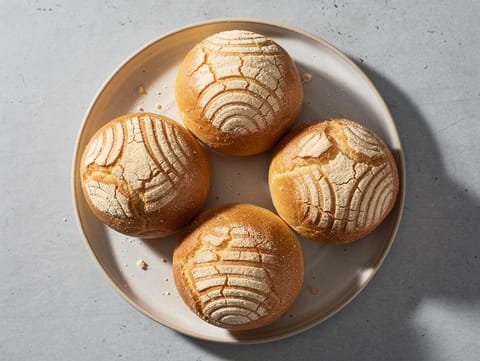
Soft conchas with a crackly vanilla sugar topping
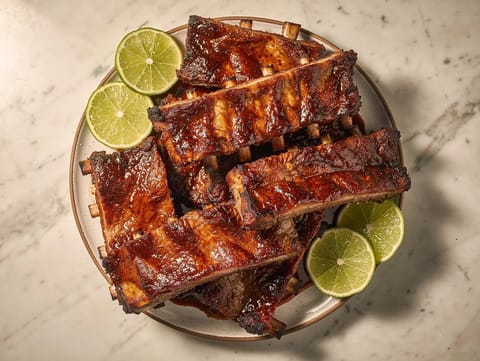
Roasted pork ribs in smoky adobo with a glossy glaze

Italian lemon and basil sorbet churned smooth and frozen
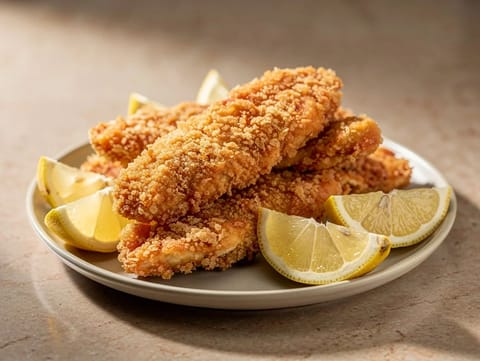
Panko-coated chicken tenders air fried until extra crispy.
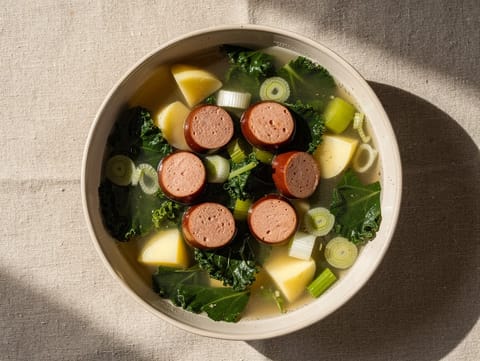
Dutch kale and potato soup served with smoked sausage
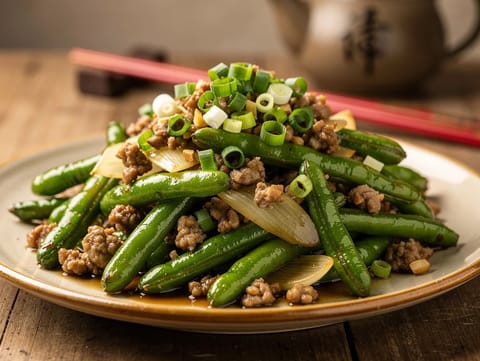
Blistered green beans stir-fried with minced pork and soy sauce
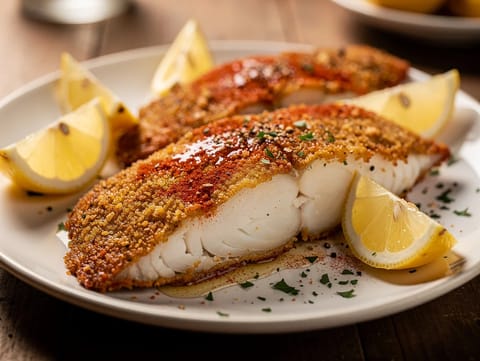
Breadcrumbed cod fillets cooked until flaky and golden.
No. Dinner can be hot or cold. What tends to matter more is that it feels complete, whether that is a composed salad with bread, a soup with toppings, or a cooked main with sides.
Choose one main recipe, then add a simple vegetable side or salad for contrast. A quick dressing, salsa or yoghurt sauce can also make a plate feel more rounded.
Dishes that scale and serve themselves are usually simplest: tray bakes, stews, pasta bakes, or bowl-style meals with toppings. They reduce the need to time individual portions.
Look for dinners with clear parallel steps: something that can roast or simmer while you prep a salad, cook grains, or make a sauce. Recipes that rest well also take pressure off timing.
Yes. A lighter dinner often relies on a satisfying base, such as beans, eggs, grains or bread, plus fresh elements and a punchy dressing or topping.
Choose a centrepiece you can execute confidently, then add one contrasting element, something fresh, crunchy or sharp. Dinner time is easier when the meal is built from a few reliable parts rather than a long list of separate dishes.
