
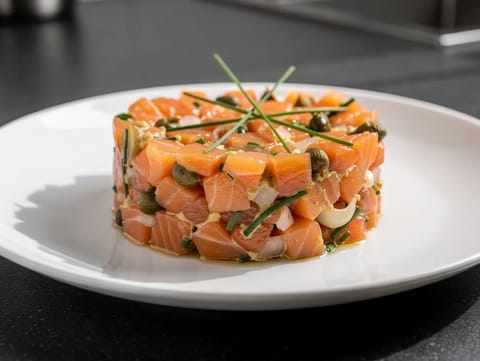
Tartare de Saumon (French-Style Salmon Tartare)
French-style salmon tartare with capers, Dijon and lemon

Lunch sits in the middle of the day, so it often needs to be quick to assemble, easy to portion and satisfying without feeling heavy. The most useful lunch recipes are the ones that travel well from kitchen to desk, or that can be put on the table with minimal fuss when everyone is at home. Think in terms of balance and texture: something crisp or fresh, something filling, and a dressing or sauce that keeps it interesting even when eaten at room temperature.
Lunch time recipes suit the midday window, whether you eat at home, pack food to take out, or graze between meetings. That usually favours dishes that are good warm or at room temperature, and that do not rely on last-second timing to taste right. It also tends to reward clean, distinct flavours: sharp dressings, herbs, pickles, citrus, yoghurt and mustard all read clearly at lunchtime. Lunch does not automatically mean small, cold or “healthy”, though. A bowl of soup, a toasted sandwich or a rice dish can be lunch too, as long as it fits the pace and appetite of the middle of the day.
French-style salmon tartare with capers, Dijon and lemon
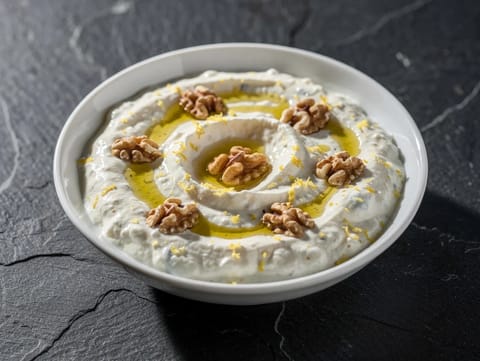
Chilled walnut and yoghurt sauce with garlic and lemon
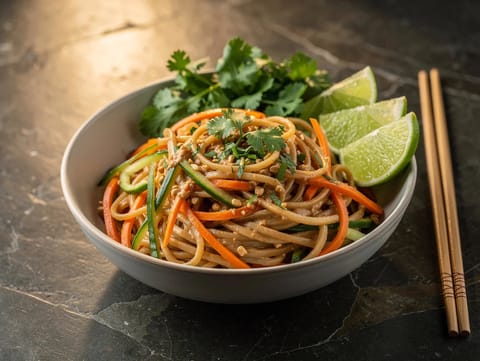
Rice noodles in chilli peanut sauce with crunchy veg
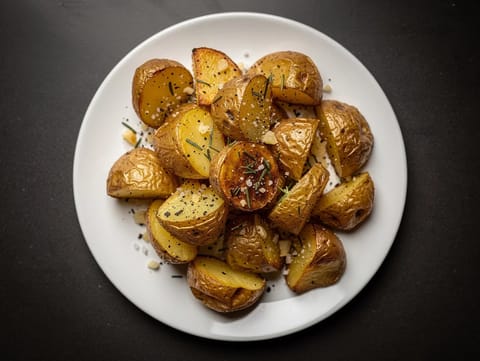
Crisp air fryer roast potatoes with rosemary and garlic.
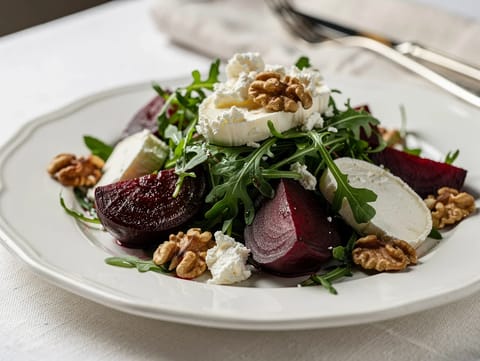
Roasted beetroot salad with goat’s cheese, rocket and walnuts
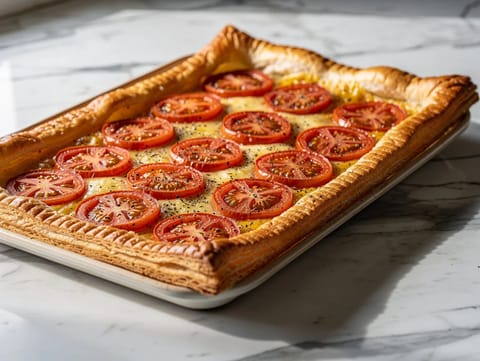
Puff pastry tart with Dijon mustard, tomatoes and Gruyère
A strong lunch often has a clear centre and one supporting element. That might be a salad with a protein or pulse base, a grain bowl with vegetables and a punchy dressing, or a sandwich that stays neat rather than collapsing into sogginess. You will also see lunches built around leftovers, where yesterday’s roast vegetables become a wrap filling, or cooked grains turn into a quick salad with chopped herbs and a simple vinaigrette. For family lunches, look for dishes that scale easily and can be served in components, such as a platter-style spread where everyone builds their own plate.

Chilled Turkish yoghurt drink whisked with water and salt
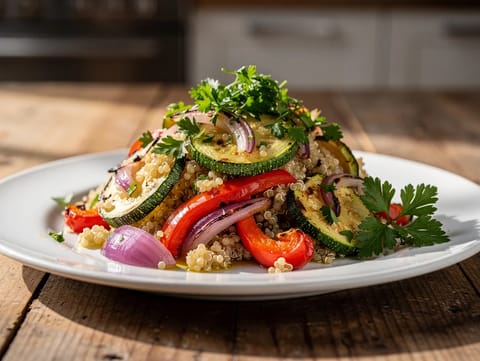
Quinoa salad with roasted courgette, pepper and onion
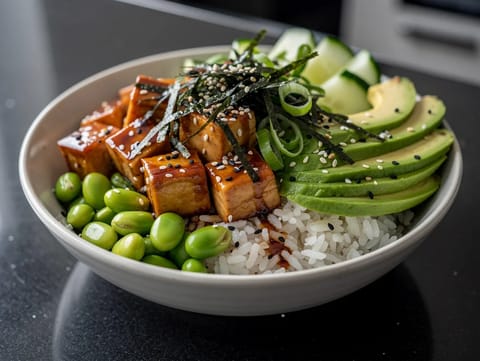
Vegetarian poke bowl with tofu, sushi rice and vegetables.
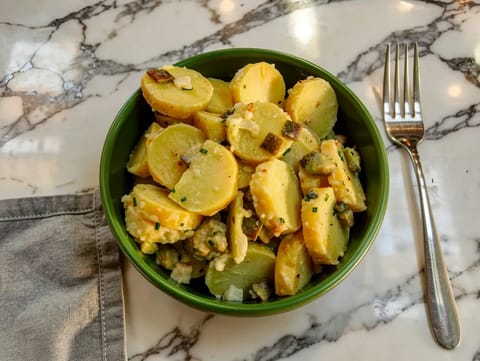
German potato salad with vinegar, mustard and parsley
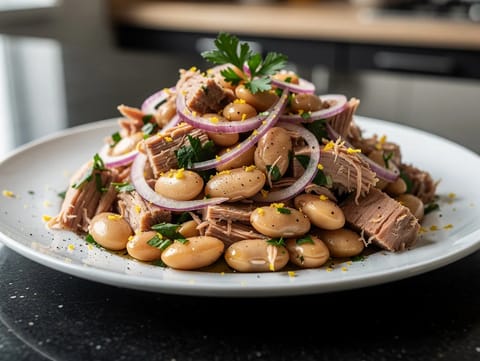
Tuna and cannellini bean salad with lemon and olive oil
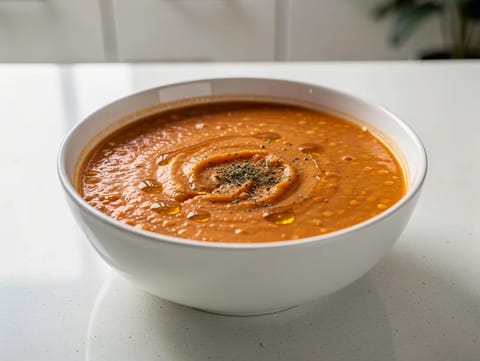
Smooth Turkish red lentil soup with vegetables and lemon
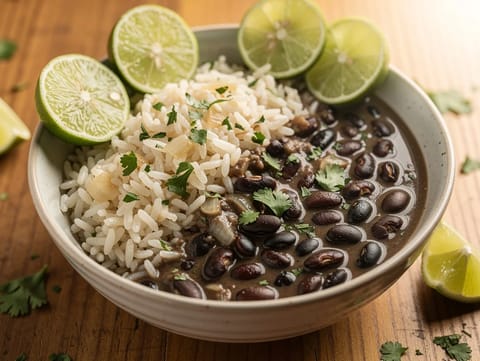
Rice with creamy black beans, lime and coriander
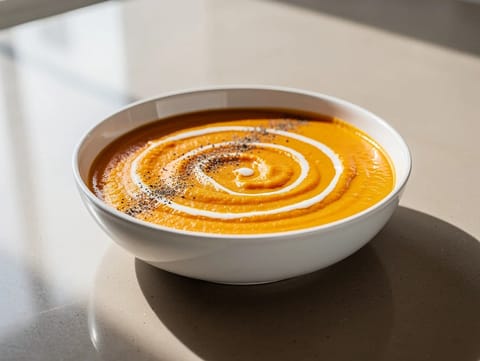
Silky carrot soup finished with coconut milk and lemon
Chilled walnut and yoghurt sauce with garlic and lemon
Crisp air fryer roast potatoes with rosemary and garlic.
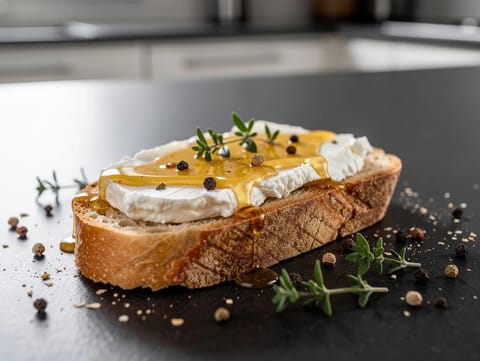
Toasted sourdough tartine with goat’s cheese and honey
Rice noodles in chilli peanut sauce with crunchy veg
If you need something that holds up for later, favour sturdy ingredients and keep wet elements separate. Dressings, juicy tomatoes and hot fillings can be packed in their own container, then added just before eating. If you are eating immediately, you can lean into contrast: warm grains with a cold yoghurt sauce, or a crisp salad alongside something creamy. For a lighter-feeling lunch, choose recipes that use acidity and herbs for lift, and that include crunch from raw vegetables, toasted seeds or croutons. For a more filling lunch, look for beans, lentils, eggs, cheese, fish or meat, and for breads and grains that have some chew rather than a soft, sweet crumb.
If you want lunch to feel complete, it helps to browse by Course, so you can pair a main with a side, soup or small sweet without overcomplicating the meal. Cooking time is also useful at lunchtime, because the difference between a quick assembly and a longer cook often decides whether a recipe suits a working day or a slower weekend lunch.
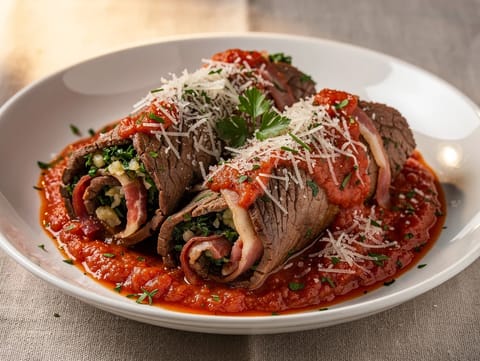
Stuffed beef rolls in tomato sauce
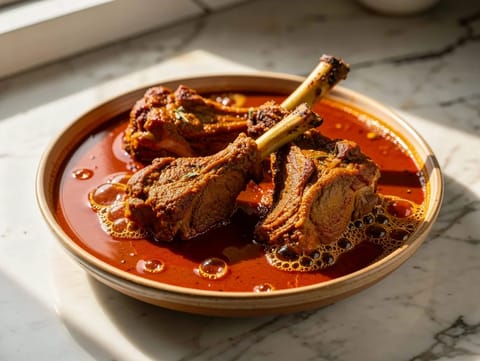
Fiery Rajasthani mutton curry with dried red chillies and yoghurt
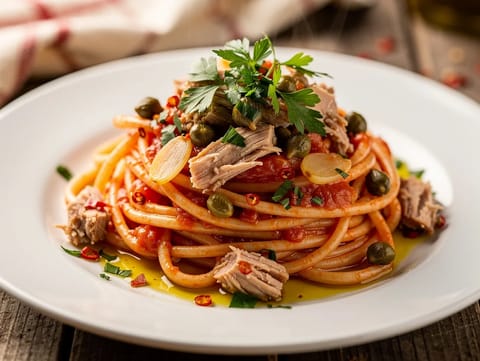
Spaghetti with tuna, tomato, capers and parsley
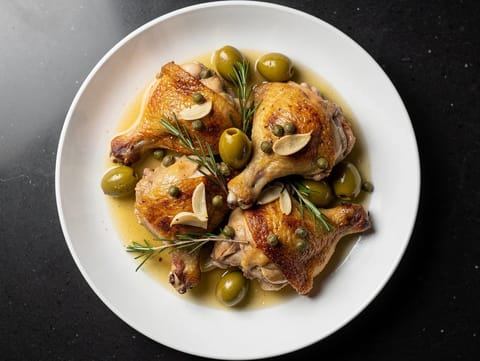
White wine braised chicken with olives and capers
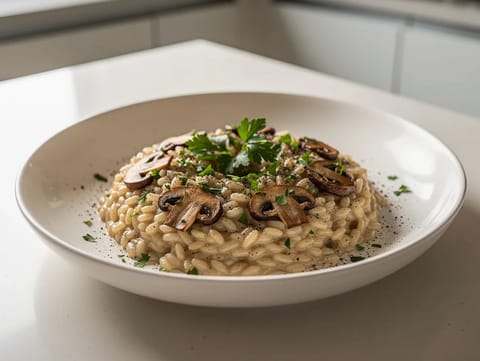
Creamy porcini mushroom risotto finished with butter and Parmesan

Mint lemonade blended with fresh mint, lemon juice and sugar
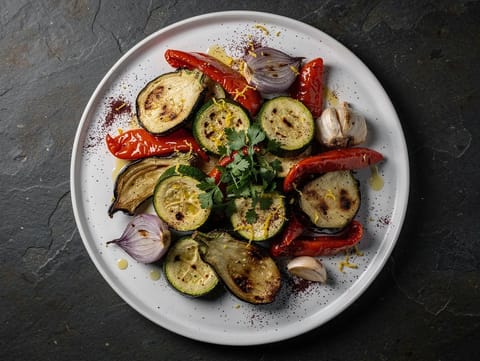
Roasted aubergine, courgette, pepper and onion with sumac
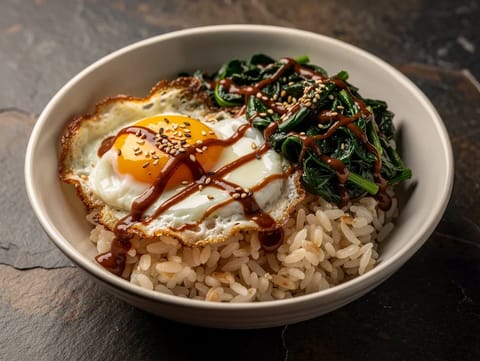
Rice bowl with sautéed spinach, fried egg and gochujang dressing
Not necessarily. Lunch often works well as a simple combination, such as a soup plus bread, a salad plus something warm, or a sandwich with fruit or a small side. The key is that the parts can be served or packed without lots of last-minute cooking.
Packable lunches usually keep their texture for a few hours. Ingredients that weep moisture, or anything that needs to stay crisp, are best kept separate until you eat. Sauces and dressings in a small pot make a big difference.
Many are fine cold, but lunch can just as easily be warm. Dishes that taste good at room temperature are especially practical, because they do not depend on perfect reheating.
Use a barrier layer. Butter, mayonnaise, hummus or a slice of cheese can protect the bread from wet fillings. Keep tomatoes, cucumbers and dressed salads separate until serving when possible.
Choose recipes with bright flavours and varied texture. A sharp dressing, herbs, citrus and crunchy vegetables can make a full portion feel less heavy than a uniformly soft, rich dish.
Yes. Leftovers often improve when you add one fresh element and one strong seasoning. Think chopped herbs, a quick pickle, a squeeze of lemon, or a spoonful of yoghurt or chilli sauce to reset the flavours.
When you choose lunch recipes with good texture and clear flavours, they stay appealing even when the day gets busy. Start with what you need from lunch today: something light and fresh, or something more substantial, then let cooking time and course guide the final shape of the meal.
