

Vacherin Glacé (Meringue and Ice Cream Dessert)
Frozen dessert of meringue, vanilla ice cream and raspberries

Baking is steady, dry oven heat that sets structure: batters rise, custards firm, pastry crisps and casseroles cook through. It can be quick and low-effort once the oven is hot, but it is less forgiving of guesswork than many hob methods because you cannot easily “stir it back” if the centre is underdone.
This page helps you choose baked recipes that fit your time and attention, and avoid the small mistakes that most often lead to uneven results.
Baking covers far more than cakes. It includes breads and rolls, biscuits and traybakes, pies and tarts, roasted-style vegetable bakes, pasta bakes, gratins and oven-set desserts. What these share is an oven doing the main work, with heat surrounding the food rather than coming from direct contact with a pan.
Baking does not automatically mean slow cooking. Thin items, small portions and sheet-pan bakes can be relatively fast once preheated. It also does not automatically mean hands-off: some recipes need careful mixing, resting, shaping or staged baking to get the right rise, flake or set.
Frozen dessert of meringue, vanilla ice cream and raspberries
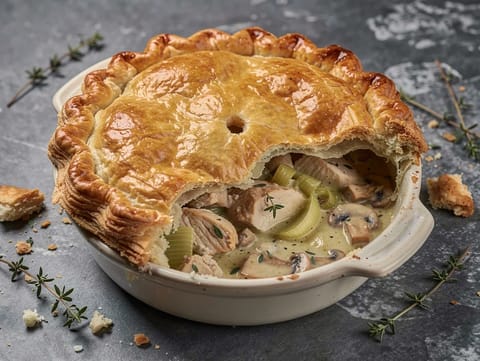
Chicken and leek pie with mushrooms and puff pastry
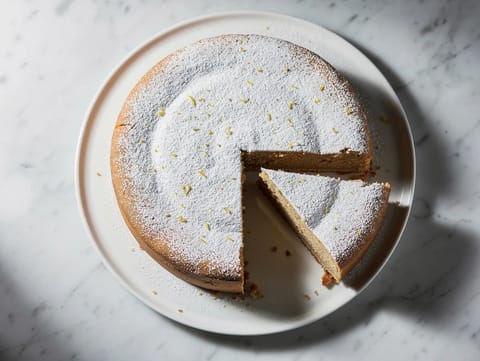
Spanish almond cake dusted with icing sugar
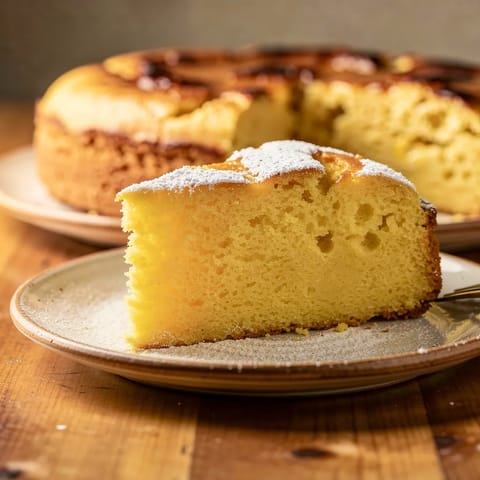
Mexican corn cake made with sweetcorn
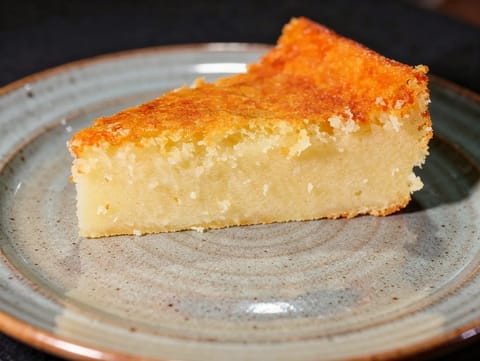
Dense Portuguese almond cake finished with icing sugar
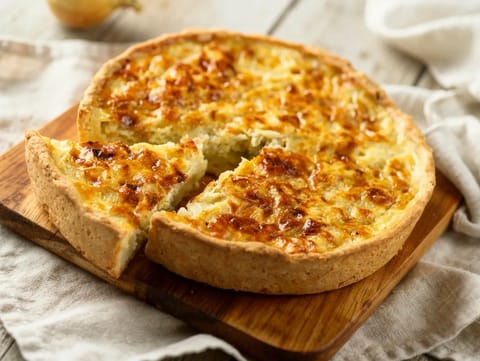
German yeasted onion tart with bacon and crème fraîche
Most baked recipes rely on three things: consistent oven temperature, the right vessel, and a clear doneness cue. Temperature affects how quickly the outside colours before the inside sets. The baking vessel controls heat flow: metal browns more readily, glass and ceramic hold heat longer, and deep dishes slow cooking through the centre.
You will often see steps that look fussy but have a purpose, such as preheating a tray for better crust, leaving space between items for airflow, or resting a bake so steam redistributes and the structure firms. When time is tight, recipes with fewer stages and a single bake tend to be the most predictable.
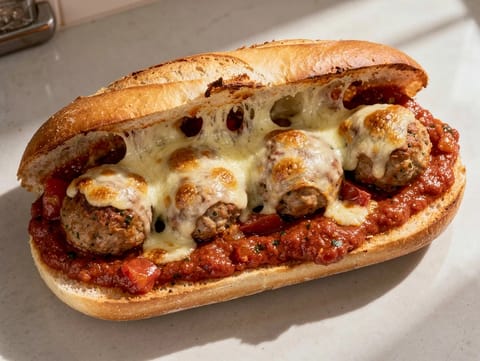
Turkey meatballs in passata sauce baked in rolls with mozzarella

Baked cod with creamy parsley sauce and new potatoes
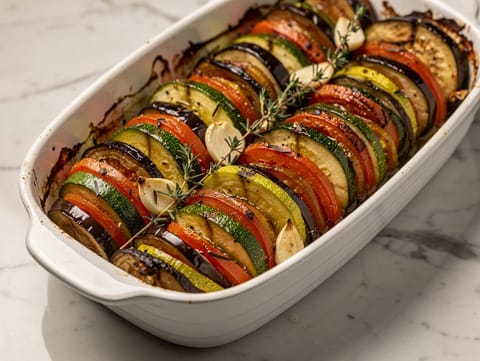
Baked aubergine, courgette and tomato with garlic and thyme
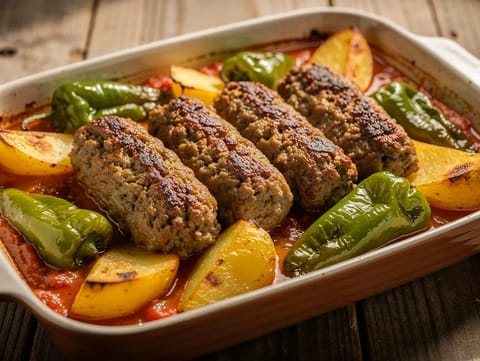
Turkish baked meatballs with potatoes and peppers in tomato sauce
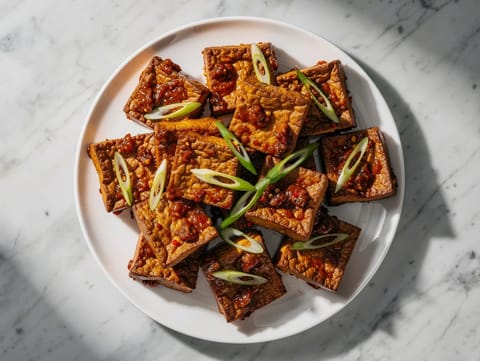
Crispy baked tofu tossed in miso chilli sauce
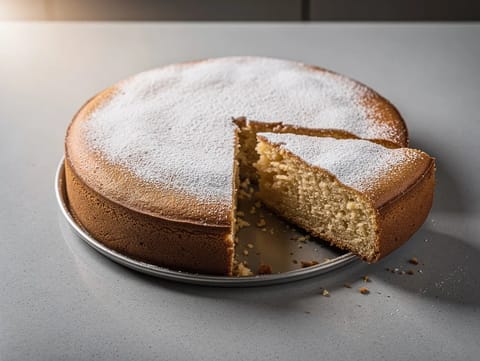
Buttery Greek cake with orange and vanilla

Soft Dutch sponge cakes topped with smooth pink icing
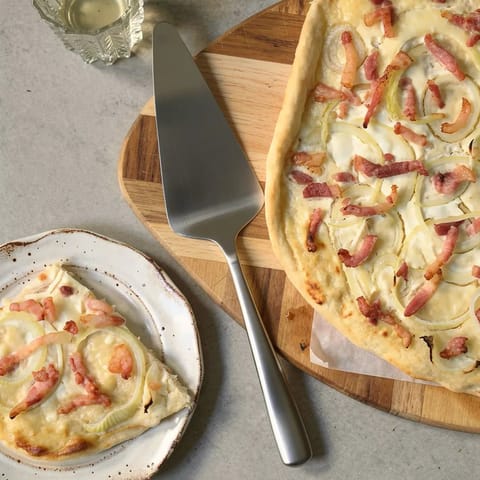
Thin, crisp flatbread with crème fraîche, onion and bacon
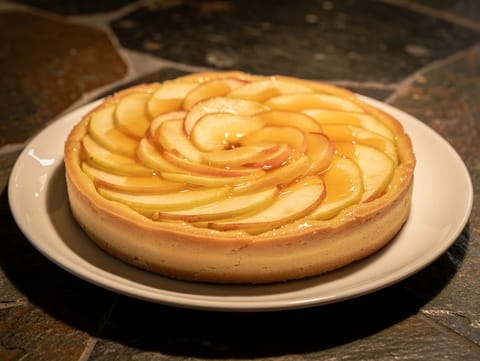
Spanish apple tart with custard and apricot glaze
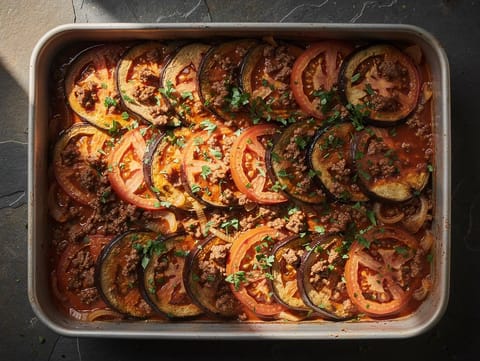
Iraqi aubergine bake with minced beef and tomatoes
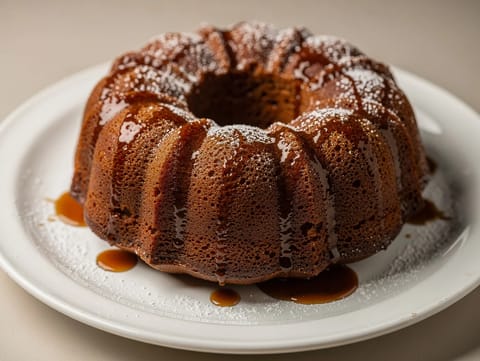
Buttery rum cake soaked with warm dark rum syrup
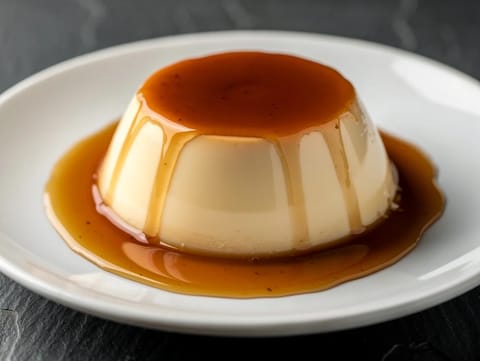
Silky baked caramel custard turned out with caramel sauce
If speed matters, factor in preheating and choose recipes that bake in a shallow layer or as smaller pieces. Using the correct tin size is also a time decision: a deeper batter takes longer to set and is more likely to brown before it is cooked through.
For savoury bakes, cutting ingredients to an even size is the simplest way to avoid a dish where some pieces are soft and others are dry. For sweet baking, measure carefully and mix only as much as the recipe needs. Overmixing can develop gluten in wheat-based batters, which often shows up as a tougher crumb rather than a tender one.
The most frequent problem is an over-browned top with an undercooked middle. This often comes from an oven running hot, a tin that is too small or too deep, or placing the dish too high in the oven. Another common issue is dryness, usually from baking past the point of set. Many bakes continue to firm as they cool, so the best cue is often “just set” rather than “completely firm”.
Finally, opening the oven door too early can collapse delicate rises, especially in cakes and soufflé-like batters. If a recipe depends on lift, wait until the structure has had time to set before checking.
Cooking time is particularly useful for baking because it captures both oven time and the hidden time around it, such as preheating and cooling. Difficulty can also clarify what a recipe asks of you: some bakes are simply mix-and-bake, while others depend on confident shaping, folding or timing.
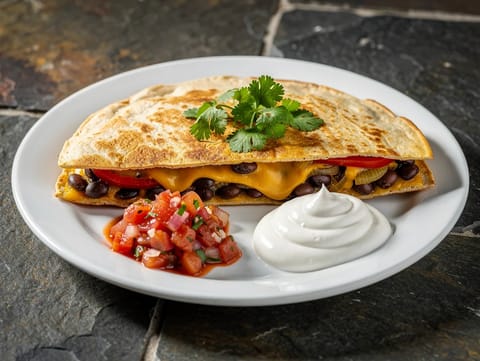
Crisp quesadilla with black beans, cheddar and peppers
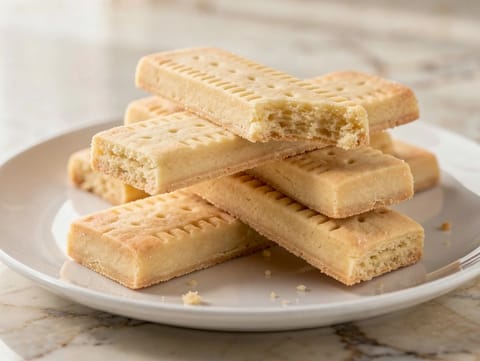
Buttery Scottish shortbread baked until pale gold
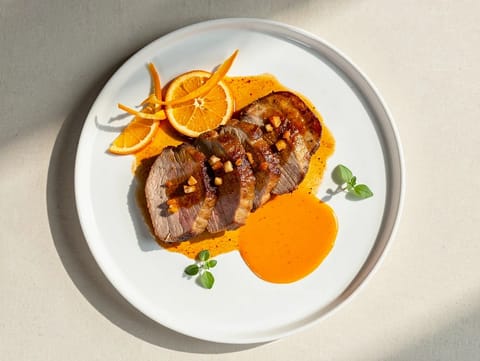
Seared pork loin simmered in a glossy orange sauce
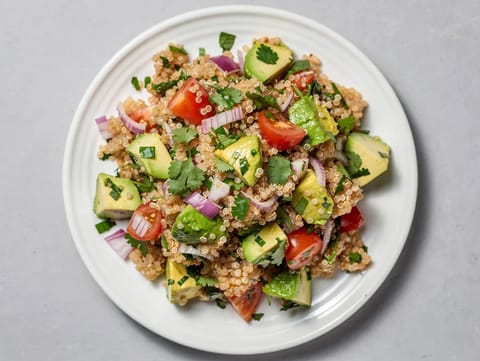
Quinoa salad with avocado, tomato, red onion and lime

Polish dried fruit drink simmered with cinnamon and cloves
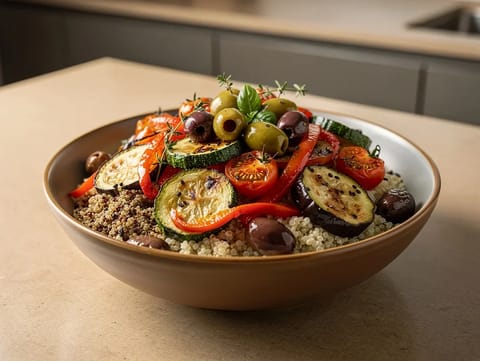
Quinoa bowl topped with roasted vegetables, olives and lemon
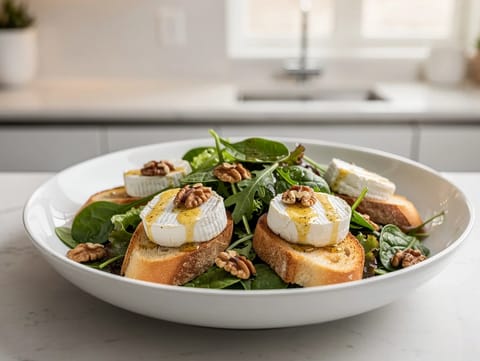
Green salad topped with warm goat’s cheese and toasted baguette
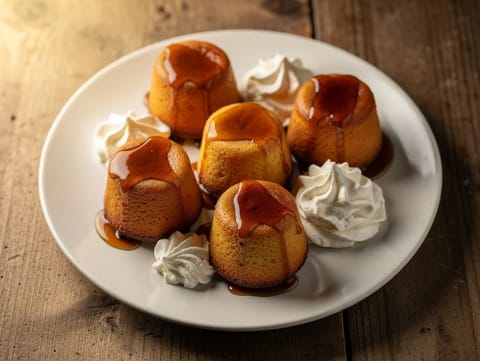
Rum-soaked yeasted sponge cakes served with whipped cream
They overlap. Baking often refers to batters, doughs and dishes that set into a sliceable structure, while roasting is more commonly used for uncovered meats and vegetables where browning and evaporation are the main goals. Many savoury “bakes” behave like roasting in a dish.
Common causes include opening the oven too early, underbaking (the centre never set), or too much raising agent. An oven that runs cool can also leave the structure fragile.
Not always. Fan ovens move hot air, which can brown faster and dry surfaces more quickly. Some recipes are written for conventional heat to give a gentler rise. If you switch modes, you may need to adjust temperature and timing.
Look for the cue that matches the recipe: a clean skewer for cakes, bubbling at the edges for casseroles, a deep golden colour for pastry, or a slight wobble for custards that will set as they cool.
Soggy bases usually come from trapped steam or a filling that releases a lot of liquid. Recipes may use a hot tray, blind baking, or a barrier layer to help the base crisp before the filling fully cooks.
The oven does the cooking, but effort can shift earlier: mixing, kneading, proving, chilling dough, or assembling layers. If you want low-effort, choose bakes with fewer stages and simple assembly.
Baking is at its easiest when the recipe gives clear cues and uses a forgiving format, such as a shallow traybake or a simple casserole. Once you know what tends to go wrong in your oven, you can choose bakes that suit it and get consistent results.
