
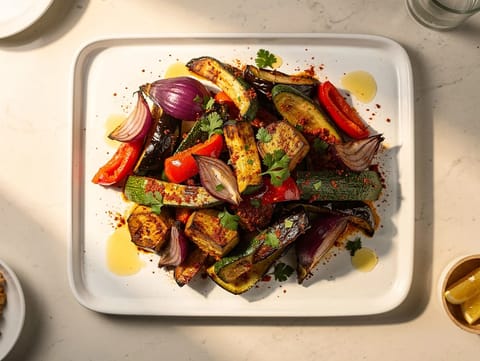
Moroccan Harissa Roasted Vegetables
Harissa-roasted vegetables finished with lemon and coriander

Roasting is dry heat in the oven, with enough space and heat for surfaces to brown while the inside cooks through. It is the method behind crisp-edged vegetables, golden chicken skin, and trays of fruit that turn jammy at the edges.
If you are choosing roast recipes for speed, the key is not just the clock time but the shape and size of what goes into the oven. Small pieces roast quickly; large joints reward patience and careful temperature control.
Roasting relies on hot, dry air and radiant heat from the oven walls and tray. That encourages browning and a slight drying of the surface, which is why roast food often tastes more concentrated than boiled or steamed versions. It also means moisture management matters: crowded trays trap steam and push you towards softer, paler results.
Roasting does not automatically mean high heat. Some recipes use a moderate oven to cook evenly before finishing hotter for colour, while others start hot to set a crust and then reduce the temperature. The right approach depends on thickness, fat content and how much browning you want.
Harissa-roasted vegetables finished with lemon and coriander
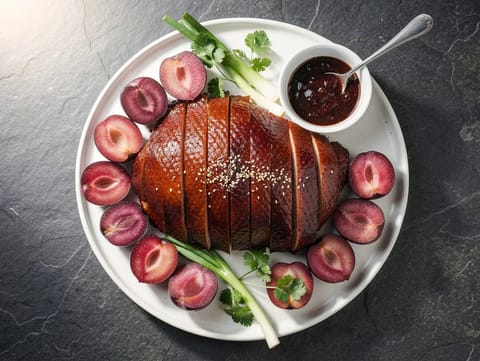
Cantonese roast duck with crisp skin and plum sauce
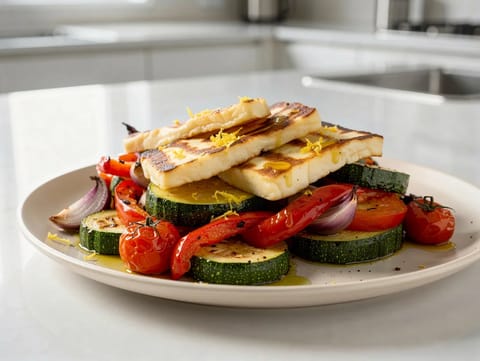
Halloumi traybake with roasted courgette, pepper and tomatoes
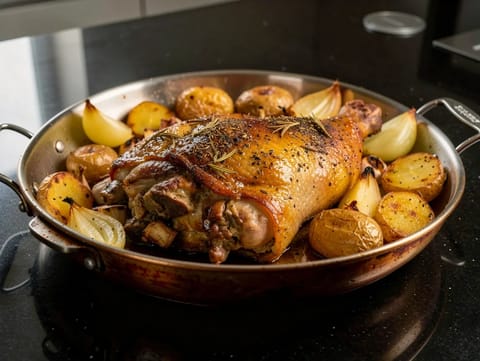
Greek slow-roasted lamb with lemon, oregano and potatoes
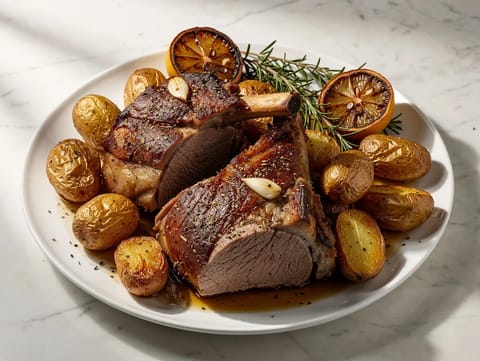
Greek-style roast lamb with lemon, garlic and tray potatoes
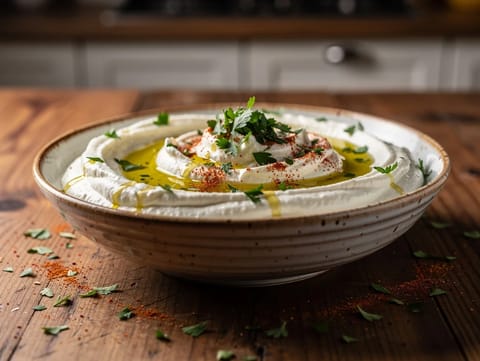
Roasted aubergine dip mixed with yoghurt, garlic and lemon
Look first at the ingredient prep. A recipe that asks for small, evenly cut pieces will usually cook more predictably than one with mixed sizes. For vegetables, wedges and florets roast differently: wedges keep a firmer centre; florets give more browned edges. For meat, thickness matters more than weight for timing, and bone-in cuts often cook differently from boneless.
If you want a faster roast, choose recipes that use spatchcocked poultry, thin fillets, or chopped vegetables rather than whole birds or large joints. If the recipe includes a sauce or glaze, check when it is added, because sugars can darken quickly in a hot oven.
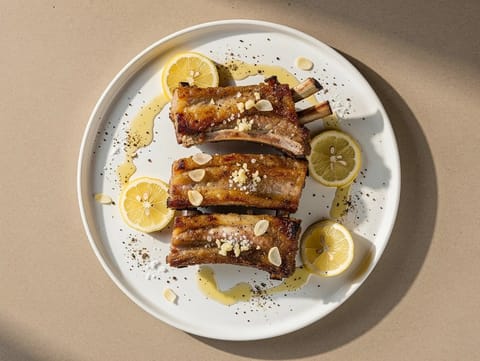
Paprika-roasted pork ribs with garlic, olive oil and lemon
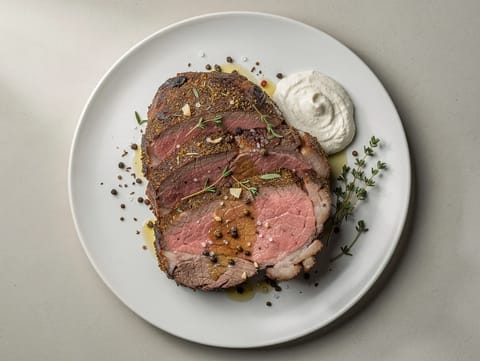
Slow-roasted prime rib with horseradish cream
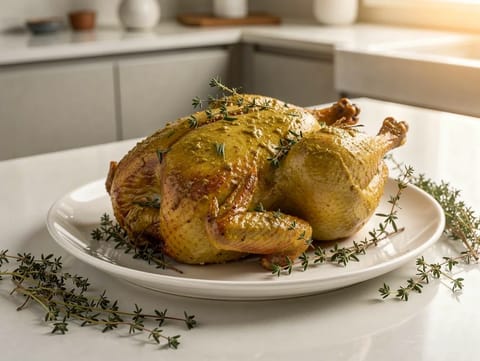
Roast chicken coated with Dijon mustard, thyme, garlic and shallots
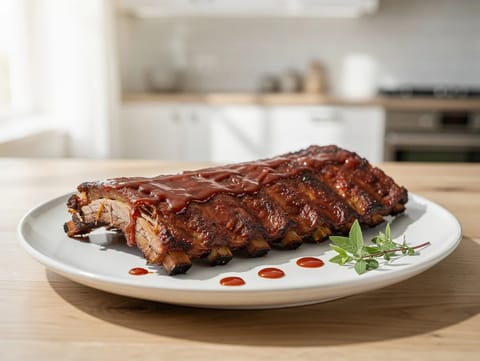
Tender baby back ribs caramelised with barbecue sauce
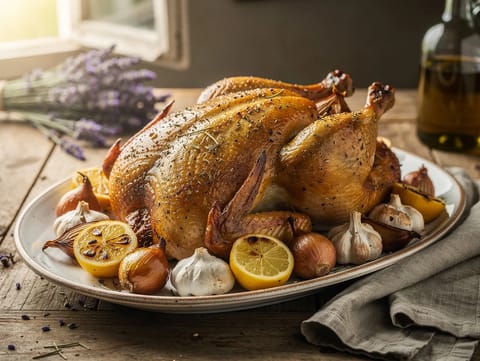
French roast chicken with herbs and lemon
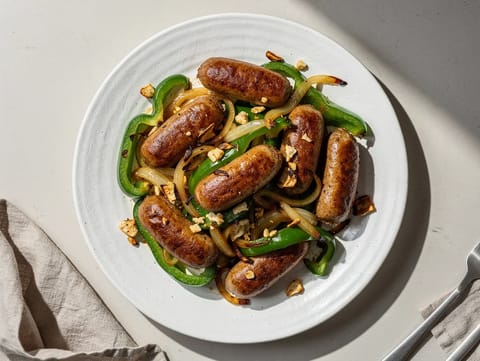
Roasted Italian sausage with peppers and onions on one tray
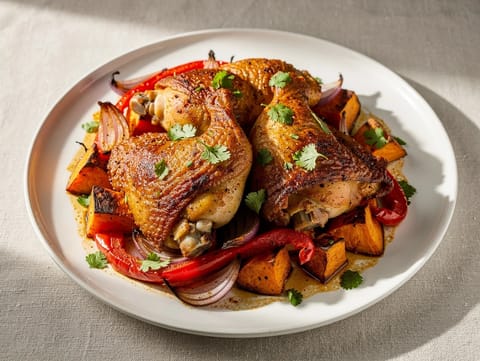
Jerk chicken traybake with sweet potato and peppers
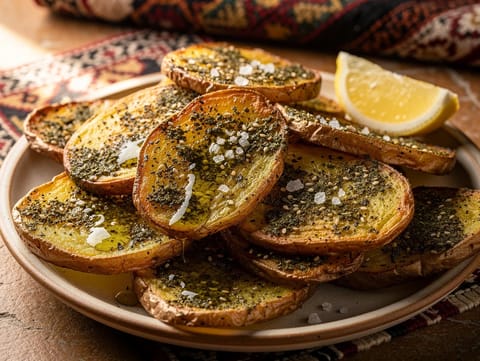
Oven chips tossed with za'atar, lemon and sea salt
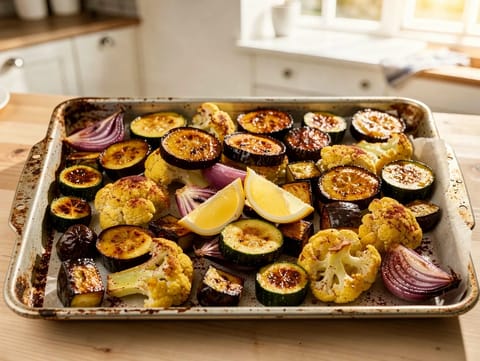
Roasted vegetables with sumac, lemon and olive oil
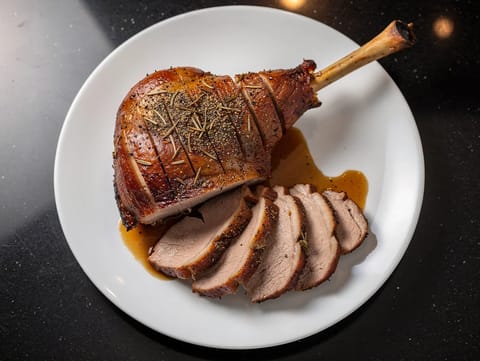
Roast suckling lamb with garlic, rosemary and white wine
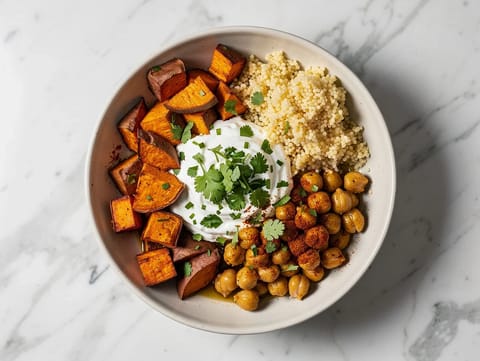
Roasted sweet potato bowl with couscous, chickpeas and yoghurt
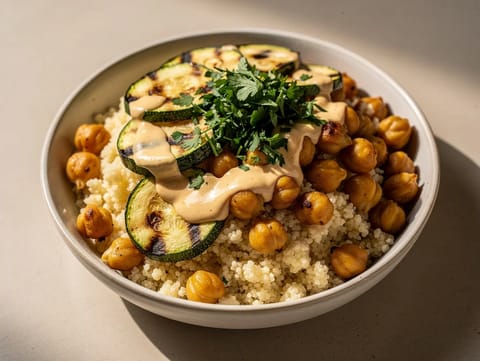
Cauliflower couscous bowl with chickpeas, courgette and tahini dressing
A heavy roasting tin or sturdy sheet pan helps maintain heat when you add food, which supports browning. Dark metal tends to colour faster; lighter metal can be a little gentler. A rack is useful for larger cuts of meat when you want air circulation, but it is not essential for most tray roasts.
An oven thermometer can be surprisingly helpful if your oven runs hot or cool, because roasting is sensitive to temperature swings. For meat and fish, a probe thermometer takes guesswork out of doneness, especially when you are aiming for a juicy interior rather than cooking “until it looks done”.
Crowding is the classic problem: too much food on one tray leads to steaming. Use a larger tray, roast in batches, or accept a softer finish. Another is under-seasoning. Salt needs contact, so tossing ingredients thoroughly with salt and oil matters more than adding a pinch at the end.
Watch wet marinades. Excess liquid can inhibit browning, so recipes may ask you to pat ingredients dry or reduce a marinade before using it as a glaze. Finally, remember carryover heat: larger roasts continue cooking after they leave the oven, which affects final doneness.
Cooking time is a practical companion to roasting because tray size, cut size and oven temperature change how long a recipe really takes. Equipment is the other useful route: sheet pans, roasting tins, racks and thermometers all shape the result, from deeply browned vegetables to evenly cooked joints.
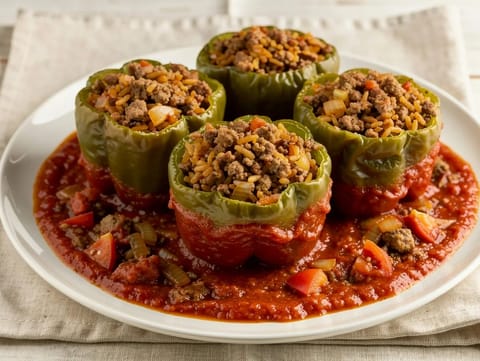
Stuffed peppers with minced beef, rice and tomato sauce
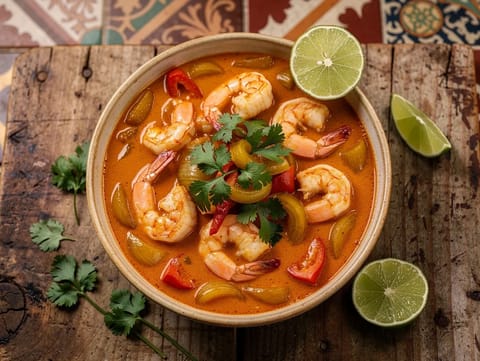
Brazilian prawn stew simmered in coconut milk and tomatoes
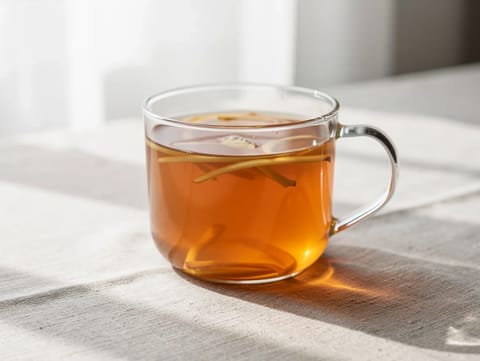
Hot ginger tea sweetened with light brown sugar
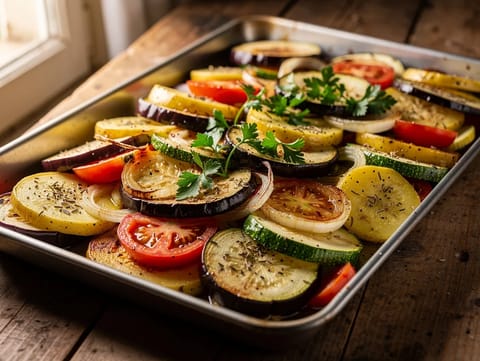
Greek olive oil roasted vegetable traybake
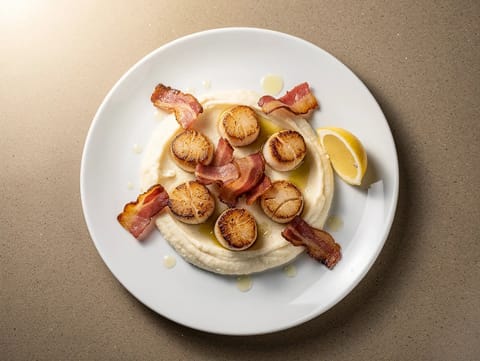
Pan-seared scallops with cauliflower purée and crispy pancetta
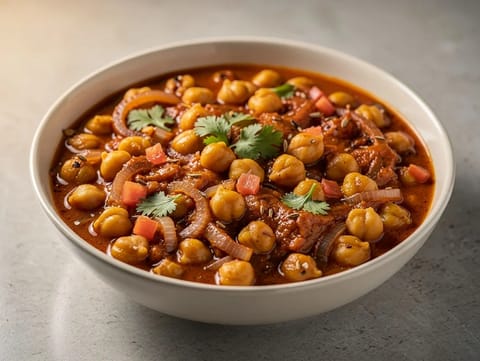
Vegan chickpea curry in spiced tomato and onion gravy
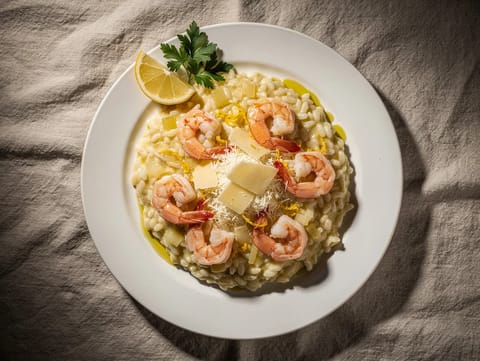
Creamy lemon risotto with prawns and parmesan
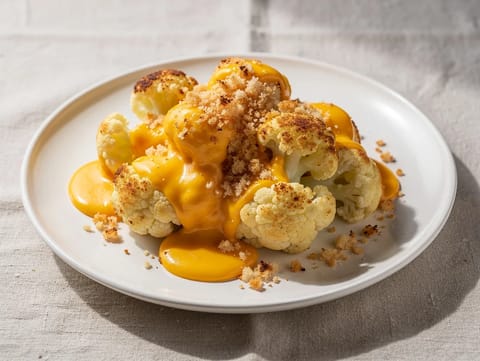
Cauliflower baked in cheddar sauce with a crispy breadcrumb topping
Both use dry oven heat. Roasting is more often used for meats, vegetables and dishes where browning and caramelisation are central, while baking is commonly used for breads, cakes and pastries. The oven behaviour is similar; the goals differ.
They were likely too wet, too crowded, or the oven temperature was lower than expected. Dry the vegetables, use enough oil to coat lightly, spread them out, and preheat fully.
Some recipes use a hot tray to jump-start browning, especially for potatoes or sturdy vegetables. It is helpful but not universal; follow the recipe, as adding delicate ingredients to a very hot tray can cause sticking or uneven cooking.
Covering traps steam and reduces browning. It is sometimes used to prevent over-colouring while the inside cooks, then removed to finish and brown.
Resting allows juices to redistribute and the temperature to even out. Cutting immediately can let more liquid run out, which affects perceived juiciness.
Choose roast recipes by how they manage browning: tray space, ingredient size and when sauces are added. Once you understand those levers, roasting becomes a reliable way to get deep flavour with relatively little hands-on cooking.
