
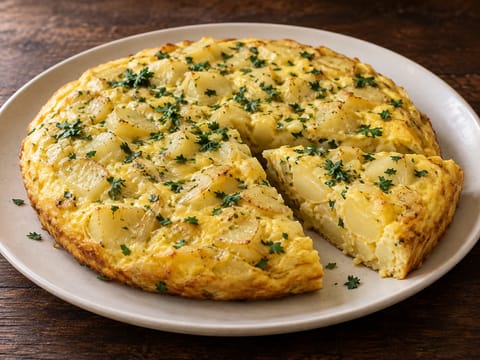
Frittata di Patate (Potato, Onion and Parmesan Frittata)
Potato frittata with onion and parmesan
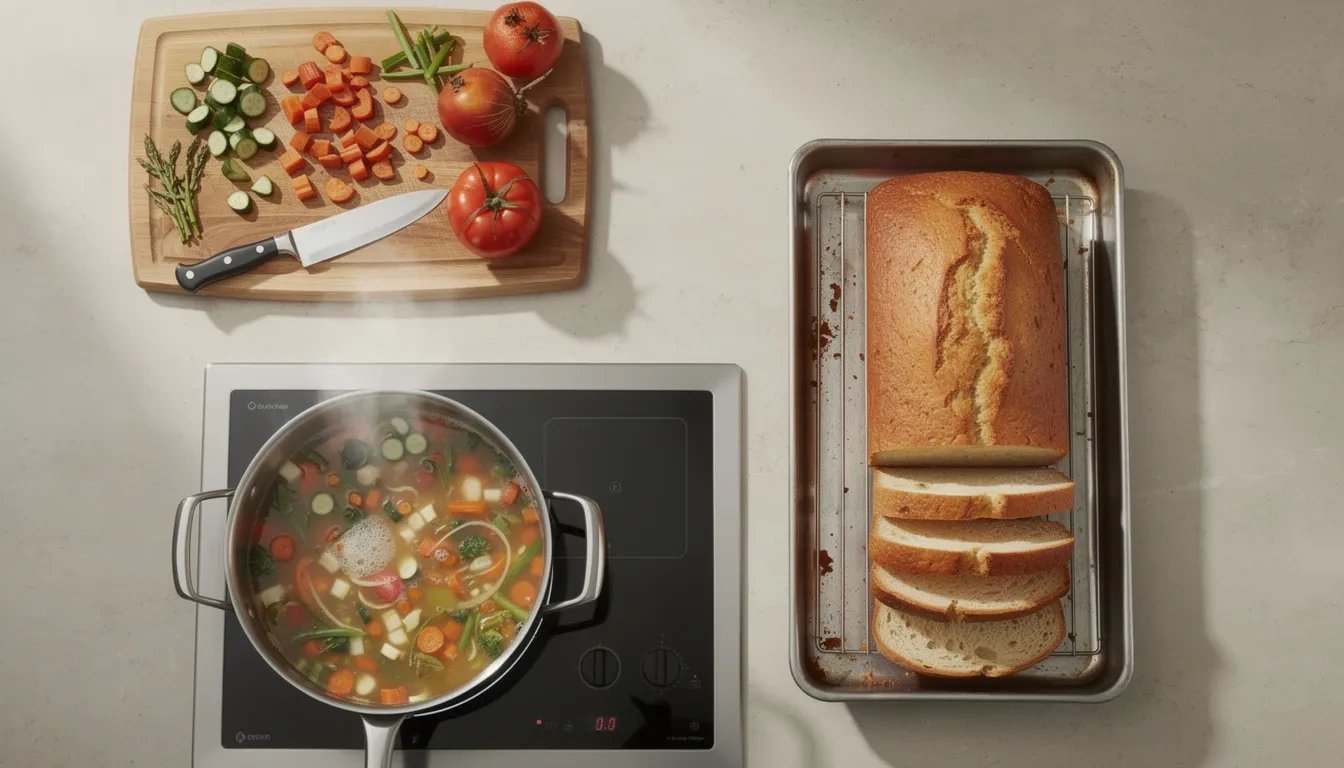
Sautéing is quick cooking in a hot pan with a small amount of fat, aiming for movement, evaporation and light browning rather than deep frying. It is the method behind tender-crisp vegetables, browned strips of meat, and aromatic bases that start many sauces.
When you are comparing sauté recipes, the most useful question is what texture the recipe is aiming for: a dry, browned finish; a glossy, sauced result; or a halfway point where sautéing is simply the first step before simmering or baking.
Sauté recipes typically rely on relatively small, evenly cut ingredients so they cook through before the outside over-browns. The pan is hot enough that moisture evaporates quickly, which is what allows browning and keeps vegetables from turning grey and soft.
Sautéing sits between sweating and frying. Sweating uses gentler heat to soften without colour; frying usually uses more fat and aims for a more pronounced crust. Many recipes move along this spectrum, starting with a sweat for onions, then increasing heat to sauté mushrooms or mince until the pan is dry and fragrant.
Potato frittata with onion and parmesan
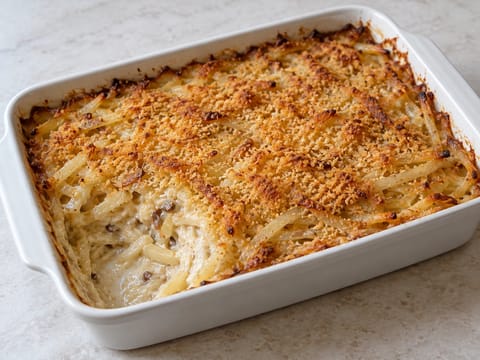
Swedish potato gratin with anchovies, onion and double cream
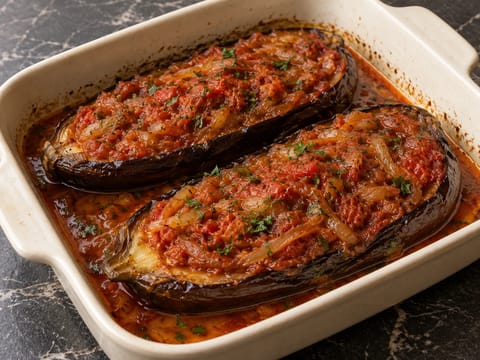
Baked aubergines stuffed with tomato, onion and garlic
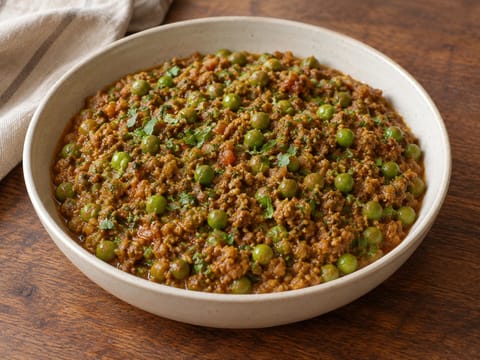
Spiced minced lamb curry with peas
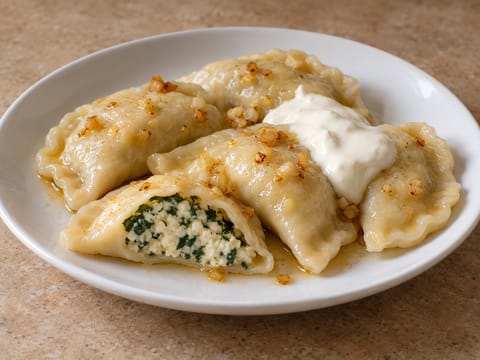
Pierogi filled with spinach and ricotta
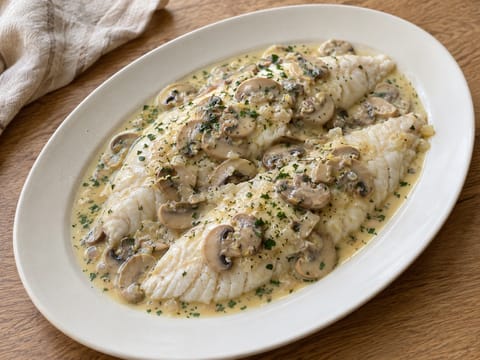
Sole fillets cooked with mushrooms, shallots and white wine
Choose a dry sauté when you want browning and separation: sliced mushrooms, minced meat, or vegetables that should stay distinct. These recipes often ask you to cook in batches, because overcrowding traps steam.
Choose a sauté-then-sauce approach when you want a cohesive finish: stir-fries with a glossy coating, pan sauces built from browned bits, or quick curries that start with sautéed aromatics. Here, timing is about sequencing. You sauté ingredients in the order they release moisture and need heat, then add liquids at the point where the pan has done its browning work.
If a recipe uses delicate items such as garlic or ground spices, look for cues about when they go in, as they can scorch in a very hot pan.
Potato frittata with onion and parmesan
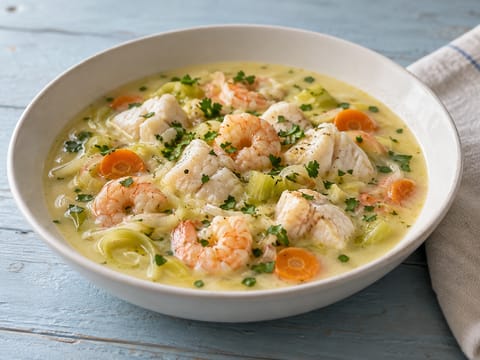
Creamy Ghent-style fish stew with prawns and vegetables
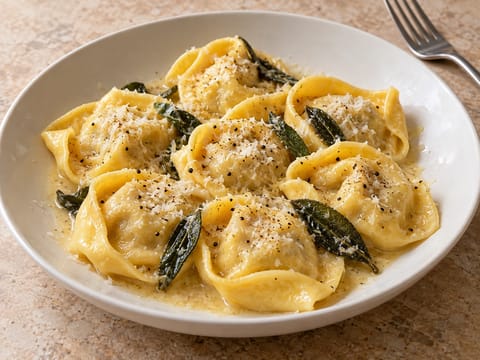
Tortelloni tossed with butter, sage and Parmesan
Baked aubergines stuffed with tomato, onion and garlic
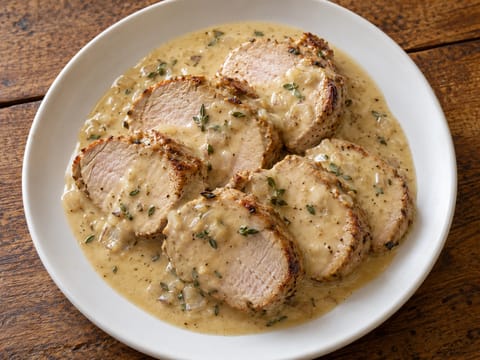
Pan-seared pork with a quick Dijon mustard sauce
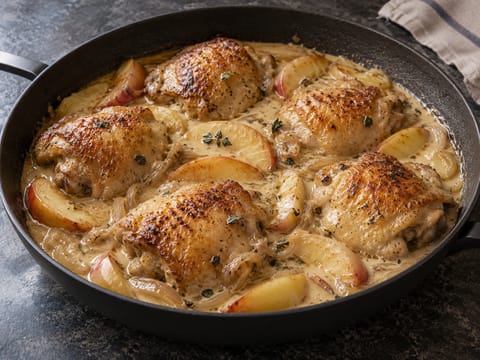
Chicken with Calvados, apples and double cream sauce
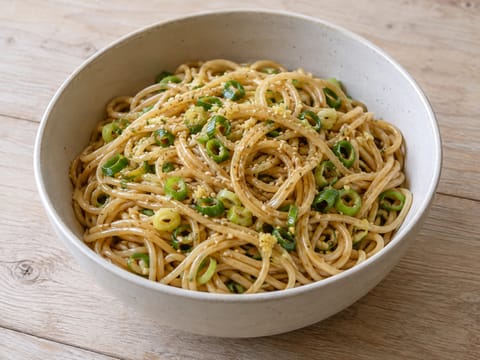
Wheat noodles with ginger spring onion oil and soy
Swedish potato gratin with anchovies, onion and double cream
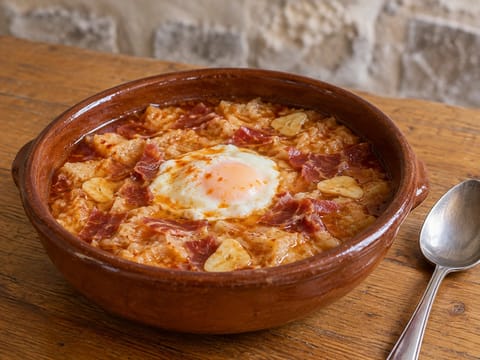
Garlic and bread soup with poached eggs and serrano ham
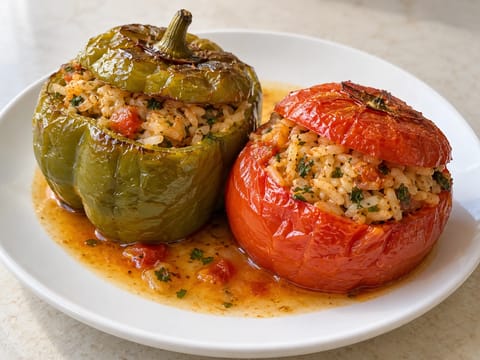
Peppers and tomatoes stuffed with herby rice and baked
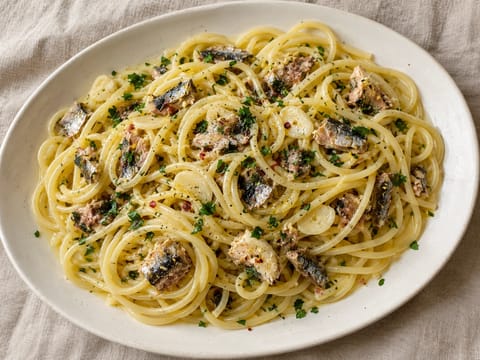
Smoked sardine pasta with lemon, garlic and parsley
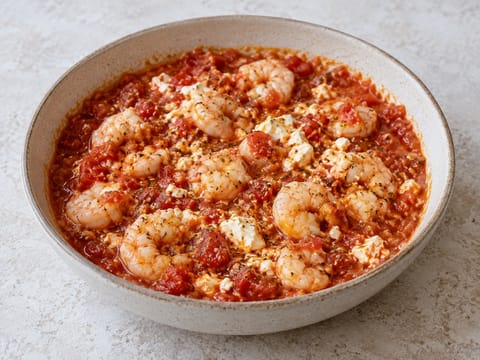
Greek prawns in tomato sauce topped with softened feta
A wide pan gives evaporation room, which is central to sautéing. Stainless steel is useful when you want browned bits for a sauce; non-stick can be helpful for delicate fish, eggs or sticky glazes, though it usually browns less aggressively. Cast iron holds heat well but can run hot, so it rewards a confident hand.
A thin metal spatula or wooden spoon is often enough. If you do not have a large pan, a wok can work for sauté-style cooking, especially for small pieces, but it behaves differently on some hobs. Whatever you use, preheating the pan before adding oil helps reduce sticking and encourages quick searing.
If food turns pale and watery, the pan is too crowded or not hot enough. Give ingredients space, increase heat, or cook in batches. If the outside burns before the inside cooks, the pieces are too large or the heat is too high for that ingredient; cut smaller or lower the heat and extend the cooking slightly.
Another frequent issue is adding wet ingredients straight from the fridge or a rinse. Surface water cools the pan and promotes steaming. Pat ingredients dry when browning matters, and add sauces once you have achieved the colour you want.
Cooking time helps you distinguish quick sauté dishes from those where sautéing is only the opening step before a longer cook. Difficulty is also useful: some sauté recipes are straightforward, while others demand confident heat control, batch cooking and fast sequencing.
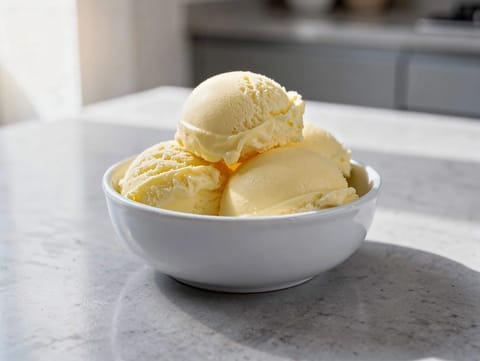
Italian lemon gelato made with fresh zest and juice
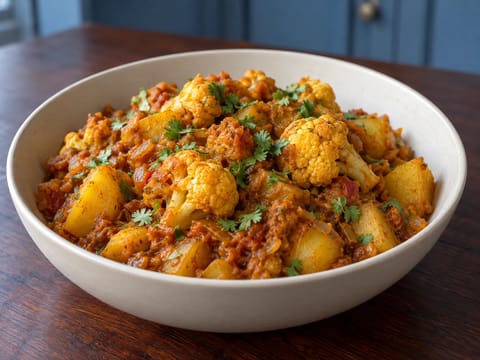
Dry-style potato and cauliflower curry with onion and spices
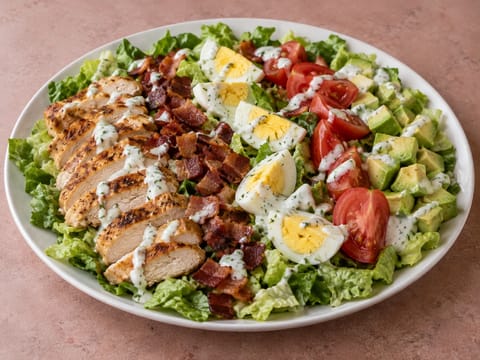
Cobb salad with chicken, bacon, eggs and ranch
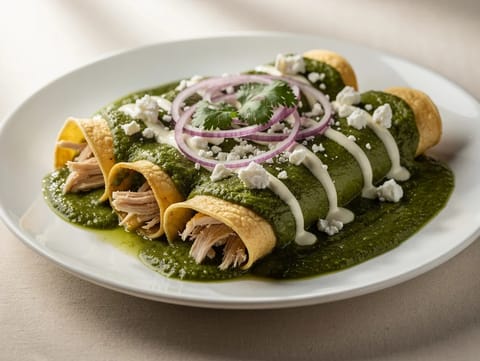
Chicken enchiladas baked in salsa verde with crema
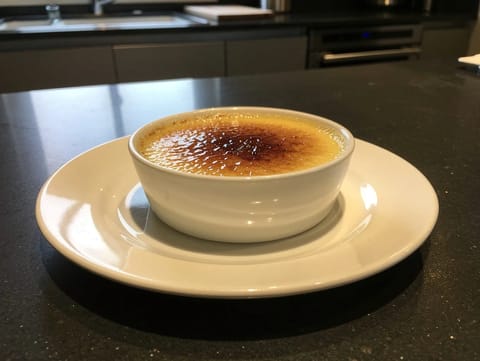
Vanilla custard with a crisp caramelised sugar topping
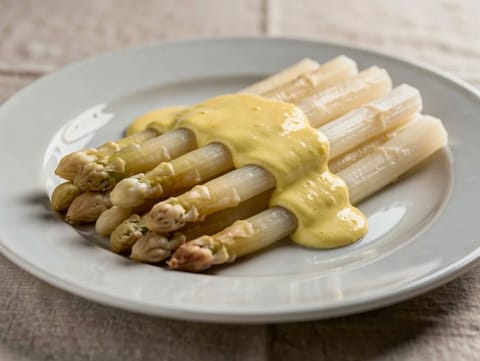
Boiled white asparagus served with classic lemony hollandaise sauce
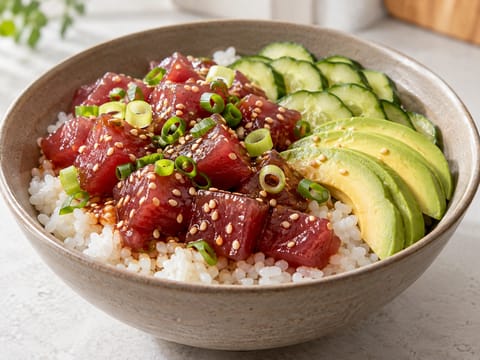
Quick tuna poke bowl with rice, avocado and cucumber.
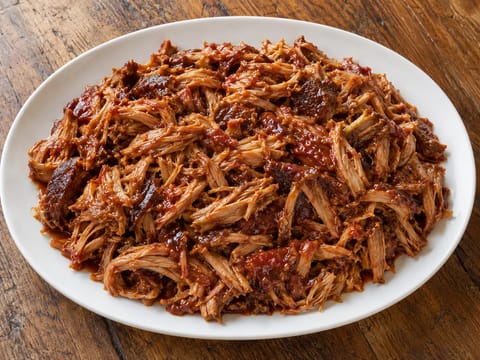
Slow cooked pulled pork tossed in tangy BBQ sauce
They are closely related. Both use high heat and movement, but stir-frying is typically associated with a wok and very fast cooking over intense heat. Sautéing is broader and often done in a wide frying pan.
Garlic can burn quickly in hot fat. Many recipes add it after onions have softened, or briefly before liquids go in, so it perfumes the dish without scorching.
No. Sautéing uses a small amount of fat to conduct heat and prevent sticking. If you want a crisp, fried crust, that is usually a different method.
It means adding a liquid to a hot pan to dissolve browned bits stuck to the surface. Those bits carry flavour and become part of a sauce.
Use high heat, cut evenly, and cook briefly. Overcrowding and low heat encourage steaming, which softens vegetables more quickly.
Sautéing can mean browned and dry, or glossy and sauced, depending on when liquids are added and how crowded the pan is. Once you read a recipe for those cues, you can choose the one that matches your pan, your pace and the texture you are after.
