
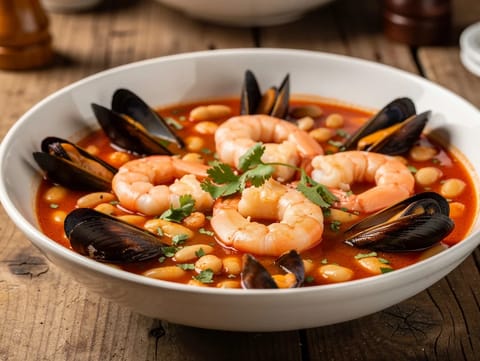
Feijoada de Marisco (Portuguese Seafood and White Bean Stew)
Seafood and white bean stew in a tomato and wine broth

Simmering is gentle cooking in hot liquid, with small bubbles and minimal movement. It sits between poaching and boiling, and that middle ground is exactly why recipes specify it: simmering cooks through without breaking delicate ingredients apart or turning a broth cloudy.
If you are choosing between similar recipes, the simmer is often the deciding detail. It affects clarity, tenderness and how evenly starches and proteins cook.
A boil is vigorous: large bubbles, lots of movement and rapid evaporation. A simmer is calmer: small bubbles, a steady heat and less agitation. That difference shows up quickly in the pot. At a boil, pasta and some vegetables cook fast but can knock into each other and fray; at a simmer, dumplings, fish, meatballs or stuffed pasta are less likely to break.
Simmering is also a common instruction for soups and stews because it keeps the liquid clearer and the surface calmer, so fats and impurities are easier to skim if the recipe calls for it. When a recipe wants reduction and concentration, it may ask for a brisk simmer or an uncovered simmer rather than a full rolling boil.
Seafood and white bean stew in a tomato and wine broth
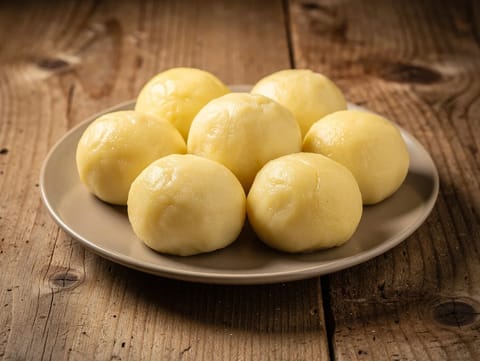
German potato dumplings gently simmered until tender
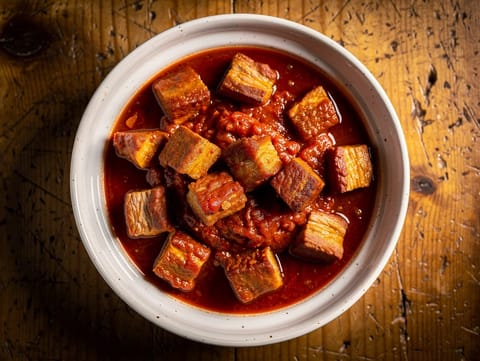
Pork simmered in a thick tomato and paprika sauce
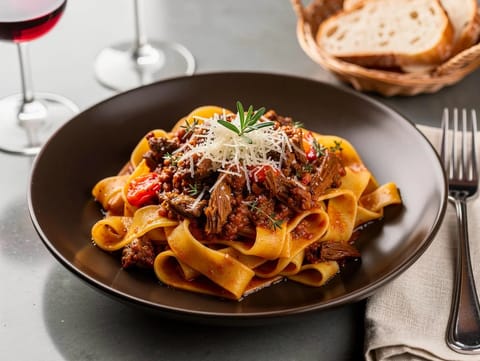
Pappardelle with slow-simmered wild boar ragù and pecorino
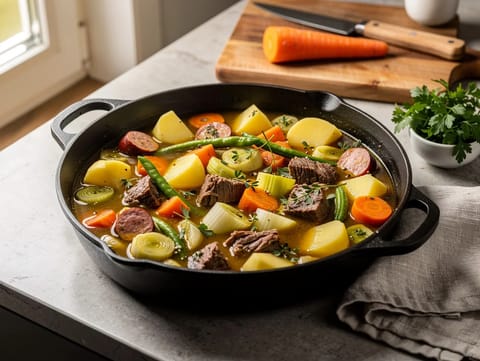
German one-pot stew with smoked sausage, beans and potatoes

Chilled German red berry pudding thickened with cornflour
Simmering is a controlled way to move heat into the centre of food. For collagen-rich meats, a long, steady simmer gradually softens connective tissue, giving a tender result without the shredding that can happen with more violent bubbling. For legumes and grains, simmering helps them hydrate and cook through evenly; too much agitation can break skins and make the pot starchy.
For sauces, simmering is often about gentle thickening. Starches swell and sauces reduce without scorching as easily as they might at higher heat, though you still need to stir if the base is thick. For eggs, custards and dairy-based mixtures, a bare simmer can prevent curdling that a boil would trigger.
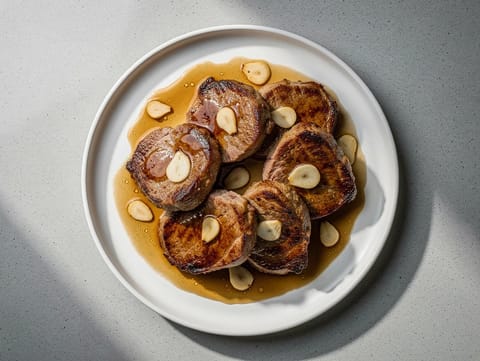
Pan-seared pork tenderloin with garlic whisky sauce
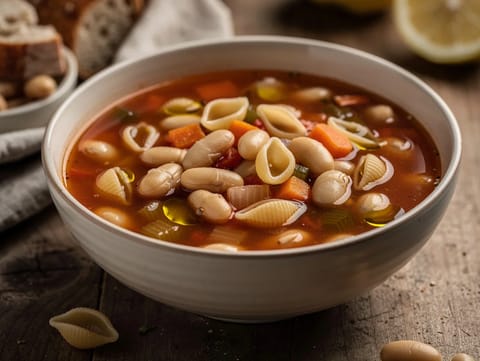
Italian vegan bean and pasta soup with tomatoes and herbs
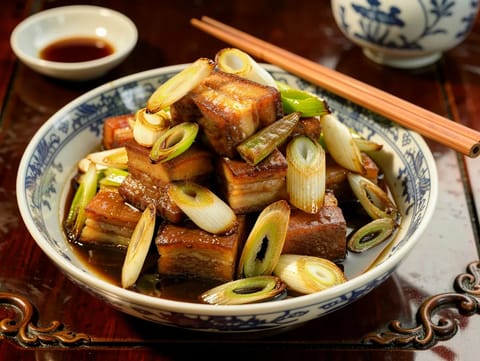
Red-braised pork belly simmered until tender and glossy
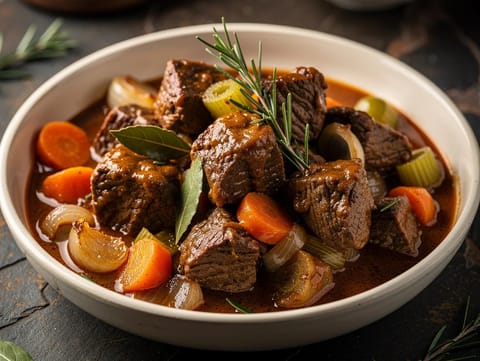
Italian beef stew simmered with tomato, red wine and herbs
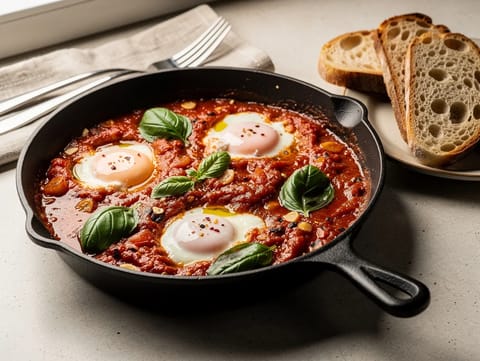
Eggs poached in garlicky tomato sauce with chilli and basil
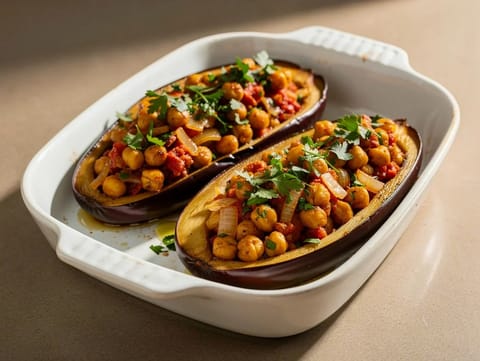
Roasted aubergines stuffed with spiced chickpeas in tomato sauce
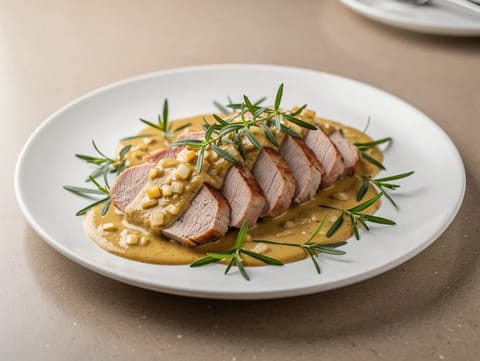
Seared pork tenderloin with Dijon and tarragon cream sauce
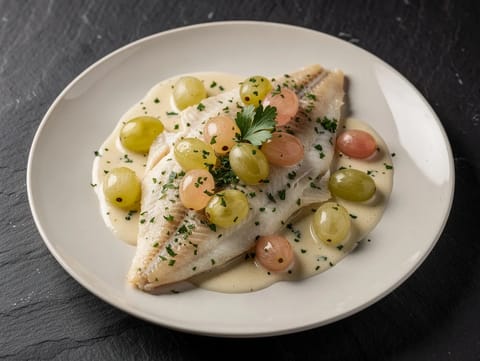
Poached sole with grapes in a white wine cream sauce
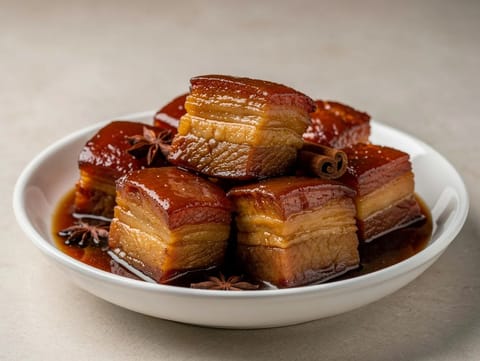
Tender red-braised pork belly in a glossy soy sauce
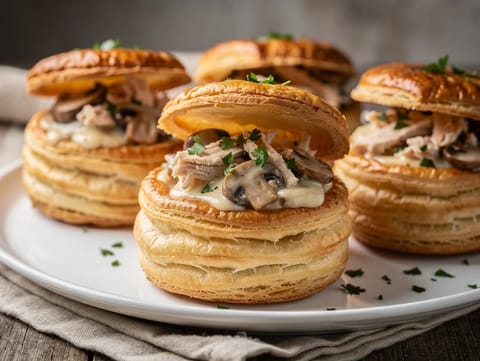
Puff pastry cases filled with creamy chicken and mushrooms
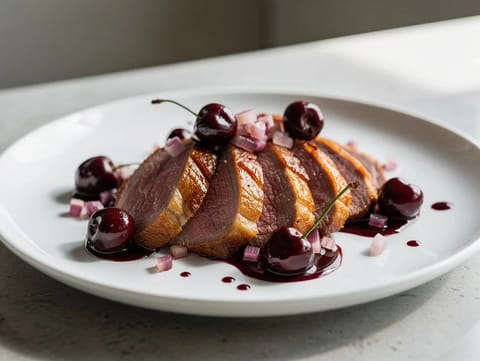
Pan-seared duck breast served with cherry and red wine sauce
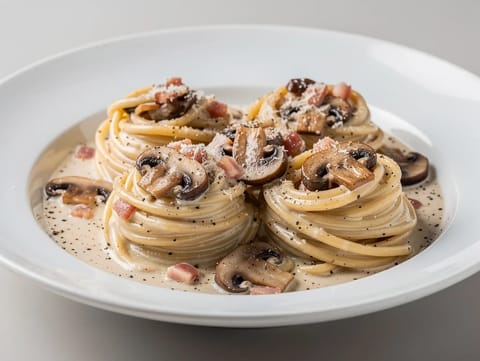
Pasta with creamy mushrooms, pancetta, white wine and Parmesan
Some recipes want a bare simmer, just a few bubbles, because the ingredients are fragile or the liquid should stay clear. Think poached chicken for shredding, fish in broth, or a delicate consommé-style soup. Others call for a lively simmer because the goal is reduction: tomato sauces, braising liquids that need to concentrate, or stocks that should gently bubble for hours.
Also notice whether the recipe simmers covered or uncovered. A lid traps heat and limits evaporation, which suits grains, pulses and dishes where you want a brothy finish. Uncovered simmering reduces and intensifies, but it also demands a little more attention to prevent sticking as the pot thickens.
On most hobs, the easiest way to hold a simmer is to bring the pot up to a boil first, then immediately reduce the heat until the surface calms. A wide pot evaporates faster than a tall narrow one, so the same heat setting can behave differently depending on the pan.
If you are simmering something that tends to foam, such as some pulses, keep the heat low enough that the foam does not climb, and give the pot enough headroom. For thick soups and sauces, a simmer can happen underneath the surface before you see bubbles; listen for a gentle blip and stir to check the bottom is not catching.
Simmering can mean anything from a quick sauce to an all-afternoon pot, so Cooking time is a useful companion when you are comparing recipes. Difficulty can also help: some simmered dishes are straightforward once the pot is set, while others involve careful skimming, staged additions or finishing steps that ask for more attention.
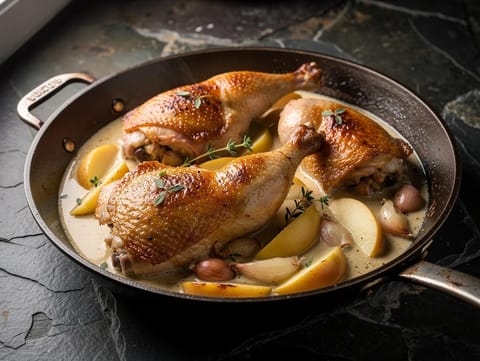
Chicken with Calvados, apples and double cream sauce
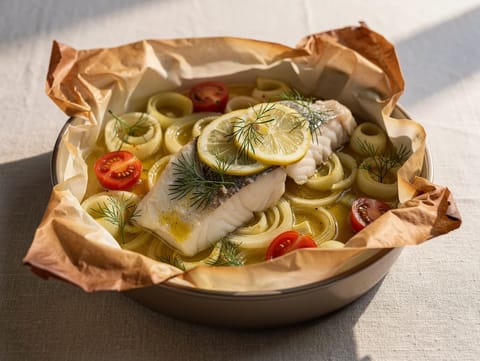
White fish baked in parchment with leeks, lemon and dill
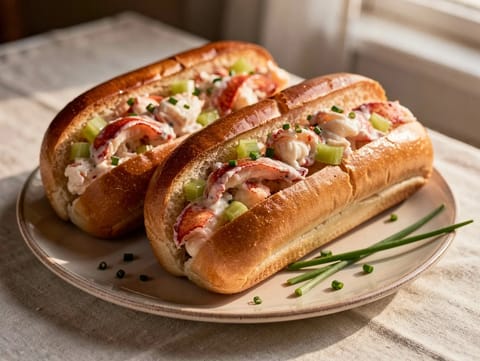
Lobster roll with mayonnaise, lemon and celery
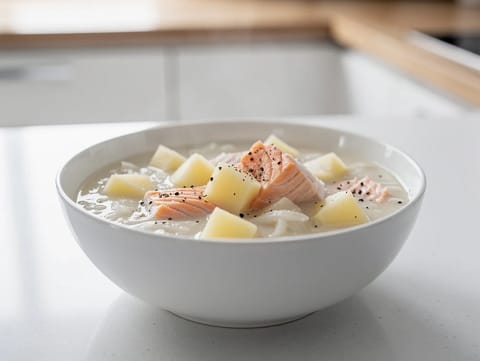
Scottish smoked haddock soup with potatoes and milk
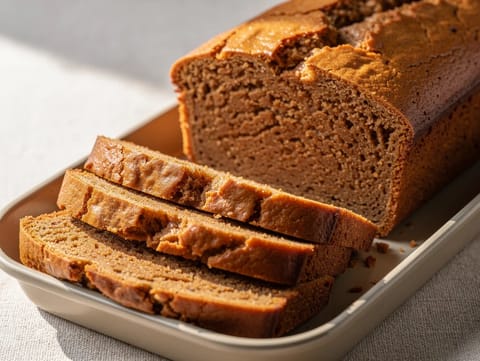
Moist spiced loaf cake made with brown sugar and milk
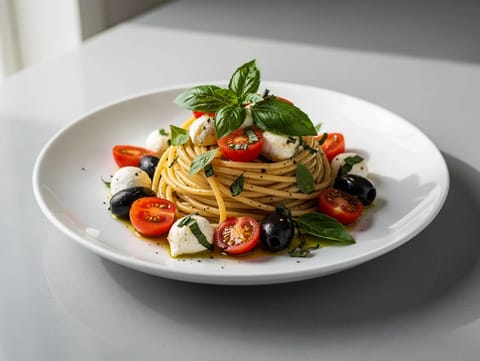
Spaghetti with tomatoes, olives, mozzarella and basil
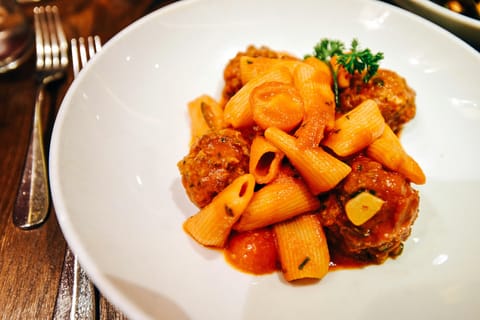
Rigatoni with Neapolitan meatballs simmered in tomato sauce
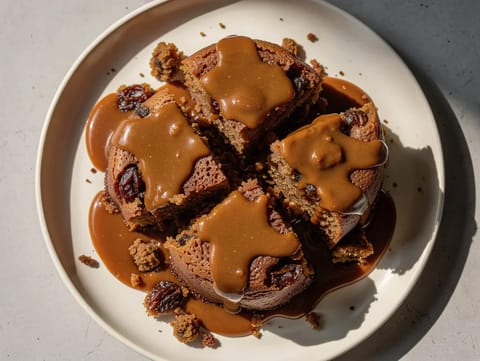
Warm date sponge pudding served with rich toffee sauce
Look for small, steady bubbles and gentle movement rather than a rolling churn. The exact look varies with the pot and what is in it, but the key is low agitation and controlled heat.
Sometimes, but it changes results. Boiling can break delicate foods, make broths cloudy and encourage thick sauces to catch on the bottom. If speed matters, choose a recipe written for a shorter cook rather than forcing a boil.
Proteins tighten as they heat, so meat can seem firmer before it becomes tender. A steady simmer over time is what allows connective tissue to soften; turning the heat up usually does not shorten that stage in a helpful way.
It depends on thickness. Clear broths and thin soups may need little stirring. Thick sauces, porridge-like grains and purées usually need regular stirring to prevent sticking and scorching.
A lid reduces evaporation and helps maintain temperature, which suits grains, pulses and brothy dishes. Uncovered simmering reduces and concentrates, which suits sauces and braising liquids that need to thicken.
A hard boil agitates proteins and fat into the liquid, making it cloudy. Starting with a gentle simmer and keeping it there helps the stock stay clearer.
When a recipe specifies a simmer, it is usually protecting texture: keeping a broth clear, cooking gently through the centre, or reducing without scorching. Match the simmer level to the dish, and you will often solve the biggest difference between ‘fine’ and ‘exactly right’.
