
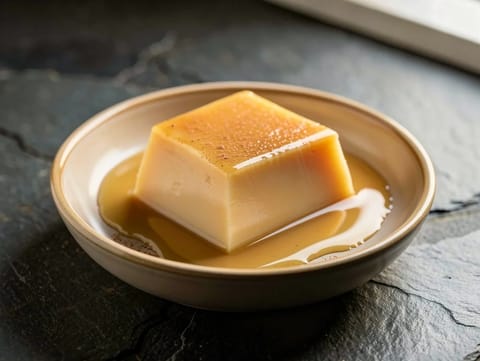
Natilla Colombiana (Colombian Set Custard)
Colombian set milk custard thickened with cornflour and cinnamon

Christmas cooking often succeeds or fails on timing. The most useful recipes for this occasion are the ones that let you do meaningful work in advance, then finish and serve without a crowded hob and a frantic oven. That might mean a dessert that sets overnight, a sauce you can reheat, vegetables you can prep and hold, or a main that rests well while you bring everything else together. When you choose Christmas recipes, look for clear stopping points: stages where you can pause, chill, or freeze, and pick up again without losing texture.
Christmas recipes are typically built around a centrepiece and a set of sides, with a strong emphasis on serving a group. The flavours often lean towards rich, warming and aromatic, but the defining feature is workflow: multiple components, different cooking times, and the need to keep food hot and presentable.
This occasion can include roasts, baked mains, vegetarian centrepieces, party snacks, breads, and desserts, but they share a practical requirement: they must fit into a busy kitchen. Recipes that can be assembled ahead, cooked in one vessel, or served at room temperature can be just as “Christmas” as anything that demands last-minute attention, because they protect your timing and your oven space.
Colombian set milk custard thickened with cornflour and cinnamon
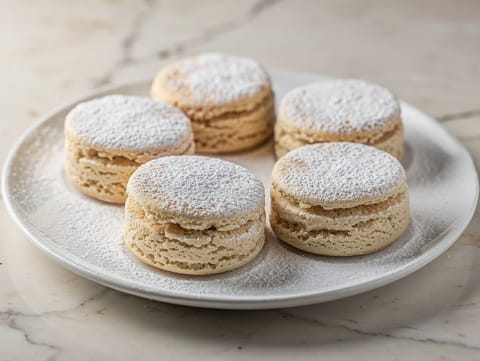
Crumbly Spanish lard biscuits with cinnamon, lemon and icing sugar
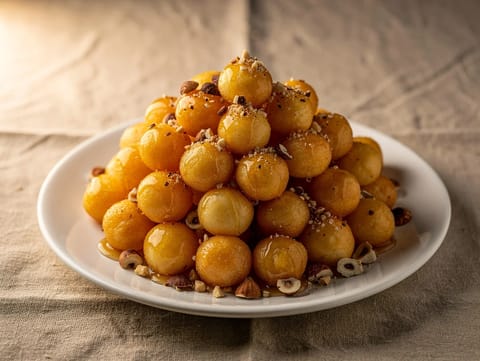
Tiny fried dough balls coated in warm honey and hazelnuts
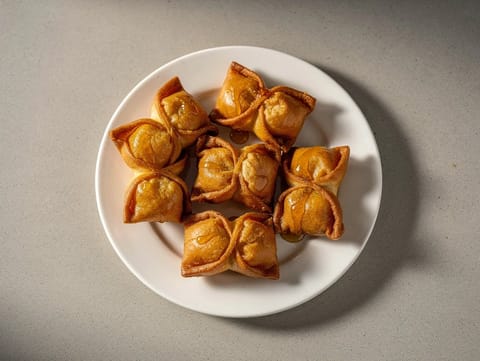
Crisp pestiños pastry fritters dipped in warm honey
Tender, glossy red cabbage braised with apples, brown sugar, vinegar and cloves
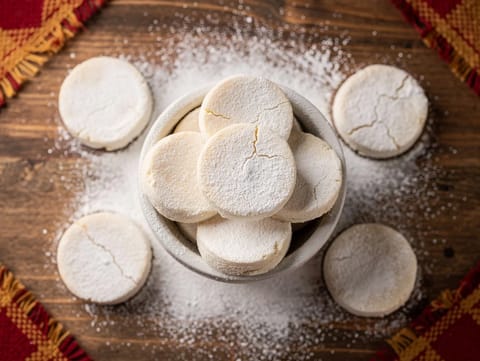
Crumbly Spanish shortbread biscuits with almonds and icing sugar
Start by choosing the main dish, then plan sides that don’t all need the oven at the same temperature and time. A mix of roasted, boiled/steamed, and cold or room-temperature sides spreads the load. Sauces and gravies are worth planning early because they tie the plate together and can often be made ahead and reheated.
Balance richness with freshness. If the main and stuffing are heavy, add something sharp or green, such as a citrusy salad, braised greens, or pickled vegetables. For dessert, decide whether you want a baked finish (which competes with the oven) or a chilled/set dessert that can be plated while the main rests. If you are serving a buffet-style table, include at least one dish that is good warm rather than piping hot.
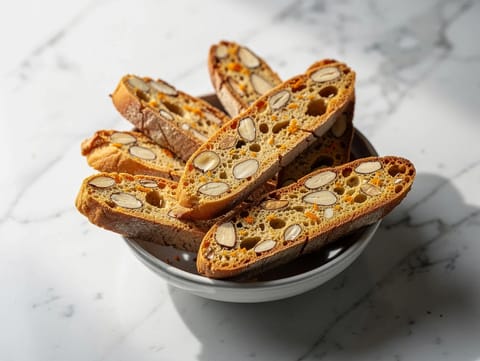
Twice-baked almond biscuits with orange zest
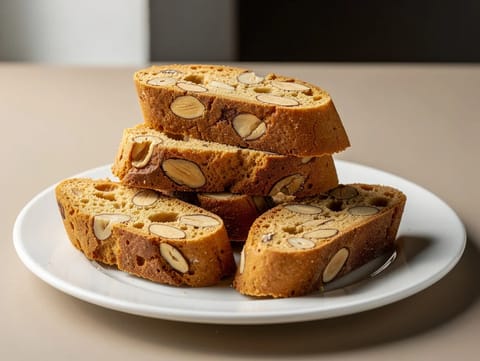
Twice-baked almond biscuits with a crisp, dunkable texture
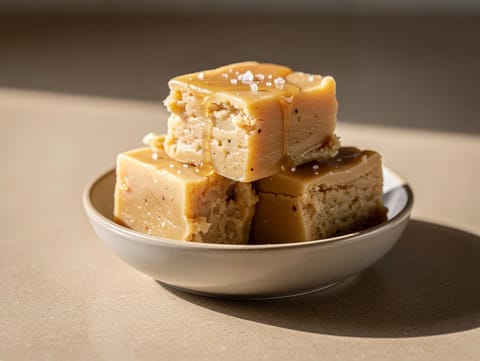
Rich clotted cream fudge set into smooth squares
Colombian set milk custard thickened with cornflour and cinnamon
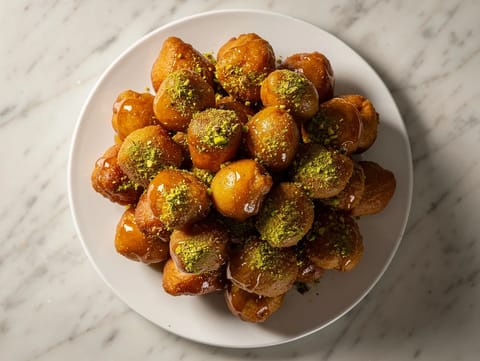
Honey-glazed fried dough clusters with pistachios
Tiny fried dough balls coated in warm honey and hazelnuts
Tender, glossy red cabbage braised with apples, brown sugar, vinegar and cloves
Caribbean-style seafood boil finished with garlic butter and a squeeze of lime
Fried Andalusian pestiños scented with anise and orange, finished with warm honey
Fried pastry nuggets coated in honey and topped with dark chocolate
Coiled gubana pastry filled with walnuts, raisins, citrus zest and grappa
Layered British trifle with sponge fingers, sherry, vanilla custard and whipped cream
Look for recipes with components you can complete early: pastry you can chill, fillings you can cook and cool, vegetables you can peel and cut, and desserts that benefit from resting. Even when a dish can’t be fully made ahead, you can often measure spices, toast nuts, or make a flavoured butter in advance so the final cooking is straightforward.
Choose serving dishes before you start. Knowing what will fit where helps you avoid last-minute decanting and keeps hot food hot. If you are transporting food, favour bakes, tray dishes and sturdy desserts over anything that relies on crispness. Keep food safety in mind when prepping ahead: cool cooked foods promptly, refrigerate, and reheat thoroughly according to the recipe’s guidance.
For Christmas, Course is the most useful companion: it helps you shape the day into starters, mains, sides and desserts without overloading any one moment. Season can also be a smart route, especially for winter vegetables, citrus, and the kinds of warming puddings and bakes that suit late December.
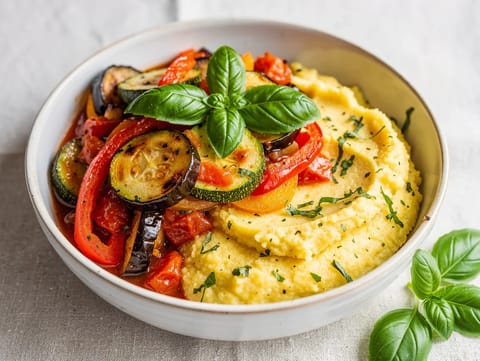
Vegan ratatouille served over creamy polenta with fresh herbs
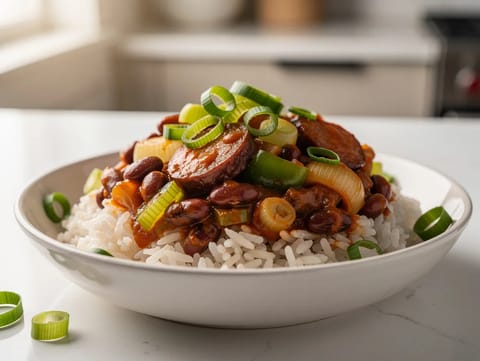
Creamy red beans with andouille sausage served over rice
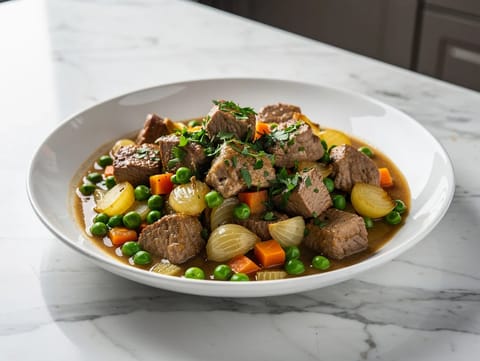
Veal and pea stew finished with a splash of white wine
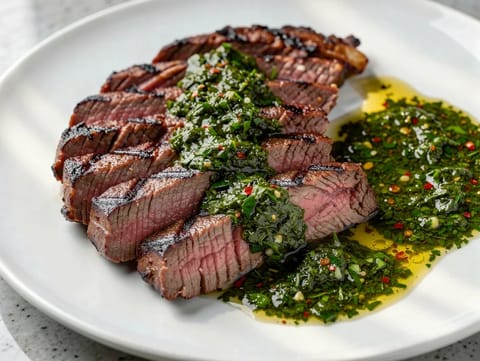
Grilled ribeye served with parsley and garlic chimichurri
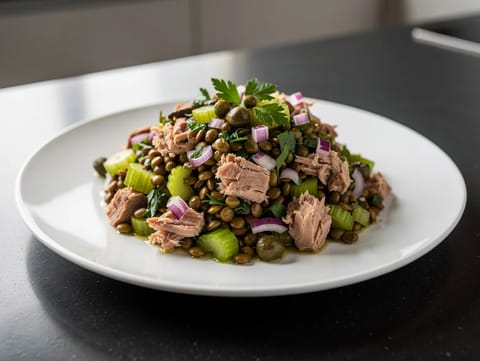
Italian lentil and tuna salad with capers and lemon
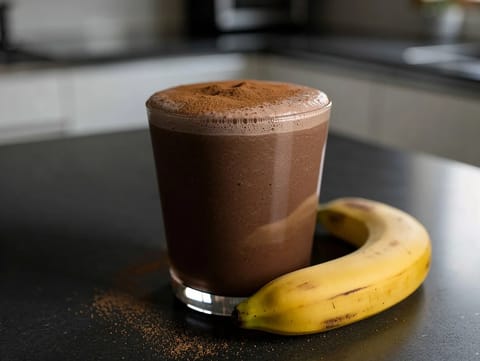
Banana smoothie blended with cocoa, cinnamon and chilli.
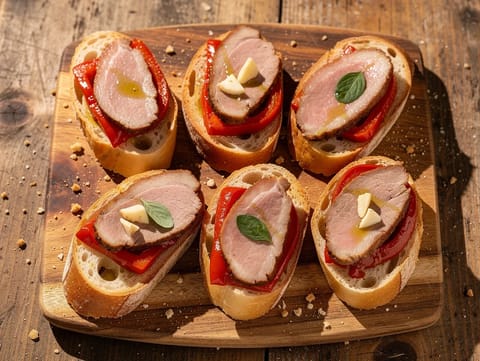
Warm mini sandwiches with seared pork loin and sautéed peppers
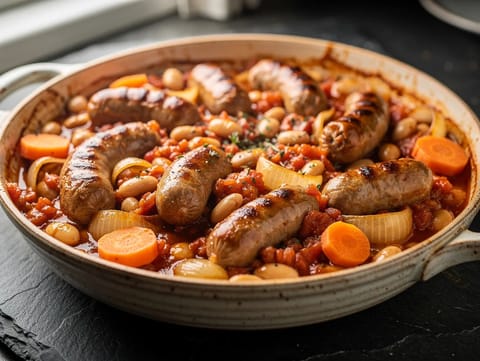
Pork sausage casserole with butter beans in a rosemary tomato sauce
Chilled desserts, sauces, many bakes, and components like fillings, pastry, and prepped vegetables often suit advance work. The key is choosing recipes with clear pause points.
Mix cooking methods: pair roasted items with steamed greens, stovetop sides, and cold or room-temperature salads. Choose one or two oven dishes to be the focus, not the whole menu.
Time-sensitive items: crisp roast potatoes, quick-cooked vegetables, and anything fried or meant to be crunchy. Cook these after the main is resting.
Yes, but choose dishes that hold well and don’t rely on being piping hot. Sauces in jugs and sturdy sides help guests serve themselves without the food deteriorating quickly.
Add acidity and freshness: citrus, vinegar-led dressings, pickles, and green vegetables. These cut through rich meats, creamy sides and buttery pastry.
No. Christmas is defined more by the gathering and the multi-dish workflow than by a single canonical menu. The most practical choice is food you can time and serve confidently.
A calm Christmas menu is built from dishes you can stage: prep, pause, then finish. Start with oven space, add freshness to balance richness, and let make-ahead desserts and sauces carry some of the load.
