
Motichoor Ladoo (Boondi Sweets in Cardamom Syrup)
Fried chickpea flour boondi soaked in cardamom syrup, then shaped into soft ladoo

Eid cooking often centres on generosity: food that can be offered easily, served in stages, and shared with family and visitors. That doesn’t mean everything has to be elaborate, but it does reward a little planning so the table feels abundant without becoming stressful. Look for recipes that hold well, travel well, or can be finished quickly once guests arrive. Depending on where you live, Eid may fall in warm or cool weather, so it helps to think in terms of serving temperature and freshness as much as richness.
Eid recipes commonly suit a celebratory, open-door style of eating: dishes that can be portioned without fuss, sweets that can be offered with tea or coffee, and centrepieces that feel special even when served alongside many other plates. You may see both savoury and sweet cooking here, and a mix of everyday techniques and more occasion-specific finishes such as garnishes, syrups or toasted nuts. Because Eid is celebrated across many cultures, the flavours and formats can vary widely, but the practical thread is consistent: food that welcomes people in, and that still tastes good after it has sat on the table for a while.
Fried chickpea flour boondi soaked in cardamom syrup, then shaped into soft ladoo
Imarti are crisp fried lentil spirals briefly soaked in saffron and cardamom sugar syrup
Ghee-fried bread soaked in cardamom syrup, topped with creamy saffron rabri and pistachios
Creamy Indian ground rice pudding with cardamom, topped with pistachios and almonds
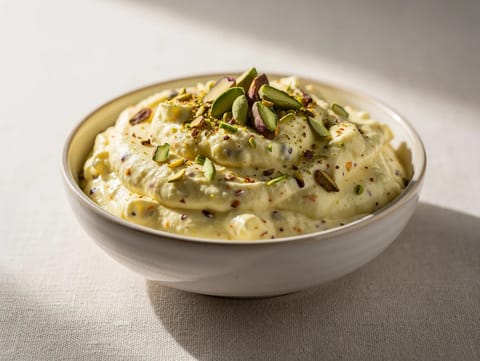
Strained yoghurt pudding flavoured with saffron and cardamom
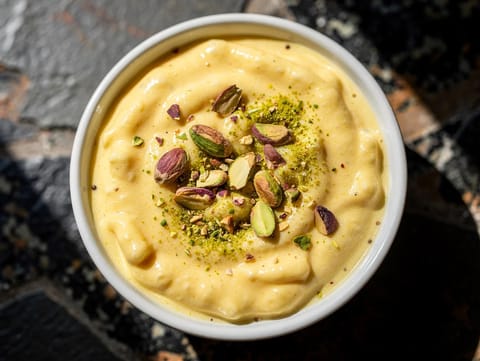
Thickened sweetened milk dessert with cardamom, saffron and pistachios
When you’re planning for Eid, think in layers rather than a single ‘main’. A good anchor is one substantial dish that can be served hot or warm, supported by a few lighter plates that bring contrast. Crisp salads, yoghurt-based sides, pickles and herb-heavy relishes can keep richer dishes from feeling heavy, especially if the meal is taken after a day of fasting. For sweets, a mix of textures helps: something syrupy, something crisp or baked, and something that can be portioned neatly for sharing. Drinks matter too: a simple, fragrant option alongside water makes the sweet course feel intentional without adding extra cooking pressure.
Fried chickpea flour boondi soaked in cardamom syrup, then shaped into soft ladoo
For a calm kitchen, prioritise dishes that are forgiving about timing. Braises, baked dishes and many rice-based recipes often hold their quality if kept warm, while fried items and delicate pastries usually need more last-minute attention. If you’re making sweets, look for recipes that set cleanly and can be cut or shaped without crumbling, especially if you’ll be packing them for gifting. Keep an eye on garnishes: toasted nuts, fresh herbs and a final drizzle can be prepared separately and added just before serving, which preserves colour and crunch. If children will be eating too, having at least one mild, familiar option on the table can reduce last-minute negotiations.
If you want the food to match the weather as well as the occasion, explore Season for ideas that suit warm days or cooler evenings. Collections can also be useful when you’re building a varied table, especially for themes like make-ahead dishes or sweets for sharing.
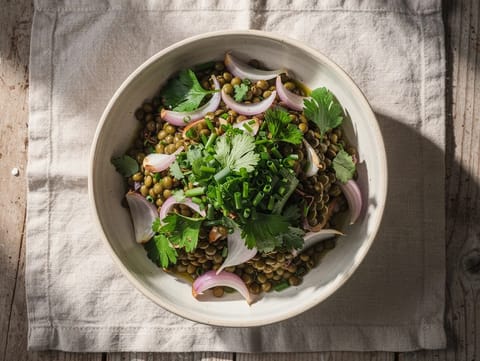
Green lentils dressed with red wine vinegar, parsley and chives
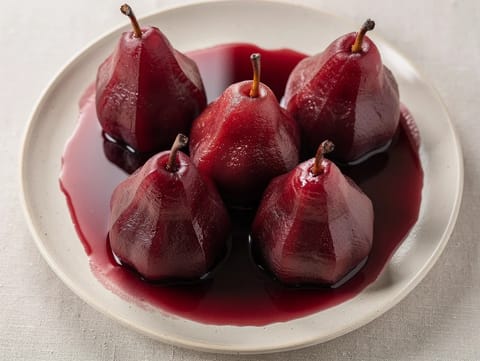
Pears stewed in red wine with cinnamon and cloves
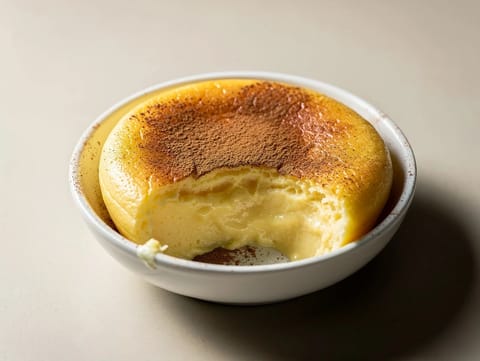
Baked egg pudding with cinnamon and a light custardy texture
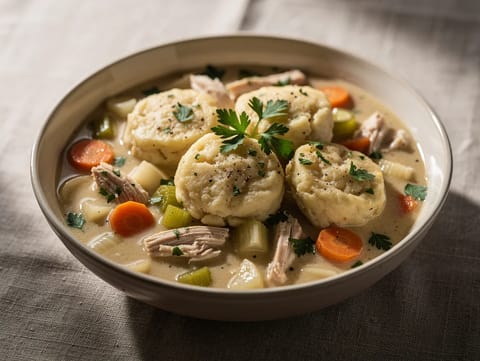
Chicken stew topped with soft steamed dumplings
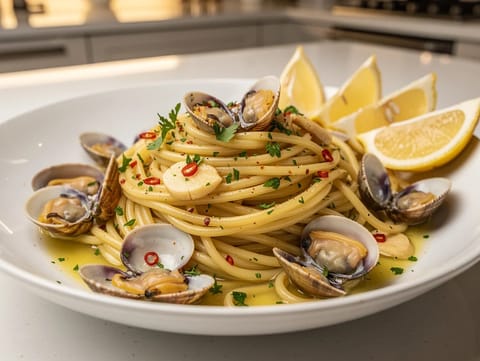
Linguine with clams, garlic, white wine, chilli and parsley
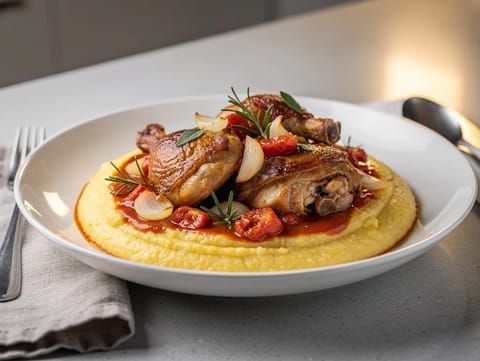
Chicken cacciatore served with buttery Parmesan polenta
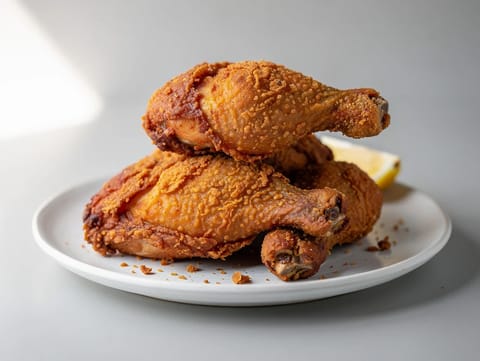
Buttermilk-brined fried chicken with a crisp seasoned coating
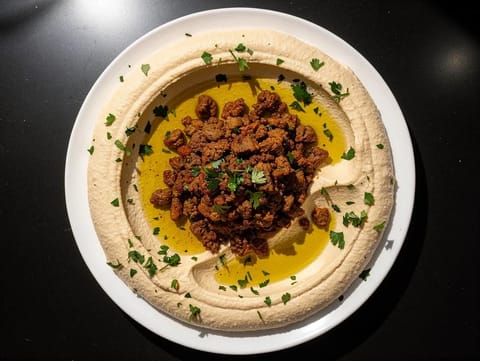
Creamy hummus topped with cumin-spiced minced lamb
Not necessarily. Eid is celebrated across many regions, so there isn’t one fixed menu. It’s more useful to choose dishes that fit the way you’ll serve and share food, then lean into flavours that feel familiar to your household.
Look for dishes that hold well: baked casseroles, braises, pilafs and many sweets that can be portioned ahead. Save anything that must be fried or assembled at the last moment for a smaller part of the menu.
Balance rich dishes with freshness and acidity. A crisp salad, yoghurt-based side, pickles, citrus, herbs and chilli can all lift the overall meal without requiring complicated cooking.
Either can work. Lots of small plates suit grazing and sharing, while one anchor dish can make the meal feel grounded. The most reliable approach is a substantial centre plus a few contrasting sides.
Choose sweets that keep their shape, aren’t overly sticky on the outside, and can be packed without crushing. A clean-cut bar, biscuit or set sweet is often easier to portion than something very delicate.
Yes. Eid moves through the solar year, so it may fall in very different weather from one year to the next. Serving temperature, freshness and how well dishes hold at room temperature are practical seasonal considerations.
Start with one dish that can carry the meal, then add contrast with fresh sides and a sweet or two that can be made ahead. Once the structure is in place, small finishing touches can provide the celebratory feel.
