
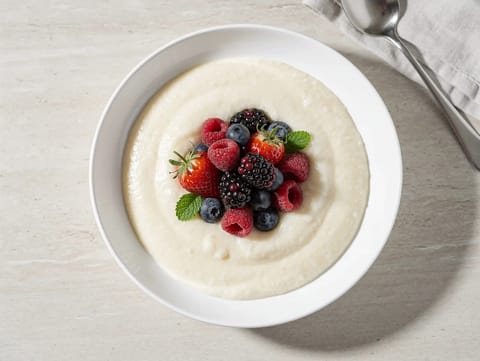
Crema di Semolino con Frutta (Semolina Porridge with Fresh Fruit)
Creamy semolina porridge with butter and mixed berries

Everyday cooking is less about a specific style of food and more about repeatable decisions: what you can cook without derailing the day, what combines easily into a meal, and what still tastes good when served at a slightly unpredictable time. This is the place to look when you want reliable building blocks, not a showpiece. Think in terms of components you can reuse, dishes that scale up or down, and recipes that don’t depend on perfect timing to be enjoyable.
Everyday recipes tend to be defined by workflow rather than cuisine. They often use familiar ingredients, straightforward methods and equipment most home cooks already have. The flavours can be bold or mild, but the cooking usually avoids fragile steps that demand constant attention. You’ll often find dishes that can be served in more than one way: a pot of beans that becomes lunch the next day, a roast tray of vegetables that can sit alongside different proteins, or a sauce that works with pasta, grains or bread. ‘Everyday’ also leaves room for no-cook and low-cook meals, where assembly and seasoning do most of the work.
Creamy semolina porridge with butter and mixed berries
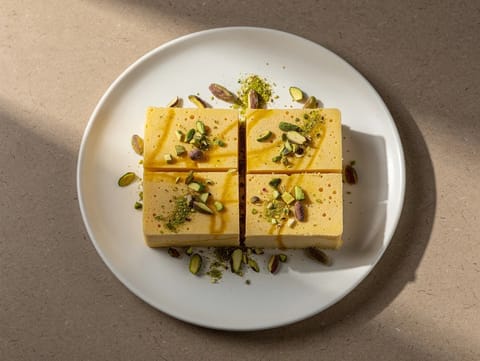
Dense mango kulfi with reduced milk and cardamom
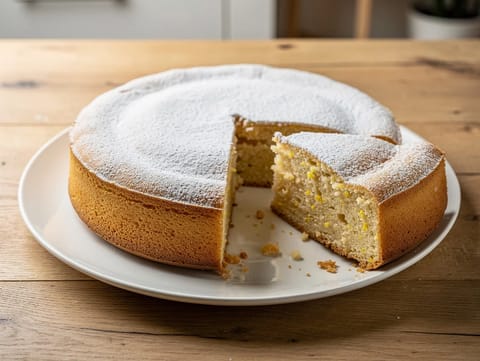
Gluten-free almond cake with lemon zest and icing sugar
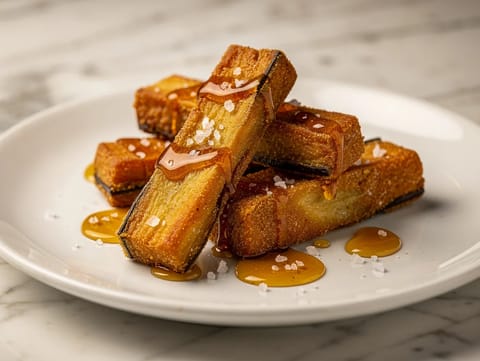
Crisp fried aubergine batons finished with honey and salt
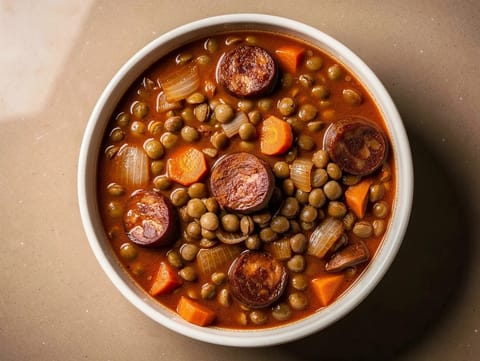
Spanish lentil stew simmered with chorizo, tomato and smoked paprika
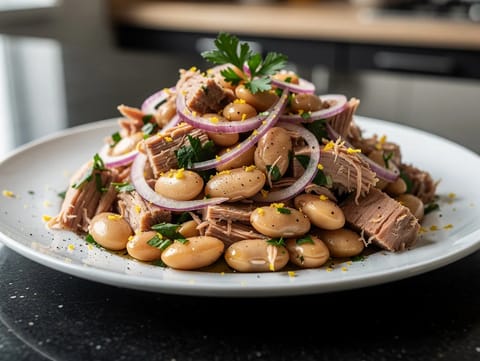
Tuna and cannellini bean salad with lemon and olive oil
On busy days, look for one-pan or one-pot cooking where the heat does the work while you get on with other things. When you have a little more time, choose recipes that create useful leftovers or components, such as a big batch of grains, a slow-cooked ragù, or a tray of roasted vegetables. If you’re feeding different appetites, recipes with add-on toppings and sides can help: a base dish plus optional chilli, herbs, cheese, toasted nuts or a crunchy salad. For lighter eating, gravitate towards brothy soups, vegetable-forward stir-fries, or salads with a substantial element like pulses, eggs or grains so they still feel like a meal.
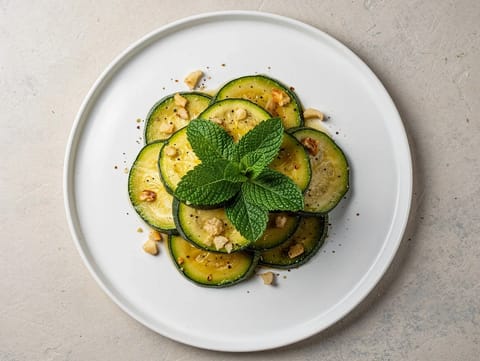
Fried courgettes marinated with vinegar, garlic and mint
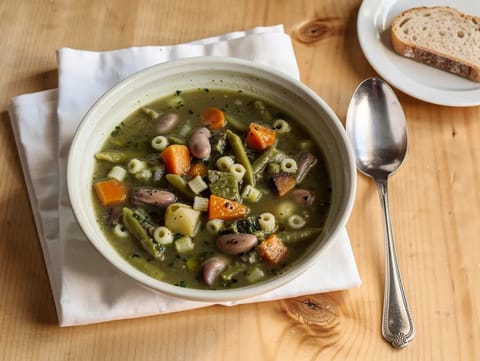
Italian vegetable soup with pasta, cannellini beans and pesto
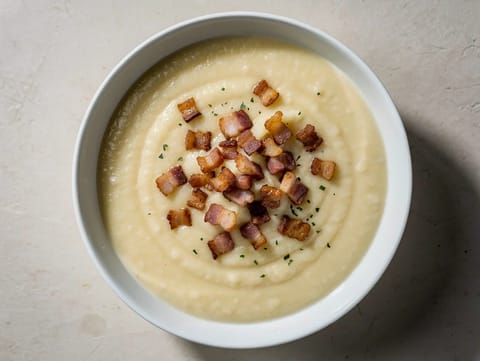
Creamy German potato soup topped with crispy bacon
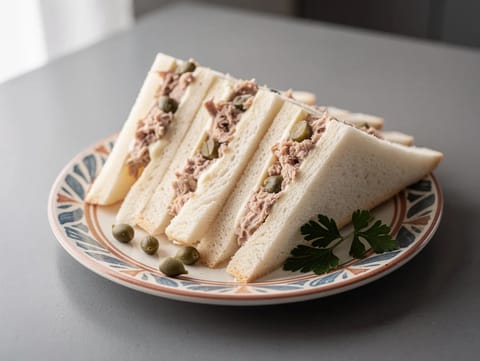
Soft tuna and caper sandwiches with mayonnaise and lemon
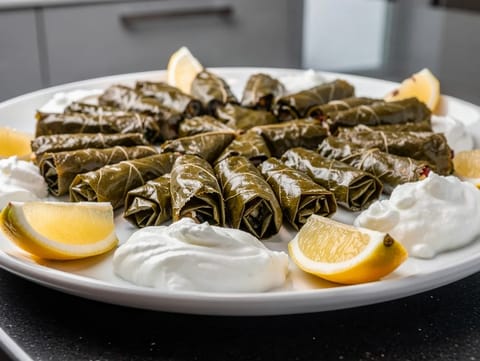
Grape leaves stuffed with herby rice, pine nuts and currants
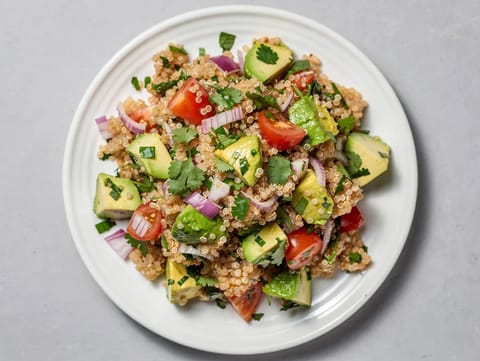
Quinoa salad with avocado, tomato, red onion and lime
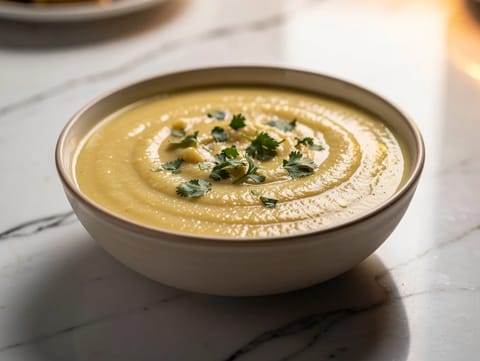
Smooth plantain soup finished with double cream and coriander
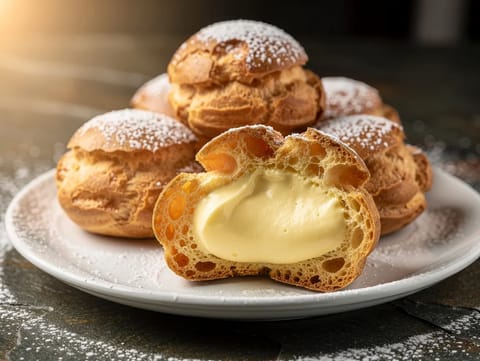
Choux cream puffs filled with vanilla pastry cream
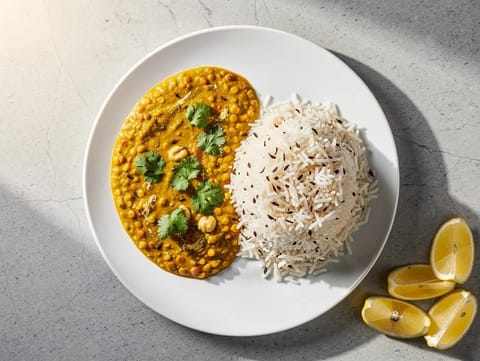
Red lentil dal with cumin, garlic and chilli tadka
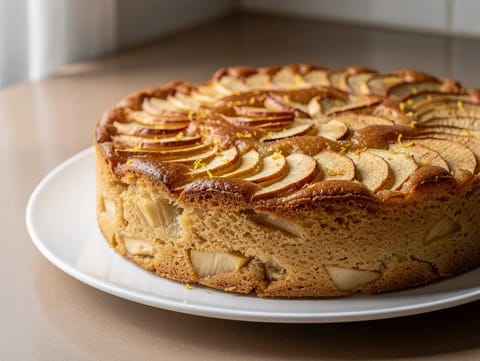
Rustic Italian apple cake with lemon zest and cinnamon
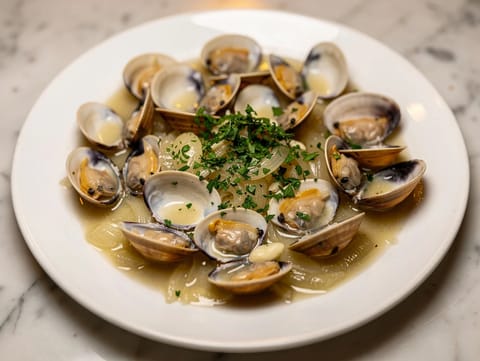
Clams steamed in white wine sauce with garlic and parsley
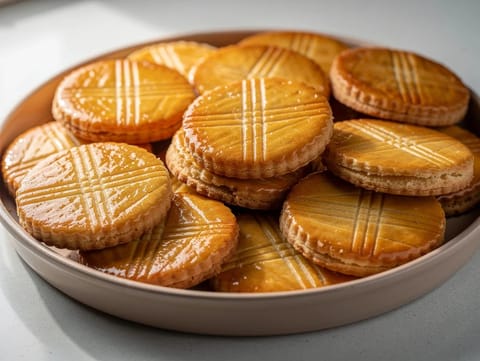
Breton butter biscuits with crisp edges and a tender centre
Everyday menus come together fastest when each dish has a clear job. A simple structure is: a main element, something starchy or bready, and something fresh or sharp. If the main is rich, add acidity and crunch; if it’s lean, add a sauce or dressing that brings richness. Think about how you’ll serve it: bowls and platters suit mix-and-match eating, while composed plates suit smaller households. It also helps to avoid repeating the same texture across the meal. Two soft dishes can feel monotonous, so pair a stew with a crisp salad, or a creamy pasta with roasted vegetables.
Course is a practical next step when you’re turning everyday recipes into a complete meal, especially if you want a side dish or a simple dessert to round things out. Collections can also help when you want a particular kind of everyday cooking, such as batch-friendly staples or quick assemblies.
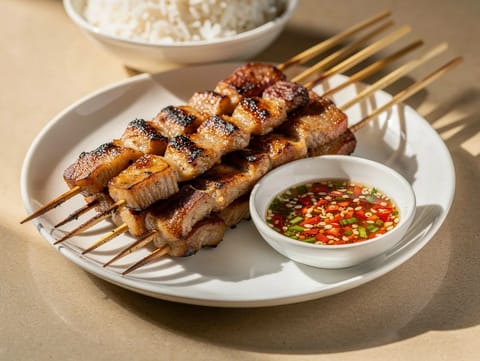
Thai grilled pork skewers with coconut milk and fish sauce
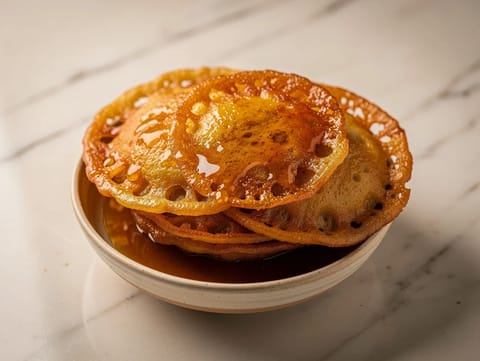
Fried pancakes dipped in cardamom syrup

Steamed suet pudding rolled with strawberry jam
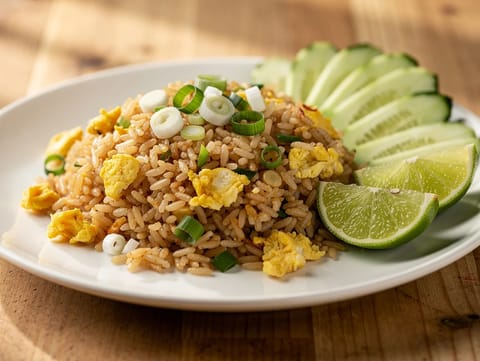
Thai fried rice with egg, garlic and lime
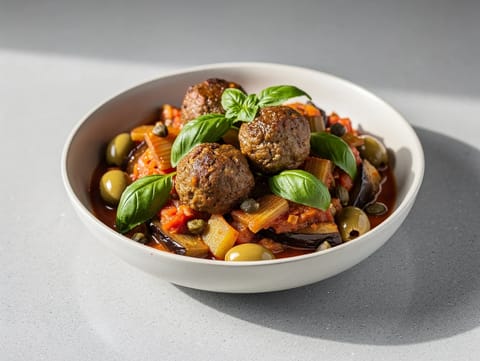
Aubergine caponata with tender beef meatballs, capers and olives
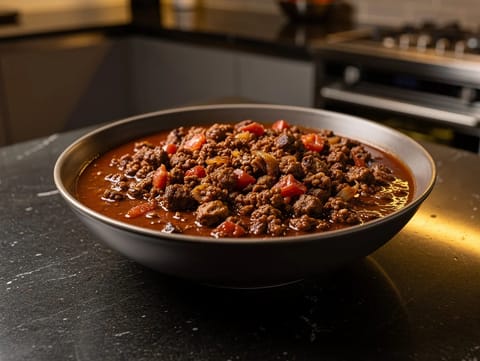
Texas-style beef chilli without beans, thick and rich
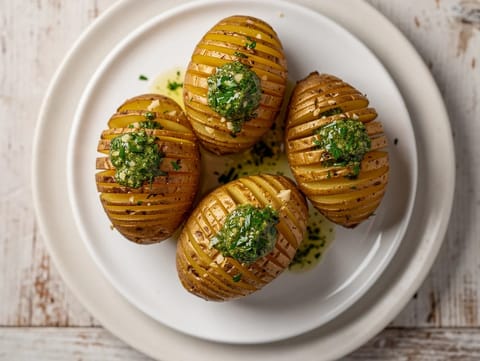
Crisp hasselback potatoes with garlic and parsley butter

Italian breakfast ring cake with lemon zest, mixed in one bowl
Often, but not always. Some everyday recipes are fast; others take longer but are low-effort, hands-off, or designed to provide leftovers that make later meals easier.
Change the ‘contrast’ element. Keep a familiar main, then rotate the fresh side, the sauce, or the crunchy topping. Small shifts in acidity, herbs and spice can make a repeat feel different.
Choose recipes that allow optional add-ons at the table, such as heat, extra richness, or additional vegetables. Bowls, wraps and platter-style meals are naturally adaptable.
No. Everyday cooking can be boldly spiced or chilli-forward. The ‘everyday’ part is usually about method and reliability rather than a specific flavour level.
Prep components that can be used in several directions: cooked grains, roasted vegetables, a pot of beans or lentils, a versatile dressing, or a sauce that can be stretched with different proteins or vegetables.
Dishes with sauces, stews and braises often reheat well because the moisture protects texture. Crisp foods and delicate salads are usually best made close to serving.
Pick recipes that play well together: one anchor, one contrast, and one flexible extra. With a few dependable components in the fridge, everyday cooking becomes more about assembling good meals than starting from scratch each time.
